

Importing parts can be stressful. I often see clients worry about US customs delays. The solution is simple: a Customs Bond 1 is essential for smooth entry.
Based on my 20 years of shipping parts, I tell every US client they must buy a Customs Bond. It’s a promise to the US government that you will pay all duties and taxes. It also guarantees you follow all import rules. Without it, your excavator parts won't be released.
This bond is a critical step. But which one do you need? And how much does it cost? Understanding these details is key to keeping your supply chain moving. Let's break down exactly what you need to know.
What is the difference between a single-entry bond and a continuous bond?
You know you need a bond, but which one? Choosing the wrong one costs money. I help my clients understand the two main types.
I explain this to my customers often. A Single Entry Bond is exactly what it sounds like: it covers only one import shipment. A Continuous Bond is like an annual subscription. It covers all your shipments into the US for one full year.
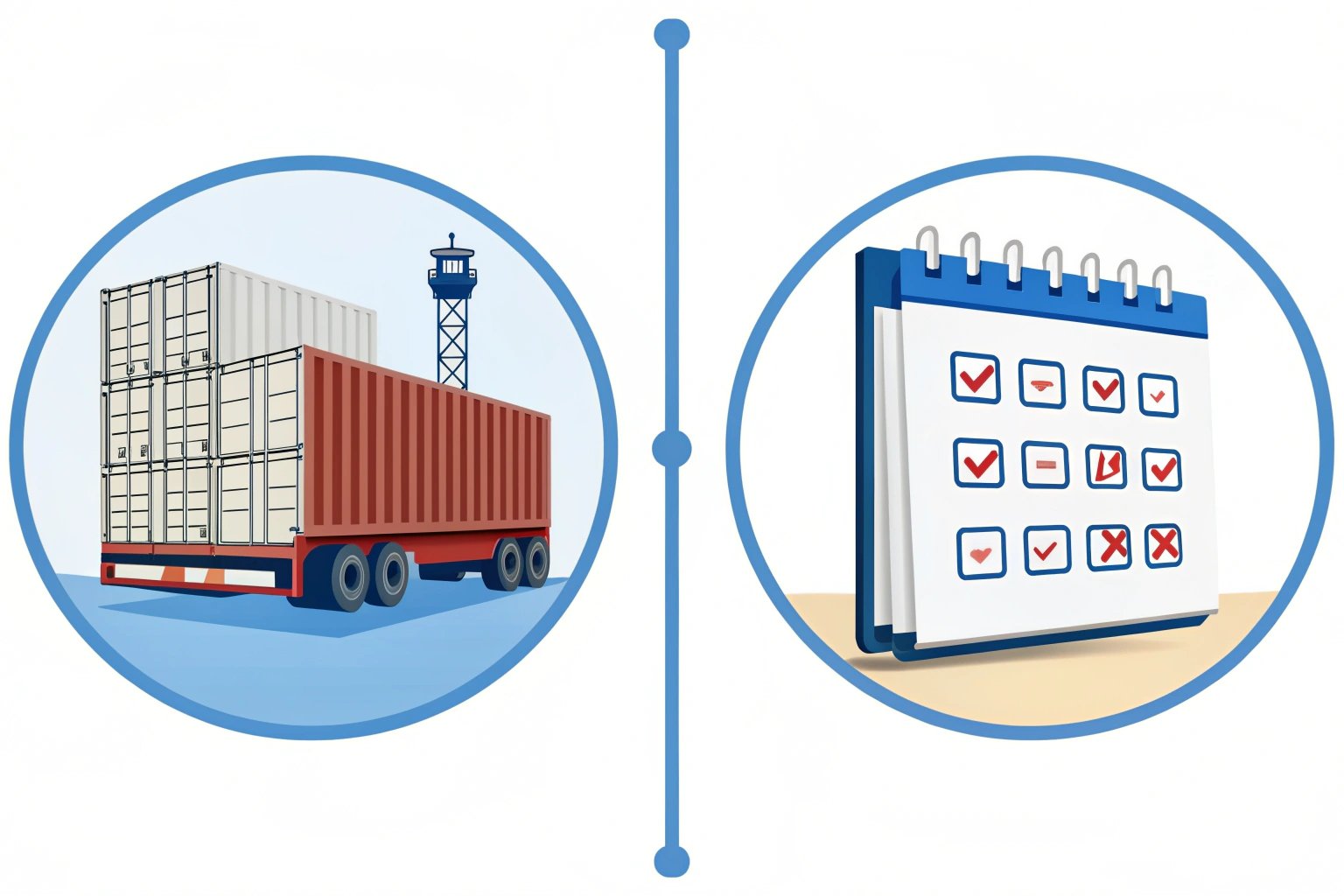
Choosing the right bond is a key decision for your import strategy. It affects your costs, your paperwork, and the speed of your customs clearance 2. Let's look at each one in more detail.
Understanding the Single Entry Bond (SEB)
The Single Entry Bond (SEB) is for a single transaction. You buy it for one specific shipment. The bond amount must cover the total value of your goods, plus all duties, taxes, and fees 3. US Customs (CBP) 4 often requires the bond to be for at least the full value of the goods. If your shipment is subject to other government agency rules (like EPA or DOT) 5, the bond amount might need to be even higher, sometimes three times the value.
I find that an SEB is best for businesses that import very rarely. For example, if you are a small repair shop and only plan to buy one container of our track chains this year, an SEB might work for you.
However, this bond has downsides. You must apply for and purchase a new bond for every single shipment. This adds a step to every order. It creates more paperwork. If your supplier (like me) has to split your order into two separate shipments, you will likely need to buy two separate bonds. For a busy purchasing director, this is not efficient. It introduces a risk of delay every time you import.
Understanding the Continuous Bond (CB)
The Continuous Bond (CB) is the standard for any business that imports regularly. I strongly recommend this to all my long-term partners, like my clients in the US who order undercarriage parts multiple times a year.
You buy this bond once, and it remains active for 12 months. It automatically renews each year unless you cancel it. This one bond covers all your shipments, at all US ports of entry, for the entire year.
The most common Continuous Bond amount is $50,000. This $50,000 does not mean you pay $50,000. This is the "face value" of the bond—the amount the surety company 6 guarantees to CBP on your behalf. The actual price (the "premium") you pay for this $50,000 bond is much lower, usually just a few hundred dollars for the whole year.
This bond is filed electronically with CBP and stays on file. When your excavator parts arrive at the port, your broker just references your bond number. It makes the clearance process much faster and more predictable.
Side-by-Side Comparison
Let's put them head-to-head. The choice depends entirely on your import frequency.
| Feature | Single Entry Bond (SEB) | Continuous Bond (CB) |
|---|---|---|
| Validity | One shipment, one port | 12 months, all US ports |
| Best For | Infrequent importers (1-2 shipments/year) | Regular importers (3+ shipments/year) |
| Cost Basis | Based on single shipment value | Fixed annual premium |
| Bond Amount | Must cover value + duties (min. $100) | Minimum $50,000 (standard) |
| Process | Must be filed with each entry | Filed once, active all year |
| Efficiency | Low. Adds paperwork and time to every order. | High. "Set it and forget it" for the year. |
If I plan to import regularly, is a continuous bond more cost-effective for me?
Every dollar counts in this business. You don't want to overpay for bonds. I’ve seen clients waste money on single bonds when a continuous one was cheaper.
Yes, absolutely. My clients who import regularly, even just 3-4 times a year, find the Continuous Bond is much more cost-effective. The cost of buying several Single Entry Bonds almost always adds up to be more than the price of one annual Continuous Bond.

The decision here is not just about cost. It is also about time, risk, and efficiency. As a purchasing manager, you are managing a complex supply chain 7. The last thing you need is a self-made bottleneck at customs.
The Value of Time and Reliability
I have clients like David, a purchasing director in the US. He values reliability above all. The financial cost is only one part of the equation. The bigger cost is time.
A Continuous Bond is on file with CBP. It is active. When your container of our support rollers lands, the clearance is smooth.
A Single Entry Bond must be purchased and filed every single time. This creates a new checkpoint. It adds a risk.
- What if the bond application is delayed?
- What if there is a mistake in the paperwork?
- What if your broker is slow to file it?
Any of these small issues can stop your shipment. Your container gets pulled aside. It sits at the port. You start getting charged demurrage and storage fees 8. Those fees can cost hundreds of dollars per day.
My job as a supplier is to provide high-quality parts. Your job is to get them to your warehouse. A Continuous Bond is a simple tool to make your job easier. It removes a point of friction and makes your supply chain more predictable.
Where can I purchase a customs bond?
You know you need a bond. You know which bond. But where do you get it? It's not sold in a normal store. I always point my clients in the right direction.
I always advise my customers to get their bond from their licensed customs broker. This is the expert who manages your import paperwork with CBP. The broker works directly with a "surety company"—the financial institution that actually issues the bond. This is the most streamlined process.

This process involves three distinct players. It is important to understand who they are and what they do.
The Key Players in Your Bond Purchase
1. The Principal (You, the Importer): This is your company. You are the "principal" on the bond. You are the one making the promise to CBP to follow all rules and pay all duties.
2. The Customs Broker (Your Agent): This is the company you hire to handle your customs clearance. They are licensed by CBP. They prepare and file all the technical paperwork (the "customs entry"). They are your logistics partner on the ground.
3. The Surety Company (The Issuer): This is a type of insurance company. They must be approved by the US Treasury Department 9 to issue customs bonds. They are the ones who financially guarantee your promise to CBP.
Why Your Broker is the Easiest Path
I have been exporting our undercarriage parts for over 20 years. In almost 100% of cases, my US client gets their bond directly from their customs broker.
Here is why it is the best method:
- It's a Package Deal: The bond is a required part of the customs entry. Your broker is already preparing your entry. They can apply for and file the bond at the same time. It is all one simple, integrated process.
- They Have the Relationships: Your broker already has established partnerships with several surety companies. They can quickly get your application approved and the bond issued, often in less than 48 hours.
- They Have the Expertise: The broker knows exactly what kind of bond you need. They know the correct amount and how to fill out the application to avoid rejection.
Could you go directly to a surety company online? Yes, some sureties sell bonds direct-to-importer. However, you still need a customs broker to file your entry. This just splits the process. You buy the bond from one company and give the bond number to another. It adds a step and a chance for miscommunication.
My advice is simple: Keep it simple. Let the customs broker who handles your shipments also handle your bond.
What financial obligation am I making when I purchase a customs bond?
A bond feels like insurance, but it's not for you. It's for the government. I must be clear with my clients: you are making a serious financial promise.
This is the most important part I stress to my clients. The bond is a legal contract. You (the principal) are guaranteeing you will pay all duties, taxes, and potential penalties to CBP. The bond protects the government, not you. If you fail to pay, the surety company pays, and then they will legally collect that money from you.

This is a point that confuses many first-time importers. A customs bond is not insurance for your goods. It does not pay you if your excavator parts are lost or damaged. It is a financial guarantee for CBP.
You Are Legally Responsible
When you (the "Principal") and the surety company sign the bond, you also sign an indemnity agreement. This is a separate contract between you and the surety. This agreement states a simple fact: If the surety has to pay a claim to CBP on your behalf, you are legally required to pay the surety back (indemnify them).
Let's walk through a real-world example.
1. You import a container of our excavator parts.
2. Your broker files the entry. CBP calculates you owe $8,000 in duties.
3. For some reason, your company fails to pay this $8,000 bill.
4. CBP files a claim against your customs bond.
5. The surety company must pay CBP the $8,000.
6. The surety company now turns to you and demands you repay them the $8,000, as per the indemnity agreement you signed.
What Does the Bond Cover?
Your financial obligation covers more than just the initial duties. It covers all potential costs owed to CBP.
| Obligation Type | Description | Real-World Example |
|---|---|---|
| Duties | The standard tariffs on your imported goods. | The 2.5% duty on certain undercarriage parts. |
| Taxes & Fees | Fees like the Merchandise Processing Fee (MPF) or Harbor Maintenance Fee (HMF). | The 0.3464% HMF based on the shipment value. |
| Penalties | Fines for violating customs laws. | A large fine for misstating the value of your goods. |
| Liquidated Damages 10 | A pre-set fee for failing to follow a rule. | A penalty for not exporting goods from a "Temporary Import" on time. |
This is why, as your manufacturing partner, we at Dingtai are so careful with our paperwork. We provide accurate commercial invoices, packing lists, and country of origin certificates. We do this to ensure your customs entry is correct. We help you avoid the penalties that could trigger a bond claim.
Your obligation is serious. The bond ensures that CBP always gets paid, one way or another.
Conclusion
A Customs Bond is mandatory for importing excavator parts. I always recommend a Continuous Bond for my regular clients. It is the safest, fastest, and most cost-effective way to ensure your parts arrive on time.
Footnotes
1. Official overview of US Customs Bonds and their purpose. ↩︎
2. Learn about the standard US customs clearance process. ↩︎
3. Guide to understanding US import duties, taxes, and fees. ↩︎
4. Visit the official US Customs and Border Protection website. ↩︎
5. Overview of Partner Government Agency (PGA) import requirements. ↩︎
6. Explanation of a surety company's role in issuing bonds. ↩︎
7. Best practices for managing complex global supply chains. ↩︎
8. Learn how to avoid costly demurrage and storage fees. ↩︎
9. See the US Treasury's official list of approved surety companies. ↩︎
10. Explanation of liquidated damages in US customs compliance. ↩︎