

Tired of dealing with middlemen? I know the feeling of uncertainty when trying to find a true manufacturing partner. It can be a real headache, costing you time and money.
From my 20 years of experience in this industry, I've learned that finding a genuine manufacturer requires a direct approach. You must verify their business license includes "manufacturing," analyze their specialized product range, and request a factory audit. These steps separate the real factories from the trading companies.
Finding a true partner is crucial for your business's success. It ensures quality, better pricing, and a stable supply chain 1. Let's explore the exact methods I use and recommend to my own clients, like David Miller, to confidently identify and vet a real Chinese manufacturer.
How can I verify if a Chinese supplier is a real factory?
I often see buyers get stuck trying to figure out who they are really talking to. Is it a factory or just another reseller? This confusion can lead to major problems later on.
Based on my experience, the most reliable way to verify a factory is to check their official business license. The "business scope" section must explicitly state "manufacturing" or "production." Also, a real factory has a focused product catalog, unlike a trading company that sells everything.

Verifying a supplier's status as a genuine manufacturer is the first and most critical step in building a reliable supply chain. A trading company might have a professional website and slick salespeople, but they lack control over production, quality, and lead times. This is a risk that experienced buyers like you can't afford. Here is a deeper breakdown of how to separate the factories from the traders.
Check the Business License
Every legitimate company in China has a business license. You should always ask for a copy. The key section to look at is the "经营范围" (jīng yíng fàn wéi), which means "business scope." You need to look for keywords like "生产" (shēng chǎn - production) or "制造" (zhì zào - manufacturing). If the scope only lists words like "销售" (xiāo shòu - sales), "贸易" (mào yì - trade), or "进出口" (jìn chū kǒu - import/export), you are likely dealing with a trading company. You can even use China's National Enterprise Credit Information Publicity System 2 to verify the license is real.
Analyze the Product Range
This is a simple but effective test. As a manufacturer, we at Dingtai specialize in undercarriage parts. We make track chains, rollers, sprockets, idlers, and related components. Our expertise is deep but narrow. A trading company, on the other hand, might list undercarriage parts alongside LED lights, clothing, and phone cases. This wide, unrelated product range is a major red flag. They are simply a sourcing agent, not a specialist.
Location, Location, Location
A factory needs space. Check the company's registered address. Manufacturing facilities are almost always located in industrial zones on the outskirts of cities. If their address is in a downtown office building or a central business district, it's highly probable they are a trading company without a production line.
Factory Audit: The Ultimate Proof
The best way to know for sure is to see for yourself.
- Virtual Tour: Ask the salesperson for a live video call where they walk you through the factory floor. Ask them to show you specific machines, raw material storage, and the quality control station.
- Third-Party Audit: If you cannot visit in person, hire a third-party inspection company 3 like SGS, Bureau Veritas, or Intertek. They can conduct an on-site audit and provide a detailed report on the factory's capabilities, equipment, and processes. This is a small investment that can save you from a huge loss.
- In-Person Visit: Of course, visiting the factory yourself is the gold standard. You can meet the team, inspect the facilities, and build a real relationship.
Here is a simple table to help you spot the differences:
| Feature | Genuine Manufacturer (like Dingtai) | Trading Company |
|---|---|---|
| Business Scope | Includes "Manufacturing" (制造) or "Production" (生产) | Includes "Sales" (销售) or "Trade" (贸易) |
| Product Range | Specialized and focused on one category (e.g., undercarriage parts) | Wide and varied, across multiple unrelated industries |
| Address | Industrial zone or suburb | Downtown office building or central business district |
| Knowledge | Deep technical knowledge of products and processes | General sales knowledge, limited technical depth |
| Pricing | More competitive, direct-from-factory pricing | Higher prices due to their added margin |
By using these practical checks, you can filter out the middlemen and connect directly with a reliable manufacturing partner who can deliver the quality and consistency you need.
What quality certifications should I look for in a manufacturer?
I remember a new client telling me he was burned by a supplier whose parts failed prematurely. He had trusted their promises, but he never asked for proof of their quality systems.
From my perspective, the most fundamental certification you must see is ISO 9001. This is non-negotiable. It shows the manufacturer has a documented and audited quality management system in place to ensure consistency from raw materials to final shipment. It’s your first layer of assurance.
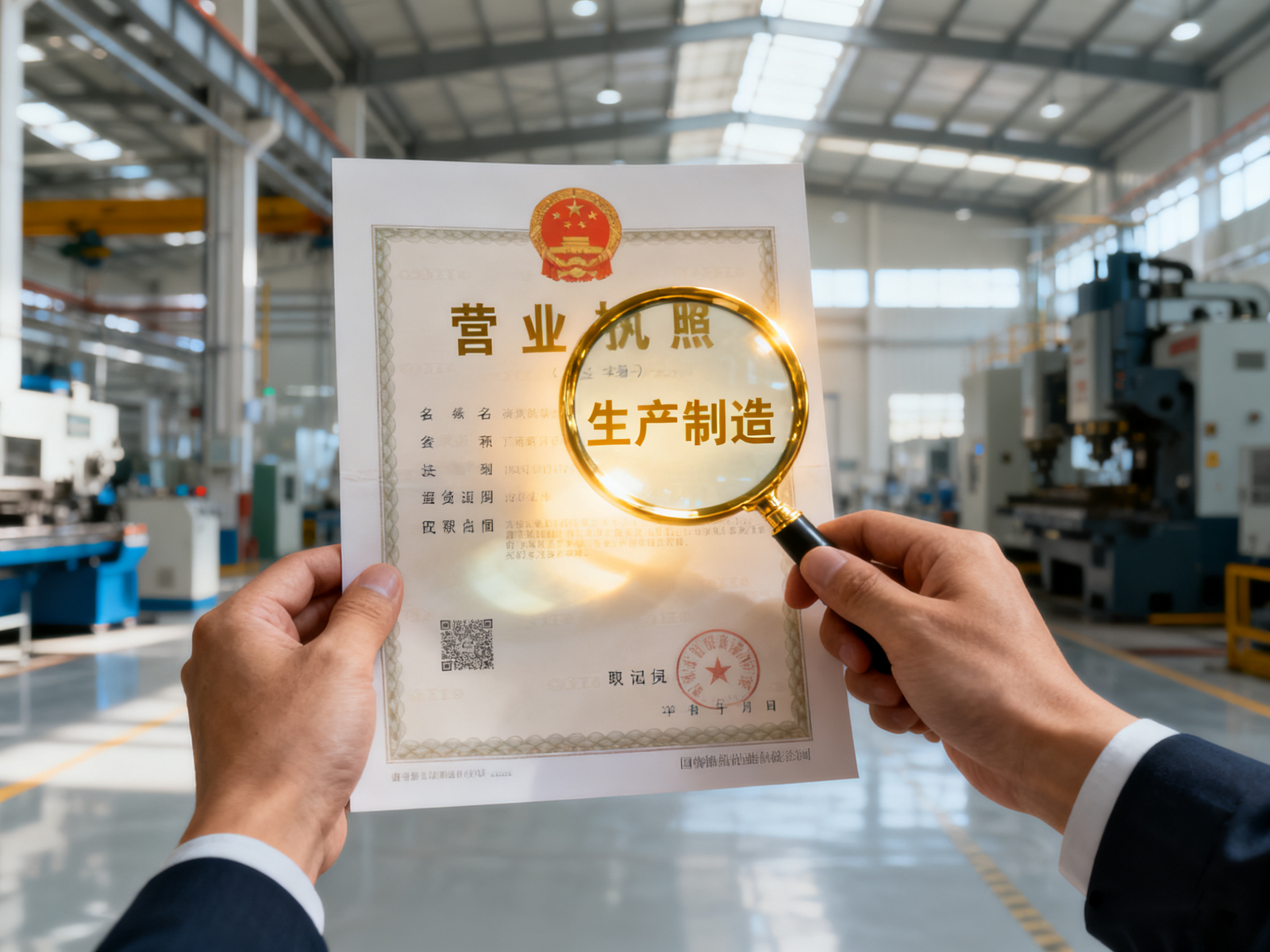
Quality certifications are not just pieces of paper; they are evidence of a manufacturer's commitment to consistent processes and reliable output. For a procurement director like you, these certificates are a crucial tool for vetting potential suppliers and mitigating risks. They demonstrate that an independent body has audited the factory and confirmed that it meets international standards. Let's look at the key certifications and what they really mean for your undercarriage parts.
The Foundation: ISO 9001
ISO 9001 4 is the international standard for a Quality Management System (QMS) 5. It's the most widely recognized quality certification in the world. When a manufacturer like Dingtai is ISO 9001 certified, it means:
- Process Control: We have defined and documented procedures for every step, from how we handle your initial inquiry to how we pack and ship your final order.
- Consistency: Our goal is to make every track roller and drive sprocket to the same high standard, every single time. The ISO 9001 framework helps us achieve that.
- Continuous Improvement: The system requires us to constantly monitor our processes, gather feedback, and find ways to improve. We are audited regularly to ensure we maintain these standards.
- Traceability: If a problem ever occurs, our system allows us to trace the part back through the production process to identify the root cause.
Verifying a Certificate
Never just accept a PDF of a certificate. You should always verify it. An authentic certificate will have a certificate number and the name of the accredited body that issued it (like SGS, TUV, or Bureau Veritas). You can usually go to the website of the issuing body and enter the certificate number to confirm its validity and scope.
Other Important Audits and Reports
While ISO 9001 is the foundation, other documents provide more specific proof of quality.
| Certification / Report | What It Signifies for You | Why It's Important |
|---|---|---|
| ISO 9001:2015 | The factory has a robust Quality Management System. | Ensures process consistency and a commitment to quality. |
| SGS/TUV Audit Report | An independent third party has physically inspected the factory. | Provides an unbiased assessment of their facilities, equipment, and production capacity. |
| Material Certificates | Proof of the chemical composition and grade of the raw steel used. | Guarantees that the parts are made from the specified material (e.g., 40Cr, 50Mn steel). |
| Heat Treatment Report | Data showing the hardness and case depth achieved during heat treatment. | Confirms the parts have the required durability and wear resistance for heavy-duty use. |
Asking for and verifying these certifications is not about being difficult; it's about being diligent. A professional manufacturer will be proud to share this information. It shows they are confident in their processes and transparent in their operations. If a supplier is hesitant or makes excuses, it's a serious red flag.
How do I assess a supplier's technical expertise and engineering capabilities?
I've had calls where a buyer asks a technical question, and the salesperson has no idea what to say. They have to ask an engineer and call back. It wastes time and doesn't inspire confidence.
In my experience, you can quickly assess technical depth by asking specific questions about material composition and heat treatment processes. A true manufacturer's representative, not just a salesperson, should be able to discuss steel grades like 40Cr or 50Mn and explain their quenching and tempering methods.

For high-wear components like excavator undercarriage parts, the manufacturer's technical and engineering strength is just as important as the physical factory. The right materials and precise manufacturing processes determine the product's service life and reliability. A supplier who can't speak your technical language is a risk. You need a partner who can understand your requirements, solve problems, and provide reliable technical support. Here’s how you can dig deeper to assess their true capabilities.
Go Beyond the Sales Pitch
A good salesperson can sell anything, but they can't fake deep technical knowledge. Your goal is to get past the sales team and talk directly to their technical staff or engineers.
Key Technical Questions to Ask
Prepare a list of specific, technical questions. A knowledgeable representative from a real manufacturer should be able to answer these without much hesitation. If they constantly have to "check with the engineer," it's a sign that you are talking to a trader or a very junior salesperson.
Here is a checklist of questions you can adapt:
- Raw Materials:
- What specific steel grade do you use for your track rollers? (e.g., 50Mn, 40Mn2).
- Can you provide a Mill Test Certificate (MTC) 6 for the raw steel you use?
- How do you verify the quality of incoming raw materials?
- Manufacturing Processes:
- What type of forging process do you use for your track links? (e.g., die forging).
- Can you describe your heat treatment process for drive sprockets? What quenching medium do you use?
- What is the target surface hardness (HRC) and effective case depth for your idlers?
- Compatibility and Customization:
- Our machines operate in a highly abrasive, rocky environment. Can you recommend any material or design modifications for longer life?
- We need parts for a Komatsu PC400. Can you confirm your parts meet or exceed OEM specifications 7 for this model?
- Can you provide detailed engineering drawings for our review before we place an order?
The Importance of R&D
A leading manufacturer doesn't just copy OEM parts; they invest in Research and Development (R&D) 8 to improve them. Ask about their R&D team.
- How many engineers do you have on your technical team?
- Can you share a case study where you developed a custom solution for a client with unique working conditions?
- What kind of testing equipment do you have in your lab? (e.g., spectrometers, hardness testers, tensile testers).
The table below shows the difference between a technically proficient manufacturer and a less capable supplier.
| Area of Expertise | Strong Technical Manufacturer (like Dingtai) | Weak Supplier / Trading Company |
|---|---|---|
| Material Science | Can discuss specific steel grades and their properties. | Vague answers like "high-quality steel." |
| Heat Treatment | Can explain their quenching, tempering, and induction hardening processes. | Refers to it as just "heat treatment" with no details. |
| Problem Solving | Offers technical solutions and suggestions for specific applications. | Can only offer standard products from a catalog. |
| Team Access | Willing to arrange calls with their engineering team. | Tries to keep engineers away from customers. |
A supplier who can confidently and accurately answer these questions is more than just a vendor; they are a potential technical partner for your business.
What questions should I ask about their production process and quality control?
I believe that you can't inspect quality into a product at the end; you have to build it in from the very start. A supplier's promises mean nothing without a strong process to back them up.
I always advise my long-term clients to ask this: "Can you walk me through your quality control checkpoints, from raw material inspection to final packaging?" A reliable manufacturer will have a clear, multi-stage process, not just a final check. This is how you ensure consistent quality in every shipment.
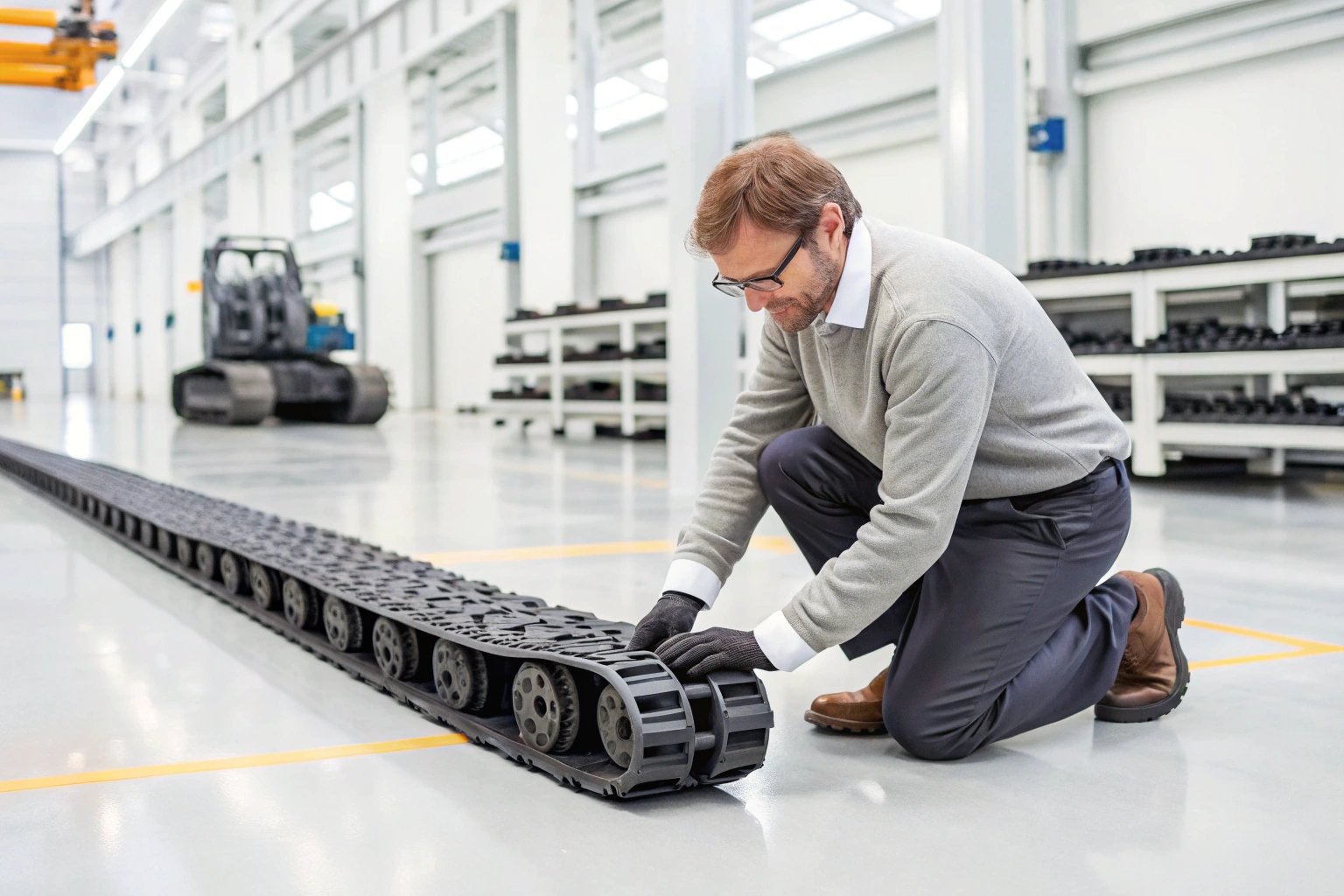
Understanding a manufacturer's production and quality control (QC) processes 9 is essential for ensuring you receive parts that meet your specifications batch after batch. A great sample doesn't guarantee a great bulk order. The key is a robust, documented system that catches deviations before they become defects. As a buyer, you have the right to know and question this system. A transparent and confident manufacturer will be happy to explain their processes in detail.
From Raw Material to Finished Product
A well-structured production process is logical and has built-in checks. You should ask the supplier to describe their entire workflow. It typically includes steps like:
- Raw Material Inspection: How do they verify that the incoming steel meets the required grade and is free from defects? Do they use a spectrometer?
- Forging/Casting: This process shapes the metal. What controls do they have to ensure dimensional accuracy and prevent cracks?
- Rough Machining: Preparing the part for heat treatment.
- Heat Treatment: This is one of the most critical steps for undercarriage parts. It determines the part's hardness and wear resistance. Ask for details about their methods (e.g., induction hardening, quenching, tempering).
- Finish Machining: Machining the part to its final, precise dimensions.
- Assembly: Assembling components like rollers and idlers.
- Painting and Marking: Applying a protective coating and part numbers.
- Final Inspection and Packaging: The last check before the parts are prepared for shipment.
Drilling Down on Quality Control
A simple "we have a QC department" is not enough. You need to understand how and when they check for quality. A comprehensive QC plan is a sign of a mature manufacturer.
Here are key QC questions:
- QC Checkpoints: At how many stages of production do you perform quality checks?
- Documentation: Do you document the results of these checks for every batch? Can we get a copy of the QC report for our order?
- Testing Equipment: What kind of testing equipment do you use? (e.g., Coordinate Measuring Machine (CMM), Rockwell hardness testers, magnetic particle inspection for cracks).
- Traceability: If we find a defective part, can you trace it back to a specific production batch and raw material lot?
- Handling Defects: What is your process if a part fails a QC check during production? Is it reworked or scrapped?
The table below outlines a typical multi-stage QC process that we follow at Dingtai, which you can use as a benchmark.
| Production Stage | Key QC Action | Purpose |
|---|---|---|
| 1. Raw Material Arrival | Spectral analysis and dimensional checks. | To ensure the steel is the correct grade and size before production begins. |
| 2. After Forging | Visual and dimensional inspection for cracks and shape. | To catch major defects early in the process. |
| 3. After Heat Treatment | Hardness testing (HRC) and case depth measurement. | To verify the part will have the required wear resistance and strength. |
| 4. After Final Machining | Check all critical dimensions against engineering drawings using CMM or calipers. | To guarantee perfect fitment and compatibility with the machine. |
| 5. Final Inspection | 100% visual inspection of finished parts before packaging. | To check for any surface defects, paint quality, and correct part marking. |
Starting with a small trial order is also a great way to test everything you've discussed. It allows you to see their product quality, communication, and reliability firsthand before committing to a larger volume.
Conclusion
Finding a true manufacturer in China is about diligent verification, not just trust. By checking licenses, analyzing capabilities, and asking the right questions, you can secure a reliable, long-term partner.
Footnotes
1. Learn about the core concepts of managing a global supply chain. ↩︎
2. Official Chinese government portal for verifying business registration information. ↩︎
3. See how third-party audits can verify a manufacturer's claims and capabilities. ↩︎
4. The official overview of the ISO 9001 family of quality management standards. ↩︎
5. A detailed explanation of what a Quality Management System entails. ↩︎
6. Understand the importance of a Mill Test Certificate in verifying raw material quality. ↩︎
7. A clear definition of Original Equipment Manufacturer (OEM) specifications. ↩︎
8. Explore the financial and strategic importance of corporate R&D. ↩︎
9. An overview of the fundamental steps in a standard quality control process. ↩︎
10. Learn what a CMM is and how it ensures precise dimensional accuracy. ↩︎