
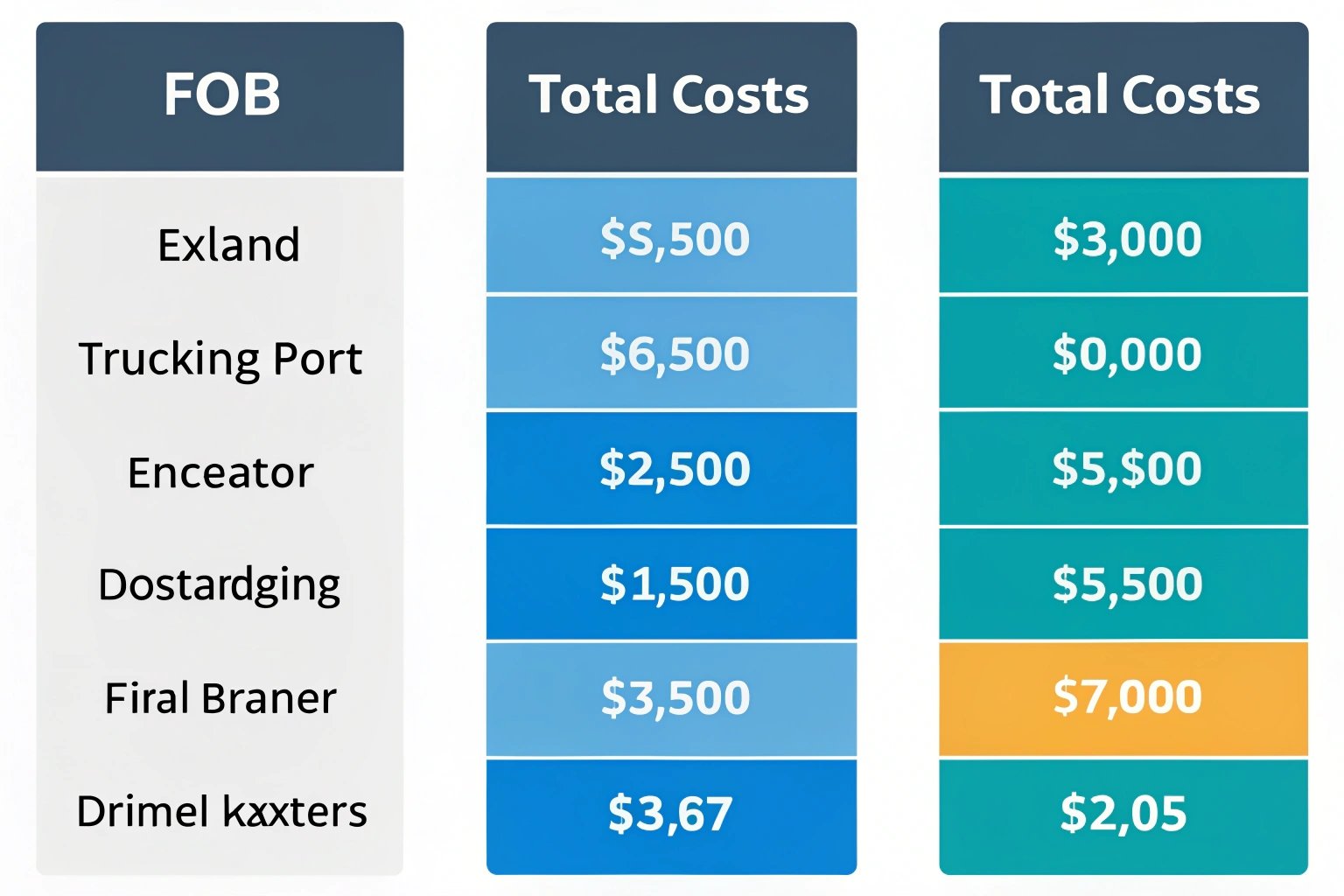
Are you confused by shipping terms like FOB, CIF, or EXW? I was, too. Understanding them is key, or you might pay much more than you expected for your parts.
These terms define who pays for shipping and when the risk transfers from me, the seller (Dingtai), to you, the buyer. They directly impact your total cost for excavator parts, not just the invoice price.
These terms are called Incoterms 1. They are official rules used in international trade 2. Choosing the wrong one can lead to surprise bills and big delays. Let's break down what each one means for you.
If my price is FOB, what additional costs am I responsible for?
Have you seen a great FOB price but wondered what else you have to pay? It's a common question. It seems flexible, but you need to know exactly what you are signing up for.
As a buyer, I found that an FOB price means I am responsible for the sea freight, insurance, and all costs after the parts are on the ship. The seller just gets them to the port and handles export customs.
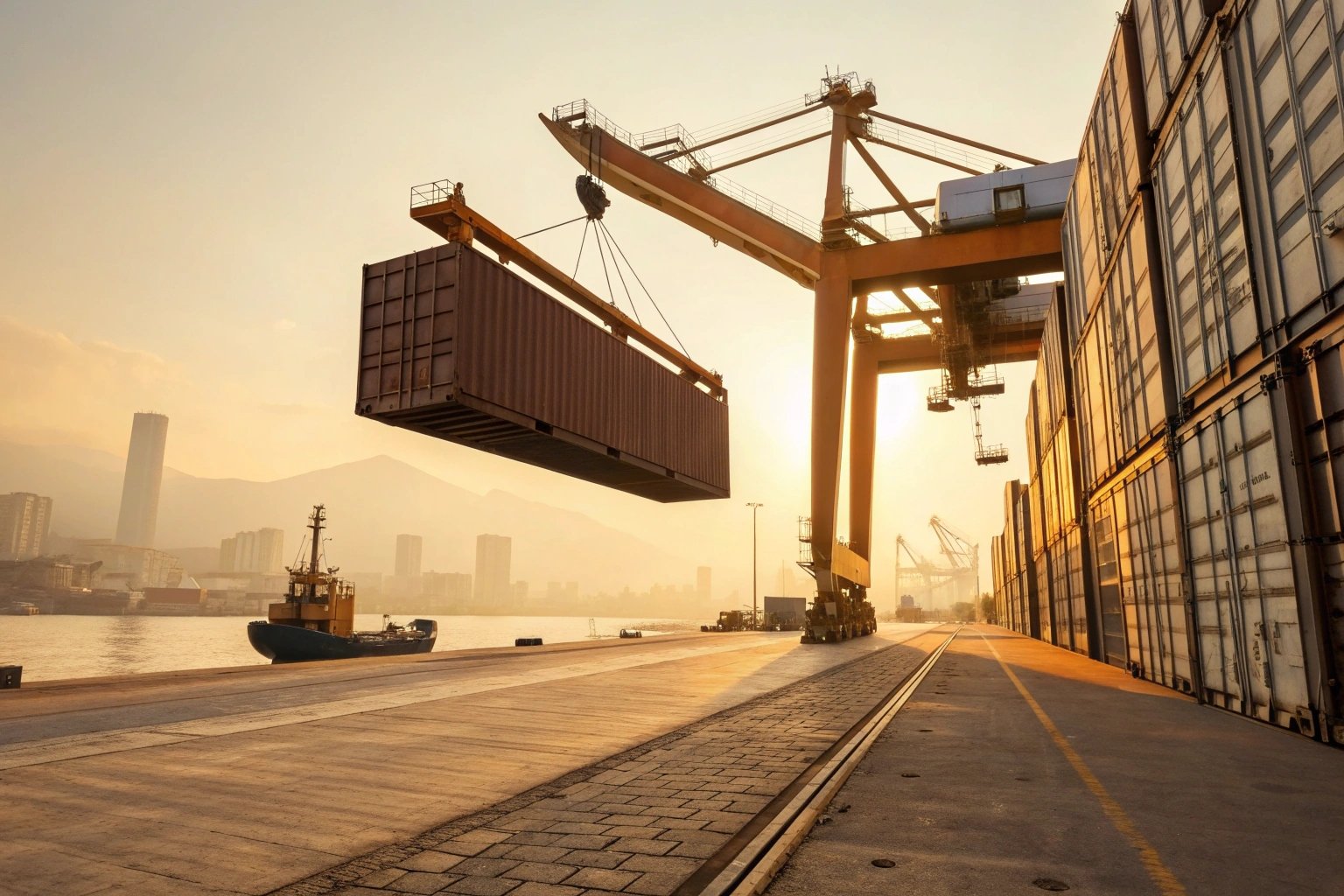
FOB stands for "Free On Board 3." This is one of the most common terms in international trade, especially for heavy cargo like undercarriage parts 4. It offers a good balance of responsibility between the buyer and the seller.
When I, as the manufacturer, give you a price "FOB Xiamen Port," it means my price includes:
- The cost of the track rollers, idlers, or other parts.
- The cost of transporting the goods from our factory in Quanzhou to the Xiamen port.
- All the costs for clearing the goods for export 5 out of China.
- The costs of loading the container onto the shipping vessel.
Where Your Responsibility Begins
Once those heavy undercarriage parts are loaded onto the ship, my (the seller's) responsibility ends. At that exact moment, the risk and all future costs transfer to you.
Your responsibilities under FOB include:
1. Ocean Freight: You must hire and pay for the shipping company (the freight forwarder 6) to transport the container from the origin port (like Xiamen) to your country's port.
2. Marine Insurance: You must buy insurance for the goods 7 during the sea journey. If the ship sinks or the container is damaged, this is your protection.
3. Destination Costs: All costs at the arrival port. This includes unloading fees, port charges, and import customs clearance 8.
4. Import Duties & Taxes: You pay all tariffs and taxes required by your government.
5. Inland Transport: You arrange and pay for a truck to take the container from your port to your warehouse.
Why I Sometimes Prefer FOB
For me, FOB is a great choice if I already have a good freight forwarder I trust. When I use my own forwarder, I can control the shipping cost and the arrival time better. I can ask my forwarder to compare prices from several shipping lines. This helps me save on the total cost in the long run. It gives me control over the most expensive part of the journey.
Here is a simple breakdown of the cost split:
| Cost Item | Seller (Dingtai) Pays | Buyer (You) Pays |
|---|---|---|
| Parts Production | Yes | No |
| Transport to Origin Port | Yes | No |
| Export Customs Fees | Yes | No |
| Loading onto Ship | Yes | No |
| Ocean Freight | No | Yes |
| Marine Insurance | No | Yes |
| Destination Port Fees | No | Yes |
| Import Duties & Taxes | No | Yes |
| Transport to Your Warehouse | No | Yes |
Does a CIF price include all costs to get the product to my nearest port?
Seeing a CIF price can feel like a relief. It seems simple, right? The seller handles almost everything. But does "to your port" mean you just pick it up with no other fees?
CIF is definitely less hassle for me. The seller handles the shipping and insurance to my port. While the unit price is higher, I don't have to worry about booking ships. But it does not include destination port fees or import taxes.
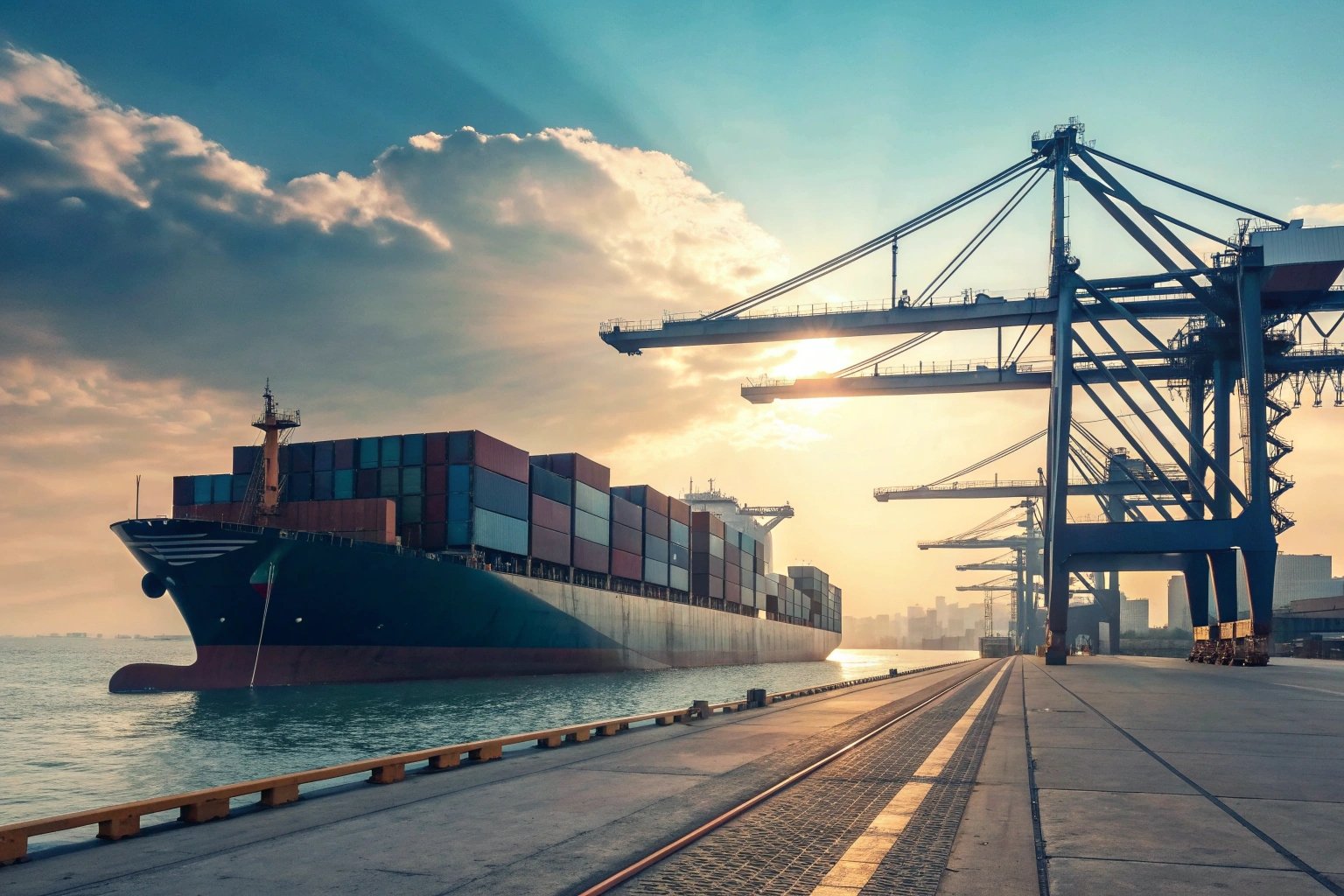
CIF stands for "Cost, Insurance, and Freight 9." This term means the seller pays for more of the journey. My price as a seller would include the cost of the parts, the insurance, and the ocean freight to get the container to your named destination port.
For example, a price "CIF Long Beach Port" means I (Dingtai) will pay for:
- The undercarriage parts.
- Trucking to the Xiamen port.
- Export clearance in China.
- Loading the container onto the ship.
- The ocean freight cost to sail from Xiamen to Long Beach.
- A minimum level of marine insurance for your goods.
The "Hidden" Costs of CIF
The key phrase here is "to your nearest port." The seller's price covers the shipping to the port, but it does not cover the unloading and handling at that port.
When the ship arrives, you are still responsible for:
1. Destination Terminal Handling Charges (THC) 10: These are the fees the port charges to unload your container from the ship. The seller’s freight forwarder sets these fees, and you have no control over them. They can sometimes be very high.
2. Import Customs Clearance: You must handle and pay for all the import paperwork.
3. Import Duties & Taxes: These are never included in a CIF price.
4. Inland Transport: You still need to hire a truck to get the container from the port to your final destination.
Another important point is the "I" for Insurance. Under CIF rules, the seller is only required to buy the minimum possible coverage. This minimum insurance (like "Free from Particular Average") might not cover all risks, such as water damage or parts shifting in the container. For high-value undercarriage parts, this minimum coverage might not be enough. If you want full "All-Risk" insurance, you must ask for it and likely pay extra.
When CIF Makes Sense
As a buyer, I find CIF is most suitable for me when I only buy parts sometimes. If I don't have a regular freight forwarder, it's easier to let the seller handle it. It means fewer communication steps and fewer chances for me to make a mistake in the booking process. It also makes it easier to calculate my total cost, even if the unit price is a bit higher.
Why might a seemingly cheap EXW price end up being more expensive for me?
EXW, or "Ex Works," always has the lowest price. It looks like a great deal. But I learned the hard way that this low price is just for the parts sitting at the factory door.
EXW looks cheapest, but it has the most hidden costs. The seller just gives me the goods at their factory. I have to arrange everything else: export in China, all shipping, and my own customs. If I don't know the process, the time and money costs add up fast.
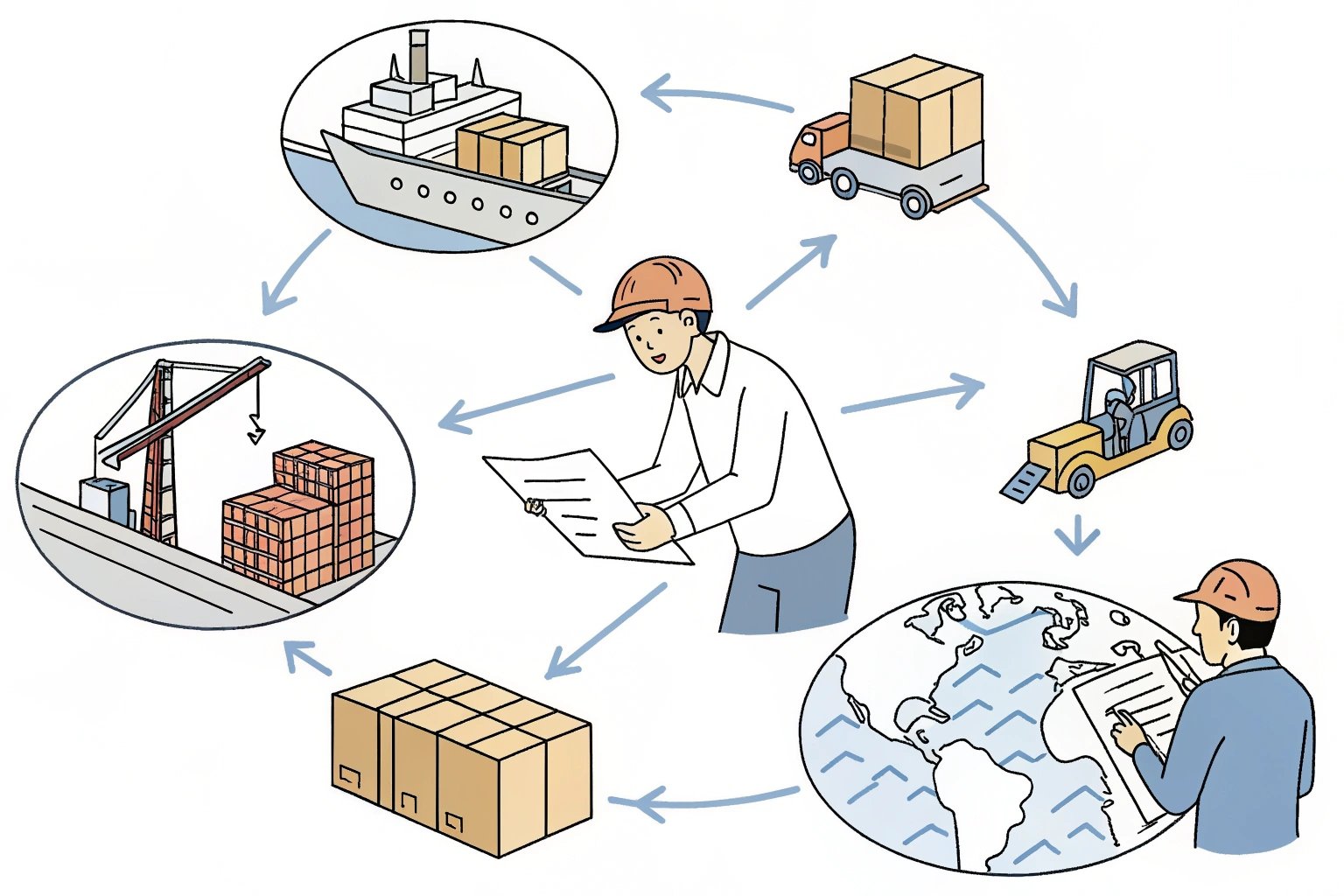
Ex Works is the term that gives the seller (me) the minimum possible responsibility. When I give you an EXW price, it literally just covers the cost of the parts, packed and waiting at my factory in Quanzhou.
From that point on, everything is your cost and your risk.
The Long List of EXW Costs
This "cheap" price does not include:
1. Loading: The cost to even load the container or parts onto the truck at my factory.
2. Inland Transport in China: You must hire a truck to move the parts from my factory to the port (e.g., Xiamen). For heavy items like undercarriage parts, this is a major cost.
3.s Export Customs Clearance: You or an agent you hire must handle all the paperwork to legally export the goods from China. This is complex and a big risk for foreign buyers.
4. Origin Port Fees: All handling charges at the port in China.
5. Ocean Freight: You book and pay for the entire sea journey.
6. Insurance: You must buy 100% of the insurance coverage.
7. All Destination Costs: All fees at your arrival port, import duties, and final delivery to your warehouse.
The EXW Trap for Heavy Parts
The biggest risk for buyers like you (David Miller) is the inland transport and export clearance in the seller's country. You are trying to manage logistics in a country you may not be familiar with.
For excavator parts, this is a huge problem. These are not small boxes. They are heavy, oversized metal components. The cost of inland trucking in China for a full container of track chains or rollers is significant. If you don't have a reliable agent in China, you will be paying high prices for this service. If there are any problems with customs paperwork, your shipment is stuck, and it's your problem to solve.
The risk also transfers to you the moment the goods are at my factory door. If the truck you hired drops the pallet while loading it, that is your loss.
Here is how the responsibilities stack up:
| Task | Seller (Dingtai) Pays | Buyer (You) Pays |
|---|---|---|
| Make Goods Available at Factory | Yes | No |
| Load onto Truck | No | Yes |
| Truck to Origin Port | No | Yes |
| Export Customs Clearance | No | Yes |
| Origin Port Fees | No | Yes |
| Ocean Freight & Insurance | No | Yes |
| All Destination Costs | No | Yes |
Unless you are a large, experienced importer with your own logistics team in China, the EXW price is almost never the cheapest final cost.
Which trade term gives me the most control over my shipping and logistics?
When you are managing a large inventory of parts, control is just as important as cost. You need to know when your parts will arrive. So, which term lets you be the boss of your shipment?
For me, FOB gives the most control. I get to choose my own freight forwarder. This lets me compare shipping rates and, most importantly, manage the timeline. This control is how I save on total costs and keep my customers happy.
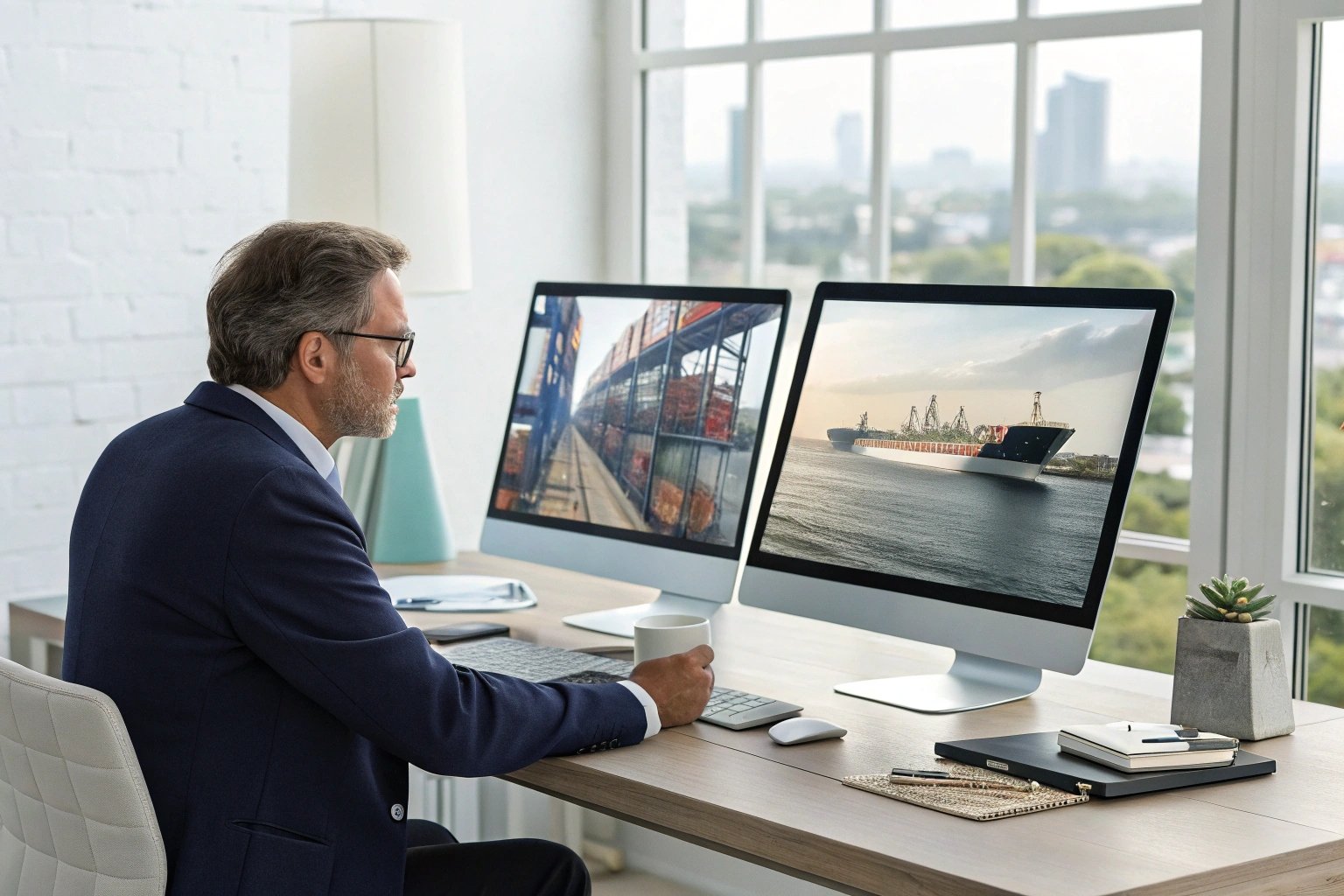
When you buy from us, managing your supply chain is critical. The trade term you choose directly impacts how much control you have over the schedule, the carrier, and the price of shipping.
Let's compare the three terms based on control.
EXW: Total Control, Total Headache
Ex Works gives you 100% theoretical control over the entire process. You choose the truck in China, the export agent, the shipping line, the insurance... everything.
However, this is usually too much control. It means you are also 100% responsible. You have to manage partners and processes in a foreign country. This high level of control comes with the highest level of risk and workload. It is only suitable for very large companies that have their own offices or dedicated agents in China.
CIF: Almost Zero Control
CIF is the opposite. You give all control to the seller (me). I choose the shipping line. I choose the insurance policy. You just wait for the boat to arrive.
The problem is that my goal might be to find the cheapest shipping for me, not the best or fastest shipping for you. I might use a slow shipping line to save money. The freight forwarder I use might then charge you very high destination and handling fees, and you have no power to negotiate them. You lose all control over scheduling and cost.
FOB: The "Sweet Spot" of Control
FOB is the perfect balance for most professional buyers.
Here’s why:
- You control the main cost: The ocean freight is the biggest variable cost. With FOB, you control it. You can have your preferred forwarder get quotes from three different shipping lines (like Maersk, COSCO, or MSC) and choose the one that offers the best balance of price and speed.
- You control the partner: You work with your freight forwarder, who speaks your language and acts in your best interest. If there is a problem, you call your local agent, not someone in China.
- You control the information: Your forwarder gives you direct updates on tracking and arrival times, which helps you manage your inventory.
- The seller handles the local part: You don't have to worry about inland China logistics. I, as the seller, am an expert at getting parts from my factory to the port. FOB lets me handle what I do best, and lets you handle what you do best.
Here is a final comparison table focused on control:
| Feature | EXW (Ex Works) | FOB (Free On Board) | CIF (Cost, Insurance, Freight) |
|---|---|---|---|
| Buyer's Control | Total | High | Low |
| Buyer's Workload | Very High | Medium | Low |
| Risk of Hidden Fees | Very High (in China) | Low | High (at destination) |
| Best For: | Experts with agents in China | Most professional buyers | New or occasional buyers |
For a purchasing director like David Miller, who values stability and technical details, FOB is almost always the best choice. It gives you control over your supply chain and costs, while leaving the origin-country logistics to a trusted manufacturer like us.
Conclusion
Choosing the right Incoterm (FOB, CIF, or EXW) is not a small detail. It directly impacts your final cost, your level of risk, and your control over the entire shipping process.
Footnotes
1. Official definitions of all international commercial terms. ↩︎
2. Overview of global trade regulations and practices. ↩︎
3. A detailed breakdown of FOB responsibilities for buyers and sellers. ↩︎
4. Guide to identifying different excavator undercarriage components. ↩︎
5. Understanding the export customs clearance process and documentation. ↩︎
6. What a freight forwarder does and how to choose one. ↩︎
7. Learn about the different types of marine cargo insurance. ↩︎
8. A step-by-step guide to the import clearance process. ↩︎
9. Detailed explanation of the CIF Incoterm and its risks. ↩︎
10. What THCs are and how they impact your final cost. ↩︎