
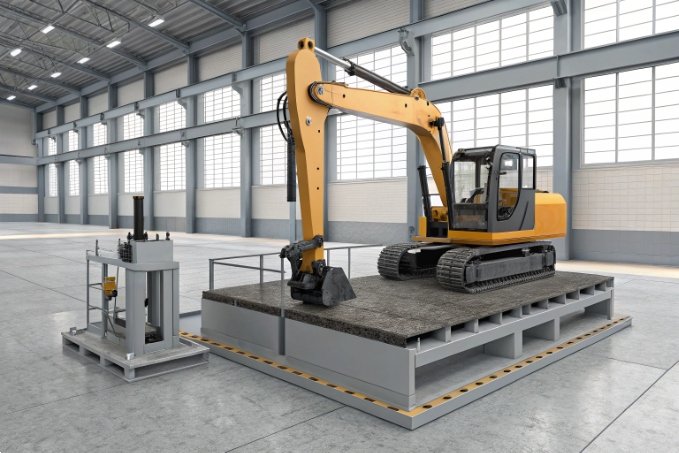
The mid-production inspection process is vital for ensuring quality and specification compliance 1 of excavator undercarriage parts 2 before final assembly and delivery.
This inspection process provides checks on part integrity, dimension compliance, and wear resistance, mitigating risks of defects and post-delivery failures.
How much advance notice do I need to give the factory for an inspection visit?
Timely communication 3 is crucial for smooth inspections.
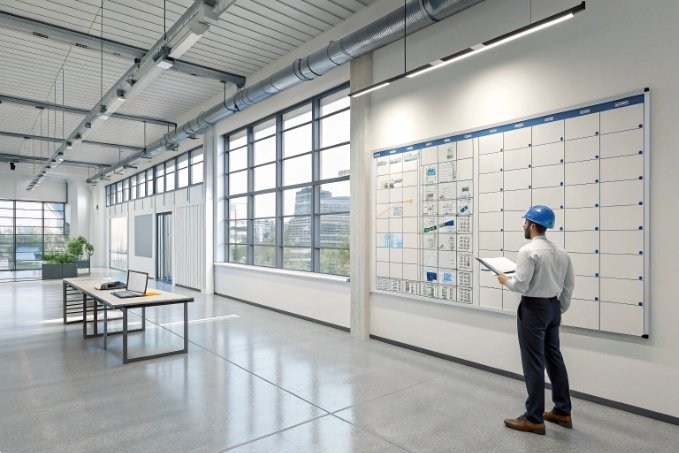
Typically, providing at least one to two weeks’ notice allows the factory to prepare necessary documentation, coordinate schedules, and ensure access to relevant production areas.
Factors to consider
- Scheduling: Ensuring smooth operations 4, even amid inspection.
- Documentation Prep: Time needed for preparation.
Notice requirements
| Consideration | Optimal Lead Time | Outcome |
|---|---|---|
| Scheduling | 1-2 Weeks | Coordination Ease |
| Documentation | Preparation Time | Inspection Efficiency |
Are there any factory rules or safety procedures my inspector needs to follow?
Compliance and safety 5 underline effective inspections.
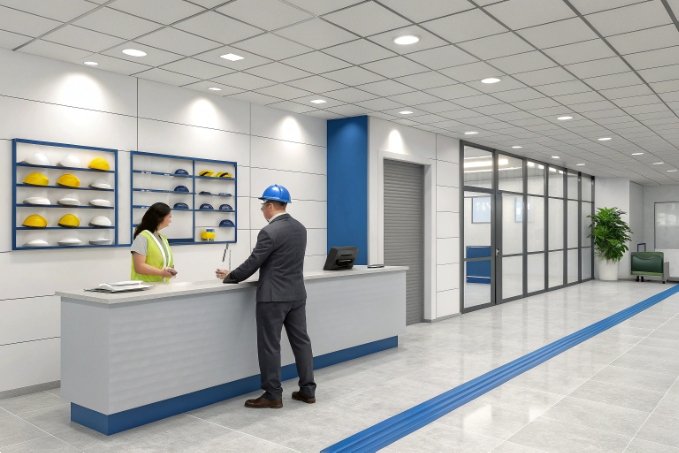
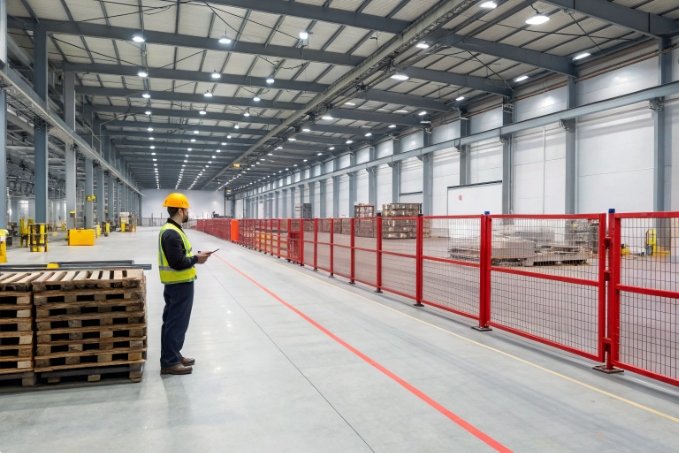
Inspectors must follow the factory's safety protocols, wear appropriate gear like hard hats and safety shoes, and adhere to site-specific rules to ensure a safe inspection process.
Safety essentials
- Personal Protective Equipment (PPE) 6: Hard hats, safety shoes required.
- Site Rules: Compliance with factory-specific guidelines 7.
Procedural adherence
| Rule | Requirement | Safety Assurance |
|---|---|---|
| PPE | Gear Up | Personal Safety |
| Compliance | Site Rules | Risk Reduction |
What should be the main focus of a mid-production check?
Identifying key inspection priorities.
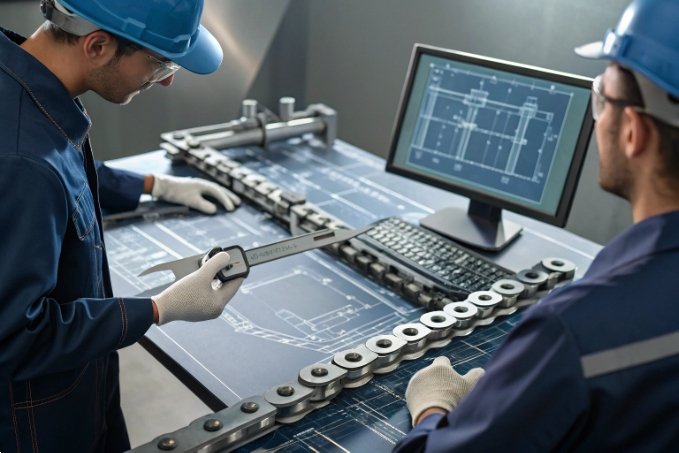
Focus areas include verifying dimensions against technical specifications, checking parts for any visual defects, and ensuring that the parts meet quality standards for critical components like track chains and rollers.
Inspection focal points
- Dimensional Accuracy 8: Ensures fitment and function.
- Quality Standards: Compliance with specifications.
Focus areas
| Aspect | Inspection Focus | Quality Assurance |
|---|---|---|
| Dimensions | Technical Specs | Fitment Accuracy |
| Visual Defects | Surface Check | Aesthetic and Functional Quality |
How should I handle it if the inspection reveals quality or production issues?
Prompt and clear action 9 mitigates risks.
If issues are discovered, promptly document these findings, communicate them with the factory, and agree on corrective actions and timelines to ensure the minimum impact on delivery schedules.
Problem-solving approach
- Documentation: Capture detailed inspection findings.
- Corrective Actions 10: Plan and implement resolution strategies.
Issue resolution
| Discovery | Action Step | Outcome |
|---|---|---|
| Issues Found | Document & Communicate | Timely Resolution |
| Corrective Plan | Agreement & Timeline | Delivery Assurance |
Conclusion
Mid-production inspections are critical for maintaining quality and specification adherence, enabling timely resolution of potential issues to uphold product standards for excavator undercarriage parts.
Footnotes
1. Learn how quality compliance impacts manufacturing success. ↩︎
2. Explore the components of excavator undercarriages. ↩︎
3. Best practices for factory and supplier communication. ↩︎
4. Strategies for maintaining operational efficiency during inspections. ↩︎
5. Overview of international factory compliance and safety standards. ↩︎
6. OSHA guide to Personal Protective Equipment in factories. ↩︎
7. Understanding the importance of adhering to site-specific rules. ↩︎
8. Technical guide on verifying dimensional accuracy in parts. ↩︎
9. How to manage quality control issues effectively. ↩︎
10. Implementing corrective action plans (CAPA) in manufacturing. ↩︎