
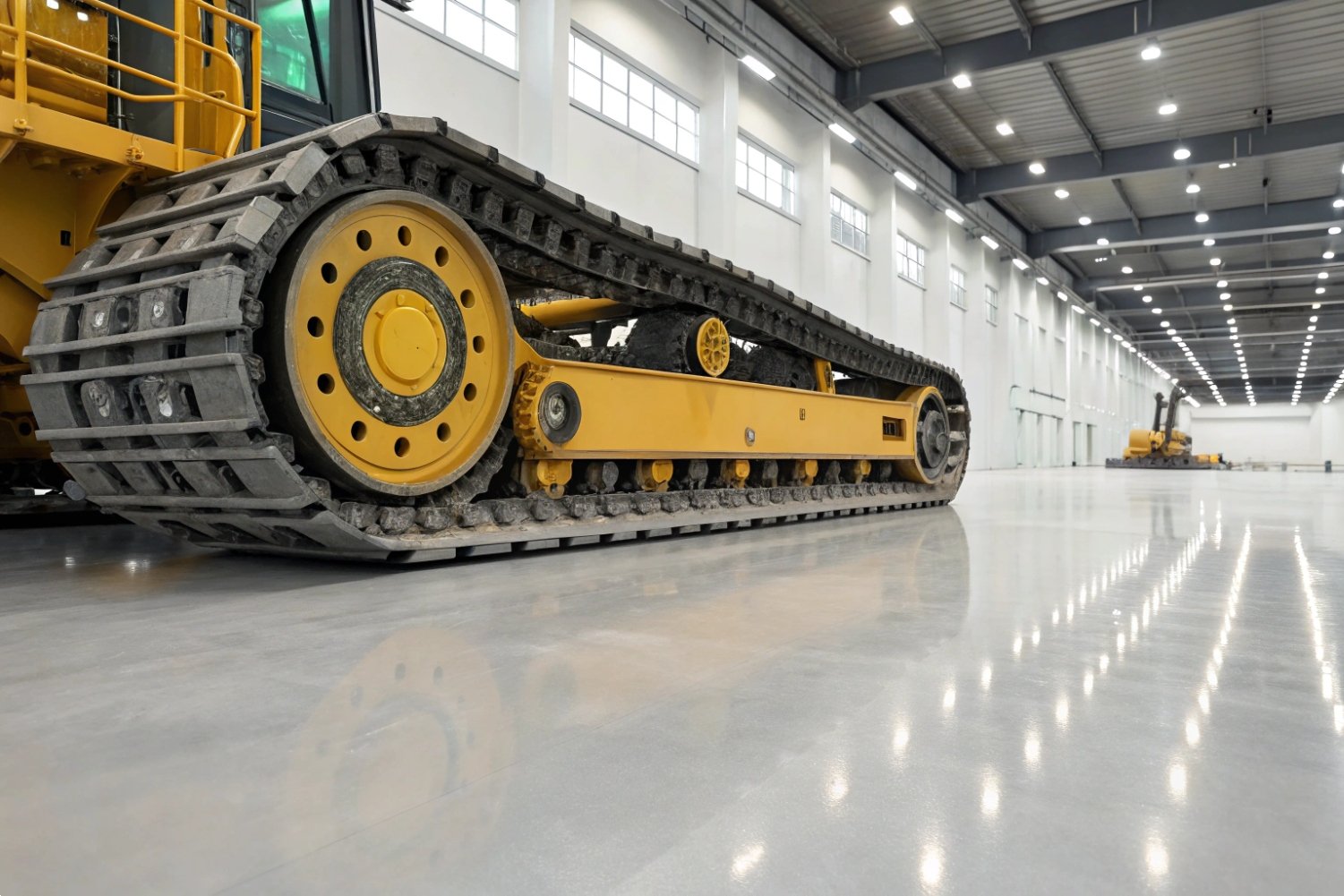
I know how frustrating it is when your excavator stops working because of a broken track. It wastes time and costs a lot of money, especially when you have deadlines to meet.
When evaluating excavator undercarriage parts, look for wear, damage, and correct alignment across all major components. Key indicators include sprocket tooth shape, roller seal integrity, track tension, and the hardness of wear surfaces to prevent downtime and costly repairs.
Buying the right parts is the only way to keep your machine running smoothly and avoid losing money on repairs. I want to help you understand what makes a part high-quality so you can choose wisely.
How can I verify the Rockwell hardness (HRC) depth on the wear surfaces of my rollers?
I once saw a customer buy cheap rollers that looked great but failed in three months. The problem was not the look, but the heat treatment depth which is invisible to the naked eye.
To verify Rockwell hardness (HRC) depth, check the manufacturer's heat treatment reports for induction hardening specs. Quality rollers usually have a surface hardness of HRC 50-56 and a depth of 5-10mm to ensure the part lasts through heavy friction.
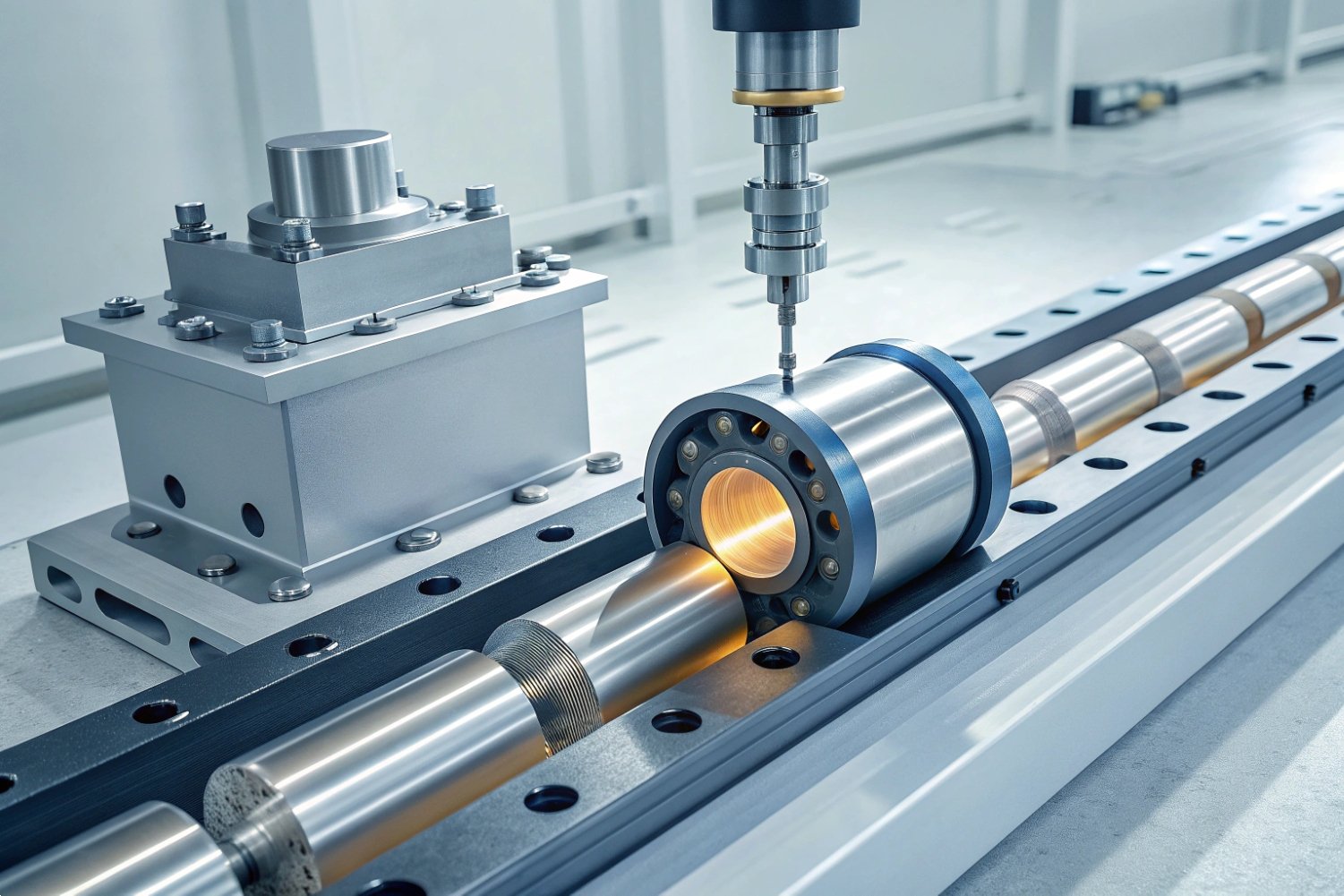
Why Heat Treatment Matters for Your Bottom Line
When we talk about the life of a roller, we are really talking about how deep the "hard" layer goes. If the hardening is only skin-deep, the roller will wear out as soon as that thin layer is gone. I always tell my clients that the material choice 1 is the root of everything. At Dingtai, we use high-strength alloy steel because it reacts best to the quenching process.
Using the right steel allows the heat treatment 2 to penetrate deep into the metal. This is critical because excavators work in mud, sand, and rocks. These materials act like sandpaper. If your roller is too soft, it will deform. If it is too hard but brittle, it will crack under the weight of the machine.
Understanding the Hardness Specifications
You should ask your supplier for a cross-section report. This report shows how hard the metal is at different depths. For most heavy-duty rollers, you want a consistent hardness level that does not drop off too quickly.
Comparison of Roller Material and Hardness
| Component Part | Common Material | Surface Hardness (HRC) | Hardening Depth |
|---|---|---|---|
| Roller Shell | 40Mn2 / 50Mn | 50-56 | 7mm - 12mm |
| Track Link | 35MnB | 52-58 | 5mm - 10mm |
| Sprocket | SCSiMn2H | 48-54 | 4mm - 8mm |
How to Inspect for Hardness Failures in the Field
If you are already using the parts, look for "mushrooming." This is when the edges of the roller start to flatten out and spread like a mushroom. This is a clear sign that the HRC level 3 is too low. On the other hand, if you see large chunks of metal flaking off (spalling), the part might be too hard and brittle. I suggest checking for these signs every week during your walk-around inspection.
What are the indicators of a high-quality weld on my excavator's track guard and idler frame?
I have spent many hours in our factory watching our technicians weld track guards. I learned that a bad weld is like a ticking time bomb for your undercarriage frame.
High-quality welds should be smooth, continuous, and free of "undercutting" or holes. Look for a uniform bead pattern and deep penetration into the base metal, as these joints must withstand the massive twisting forces of a 30-ton machine.
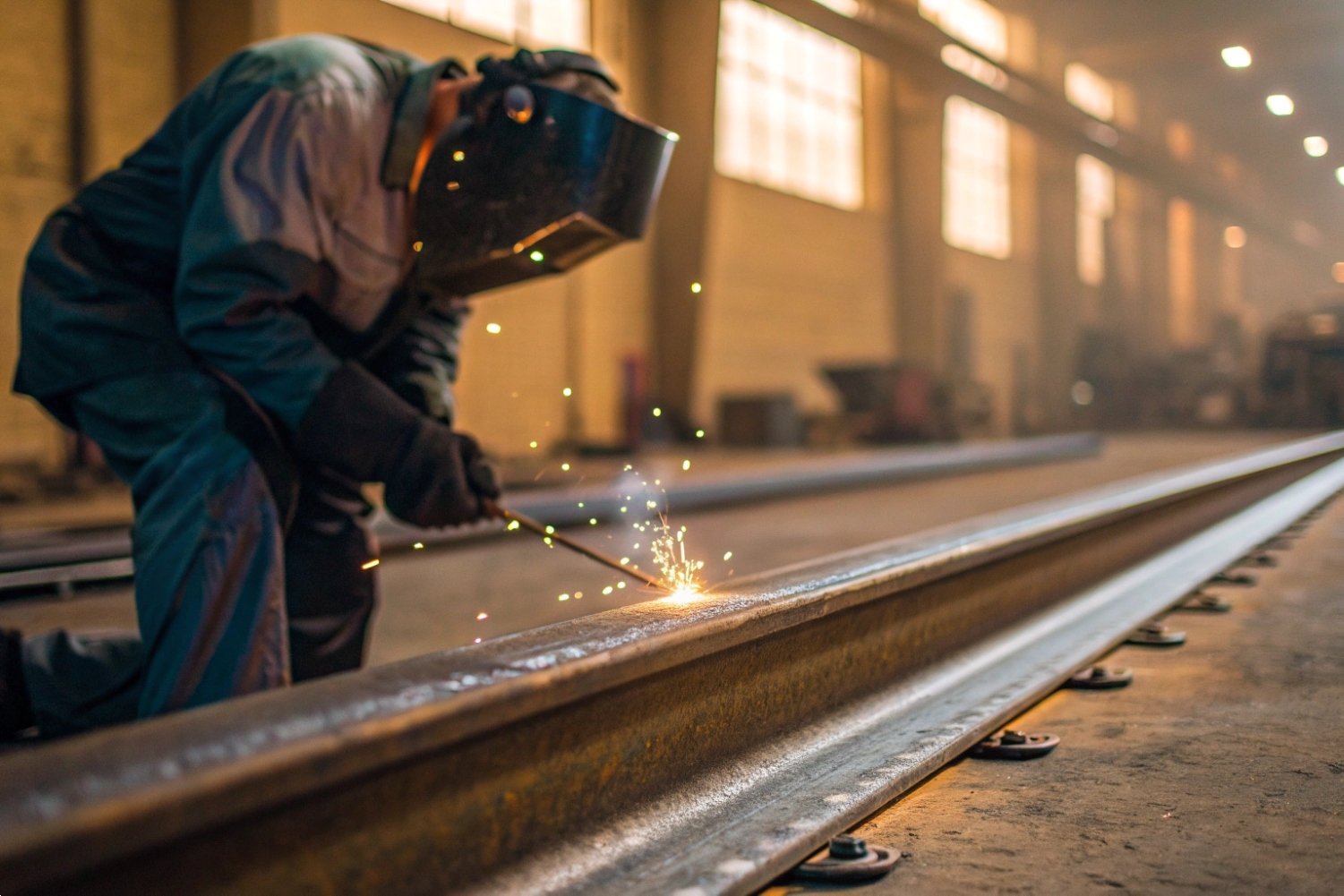
The Visual Signs of a Strong Weld
When you look at a track guard or an idler frame, the weld should look like a "stack of coins." This means the welder had a steady hand and the temperature was perfect. If the weld looks messy or has tiny holes (porosity), 4 it means gas got trapped inside. These holes make the weld weak. Under heavy loads, these tiny holes will turn into big cracks.
I always check the edges where the weld meets the steel. If there is a "groove" or a "ditch" at the edge, we call that undercutting. 5 This is a major failure point. It means the base metal was melted away but not replaced by the weld material. In a rocky environment, the vibration will snap that joint right at the undercut.
Manufacturing Standards for Frames
A professional manufacturer uses ISO 9001 6 standards to control their welding process. At our facility in Fujian, we use automatic welding machines for the main structures. This ensures that every piece is identical. Humans get tired, but machines don't. For a procurement manager like David, consistency is everything. You don't want the first part to be perfect and the tenth part to be trash.
Common Weld Defects and Impacts
- Porosity: Caused by dirty metal or wind during welding. Results in internal cracks.
- Lack of Fusion: The weld sits on top of the metal instead of melting into it. The part will fall off.
- Slag Inclusion: Waste material trapped in the weld. Weakens the structural integrity.
The Role of Stress Relieving
After welding heavy frames, high-quality shops often use heat to "relax" the metal. Welding creates a lot of internal tension. If you don't relieve that residual stress, 7 the frame might warp or crack later on. Ask your supplier if they perform any post-weld treatments. It shows they care about the long-term life of the part, not just making it look pretty for the sale.
How do I inspect the internal bushing surface for precision machining and lubrication grooves?
The internal parts of a roller are often ignored because you can't see them. But I know that what is inside is what keeps the roller turning.
Inspect internal bushings for a mirror-like finish and clean lubrication grooves. Precision machining ensures the bushing fits perfectly with the shaft, while deep, clear grooves allow oil to circulate and prevent the roller from seizing up.
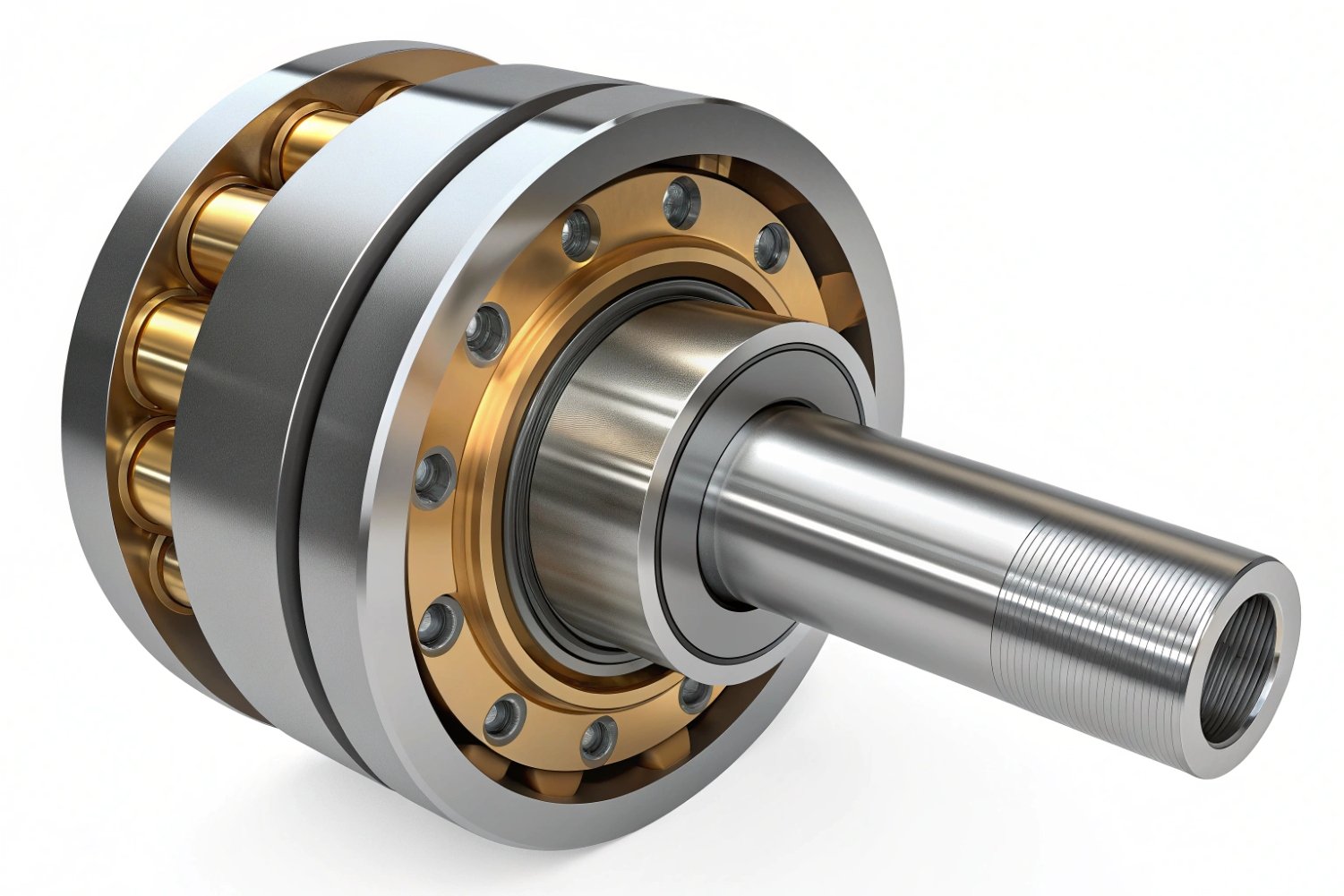
The Importance of Surface Finish
The bushing is where the metal shaft spins. If the surface is rough, it creates friction. Friction creates heat. Heat destroys seals. Once the seal fails, the oil leaks out, and the roller is dead. When I inspect our bushings, I look for a "surface roughness" 8 value. A lower number means a smoother surface. For B2B buyers, this precision is the difference between a part that lasts 2,000 hours and one that lasts 5,000 hours.
Lubrication Grooves: The Lifeline of the Roller
The lubrication grooves are like the veins in your body. They carry the oil to where it is needed most. If these grooves are too shallow or have burrs (sharp metal bits) from the machining process, the oil won't flow. I've seen rollers seize up simply because a tiny piece of metal blocked the oil path.
Bushing Material and Fit Table
| Feature | High-Quality Standard | Low-Quality Warning |
|---|---|---|
| Material | Bi-metal or Bronze Alloy | Cast Iron or Cheap Steel |
| Surface Finish | Polished/Mirror | Visible Machining Lines |
| Groove Design | Spiral or "X" pattern | Straight or Non-existent |
| Fit | Press-fit with specific tolerance | Loose or uneven fit |
Why Precision Machining Saves You Money
If the bushing is not machined to the exact millimeter, it will be "loose." A loose bushing causes the roller to wobble. This wobble puts uneven pressure 9 on the track links. Before you know it, you are not just replacing a roller; you are replacing the entire track chain. By choosing parts with precision-machined internals, you protect the rest of your undercarriage from "domino effect" damage.
Why is the material composition of my track shoes critical for preventing cracking in cold climates?
I once worked with a client in a very cold region who complained that his track shoes were snapping like glass. It was a painful lesson in why material chemistry matters.
Material composition, specifically the use of Boron and Manganese, is critical because it maintains the steel's "toughness" in cold weather. Without the right alloy mix, steel becomes brittle at low temperatures, leading to cracks when the shoes hit hard rocks.
The Science of Steel in the Cold
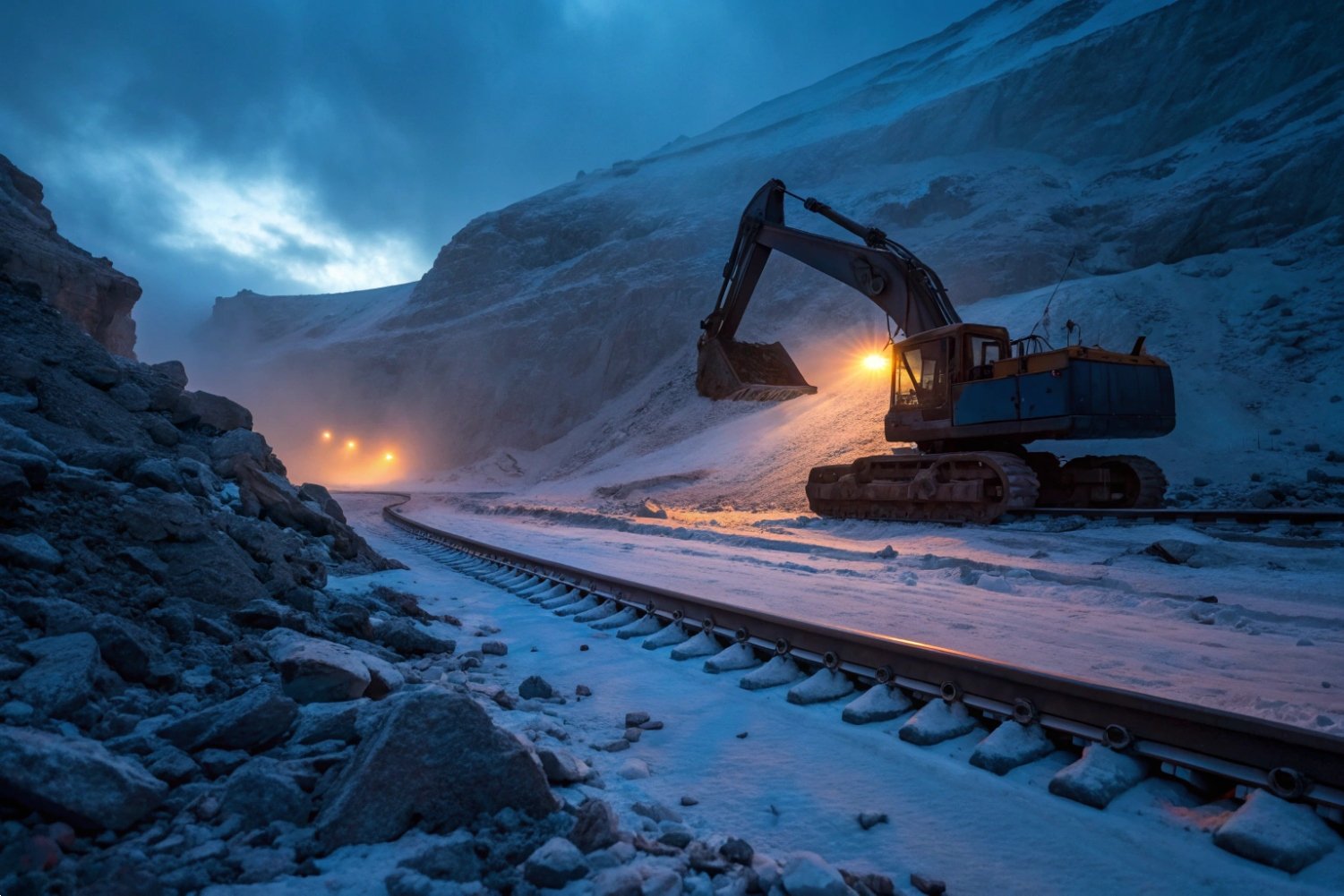
Standard carbon steel gets very brittle when the temperature drops below freezing. If your excavator is working in a mine in Canada or Northern Europe, you need specialized steel. We use 25MnB or 35MnB alloy steel. The "B" stands for Boron. 10 Boron helps the steel stay strong even when it is very cold. It prevents the "brittle fracture" that happens when a track shoe hits a frozen rock.
Manganese for Work-Hardening
Manganese is another "magic" ingredient. It allows the surface of the track shoe to get harder as it works. The more you use it, the tougher the surface becomes. This is perfect for undercarriage parts because they are constantly under pressure. However, the balance must be perfect. Too much Manganese can make the part hard to weld if a repair is needed.
Choosing the Right Shoe Width
Beyond the material, the shape of the shoe matters in different environments. I always advise my customers to use the narrowest shoe possible for their job.
- Narrow Shoes: Best for rocky ground. They don't bend as easily and put less stress on the bushings.
- Wide Shoes: Best for soft mud or swampy ground. They provide "flotation" so the machine doesn't sink.
- The Risk: If you use a very wide shoe on hard rock, the "wings" of the shoe will act like a lever and snap the bolts or the chain.
Impact of Chemical Elements on Performance
| Element | Purpose | Benefit for Undercarriage |
|---|---|---|
| Carbon (C) | Increases Hardness | Better wear resistance |
| Manganese (Mn) | Improves Toughness | Prevents cracking under impact |
| Boron (B) | Increases Hardenability | Uniform hardness throughout the part |
| Chromium (Cr) | Corrosion Resistance | Protects against rust in wet mines |
Conclusion
Choosing the right undercarriage parts requires looking past the paint. Focus on material chemistry, heat treatment depth, and precision machining to ensure your excavator stays productive and your costs stay low.
Footnotes
1. Explore how material selection impacts mechanical performance and durability. ↩︎
2. Detailed guide on heat treatment processes for strengthening industrial metals. ↩︎
3. Understanding the Rockwell scale and its application in hardness testing. ↩︎
4. Technical explanation of weld porosity and how to prevent it. ↩︎
5. How to identify and fix undercutting defects in structural welding. ↩︎
6. Official overview of the ISO 9001 quality management system standards. ↩︎
7. Analysis of residual stress and its impact on structural integrity. ↩︎
8. Comprehensive guide to measuring and interpreting surface roughness parameters. ↩︎
9. Best practices for excavator undercarriage maintenance to reduce wear. ↩︎
10. Scientific properties of Boron and its role in steel alloy hardenability. ↩︎