
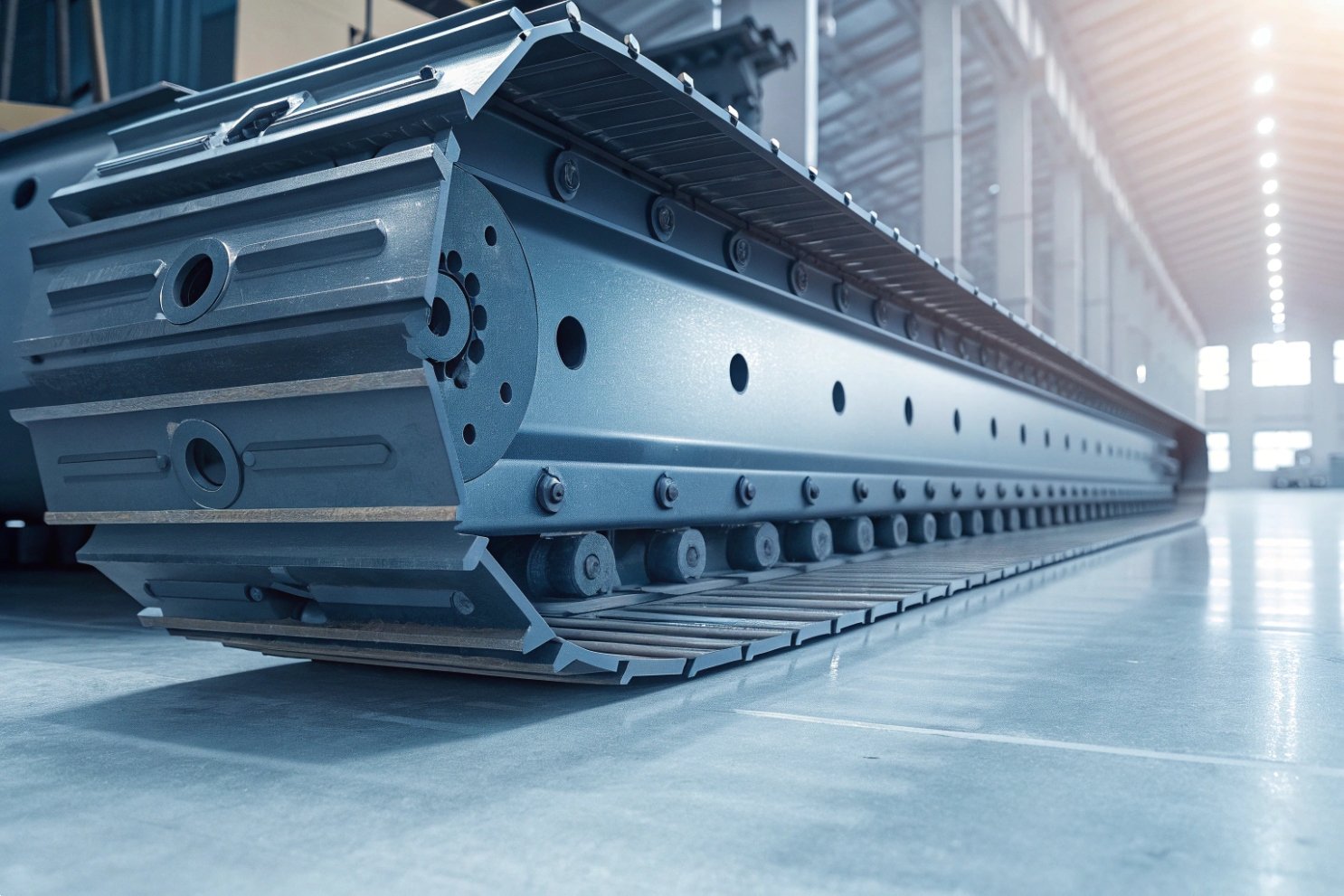
I've often been asked about the precision and standards behind the track guards we manufacture. Their robustness is critical for high-impact operations.
The track guards are designed using high-strength structural steel 1. Following OEM dimensional specifications 2 ensures proper fit and interchangeability, crucial for seamless integration. Additionally, the welding processes adhere to international standards 3, such as AWS, guaranteeing durability. Thickness meets or exceeds OEM specifications, enhancing impact resistance without compromising toughness.
Supporting content: Understanding the significance of material and design standards 4 provides insight into product durability. In our manufacturing, high-strength structural steel offers robust impact resistance. It's about balancing strength and wear resistance. Adhering to OEM standards makes installation straightforward and ensures compatibility with existing equipment.
What grade of steel are your track guards made from?
Many inquiries revolve around the grade of steel used 5 in our track guards, reflecting their importance in tough environments.
Our track guards are manufactured from high-grade carbon or alloy steel, such as Q345B or A36 equivalent. These materials are recognized for their strength and resilience, offering reliable performance in challenging areas. By integrating OEM dimensional standards 6, we ensure seamless compatibility with existing equipment to support robust operation.
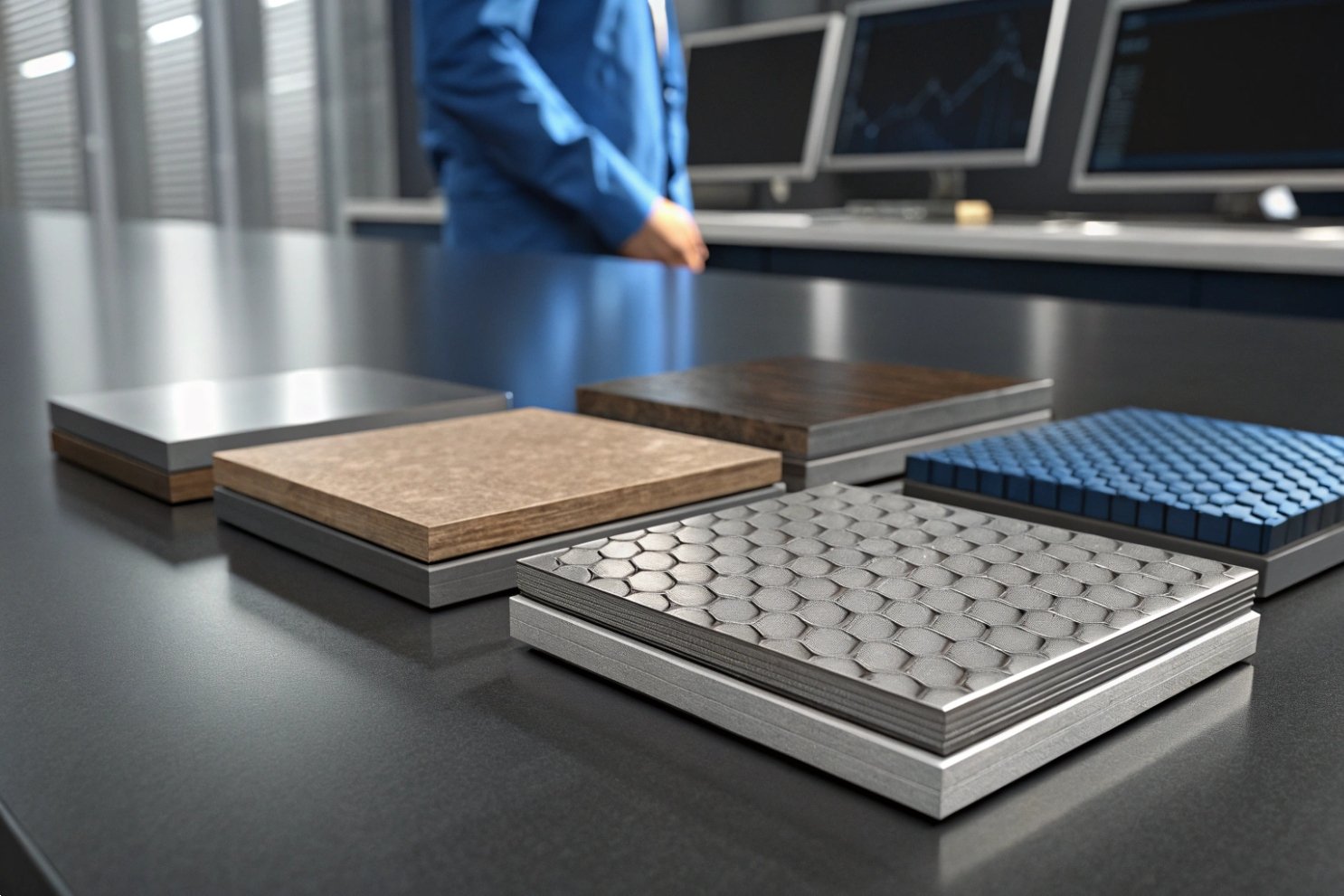
In-depth exploration: The steel grade choice is vital for durability and performance. Here's a brief look into the common steel grades:
| Steel Grade | Characteristics | Common Use |
|---|---|---|
| Q345B | High toughness and weldability | General construction |
| A36 | Malleable and ductile | Structural sections |
| AR400 | Abrasive-resistant | Extreme wear conditions |
Each grade varies in attributes, providing resistance to impact and wear. Our focus is on selecting steel capable of withstanding continuous operation 7, especially where abrasiveness challenges other materials. The track guard’s design benefits from strategic steel selection, ensuring both stability and longevity in harsh conditions.
Are they designed to be as strong as the OEM guards?
A frequent concern involves whether our track guards match the strength of OEM counterparts.
Our track guards are precisely engineered according to OEM standards 8, guaranteeing those specifications in strength and functionality. This ensures that they can withstand the same rigorous conditions as original parts without compromising performance. The design utilizes varying thickness in critical areas to enhance impact resistance further.
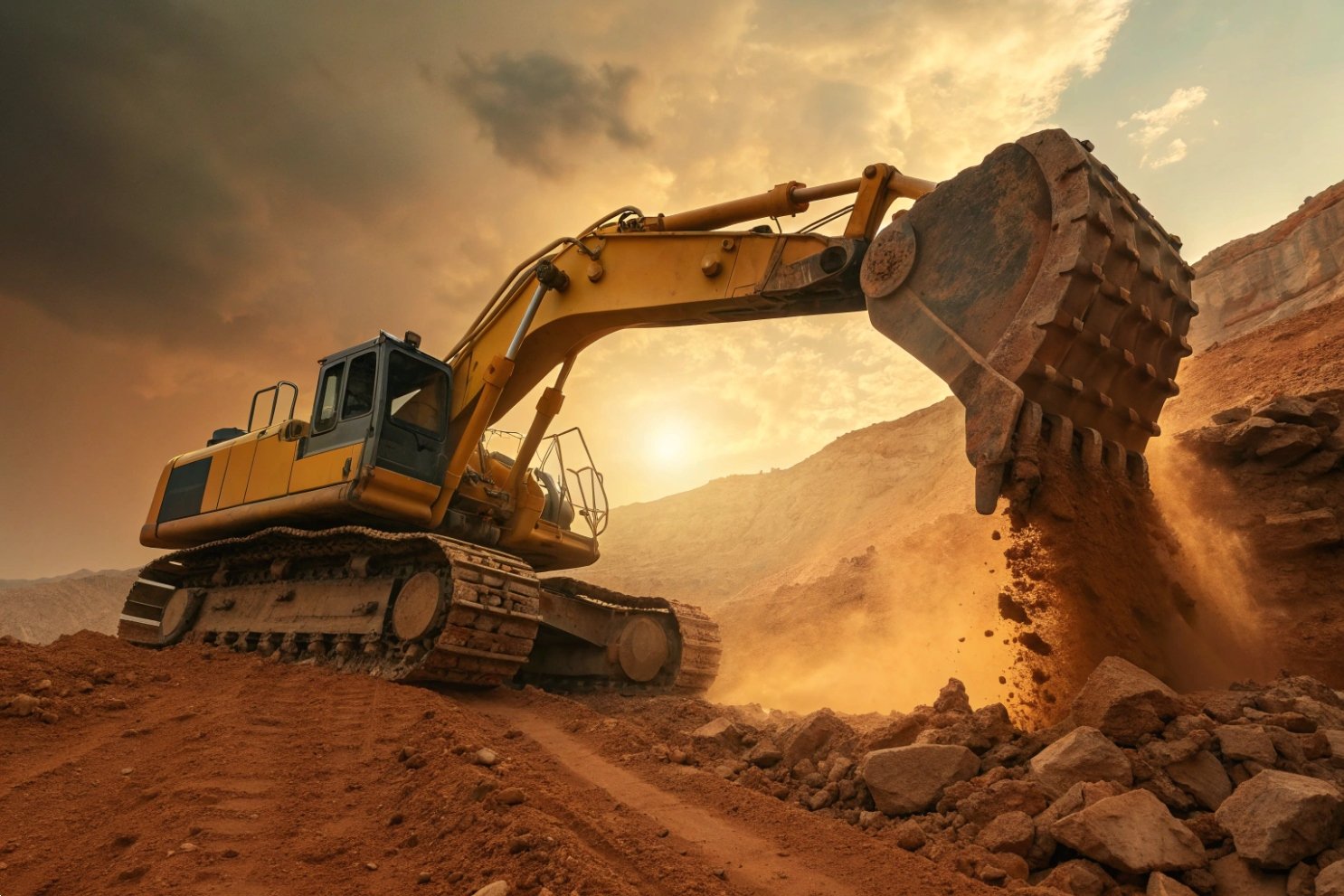
In-depth exploration: Engineered strength is a cornerstone of track guard design. They must perform effectively under stress. Below is a summary of design elements supporting this:
- Dimensional Match: Precise alignment with OEM measurements ensures consistent application.
- Thickness Specification: Engineered to withstand impact, featuring reinforced areas.
- Welding Processes: Adherence to AWS standards bolsters durability.
Every track guard's strength hinges on these considerations. By maintaining uniformity with OEM attributes 9, we ensure fit and effectiveness. This involves a complex interplay of engineering and material selection, ultimately providing a product capable of handling heavy-duty environments.
Can I order track guards for all the models you support?
Potential customers often inquire whether all supported models offer compatible track guards.
Yes, we offer track guards compatible across multiple models 10. Our comprehensive range fits various excavators and bulldozers, adhering to the designs and specifications for seamless integration. This ensures our clients receive efficient solutions tailored to their specific machinery needs.
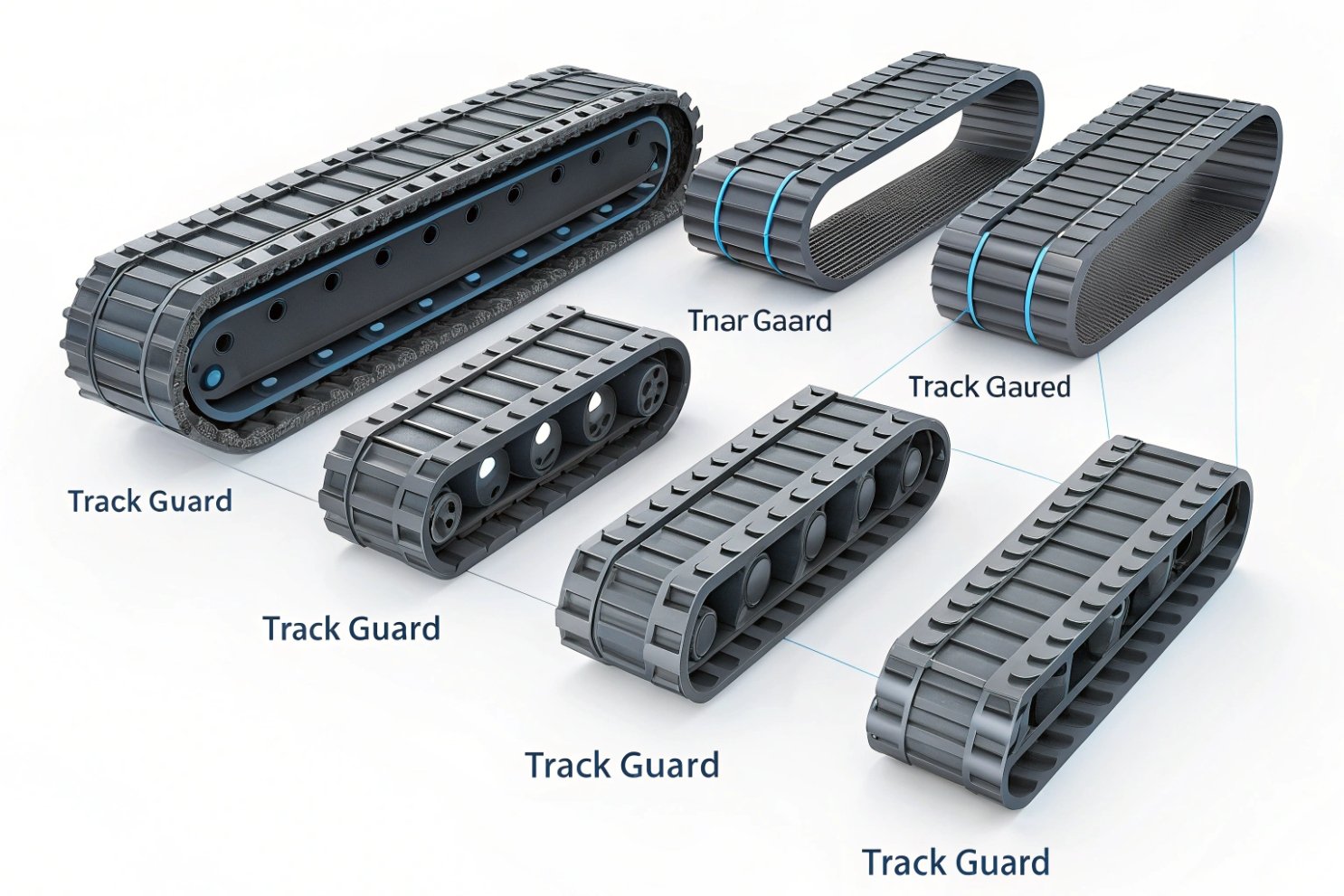
In-depth exploration: Supporting a range of models requires adaptation of designs. Here's how we manage this:
| Model Supported | Compatibility Features | Installation Ease |
|---|---|---|
| CAT 320D | Standard bolt pattern | Quick bolt-up |
| Komatsu PC220 | Reinforced brackets | Easy align and secure |
| Hitachi ZX250 | Frequent user-friendly options | Minimal installation tools |
This diversity exemplifies our commitment to comprehensive client support. Our design teams prioritize inclusive compatibility, ensuring that customers can obtain precise fitting parts for their equipment. By accommodating multiple models, we extend reliability and optimization across various environments.
Are bolts and hardware included with the track guards?
Ensuring complete installation often raises questions about whether necessary hardware comes bundled with our track guards.
Yes, we provide all necessary bolts and hardware alongside our track guards to simplify installation. This ensures users have everything required for prompt application. The bundled kits advocate seamless implement installation without needing additional parts or tools.
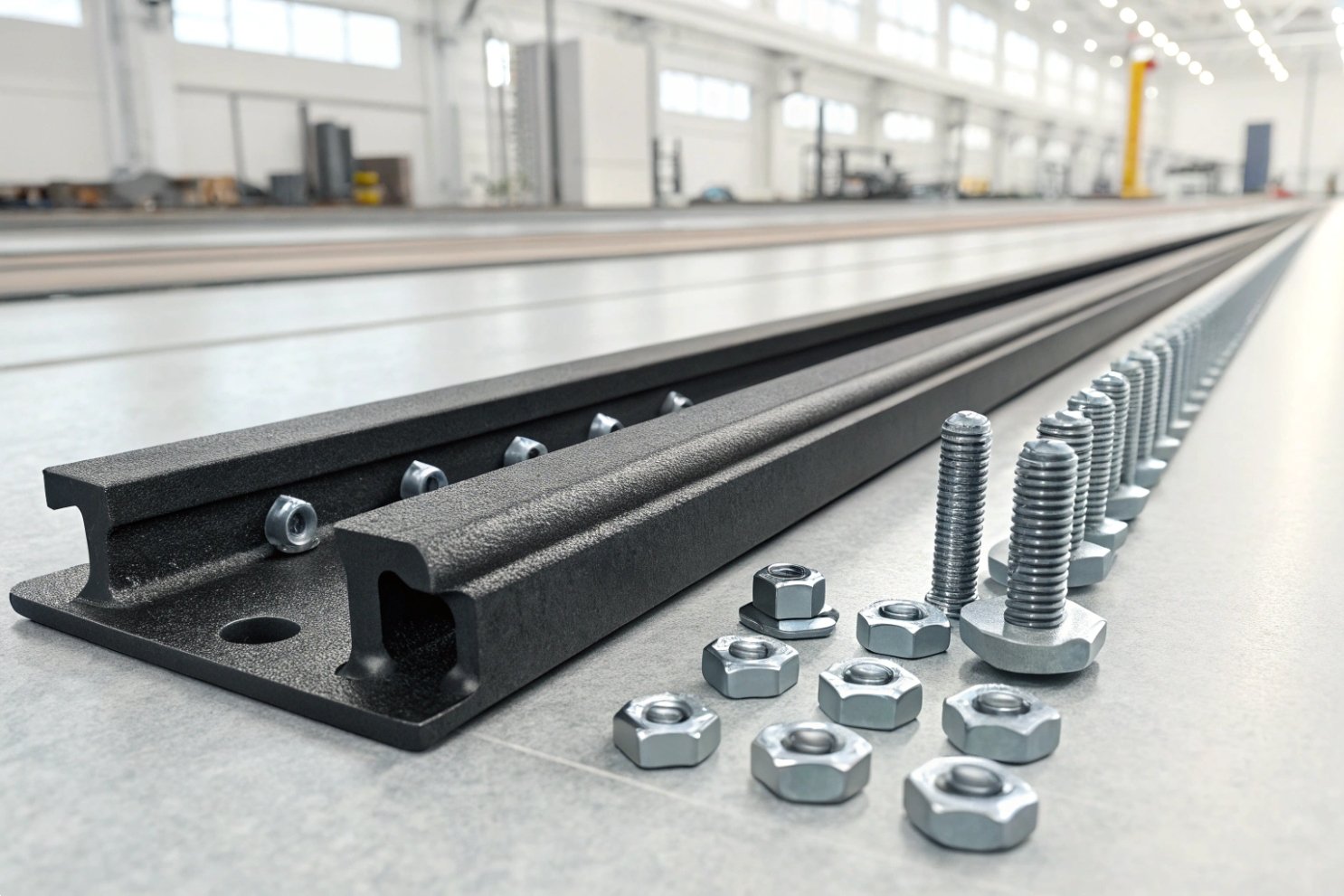
In-depth exploration: Including hardware with a purchase facilitates efficient installation and usage. Here's an overview of what's provided:
| Hardware Included | Benefit |
|---|---|
| High-strength bolts | Secure alignment |
| Washers | Prevent loosening |
| Nuts | Fasten components confidently |
Providing these components highlights our commitment to customer support. It simplifies installation, reducing downtime, enhancing setup efficiency, and enabling immediate use. This integration reflects our approach to streamlined operations, ensuring that clients maximize their equipment’s potential without hassle.
Conclusion
Effective track guards are critical for heavy machinery. By using high-strength steel and adhering to OEM standards, we ensure reliable performance across varied models.
Footnotes
1. Learn about the properties and applications of high-strength structural steel in construction. ↩︎
2. Understand SAE standards for dimensional specifications in automotive and heavy equipment. ↩︎
3. Explore the American Welding Society (AWS) standards that ensure high-quality, durable welds. ↩︎
4. Guide to ASTM standards, which define the quality and performance of materials and products. ↩︎
5. Information on the different grades and types of steel used in manufacturing and construction. ↩︎
6. Review the ISO standards that govern dimensional specifications for mechanical products. ↩︎
7. Strategies for maintaining equipment reliability and performance during continuous operation. ↩︎
8. Importance of adhering to OEM standards in procurement and supplier evaluation for critical parts. ↩︎
9. Definition and significance of Original Equipment Manufacturer (OEM) attributes in parts design. ↩︎
10. View examples of track guard product lines compatible with multiple heavy machinery models. ↩︎