
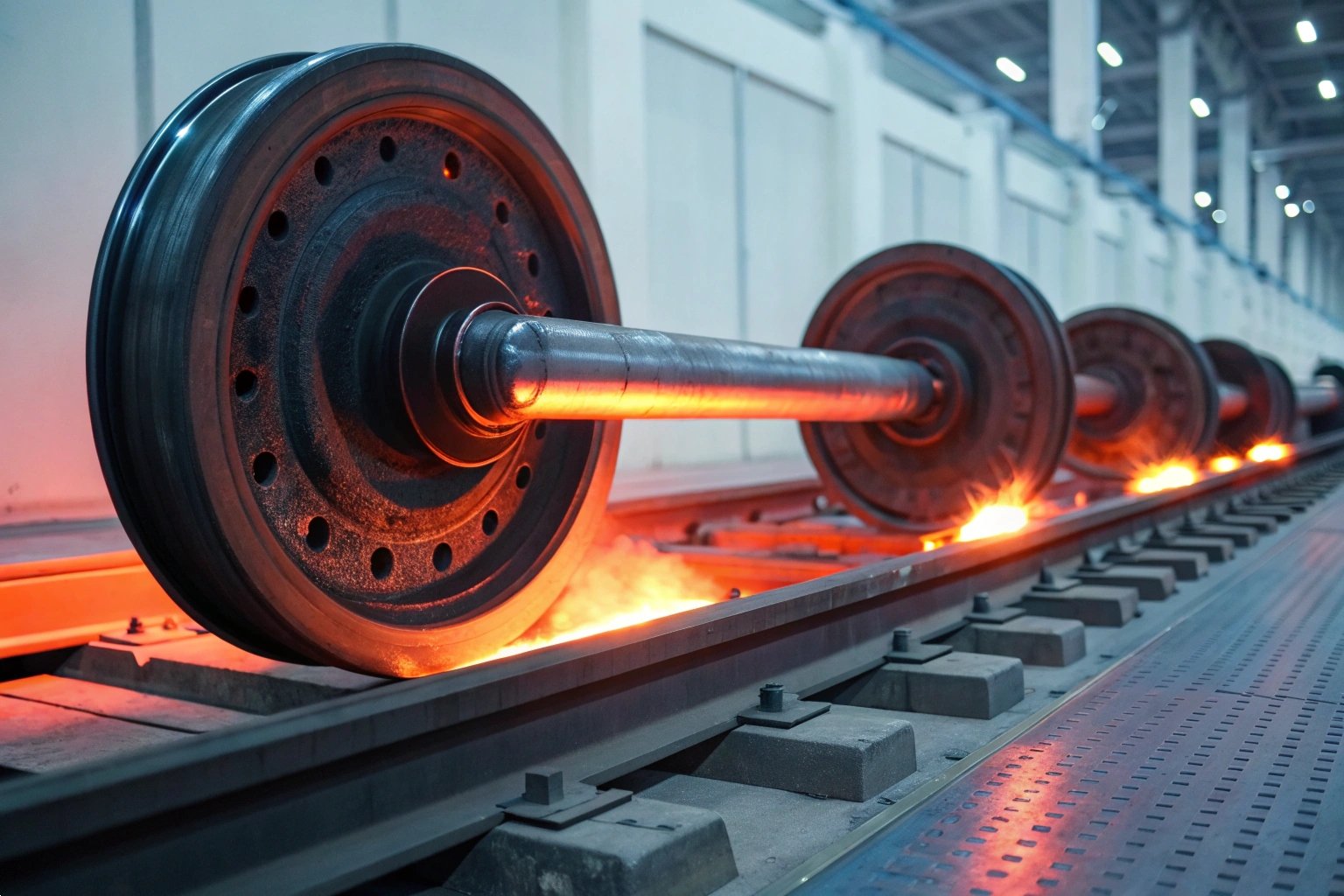
Have you ever wondered how crucial it is to ensure seals in undercarriage parts perform flawlessly? I certainly have. The durability of these seals 1 is a cornerstone in maintaining the overall integrity of heavy machinery.
Seals go through a battery of tests to ensure they can withstand harsh conditions. These tests include exposure to extreme temperatures, rigorous pressure environments, and abrasive wear conditions. This thorough evaluation ensures they remain durable and effective.
Often overlooked, the minute attention to detail in testing these seals is critical. Without it, machinery could suffer catastrophic failures, costing both time and money in downtime and repairs.
Do you perform life-cycle testing on your floating seals?
I often find myself considering how floating seals 2 manage to perform over time. It's a challenge to test them to ensure they can handle long-term use.
Lifecycle testing simulates the extended use of floating seals, exposing them to operational stresses over time. It’s designed to predict how long the seals will last before they deteriorate.
Lifecycle analysis 3 continues beyond just the duration of the test. It includes analyzing results to understand wear patterns, failure modes, and potential for improvement. We employ statistical models to predict seal performance across various conditions, ensuring each seal meets practical operational standards. It helps us ensure they won’t fail unexpectedly, providing peace of mind.
How do you test for leaks before the parts are shipped?
I recall questioning how we prevent leaks in vital machinery components. It turns out, testing for potential leaks is a methodical process 4.
Before shipping, seals undergo a meticulous pressure test. This process applies hydraulic or pneumatic pressure to confirm their leak-proof integrity.
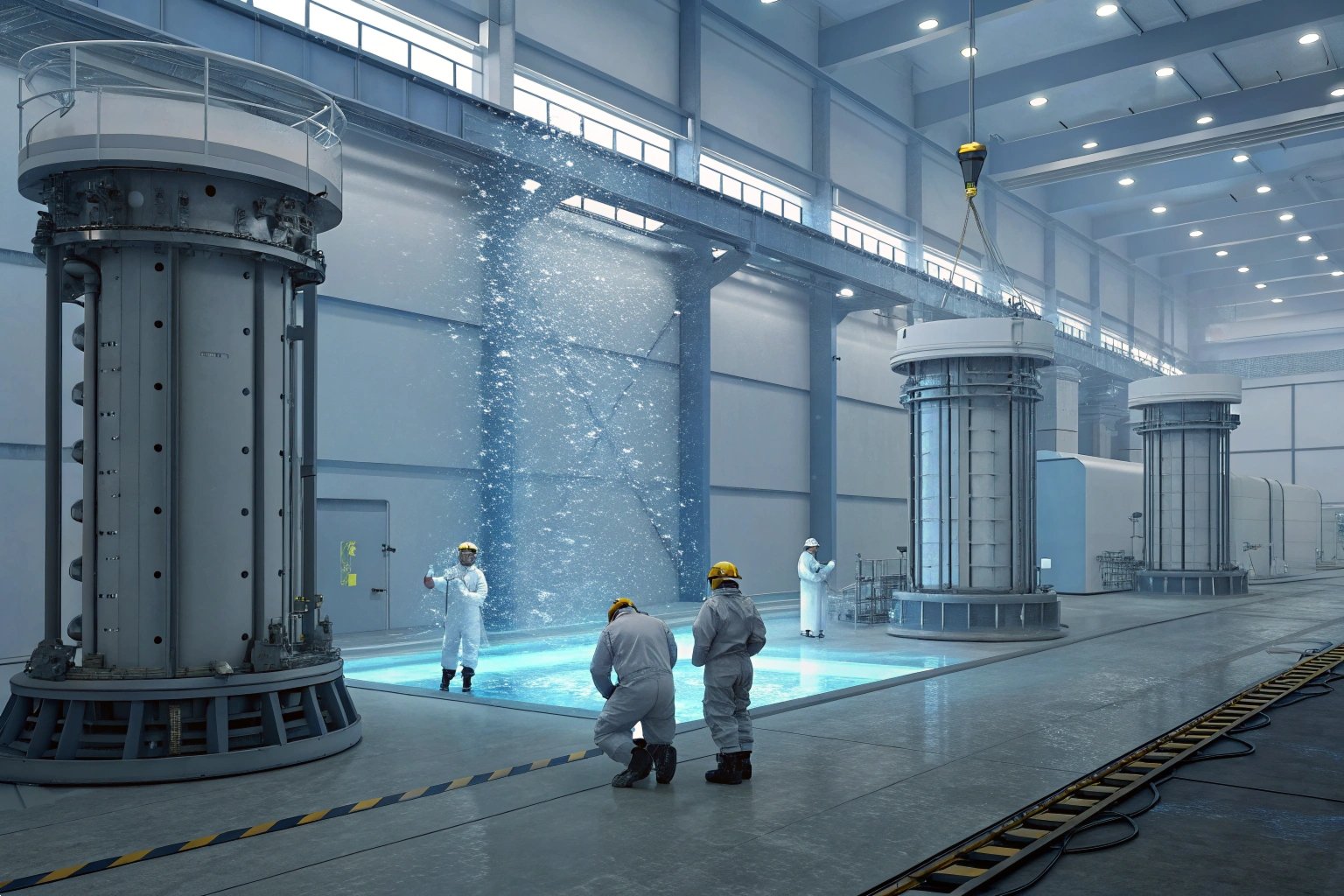
Techniques for Leak Testing
-
Pressure Decay Testing: This involves pressurizing the seal and analyzing for any drop in pressure over time, indicating a leak.
-
Bubble Emission Testing: Immersing the part in water while it's under pressure can expose leaks through visible bubbles.
-
Helium Leak Testing: A more sensitive approach; it uses helium gas 5 since it's rare in the atmosphere, making any leaks easier to detect.
Leak testing is essential before any part leaves the facility, ensuring that each one is robust against operational wear and tear.
What brand of seals do you use and why?
Selecting the right seal brand for our undercarriage components was not straightforward. It's a choice driven by performance and reliability 6.
We primarily use NOK and Parker seals 7 because their products have proven track records for durability and resilience in heavy machinery operations.
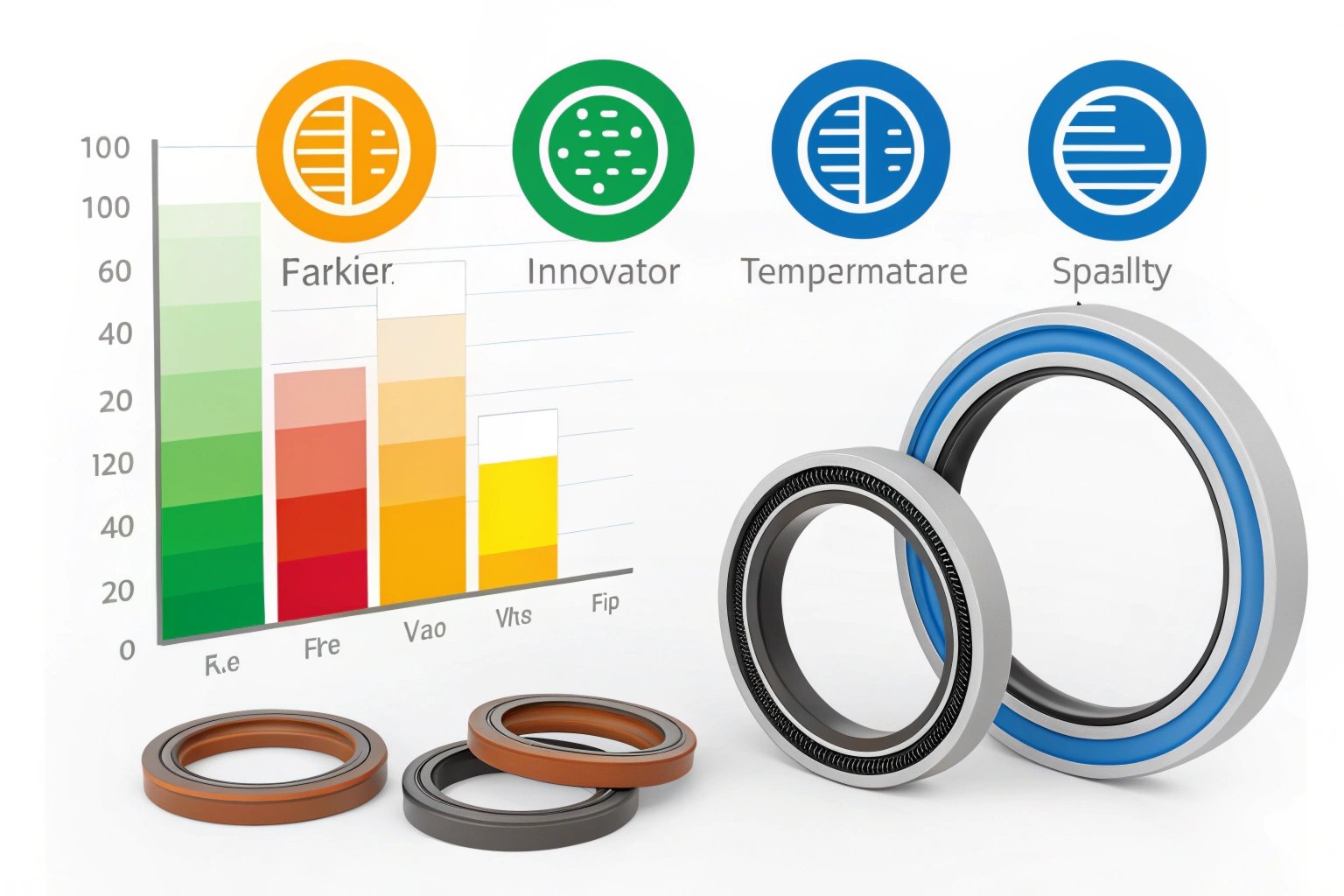
Brand Comparison Table
| Brand | Key Features | Why We Choose |
|---|---|---|
| NOK | High Tolerance to Temperature | Proven reliability in harsh conditions |
| Parker | Exceptional Seal Strength | Consistent performance across various applications |
These brands excel due to their stringent quality controls 8, innovative materials, and engineering standards. Their seals consistently perform well under the pressure and temperature extremes required in our operations.
Are your seals rated for extreme temperatures or harsh environments?
I often stress the importance of understanding a seal's capability under extreme conditions. But, how do we ensure they live up to those expectations?
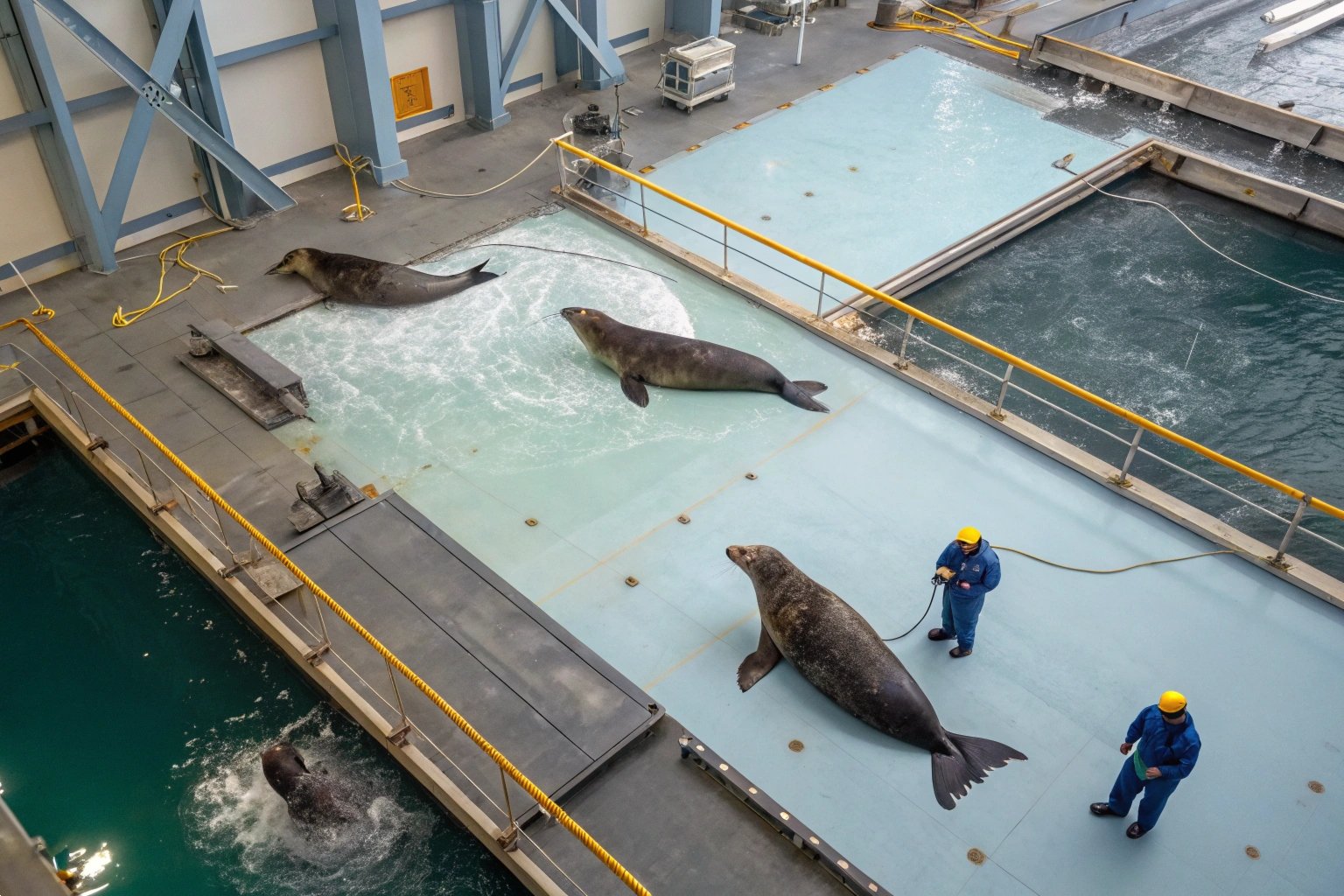
Our seals undergo thermal cycling tests, which simulate both high and low temperature environments to evaluate their resilience.
Extreme Condition Testing
-
Thermal Shock Testing: Quickly alters temperatures to see if seals maintain their properties without cracking or losing elasticity.
-
Salt Spray Testing: Exposes seals to salty environments to check for corrosion resistance 9, vital in maritime or coastal operations.
-
UV and Weathering Tests: Assess how environmental exposure affects seal aging, crucial for outdoor machinery.
Our seals are rated to withstand temperatures from -40°F up to 250°F 10, ensuring they perform in diverse and demanding conditions. Their resilience in such environments confirms their suitability for heavy-duty applications.
Conclusion
Ensuring our seals perform robustly in various conditions requires comprehensive testing. This assures reliability, helping machinery run smoothly and efficiently.
Footnotes
1. Importance of seal durability in machinery maintenance and reliability. ↩︎
2. Detailed information on the design and function of face seals, commonly known as floating seals. ↩︎
3. Understanding the methodology and benefits of conducting a comprehensive lifecycle analysis on industrial components. ↩︎
4. Overview of various industrial methods and equipment used for high-accuracy leak testing. ↩︎
5. Technical guide explaining how trace gas detection, like helium, provides high-sensitivity leak testing. ↩︎
6. Guide to supplier evaluation and the critical factors that ensure product performance and long-term reliability. ↩︎
7. Explore the range of high-performance sealing solutions offered by Parker, a leading industrial brand. ↩︎
8. Official information on ISO 9001 and how stringent quality controls ensure consistent product quality. ↩︎
9. Technical resources on corrosion science and methods used to enhance a material's corrosion resistance. ↩︎
10. Explanation of temperature rating standards for seals and how they are tested for thermal stability. ↩︎