

Navigating the export market to South America, especially Brazil 1, poses unique challenges. Throughout my experience, adapting to local requirements and building relationships have been key. Understanding regulations and logistics influenced our strategy significantly.
Successful export of undercarriage parts to Brazil hinges on understanding the region's unique logistical and regulatory demands while leveraging strategic partnerships. Complying with local standards, taxation policies, and efficient distribution networks 2 are crucial for establishing a robust presence in South American markets.
In exporting undercarriage parts 3 to South America, deep familiarity with market needs, infrastructure challenges, and building solid partnerships ensures efficient operation and growth in this vibrant marketplace.
What percentage of your total exports go to South America?
Diving into export percentages revealed a market heavily dominated by a few competitors. We face constant reshuffling to maintain our share. Observing trends 4 remains crucial.
A significant percentage, approximately 15-20%, of our total exports are directed to South America 5. This figure reflects increasing market penetration and demand for high-quality undercarriage parts in the region. Our strategic focus on Brazil and neighboring countries ensures continuous growth and presence amidst a competitive landscape.
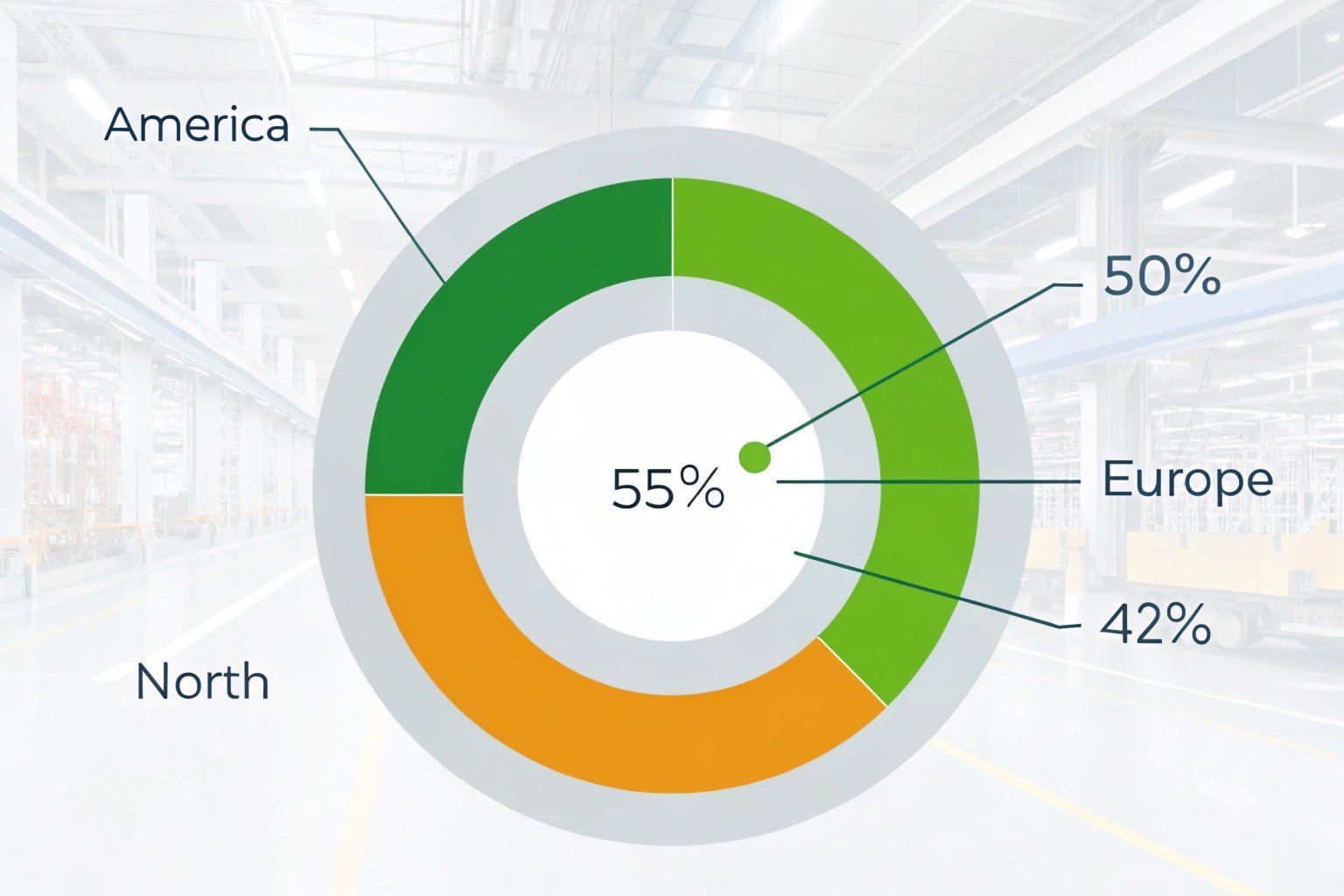
Analyze Market Share and Growth
To capture and maintain market share 6 in South America, understanding nuanced market dynamics is crucial. Brazil, with its burgeoning construction and mining industries, remains a top consumer of undercarriage parts. Thus, adapting to their needs through quality-focused service is vital.
Table: Export Share by Region
| Region | Percentage of Total Exports |
|---|---|
| South America | 15-20% |
| North America | 25-30% |
| Europe | 20-25% |
Our strategic expansion 7 targets an increase in South America's export share through aggressive marketing and local partnerships.
Can you provide any non-confidential references from this region?
Building relationships required credibility checks and references, establishing a foundation for trust. Each reference helped break new ground.
We are proud to have numerous satisfied clients from Brazil and other South American countries. Long-term partnerships with distributors and direct customers underscore our reputation and reliability. These relationships highlight our commitment to quality and customer satisfaction across the region.

Building Trust with Non-Confidential References
In South America, business is cultivated on trust and proven success stories. Each reference provides a gateway to new opportunities, showcasing reliability and quality service.
Table: Sample Clientele from South America
| Client Name | Country | Industry Sector |
|---|---|---|
| Empresa XYZ | Brazil | Construction |
| Constructora ABC | Chile | Mining |
| Maquinaria DEF | Argentina | Infrastructure |
Each partnership brings experiences shared across sectors, leveraging these to build new opportunities and optimize existing ones.
Are you familiar with the specific import regulations for Brazil?
Regulatory hurdles complicate expansion. Navigating these taught persistence and adaptability. Sharing expertise simplifies others' journeys.
Yes, our team is adept at navigating Brazil's detailed import regulations 8. These include certifications like INMETRO and navigating import tariffs. By remaining current with customs requirements and taxation policies, we ensure seamless entry for our products into the Brazilian market.
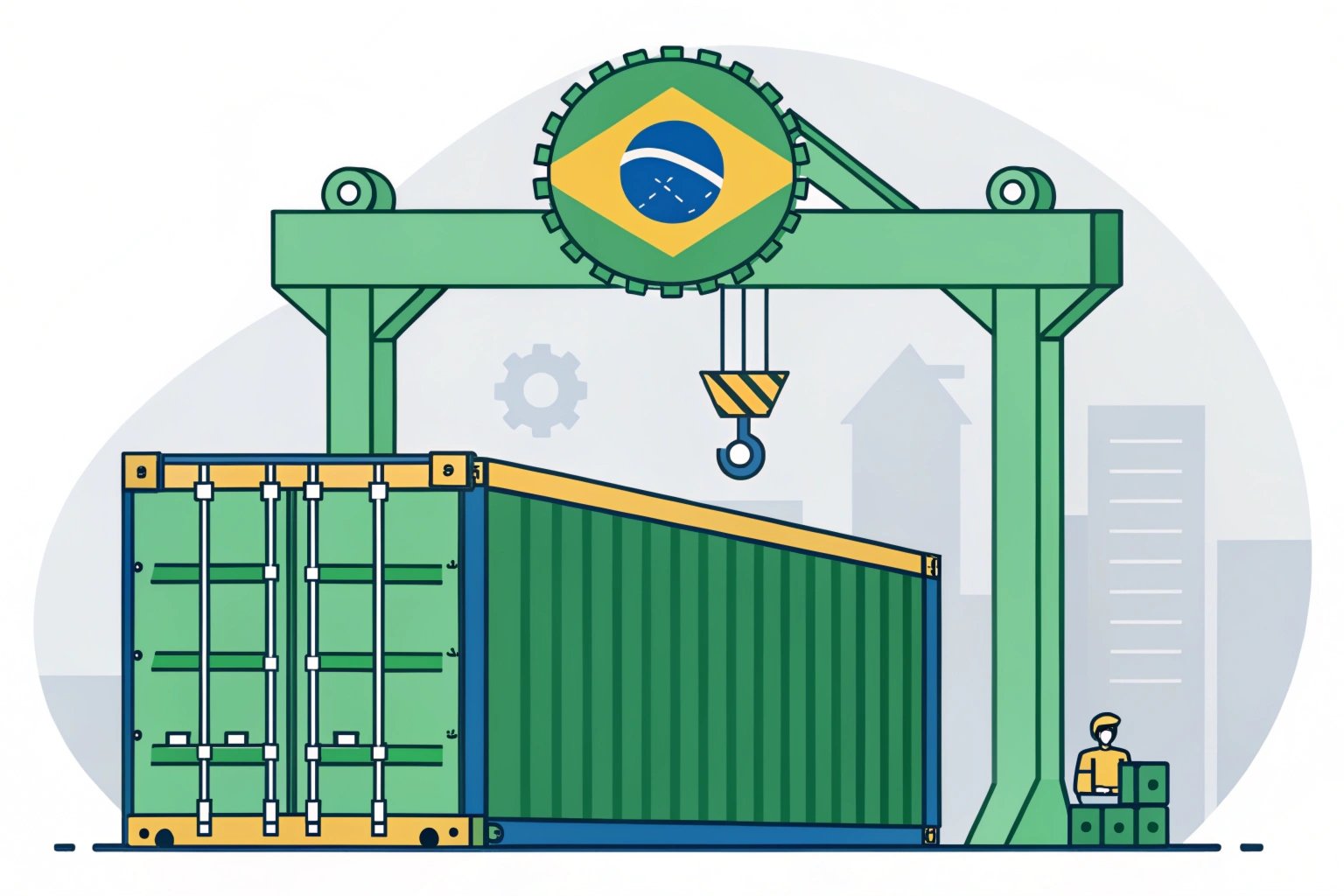
Navigating Brazilian Import Regulations
Understanding and adhering to Brazil's import regulations is paramount. Mastery over these policies accelerates product entry into the market, and adapting to changes ensures continued compliance.
Table: Brazilian Import Regulations Overview
| Regulation | Description | Compliance Strategy |
|---|---|---|
| INMETRO Certification | National quality standard | Seek certification pre-shipment |
| Import Tariffs | 18-22% on average | Efficient cost planning |
| Customs Clearance | Detailed documentation required | Pre-shipment verification |
Remaining proactive allows for easier navigation through regulatory landscapes, reducing bottlenecks during importation.
What are your main export markets globally?
Exporting globally opened diverse challenges. Each market provided lessons in adaptability, refining strategies for regional needs.
Our primary export markets 9 include North America, Europe, and South America, each with its unique demands and growth potential. These markets benefit from our quality products, competitive pricing, and dedicated service, positioning us as a trusted global supplier.
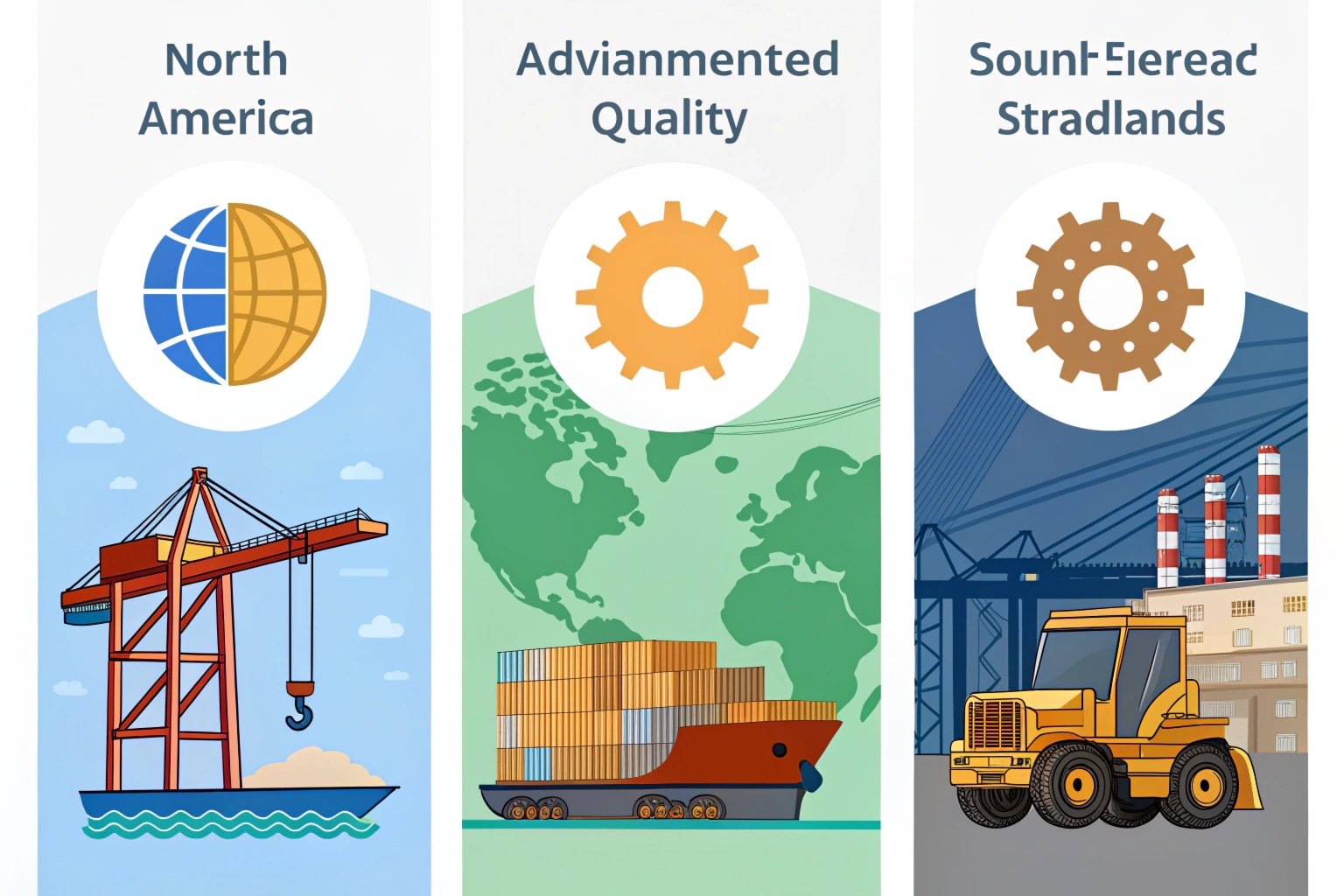
Strategizing Across Global Markets
Focusing on major global markets demands an understanding of each region's specific needs and competitive landscape. Logistics 10, compliance, and pricing strategies differ across borders, requiring tailored approaches.
Table: Key Global Export Markets
| Market | Key Characteristics | Export Strategy |
|---|---|---|
| North America | High demand, quality-focused | Local partnerships, fast response |
| Europe | Stringent regulations, innovative | Robust compliance, tech support |
| South America | Emerging growth, cost-sensitive | Strategic pricing, local alliances |
Harnessing these strategies ensures sustainable growth and presence across diverse international landscapes.
Conclusion
Our dedication to quality, understanding local regulations, and strategic partnerships drive successful international expansion. Meeting regional demands ensures continued growth and market presence in South America and beyond.
Footnotes
1. Official portal for Brazilian Customs and Foreign Trade information. ↩︎
2. Insights on revitalizing Brazil's infrastructure and its key role in long-term economic growth. ↩︎
3. Technical overview and detailed information on various types of undercarriage components. ↩︎
4. Current statistics and analysis of Brazil's construction industry and its market activity. ↩︎
5. Information on the OECD's regional program for Latin America and its economic context. ↩︎
6. Definition and explanation of market share and how it is calculated and maintained. ↩︎
7. Guide on developing a robust and effective export strategy for international markets. ↩︎
8. Official details on the procedures and requirements for importing goods into Brazil. ↩︎
9. Official trade statistics and data from the World Trade Organization on global export markets. ↩︎
10. World Bank analysis of trade logistics in the global economy and its importance for competitiveness. ↩︎