

I know how much it hurts when a machine stops on the job site. If my Cat bulldozer or excavator goes down because of a broken track, I lose money every hour it sits still. That is why I spend a few minutes every morning checking the undercarriage before we start the engine.
Daily inspection of Cat undercarriage parts includes checking track tension, searching for oil leaks in rollers and idlers, and looking for worn sprocket teeth. These quick checks prevent expensive breakdowns, reduce long-term repair costs, and ensure your heavy equipment stays productive throughout the entire work shift.
I have learned that catching a small leak or a loose bolt today saves me thousands of dollars next month. If you want to keep your fleet running without surprises, you must know exactly what to look for. Let me share my daily routine for keeping these machines moving.
How do I check for "scalloping" on my Cat drive sprockets before it damages my track bushings?
I always walk to the back of the machine first to look at the drive sprockets 1. If the teeth look like hooks or "scallops," I know I have a big problem brewing. I touch the edges of the teeth to see if they are getting sharp enough to cut, which tells me the wear is getting serious.
To check for scalloping on Cat drive sprockets, look for a curved, hook-like shape on the leading or trailing edge of the teeth. If the teeth are sharp or thin, it indicates excessive wear that will quickly grind down your track bushings and cause premature chain failure.
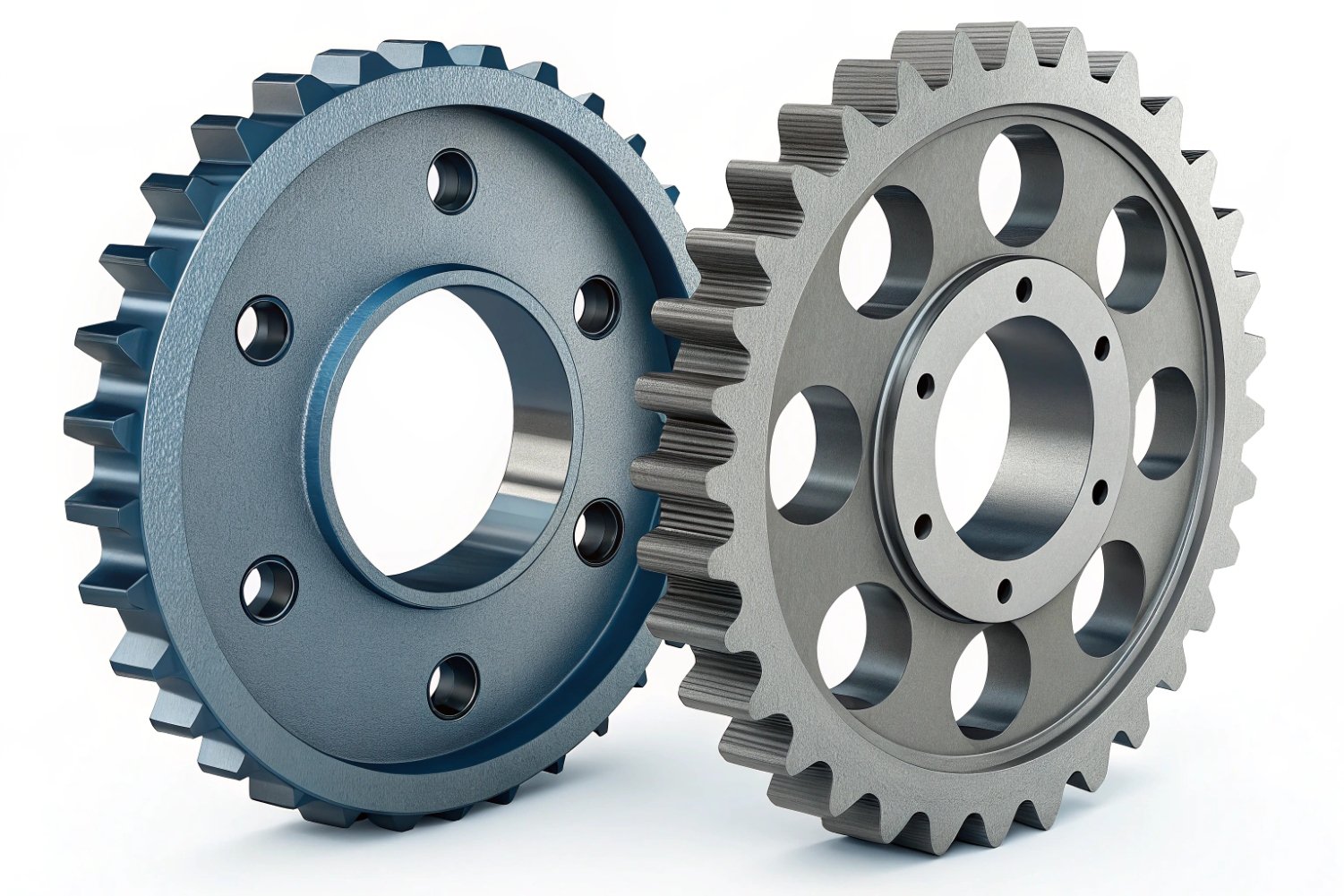
Why Sprocket Shape Matters
The sprocket is the heart of the drive system. It pushes the entire weight of the machine through the track chain. When the teeth wear down, they no longer fit into the bushings correctly. This creates a "sliding" motion instead of a smooth "rolling" motion. This sliding creates heat and friction. In my experience, once a sprocket starts to scallop, it acts like a saw. It will eat through a brand-new set of bushings in half the time they should last.
Signs of Sprocket Wear
When I inspect the sprockets, I use a simple mental checklist. I want to see if the metal is shiny in places it should not be. Shiny spots usually mean there is a misalignment 2.
| Feature to Check | Good Condition | Bad Condition (Replace Soon) |
|---|---|---|
| Tooth Tip | Flat and thick | Sharp like a knife or "hooked" |
| Root Area | Smooth curve | Deep pockets or gouges |
| Mounting Bolts | All present and tight | Missing or showing "rust bleeding" |
| Surface Texture | Even wear | Pitting, chunks missing, or glazing |
The Cost of Neglect
If I ignore a scalloped sprocket, I am not just losing one part. I am killing the track chain. The chain is the most expensive part of the undercarriage. If the sprocket teeth do not seat perfectly between the bushings, the chain will stretch. We call this track pitch extension 3. Once the chain stretches, the machine will vibrate, and the operator will complain about a rough ride. It is much cheaper for me to buy a high-quality replacement sprocket from a reliable manufacturer like Dingtai than to replace a whole track group.
What are the primary signs of seal leakage in my Cat-style heavy-duty bottom rollers?
Next, I get down on my knees to look at the bottom rollers. These rollers carry the whole weight of the machine, and they are filled with oil to keep the bearings cool. If that oil gets out, the roller will seize up and stop turning, which then acts like a drag on the whole system.
The primary signs of seal leakage in Cat-style bottom rollers are wet, oily patches on the roller shell or "mirror-like" grease spots on the track frame. You should also look for heavy dirt buildup around the seals, as leaking oil acts like glue for dust and sand.
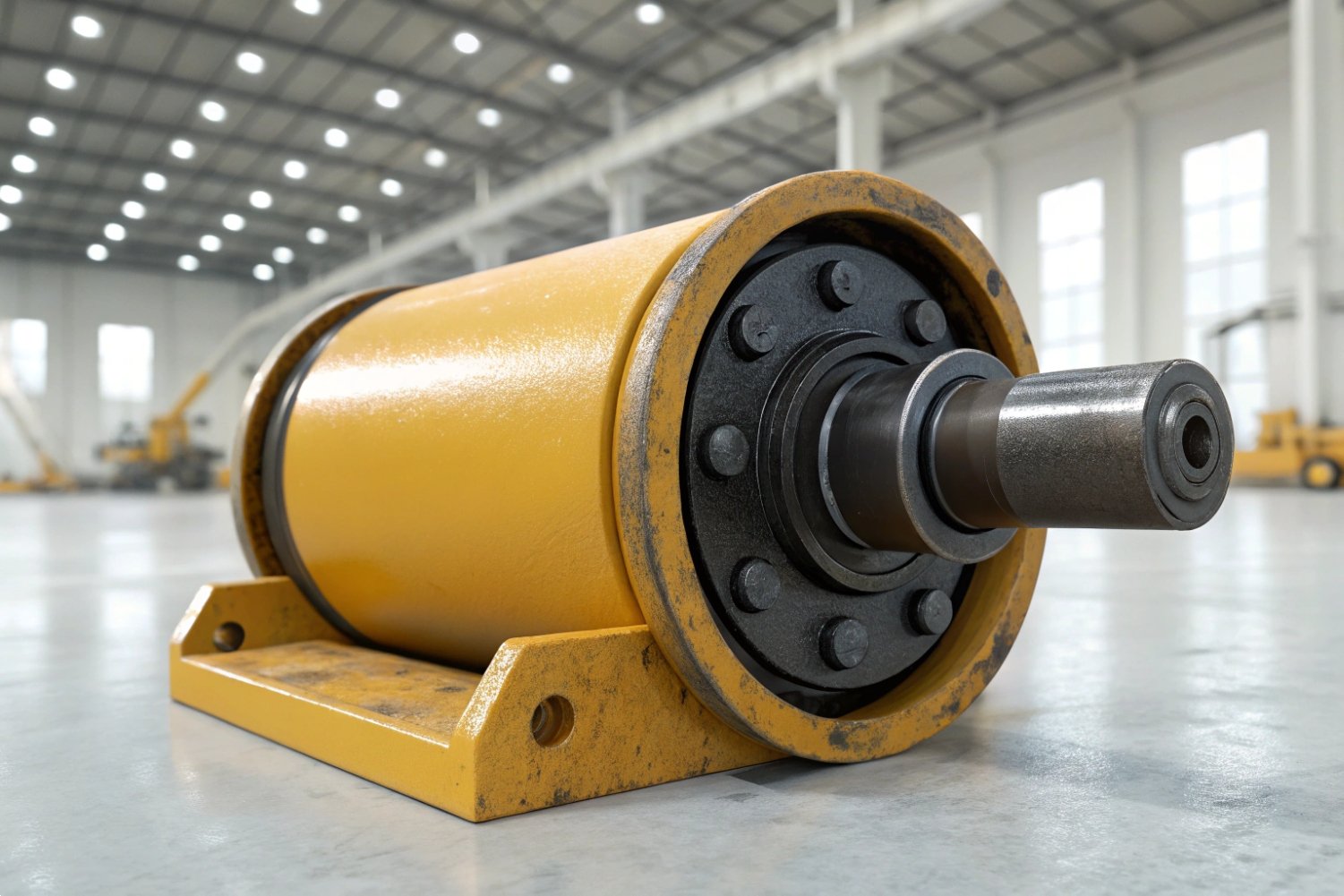
How to Spot a Leaking Roller
A leak is not always a big puddle of oil. Usually, it starts as a "mist" or a "damp" spot. Because our job sites are dusty, the oil catches the dust. If I see a roller that looks "fuzzier" or dirtier than the others, I know it is leaking. I also look at the track frame 4. If I see streaks of oil running down, that roller is done.
Why Seals Fail in Harsh Conditions
In my 20 years of experience, mud is the biggest enemy of seals. When mud packs around the rollers, it dries and gets hard. When the roller turns, that hard mud grinds against the rubber seals. This is why I tell my guys to clean the undercarriage every night. If the mud stays there, it creates a "grinding paste" that eats through the best ISO 9001 certified 5 seals.
Roller Inspection Table
I use this table to train my junior mechanics on what to look for during their morning walk-around.
| Observation | Potential Problem | Action Required |
|---|---|---|
| Wet oily surface | Seal failure | Monitor daily or replace |
| Flat spots on shell | Roller is seized/not turning | Immediate replacement |
| Excessive wobble | Bearing failure | Immediate replacement |
| Grinding noise | Metal-on-metal contact | Stop machine and check |
Choosing Better Rollers
When I buy replacement rollers, I look for "heavy-duty" versions. For my Cat machines, I need rollers that have deep heat treatment 6. The surface needs to be hard so it does not wear down, but the inside needs to be tough so it does not crack under the weight of the excavator. I always ask my suppliers for their heat treatment data to make sure the rollers will last in the rocky soil we have here in the US.
How can I measure the wear on my Cat track links to see if I am ready for a "pin and bushing turn"?
Measuring track wear is a bit more technical, but it is the best way to save money. I check the height of the track links and look at the bushings. If the bushings are worn on one side but still have life on the other, I might be able to do a "pin and bushing turn" to get more hours out of the chain.
To measure wear for a "pin and bushing turn," use a depth gauge to check the height of the link rail and a caliper to measure the outside diameter of the bushings. If the bushings are worn close to the wall thickness limit but the pins are still sealed, you can "turn" them to use the unworn side.
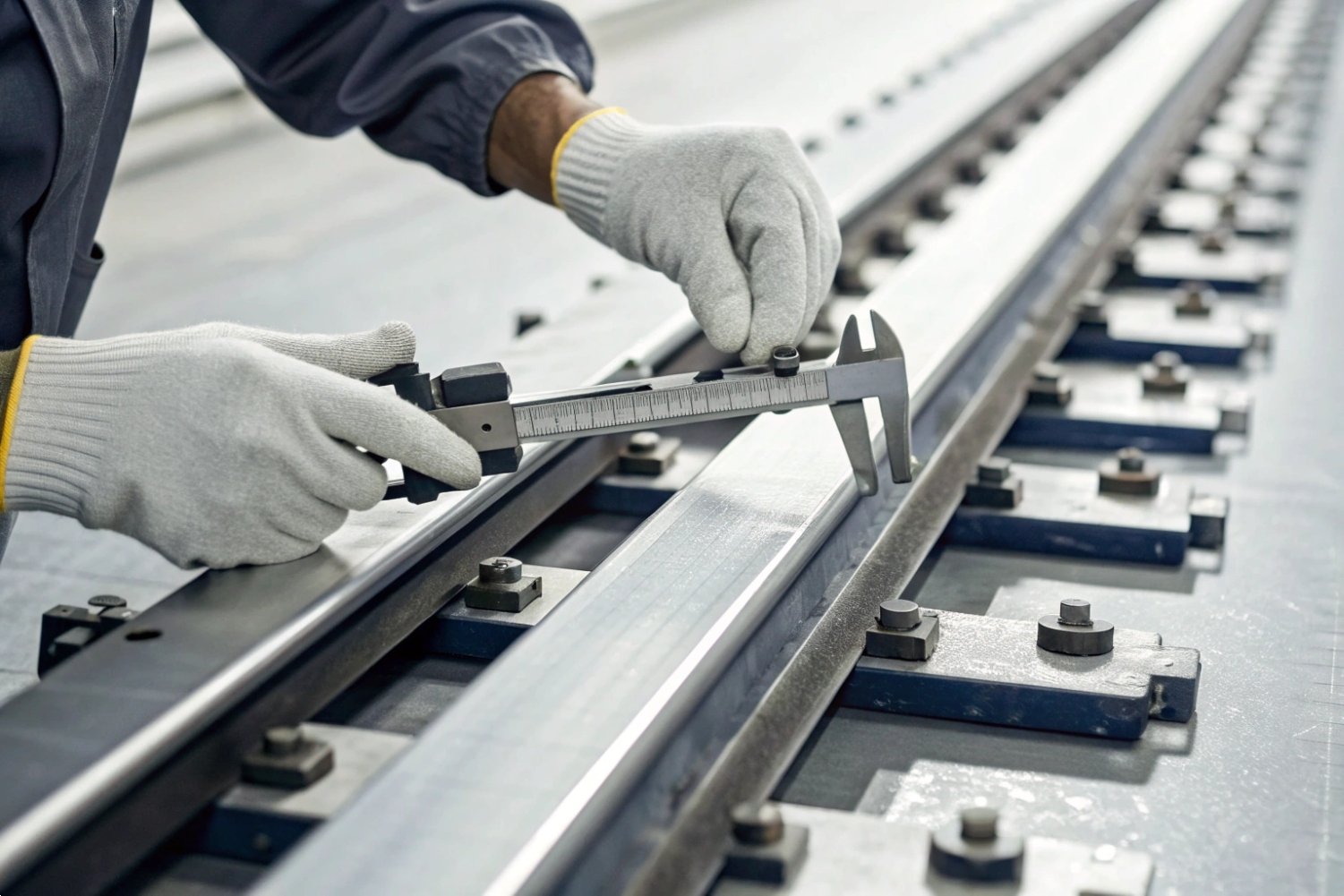
The "Pin and Bushing Turn" Strategy
This is a trick that many new guys do not know. The sprocket only touches one side of the bushing. That means one side gets worn down while the other side stays like new. By pin and bushing turning 7 180 degrees, I basically get a new chain for a fraction of the cost. But I have to do it at the right time. If I wait too long, the metal becomes too thin, and they will crack during the turn.
Checking for Dry Joints
While I am looking at the links, I look for "dry joints." A dry joint is where the internal grease has leaked out. You can tell a joint is dry because it will be much hotter than the others after the machine has been working. I sometimes use an infrared thermometer 8 to check. If one link is 20 degrees hotter than the rest, that joint is failing. It will soon become a "stiff link" and cause the machine to jump or jerk.
Link and Bushing Wear Guide
| Measurement Point | What to Measure | Warning Sign |
|---|---|---|
| Link Rail Height | Top of link to the pin center | Link is getting too close to the roller flange |
| Bushing Diameter | Outer surface of the bushing | Flat spots or "through-wear" |
| Track Pitch | Distance over 4 or 5 pins | Chain is "stretched" due to internal wear |
Quality Matters for Links
When I source parts from a factory like Dingtai, I make sure the track links 9 are forged, not just cast. Forged steel is much stronger. It can handle the "impact" of the machine hitting rocks. If the link height wears down too fast, the rollers will start hitting the pin bosses. This will destroy the whole chain very quickly. I always check that the links are compatible with the original Cat specs so everything fits perfectly.
Why should I monitor the alignment of my Cat excavator's track guides to prevent side-wear on the links?
Lastly, I always look at the track guides and the alignment of the frame. If the tracks are not running straight, the sides of the links will rub against the roller flanges. This creates "side-wear," and it is a silent killer of undercarriages. It is like having a car with bad alignment; the tires wear out on the edges before the middle.
Monitoring track guide alignment prevents the track chain from "snaking" or moving side-to-side. Proper alignment ensures the links stay centered on the rollers and idlers, preventing expensive side-rail wear and reducing the risk of the machine "throwing a track" during steep turns.
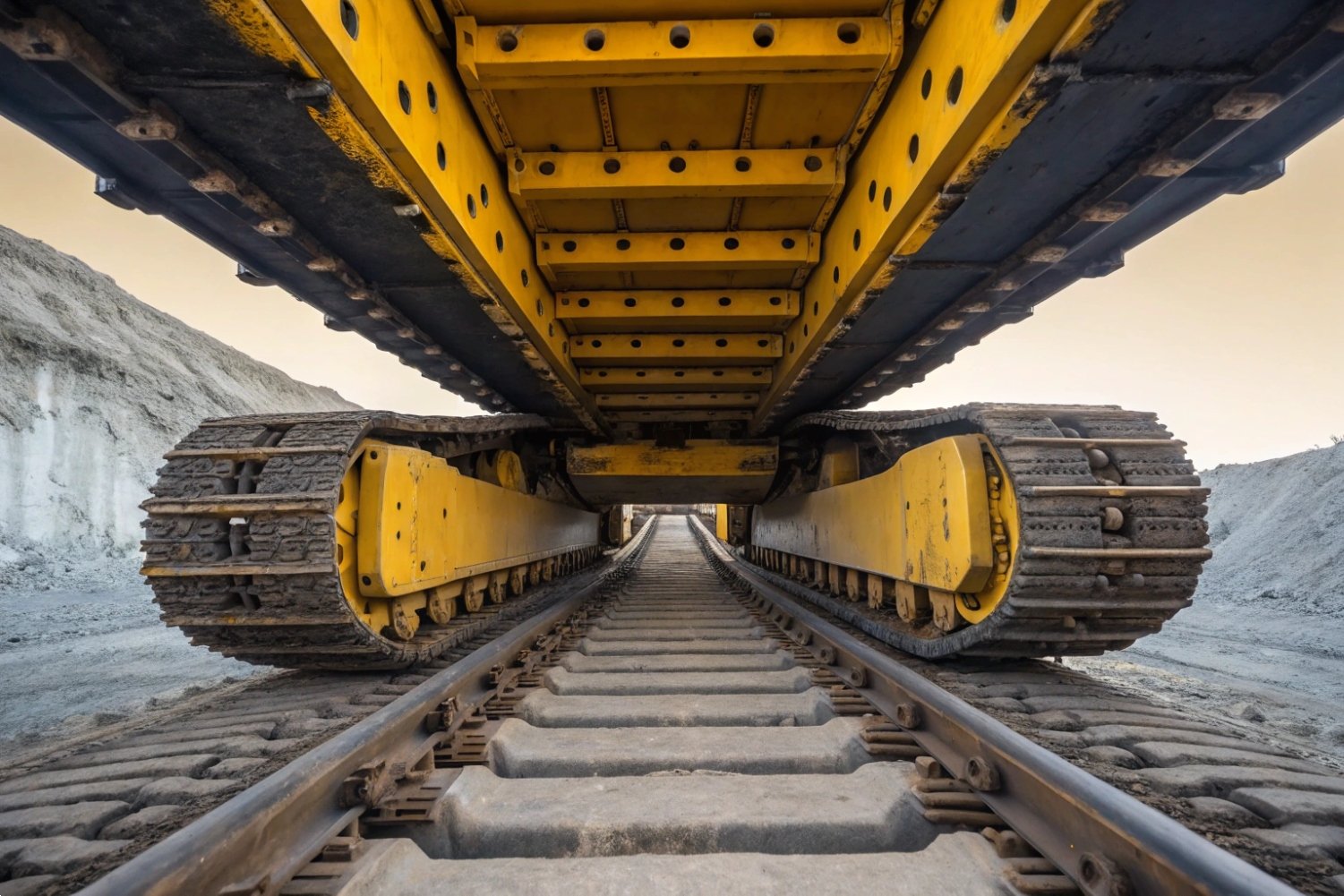
The Danger of "Snaking" Tracks
When the track guides are bent or worn out, the chain starts to move like a snake. This is very bad for the idlers and the sprockets. I have seen machines where the side of the link was worn halfway through just because a rock guard 10 was bent and pushing the chain to one side. I check the bolts on the guides every day because they take a lot of vibration.
Rock Guards and Their Role
In my line of work, we deal with a lot of debris. Rock guards are there to keep stones from getting between the rollers and the chain. If a rock gets in there, it acts like a hammer. It can crack a roller shell or bend a link. I make sure my rock guards are thick and not deformed. If they are bent, they might actually be rubbing against the chain themselves, which is just as bad as the rocks.
Alignment Checklist
I use this quick list to make sure the "path" of the track is straight and true.
- Check if the idler is centered in the frame.
- Look for shiny wear marks on the inside of the roller flanges.
- Ensure the track guides are not touching the side of the track links when the machine is on flat ground.
- Verify that the track tension is equal on both the left and right sides.
Reliability and Support
As a procurement director, I do not just buy parts; I buy uptime. I need to know that if I have a technical question about alignment or fitment, my supplier can answer it. This is why I prefer working with manufacturers who have their own technical teams. When a part fits perfectly and the alignment is easy to set, my mechanics are happy, and my machines stay on the job.
Conclusion
Daily inspection of your Cat undercarriage is the best way to save money. By checking sprockets, rollers, links, and alignment every morning, you prevent big failures and keep your project on schedule.
Footnotes
1. Discussions and advice on maintaining drive sprockets for heavy machinery. ↩︎
2. Guide to identifying and fixing shaft and track misalignment issues. ↩︎
3. Technical breakdown of how track pitch affects undercarriage lifespan. ↩︎
4. Reference for equipment specifications and track frame dimensions. ↩︎
5. Official site for international standards on quality management systems. ↩︎
6. Resource for understanding the science of heat-treating industrial metals. ↩︎
7. Official maintenance guide for Caterpillar track and undercarriage systems. ↩︎
8. Tools for measuring temperature to detect mechanical friction and failure. ↩︎
9. Information on the benefits and strength of forged steel components. ↩︎
10. Industry news and tips for protecting heavy equipment from job site debris. ↩︎