
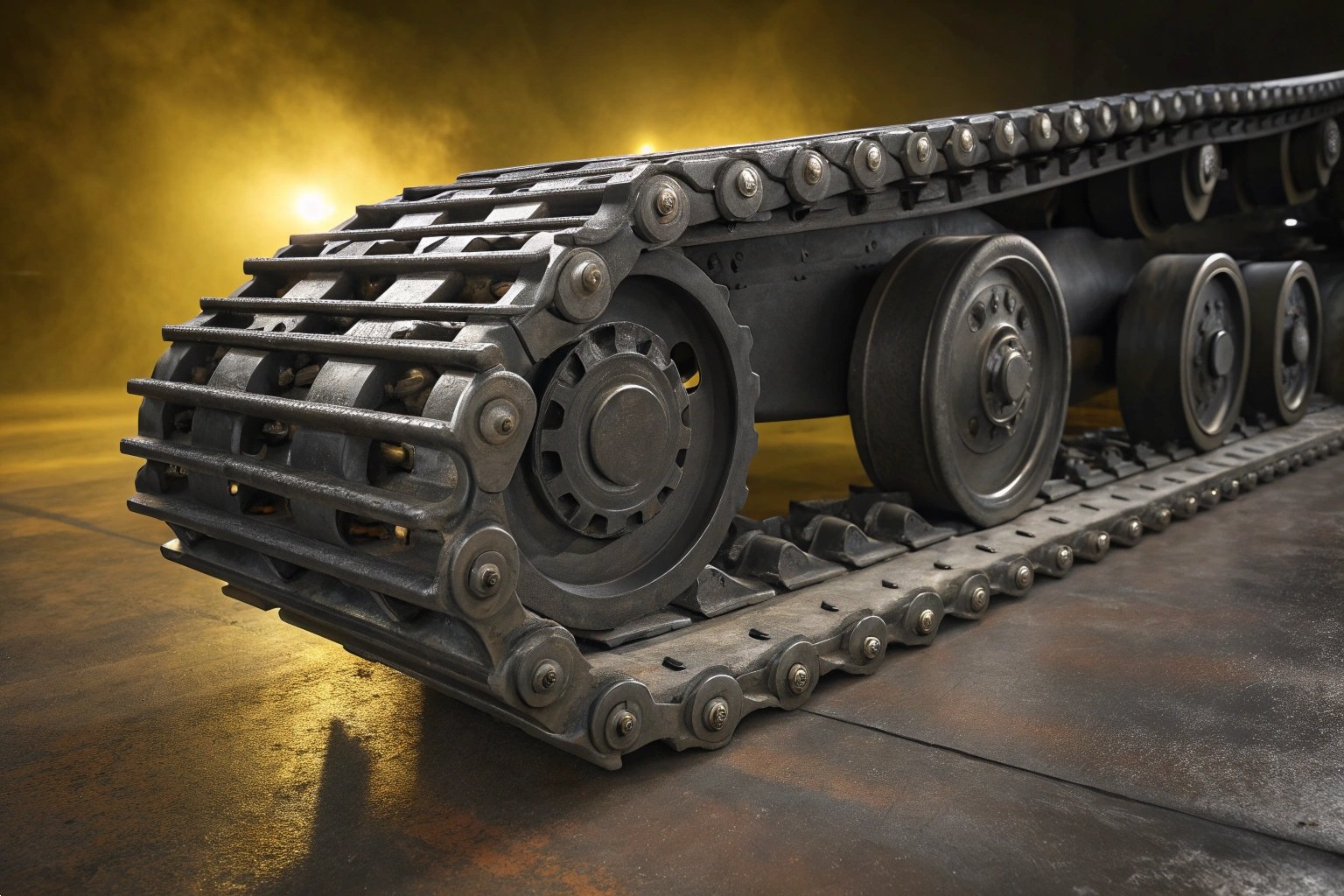
I know how it feels when your machine stops moving because a track link snapped or a roller seized. In my 20 years of manufacturing, I have seen that durability is the only thing that keeps your project on schedule and your wallet full.
For maximum durability on Cat dozers, the best parts are the Cat Heavy Duty or Cat Abrasion systems. These use high-strength boron steel and specialized heat treatment to handle extreme impact and high-abrasion environments, often lasting twice as long as standard alternatives when properly maintained.
Finding the right parts can be a headache with so many options available today. You want something that fits perfectly and lasts long without breaking the bank, so let's look at how to pick the toughest parts for your fleet.
I always tell my clients that what you see on the outside of a roller is just a shell, but what is inside counts. When I manage production at Dingtai, we focus on the raw material because that is the foundation of the part's life.
To confirm replacement rollers use premium boron steel, check the manufacturer's material certifications for "35MnB" or "40MnB" grades. You should also look for induction-hardening patterns on the tread surface that reach a depth of at least 8-12mm to ensure the part can withstand heavy wear.
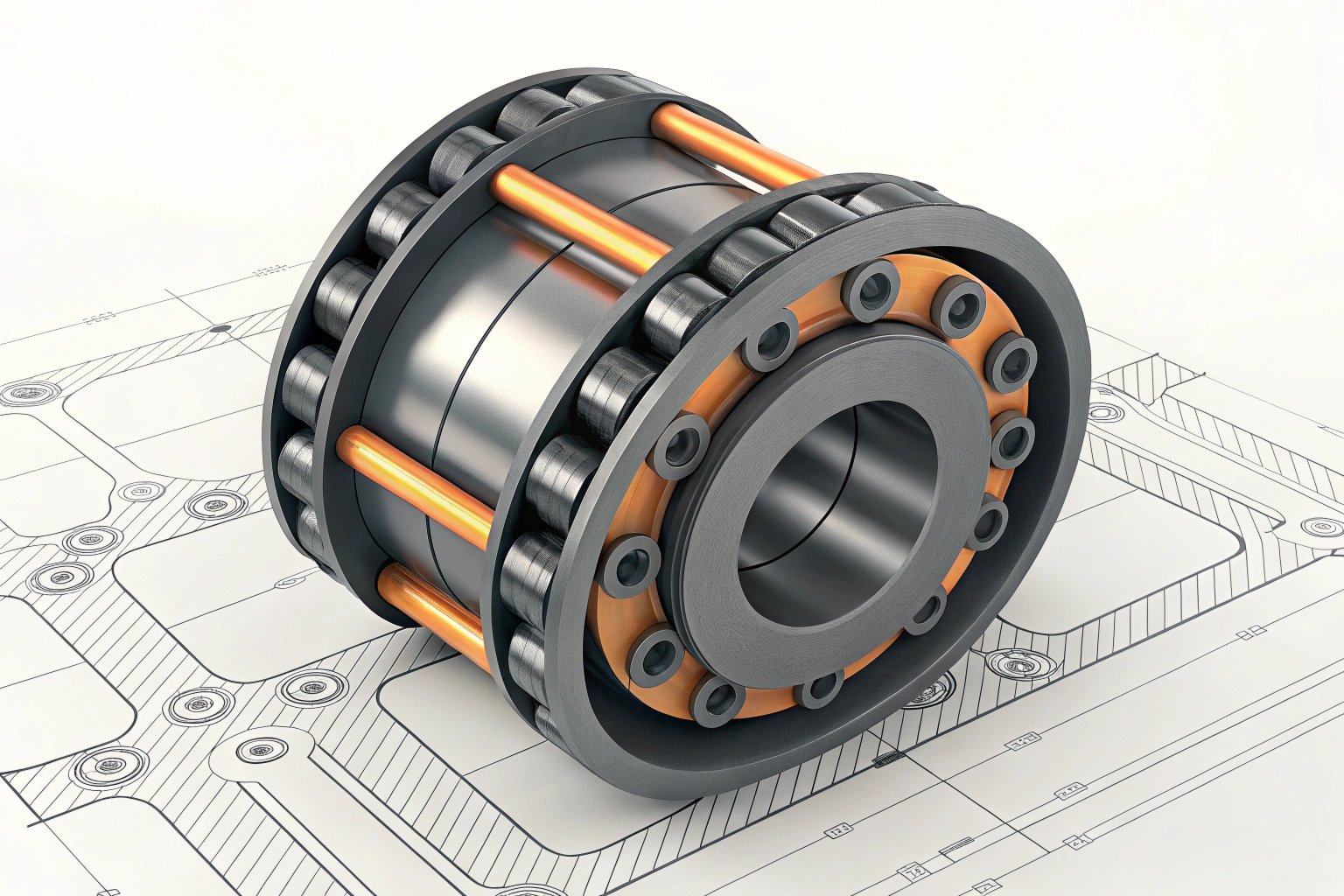
The Importance of Material Composition
In the world of B2B manufacturing, we deal with a lot of technical data. Boron steel 1 is the gold standard for undercarriage parts. Adding a small amount of boron to the steel mix allows the metal to be hardened more deeply during heat treatment. If a roller is just made of standard carbon steel, only the very surface gets hard. Once that thin layer wears off, the soft metal underneath disappears fast. I have seen rollers from low-end factories flat-spot in just a few months because they skipped the boron.
Hardness Testing Standards
When you are talking to a supplier like us, ask for the Rockwell C scale 2 (HRC) ratings. For a Cat dozer roller to be "best-in-class," the surface hardness should be between HRC 50 and 56. This range is hard enough to resist stones but not so brittle that it cracks. We use automated induction hardening 3 to make sure every single roller is consistent. You do not want a batch where half the rollers are good and the other half fail early.
Internal Components Matter Too
It is not just about the steel shell. A durable roller needs a high-quality seal group. We use duo-cone seals 4 made from special alloy cast iron. These seals keep the oil in and the mud out. If a seal fails, the roller will run dry and seize up in days. I always recommend checking if the manufacturer uses bimetal bushings 5. These handle the heavy weight of a Cat D8 or D9 much better than cheap steel-on-steel designs.
Comparison of Roller Material Specs
| Feature | Standard Aftermarket | Dingtai / Premium Spec |
|---|---|---|
| Material Grade | 45# Carbon Steel | 35MnB / 40MnB Boron Steel |
| Surface Hardness | HRC 45-50 | HRC 52-56 |
| Hardening Depth | 3mm - 5mm | 8mm - 12mm |
| Seal Type | Standard Rubber | Duo-cone Alloy Seal |
What technical specs ensure my dozer's track shoes offer maximum traction in extreme mud or rock?
I have walked many jobsites in North America and the Middle East where the ground is either like soup or like concrete. If your track shoes don't have the right specs, your Cat dozer is just a very expensive paperweight that can't move dirt.
Maximum traction and durability come from selecting Extreme Service (ES) shoes with tall, clipped grousers. Look for shoes made from through-hardened alloy steel with a hardness of HRC 42-49 to prevent bending, and choose mud holes if you work in sticky clay to prevent packing.
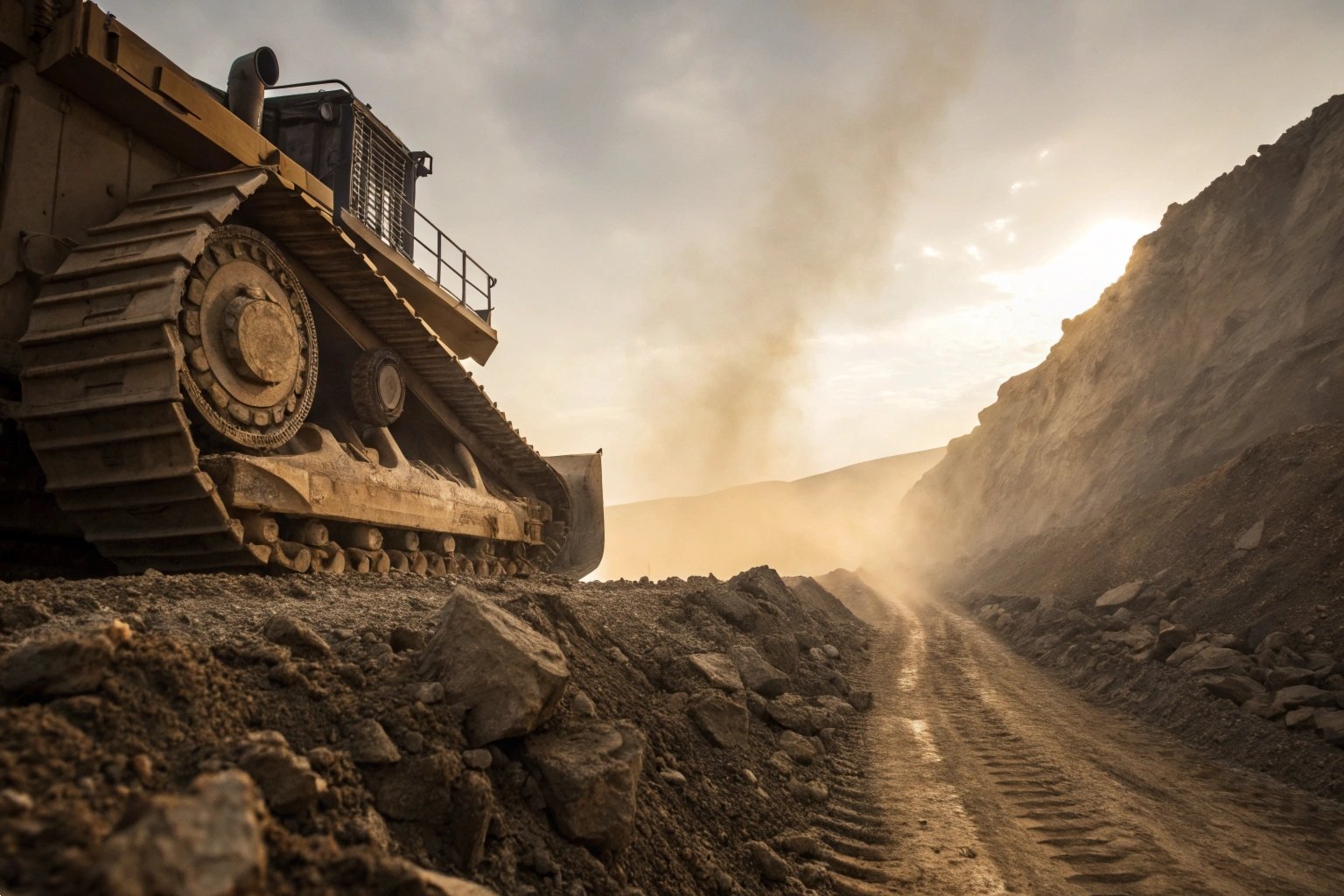
Understanding Grouser Height and Shape
The grouser is the "cleat" on the bottom of the shoe. For heavy rock, you need a single grouser shoe 6. This provides the deepest penetration. In my experience, "Extreme Service" shoes are worth the extra cost. They are thicker and heavier. This extra mass helps them resist bending when the dozer climbs over a jagged rock. If the shoe bends, it puts stress on the pins and bushings, which ruins the whole chain.
Proper Shoe Width for the Ground
One big mistake I see is people buying the widest shoes possible thinking it is better. If the ground is hard or rocky, wide shoes are a disaster. They create a "diving board" effect that twists the track links. I always tell David Miller and my other clients to use the narrowest shoe that still keeps the machine from sinking. This reduces the leverage on the internal parts and makes the undercarriage wear life 7 last 20% longer.
Heat Treatment for Toughness
Track shoes need to be "tough," not just "hard." If they are too hard, they will snap like glass when they hit a rock. We use a through-hardening process 8. This means the shoe has the same strength all the way through the metal. This is critical for Cat dozers because they carry so much weight. A shoe that is only surface-hardened will mushroom and deform under the heavy loads of a D10 or D11.
Track Shoe Specification Guide
| Application | Recommended Shoe Type | Key Technical Spec |
|---|---|---|
| Hard Rock | Single Grouser (Extreme Service) | Thicker plate, HRC 45+ |
| Soft Mud | LGP (Low Ground Pressure) | Wide profile, Mud holes |
| General Construction | Moderate Service | Standard width, Through-hardened |
How do I check if my Cat dozer's idler groups use high-quality duo-cone seals for leak prevention?
The idler's job is to guide the track and maintain tension. If it starts leaking oil, you are in big trouble. I have seen many idlers fail because a small piece of sand got past a cheap seal and tore up the shaft.
Check for duo-cone seals by looking at the manufacturer’s assembly report. High-quality seals use "Toric" rings made from nitrile or silicone and cast-iron seal rings. A pressure test report showing zero leakage at 30-50 PSI during factory assembly is the best proof of a leak-proof idler.
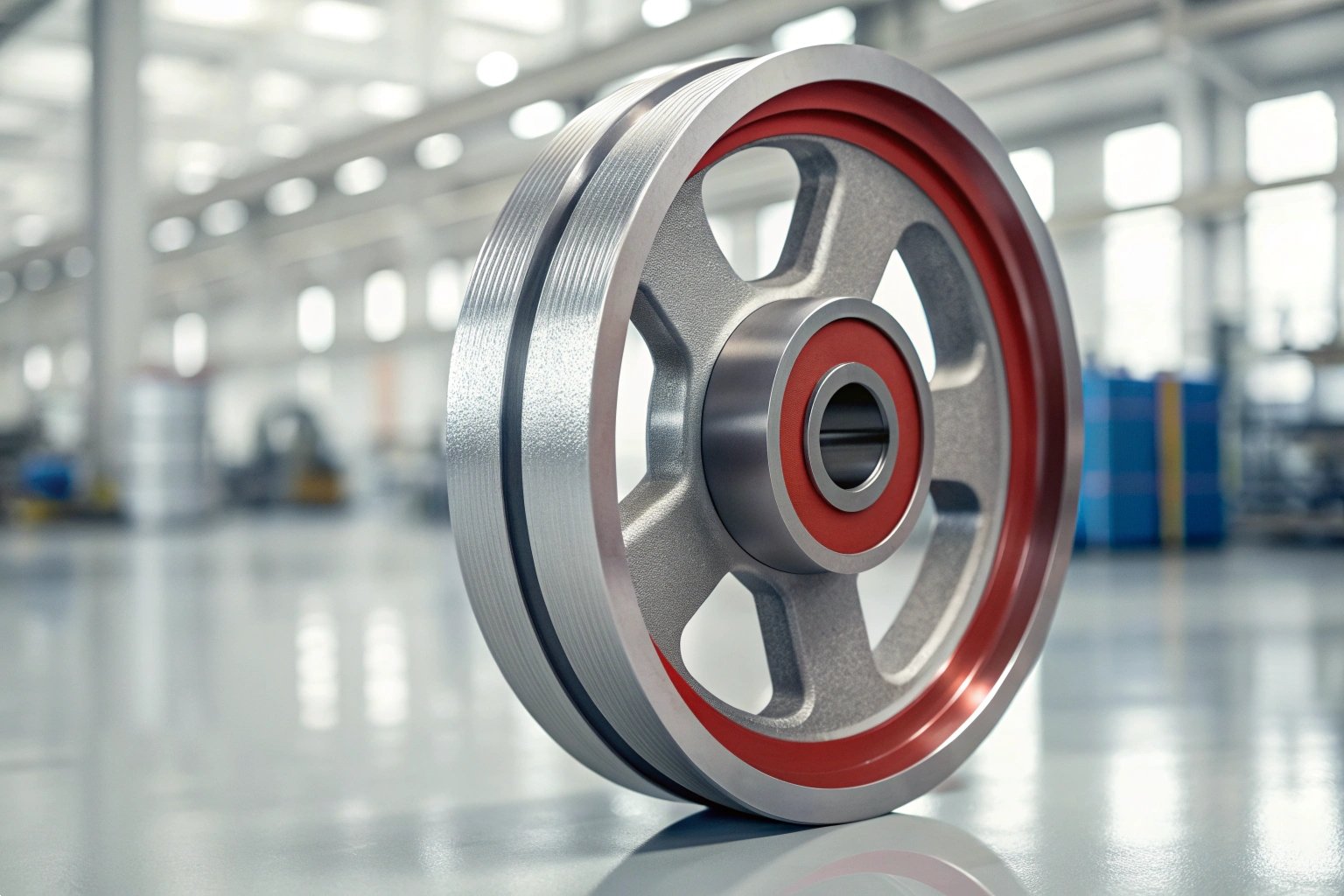
The Secret of Duo-Cone Seals
A duo-cone seal is a clever piece of engineering. It consists of two metal rings and two rubber "O-rings" (torics). The metal rings rub against each other, creating a perfect seal. As they wear, they actually get smoother. In our factory, we spend a lot of time lapping these metal surfaces. If the surface isn't perfectly flat, the oil will find a way out. I always advise my customers to ask if the nitrile rubber 9 torics are high-temp resistant, as idlers get very hot during long shifts.
Structural Integrity of the Idler Shell
The idler shell itself must be strong. We use a combination of casting and specialized welding. For Cat machines, the "rim" of the idler takes a lot of abuse from the track links. We induction-harden this rim to match the hardness of the links. If the idler is softer than the links, the links will "eat" the idler. If the idler is harder, it will wear out the expensive track chain. Getting this balance right is what separates a professional manufacturer from a small shop.
Maintenance-Free Designs
Many modern Cat dozers use "Lifetime Lubricated" idlers. This means you never have to add oil. However, this only works if the initial assembly is perfect. We use a vacuum-fill system to make sure there are no air bubbles inside the idler. Air can cause the oil to foam and fail at high speeds. When you buy from Dingtai, you are getting an idler that has been tested for both pressure and vacuum to ensure it stays sealed for the life of the part.
Why is choosing induction-hardened bushings essential for extending my Cat dozer's track life?
The bushing is the part that touches the sprocket. It is the heart of the wear cycle. When people talk about a "track turn," they are talking about these bushings. In my 20 years, I’ve seen that the bushing is usually the first thing to wear out on a dozer.
Induction-hardened bushings are essential because they provide a hard outer shell to resist sprocket wear while maintaining a tough inner core to prevent cracking. This "dual-zone" strength allows the bushing to last through thousands of hours of friction without breaking under the dozer's massive torque.
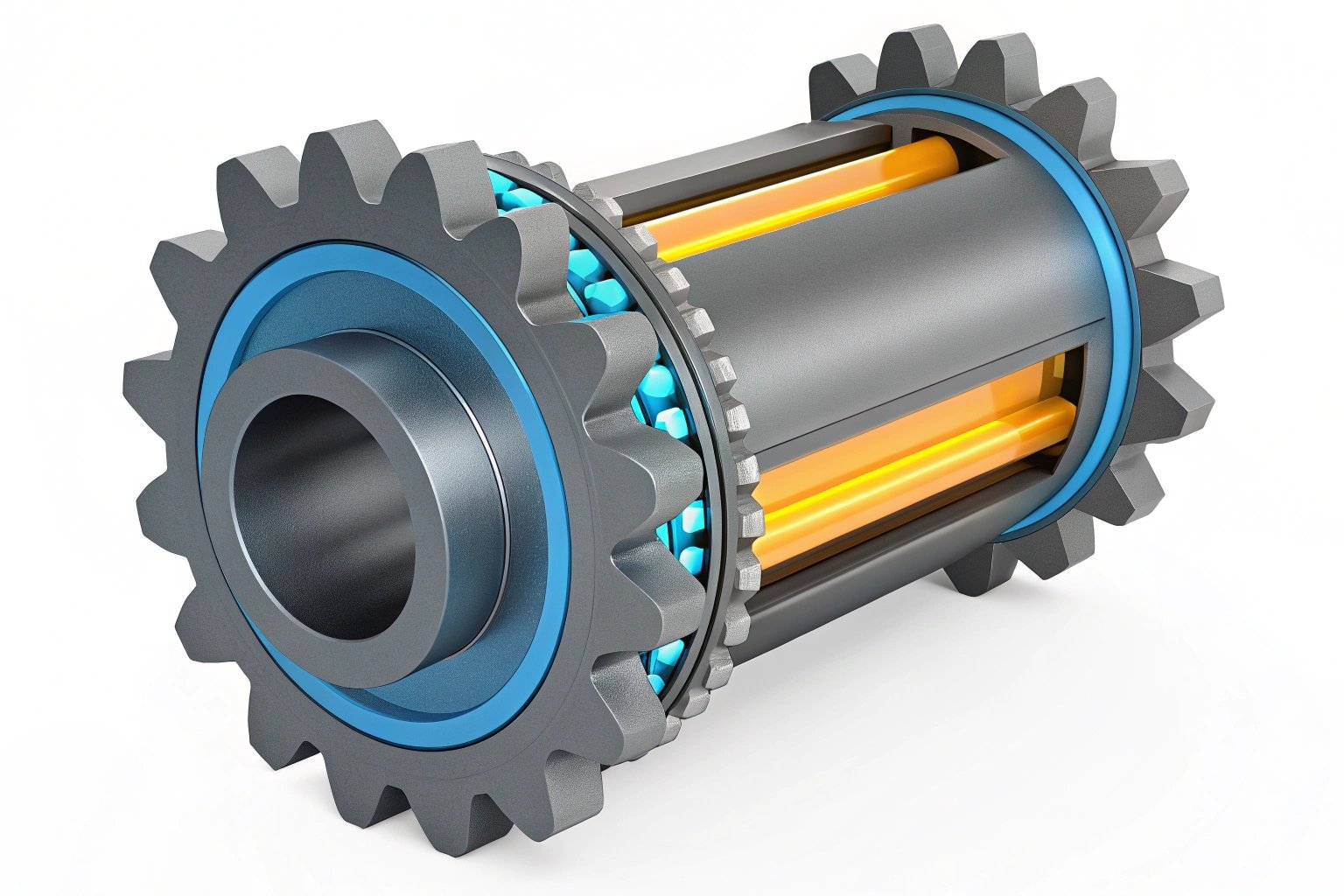
How Induction Hardening Works
We use high-frequency electricity to heat the outside of the bushing very quickly, then quench it in water or oil. This makes the outside very hard. But we stop the heat from reaching the center. This is important because the bushing needs to absorb the "shock" when the sprocket teeth hit it. If the whole bushing was hard, it would shatter. I've seen cheap bushings split in half because the factory didn't control the heat correctly.
Matching Bushings to Sprockets
The relationship between the bushing and the sprocket is like a gear system. If the bushing wears down, the "pitch" of the track changes. This makes the track "stretch." Once the track stretches, it doesn't fit the sprocket anymore, and the wear speed triples. By using deeply hardened bushings, we keep the track at the correct pitch for a much longer time. This protects your expensive sprockets and your final drive motor 10.
The Role of Lubricated Tracks (SALT)
For Cat dozers, most chains are Sealed and Lubricated Tracks (SALT). The bushing has oil inside it. This stops "internal wear" between the pin and the bushing. However, the outside of the bushing still rubs against the sprocket and the dirt. That is why the surface hardness is so critical. We ensure our bushings have a deep "case depth," meaning you can wear off 3mm or 4mm of metal and still be on a hard surface.
Performance Data: Bushing Life
| Hardening Type | Expected Wear Life (Hours) | Failure Risk |
|---|---|---|
| Untreated Steel | 800 - 1,200 | High (Rapid Stretching) |
| Surface Only | 1,800 - 2,500 | Medium (Cracking) |
| Deep Induction Hardened | 4,000 - 6,000+ | Low (Balanced Wear) |
Conclusion
Choosing the best undercarriage parts for your Cat dozer comes down to material, heat treatment, and matching the part to your job. Quality boron steel and deep hardening always pay off.
Footnotes
1. Understand the properties and benefits of boron steel in heavy manufacturing. ↩︎
2. Guide to Rockwell hardness testing and its importance for metal components. ↩︎
3. How induction hardening increases the wear resistance of industrial machinery parts. ↩︎
4. Overview of mechanical face seals designed for extreme environmental conditions. ↩︎
5. Learn about bimetal bearings and their applications in heavy load equipment. ↩︎
6. Discussion on selecting the right track shoe grousers for specific terrain. ↩︎
7. Best practices for managing and extending the life of machine undercarriages. ↩︎
8. Explanation of through-hardening versus surface hardening for structural integrity. ↩︎
9. Technical data on nitrile rubber’s resistance to oil and high temperatures. ↩︎
10. Understanding the function and maintenance of final drives in tracked vehicles. ↩︎