
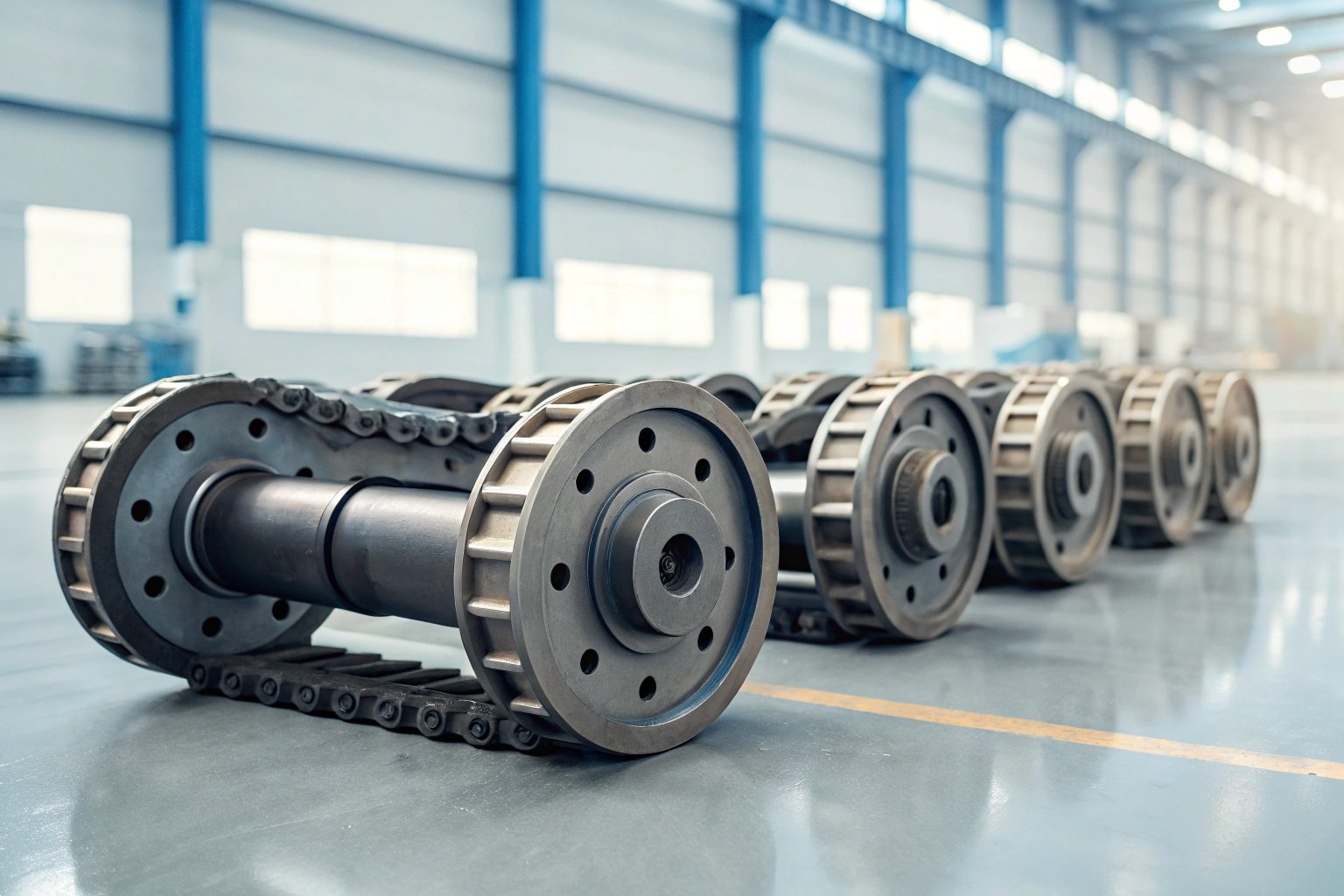
I know the frustration of watching your Cat D3B sit idle because a simple undercarriage part failed. Over my 20 years in the industry, I have learned that durability is everything in construction.
To ensure Cat D3B longevity, you must focus on seven essential parts: track chains, bottom rollers, carrier rollers, idlers, sprockets, track shoes, and guards. Maintaining these components through proper tensioning and timely replacement prevents costly downtime and extends the machine's service life.
If you want to stop burning money on frequent repairs, you need to understand how these parts work together. Let’s dive into the technical details that keep your bulldozer moving efficiently.
How does the case-hardening depth of my D3B track links affect their total wear life?
I have seen many buyers choose cheap links only to regret it when the metal wears down in months. My experience shows that what is inside the steel matters more than the price tag.
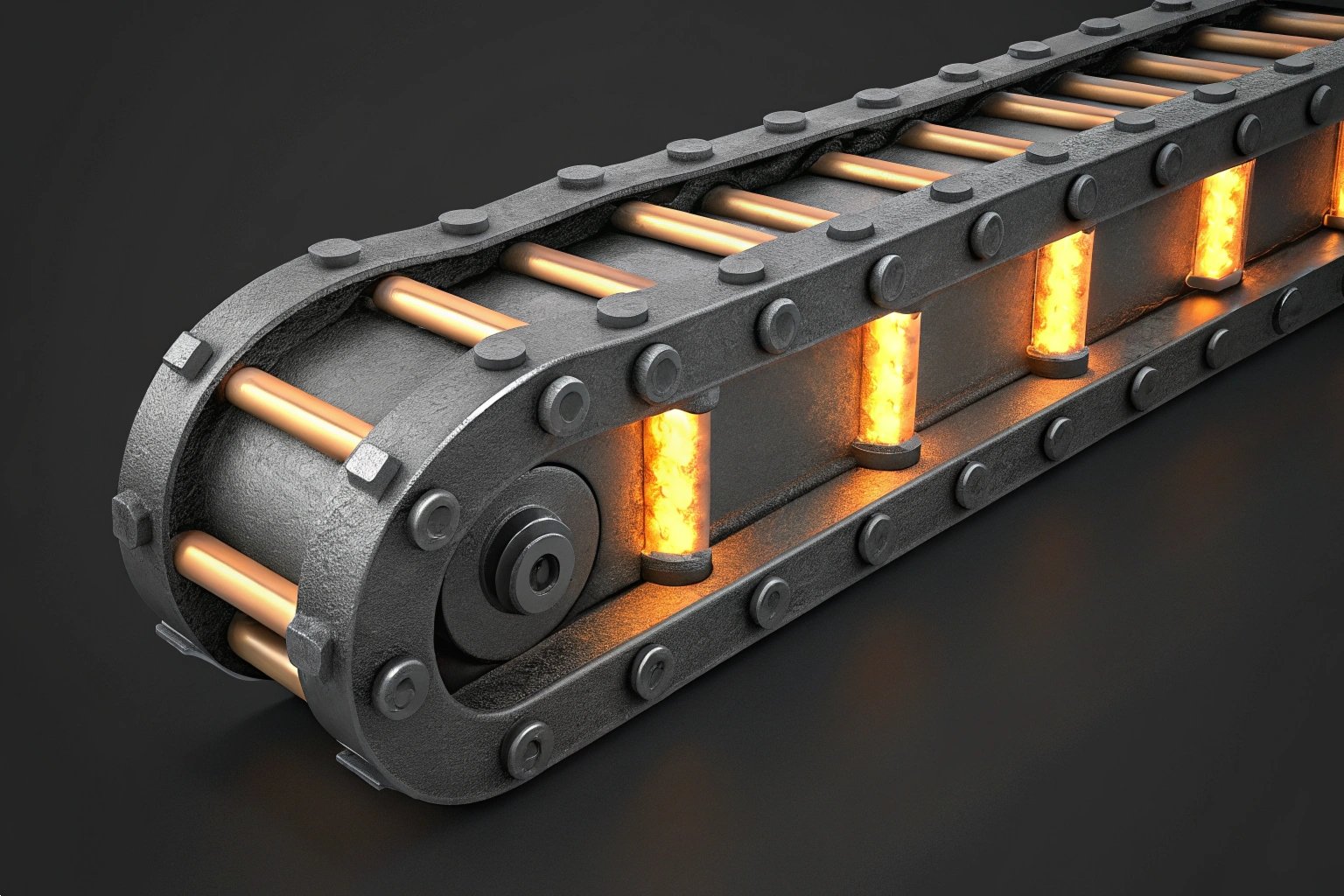
The case-hardening depth determines how long a track link can resist surface abrasion before reaching its soft core. For a Cat D3B, a deep heat-treated layer ensures the link maintains its structural integrity even after thousands of hours of heavy friction against rollers.
The Science of Surface Hardness
When we manufacture track links at Dingtai, we focus heavily on the quenching process 1. Case-hardening is not just a coating; it is a structural change in the steel. For a machine like the D3B, which often works in sandy or rocky soils, the external surface of the link is under constant attack. If the hardening depth is too shallow—say, only 2 or 3 millimeters—the link will perform well initially but fail suddenly once that thin layer is gone. Once the "soft" inner steel is exposed, the rate of wear increases by nearly three times. This leads to what we call "track snake," where the links become loose and the machine loses its precision.
Why Material Consistency Matters
It is not just about how deep the hardness goes, but how consistent it is across the entire batch. In my years of exporting to the US market, I have seen David Miller and other pros demand heat treatment data. They know that if one link is softer than the rest, it creates a weak point. This weak point causes the track to stretch 2 unevenly. This uneven stretching puts extra pressure on your sprockets and idlers. To help you understand the specs we look for, check the table below for standard expectations in high-quality D3B parts.
Critical Wear Specifications for D3B Links
| Component Feature | Standard Specification | Impact on Longevity |
|---|---|---|
| Material Grade | 35MnB or 40Mn2 | Provides the base toughness needed for impact. |
| Surface Hardness | HRC 52-58 | Resists initial abrasion from soil and rocks. |
| Hardening Depth | 8mm - 12mm (depending on link size) | Determines the "usable" life before replacement. |
| Core Hardness | HRC 32-38 | Prevents the link from snapping under heavy loads. |
Looking Beyond the Surface
I always tell my clients to look at the grain structure of the steel 3. When you use a deep induction hardening process, you create a transition zone between the hard shell and the tough core. This zone is vital for absorbing the shocks of a bulldozer hitting a rock. If the transition is too sharp, the hard shell can actually flake off, a process called spalling. I have seen this happen with low-quality aftermarket parts where the cooling process was rushed. At our factory, we ensure a slow, controlled temper to make sure the link stays in one piece until the very end of its wear cycle.
Why are "SALT" (Sealed and Lubricated Track) chains a superior choice for my D3B bulldozer?
I often get asked if the extra cost of SALT chains is worth it for an older D3B. Based on the feedback from my long-term partners, the answer is almost always a loud "yes" for high-production environments.
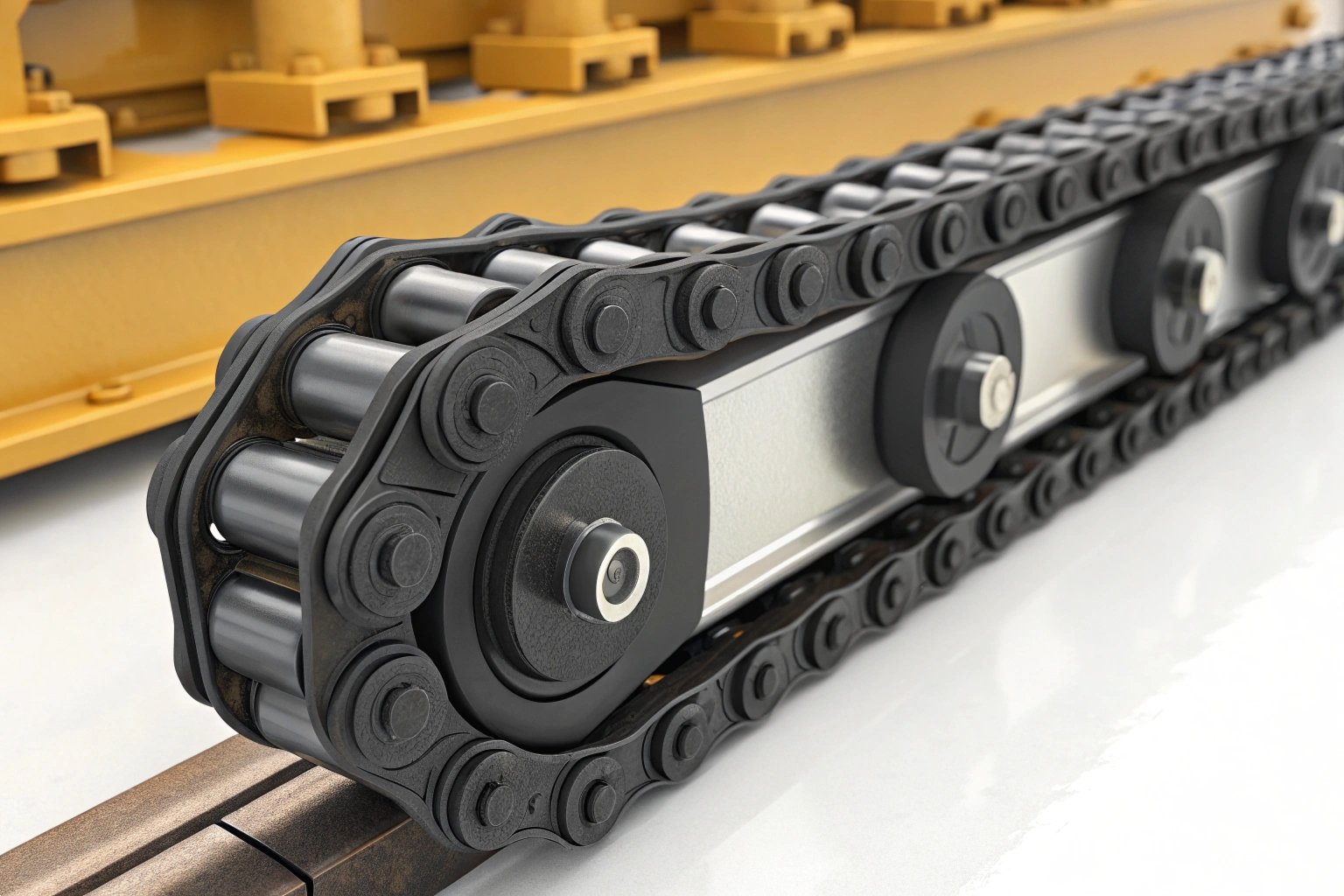
SALT chains use internal oil reservoirs to keep pins and bushings lubricated, which virtually eliminates internal friction. This prevents "pitch extension" or track stretching, allowing the undercarriage to last significantly longer than traditional dry chains in most working conditions.
Eliminating Internal Friction
The biggest enemy of a D3B undercarriage is internal wear between the pin and the bushing. In a dry chain, dust and grit eventually work their way into the joints. This turns into a grinding paste 4 that eats away at the metal. I have seen dry chains stretch so much that the operator can no longer adjust the tension. SALT chains solve this by using a permanent seal to lock oil inside. This oil creates a film that prevents metal-on-metal contact. When you reduce that friction, you stop the chain from getting "longer," which is the primary reason tracks need to be replaced.
The Value of the "Bushing Turn"
One of the best things about SALT chains is that they make "bushing turns" more effective. Since the internal wear is so low, the outside of the bushing is usually the only part that wears down. Around the 50% wear mark, you can actually rotate the bushings 180 degrees. This gives you a brand-new wearing surface. I have helped customers like David Miller double their track life just by timing this maintenance correctly 5. It turns a single purchase into a long-term investment that saves thousands in the long run.
Comparison: Dry Chains vs. SALT Chains
| Feature | Dry Track Chains | SALT Track Chains |
|---|---|---|
| Internal Lubrication | None (Metal on Metal) | Oil-filled with internal seals |
| Noise Level | High (Squeaking/Grinding) | Low (Smooth Operation) |
| Heat Generation | High | Low |
| Typical Life Increase | Base Level | 25% to 50% longer |
| Best Use Case | Low-hour or light utility work | High-hour, professional earthmoving |
Real-World Savings
I remember a client who was hesitant about the 20% price premium for SALT chains. We did the math together. Over two years, he was replacing dry chains every 1,500 hours. After switching to SALT, he reached 2,300 hours before needing any major service. When you factor in the labor cost of taking the machine out of service and the price of the new parts, the SALT chains 6 actually cost him less per hour of operation. It is this kind of technical efficiency that keeps a business profitable.
How can I tell if my D3B's drive sprockets need to be replaced before they damage new chains?
I have seen many people make the mistake of putting a brand-new, expensive track chain on a set of worn-out sprockets. I call this "the silent profit killer" because it ruins your new parts in weeks.
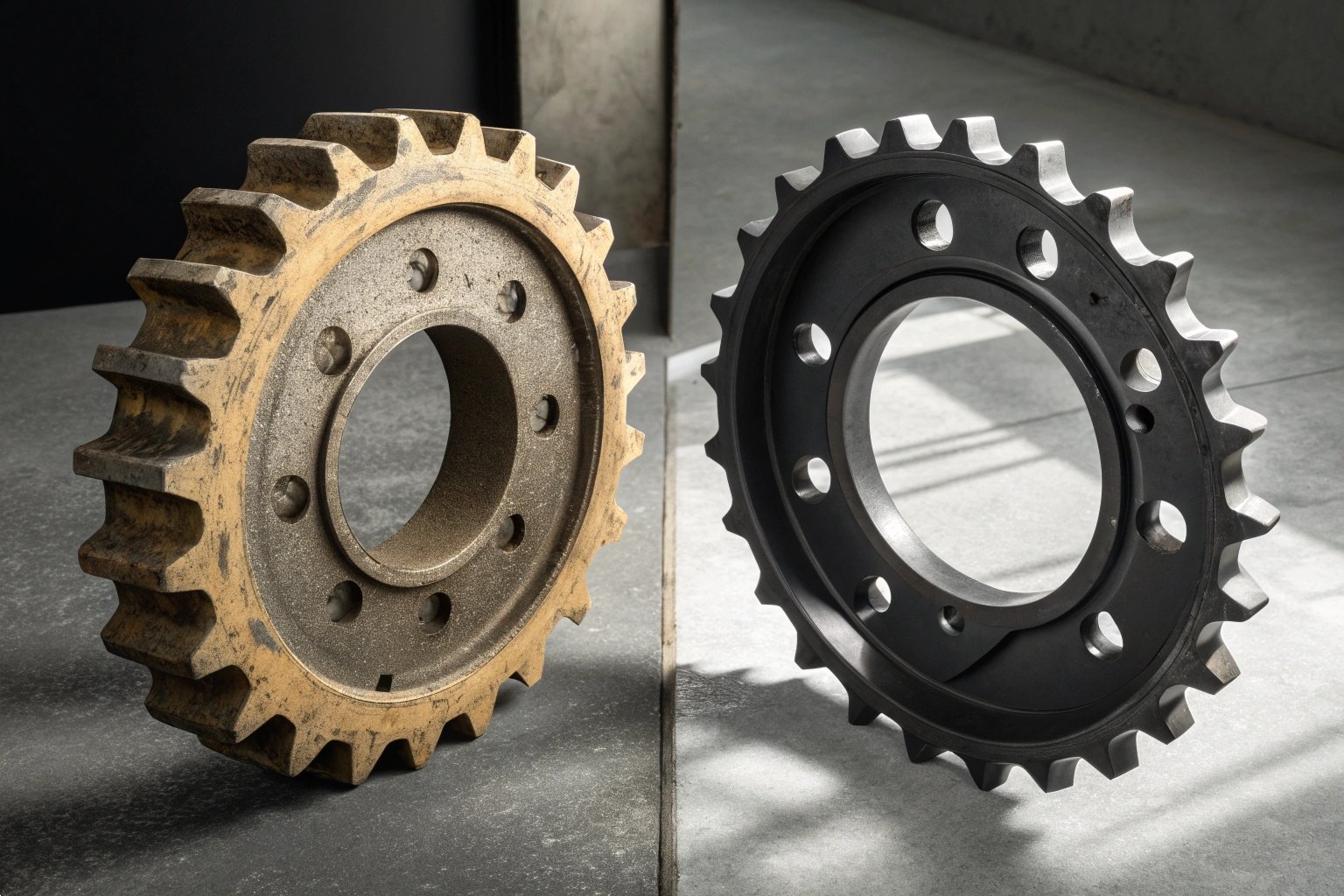
You can tell a D3B sprocket needs replacement if the teeth have become "pointed" or "hooked" rather than rounded. If the root of the tooth is deeply pitted or the thickness is reduced by more than 20%, it will mistime with your track bushings and cause rapid wear.
Identifying the "Hook" Shape
A healthy sprocket tooth has a specific shape designed to cradle the track bushing. As it wears, the friction from the chain pulls at the metal, creating a hook-like appearance. If you run a new chain on these hooks, the bushing will not sit correctly in the tooth. Instead, it will "climb" the tooth and then slam down into the root. This impact can actually crack the bushings on your new track 7. I always tell my team to check the tips of the teeth; if they are sharp enough to cut your finger, they are sharp enough to kill your budget.
Measuring Root Wear
The "root" is the bottom area between two sprocket teeth. This is where the bushing should rest. Over time, this area gets deeper and wider. If the root is too wide, the track will "slap" as it moves, creating vibration that travels through the entire final drive. I recommend using a simple caliper or a manufacturer-provided wear gauge 8. If the measurement exceeds the Caterpillar service limit for the D3B, you must replace the segments. Since the D3B often uses bolt-on sprocket segments, the replacement is actually quite fast if you catch it early.
Sprocket Wear Checklist
Signs Your Sprockets Are Finished
- Pointed Teeth: The top of the tooth has lost its flat or rounded edge.
- Hooking: The tooth profile is leaning in the direction of rotation.
- Side Wear: The sides of the teeth are thinned out, indicating alignment issues.
- Pitting: Large chunks of metal are missing from the tooth surface.
- Bolt Movement: The bolts holding the segments are loose or the holes are oval-shaped.
The Cost of Neglect
I once worked with a distributor who ignored sprocket wear to save a few hundred dollars. Within three months, the internal bushings of his new $4,000 track group were flattened. He ended up spending double the money and had a machine down for another week. In the B2B world, we emphasize that "new chains deserve new sprockets" 9. It is a rule of thumb that ensures the geometry of the entire undercarriage stays in sync.
What benefits do heavy-duty rock guards provide for my Cat D3B undercarriage in rocky terrain?
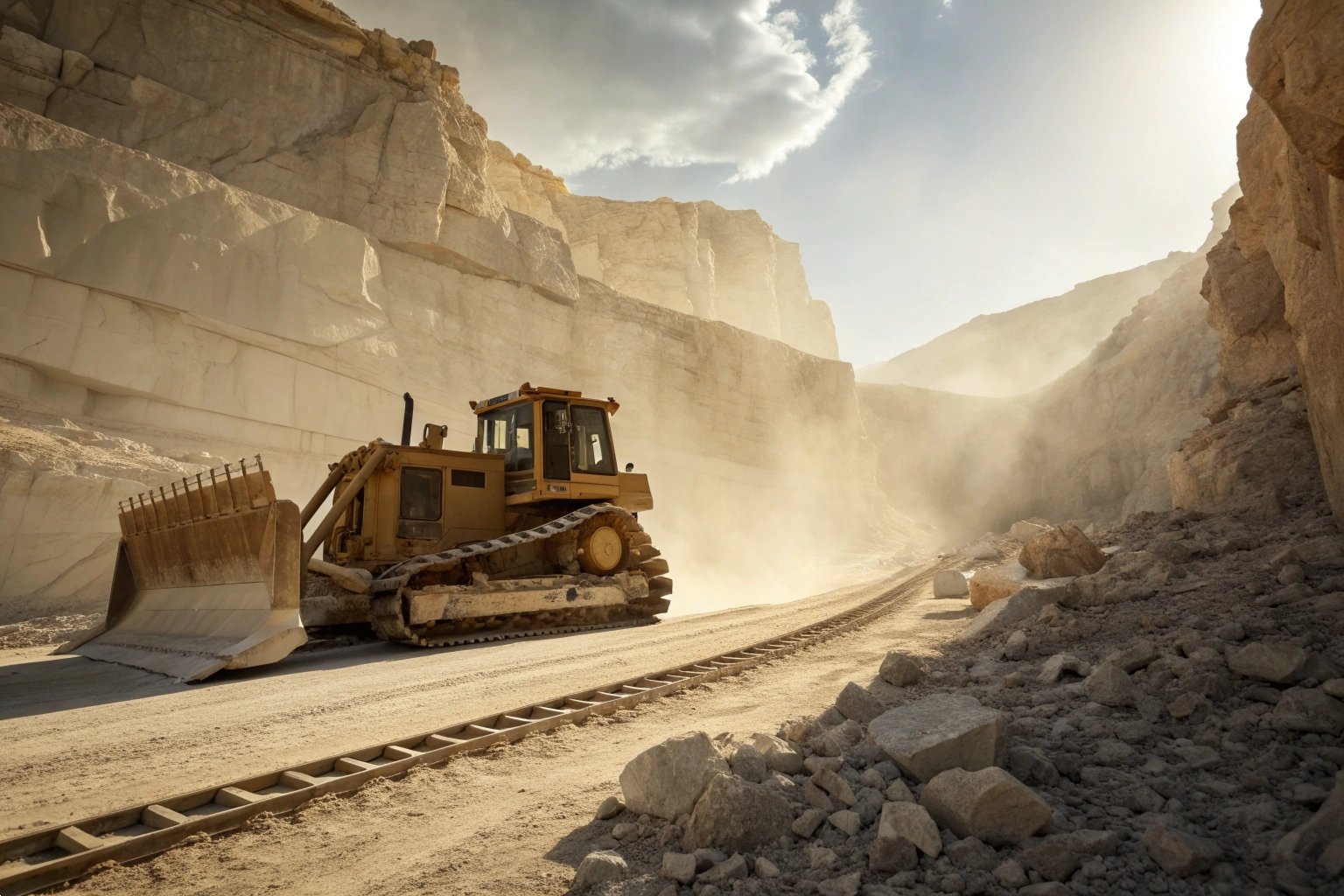
I have walked many jobsites where the ground was nothing but jagged limestone. In those environments, I consider rock guards to be the "insurance policy" for your rollers and links.
Heavy-duty rock guards protect the D3B undercarriage by preventing large stones from wedging between the rollers and the track links. They also minimize side-to-side "snaking" of the chain, which reduces flange wear on your rollers and keeps the track properly aligned during side-hill operation.
Preventing Debris Entry
The primary job of a rock guard is to act as a shield. When a D3B operates in loose rock, stones often get picked up by the track. Without guards, these stones can get crushed between the sprocket and the bushing, or wedged inside the idler. This causes "shock loading" 10, which can snap pins or even crack the final drive housing. By installing full-length guards, you create a physical barrier that keeps the "trash" out. This is especially important for the D3B, which is a smaller, more agile machine that often works in tight, debris-filled spaces.
Supporting the Chain Alignment
Beyond just blocking rocks, guards provide structural support. When you are turning the bulldozer on a slope, the track chain wants to slide off the rollers. This creates massive pressure on the roller flanges. Rock guards act as a guide, keeping the chain centered. This reduces the "scrubbing" action that wears down the sides of your links. In my experience, machines equipped with full rock guards show 20% less side-wear on their links compared to those without. It keeps the entire system running "true."
Guard Configuration Comparison
| Guard Type | Best Environment | Primary Benefit |
|---|---|---|
| Center Guards | Dirt and Clay | Protects the middle rollers from mud buildup. |
| End Guards | General Construction | Prevents de-tracking at the idler and sprocket. |
| Full-Length Guards | Mining and Rock | Total protection from debris and side-loading. |
Reducing Maintenance Labor
I often tell David Miller that rock guards pay for themselves in labor savings alone. When mud and rocks are allowed to pack into the undercarriage, it becomes a nightmare to clean and inspect. A packed undercarriage also runs hotter, which can damage the rubber seals in your rollers. By keeping the area relatively clear, you make it easier to see when a roller has stopped turning or when a bolt has come loose. It is about making the maintenance manager's life easier while protecting the bottom line.
Conclusion
Maximizing your Cat D3B undercarriage life requires high-quality parts and proactive care. By focusing on case-hardening depth, using SALT chains, and replacing worn sprockets, you ensure long-term profitability and reliability.
Footnotes
1. Overview of quenching techniques used to increase metal surface hardness. ↩︎
2. Expert advice on measuring and preventing track chain stretching. ↩︎
3. Educational resource on steel grain structures and their impact on toughness. ↩︎
4. How contaminants act as abrasive paste in heavy equipment joints. ↩︎
5. Official Caterpillar guide for inspecting and maintaining dozers. ↩︎
6. Community discussion comparing the benefits of SALT versus dry tracks. ↩︎
7. Technical article on managing undercarriage wear for crawler equipment. ↩︎
8. Detailed technical specifications for the Caterpillar D3B model. ↩︎
9. Best practices for synchronizing sprocket and chain replacements. ↩︎
10. Understanding how shock loading impacts undercarriage structural integrity. ↩︎