

Searching for suppliers online
Understanding how a supplier manages its raw material suppliers is vital. This ensures your provided undercarriage parts 1 meet quality requirements 2 and function reliably under stress.
Inquiring into raw material supplier protocols gives insights into quality control, risk management, and long-term supply chain stability.
Do they have a formal approval process for their steel suppliers?
Formal approval processes 3 establish consistent material quality.
Yes, a supplier should have formal procedures to qualify and audit steel suppliers to ensure they meet required standards and provide reliable materials for production.

Approval process scrutiny
- Supplier Qualification 4: Involves rigorous checks for certification, reputation, and compliance to material standards.
- Regular Audits 5: Allow for continuous verification of supplier capabilities and adherence to quality specifications.
- Selection Criteria: Based on material grade compatibility and historical performance reliability.
Approval criteria table
| Approval Aspect | Importance | Assurance Offered |
|---|---|---|
| Qualification | Critical | Consistency |
| Audits | Continuous | Quality checks |
Do they require material test certificates from their suppliers for every batch of raw material?
Batch-specific certifications ensure material performance.
Yes, it is crucial for a supplier to require material test certificates 6 for each batch to verify compliance with specifications and detect any inconsistencies early.

Certificate significance
- Quality Verification: Confirms material composition meets contractual specifications.
- Batch Traceability 7: Ensures accountability, linking specific batches to finished parts.
- Defect Identification: Early detection of potential material flaws or deviations.
Certification relevance
| Certification Aspect | Details | Assurance |
|---|---|---|
| Batch Verification | Composition check | Reliability |
| Traceability | Link to production | Accountability |
How does their control over raw materials impact the final quality of my parts?
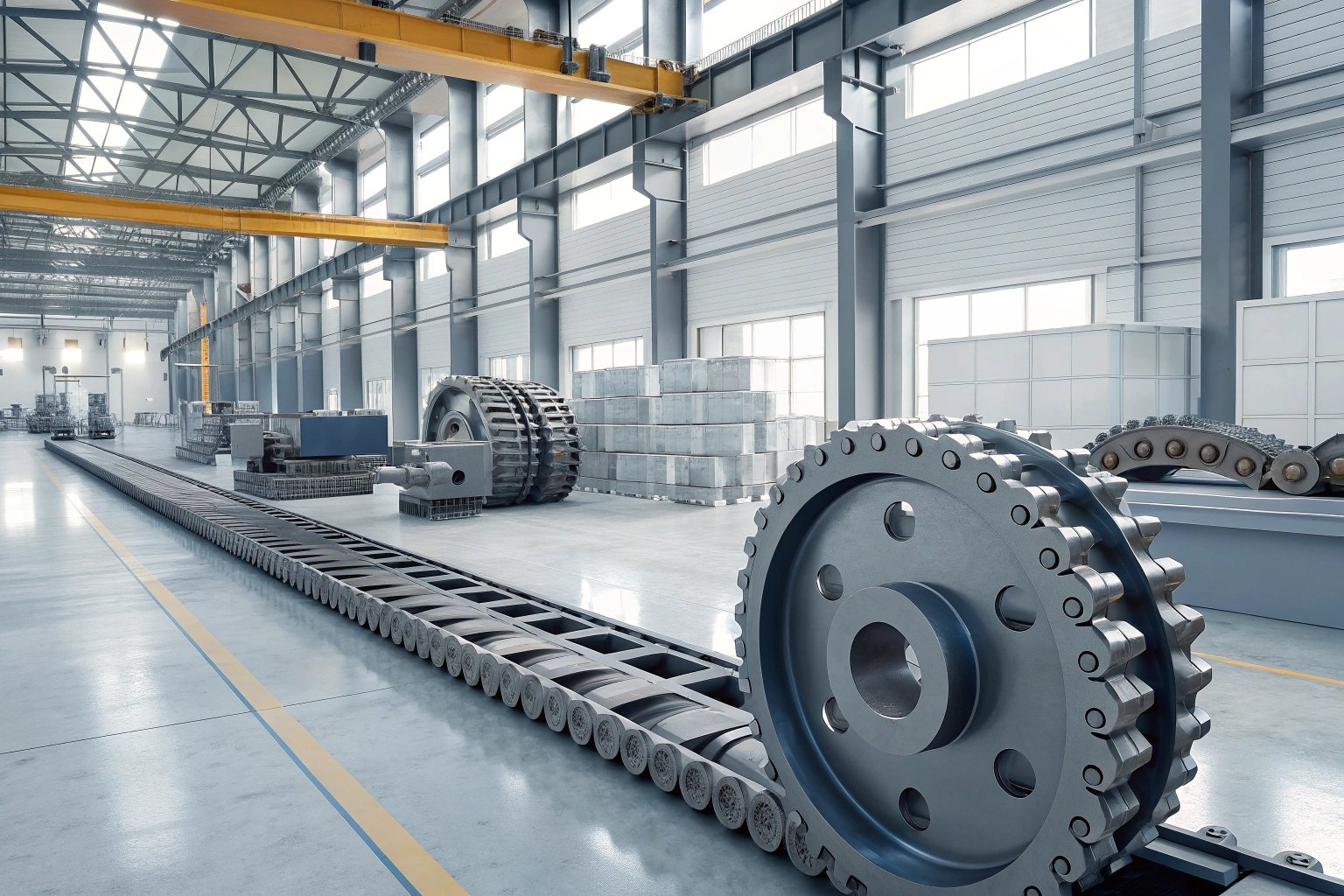
Material control directly influences product durability 8.
Effective raw material management leads to consistent, high-quality parts, reducing risks of failures and enhancing overall performance.
Impact highlights
- Material Consistency: Superior parts originate from high-grade, defect-free materials.
- Durability: Reliable materials contribute to longer part service life under harsh conditions.
- Performance: Properly controlled inputs ensure parts meet expected operational standards.
Impact analysis
| Control Aspect | Final Influence | Quality Enhancement |
|---|---|---|
| Consistency | Durability | Improved |
| Performance | Reliability | Optimized |
Is their raw material supply chain stable enough to prevent production delays?
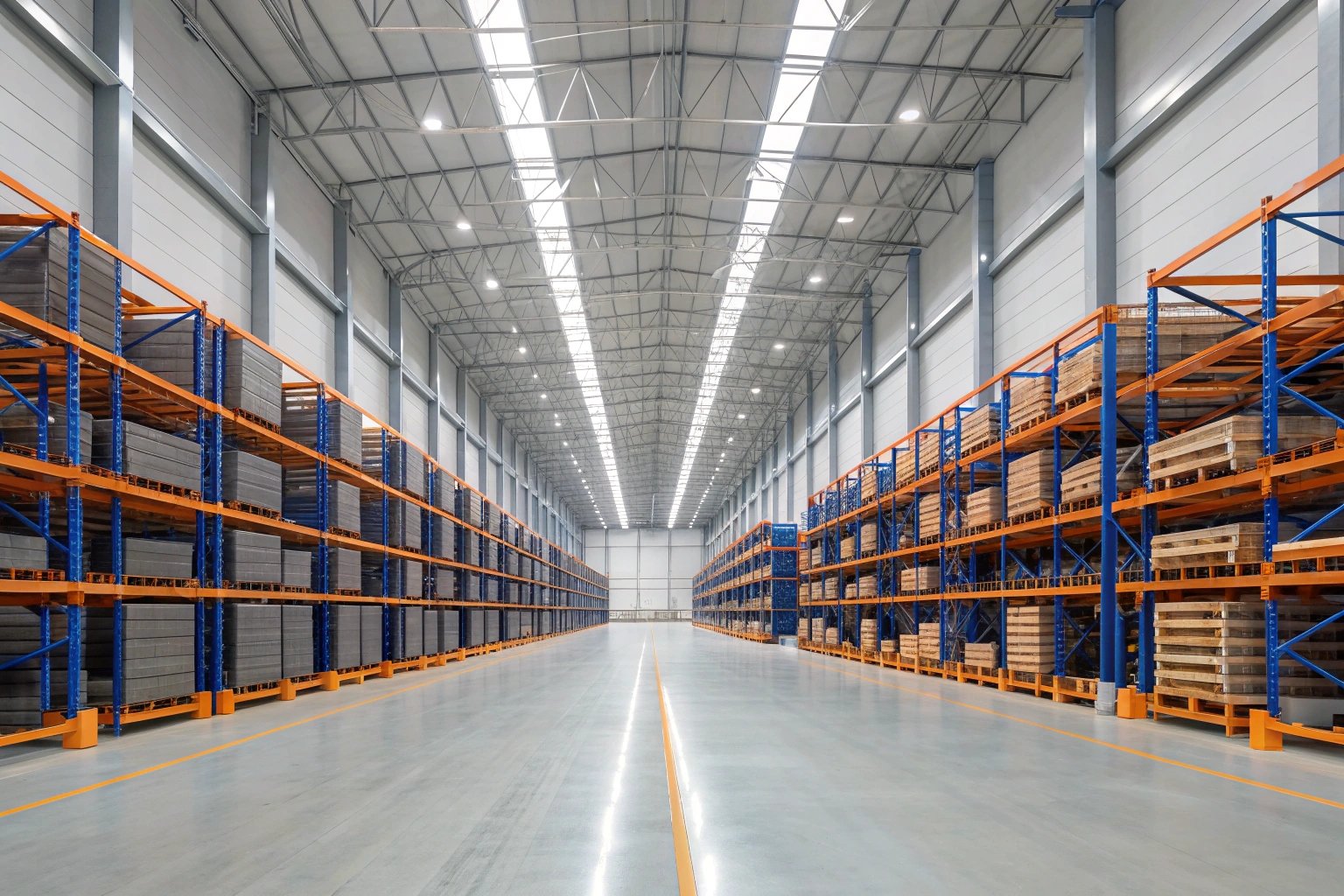
Supply chain stability 9 mitigates disruption risks.
A stable supply chain is essential for avoiding delays that affect delivery schedules and overall project timelines.
Stability evaluation
- Supplier Redundancy 10: Multiple sources minimize dependency risk.
- Inventory Buffering: Strategic material stocking reduces immediate disruption risks.
- Logistical Assurance: Efficient transport systems support timely material delivery.
Stability assessment
| Stability Aspect | Benefit | Delay Mitigation |
|---|---|---|
| Redundancy | Low risk | Reduced |
| Buffering | Stock control | Immediate response |
Conclusion
By investigating raw material management protocols, you ensure quality and reliability in your supply chain, minimizing risks associated with inconsistent materials and production delays.
Footnotes
1. See diagrams and definitions of various excavator undercarriage components. ↩︎
2. Overview of common quality standards in heavy machinery manufacturing. ↩︎
3. Best practices for establishing a formal supplier vetting and approval system. ↩︎
4. Guide to the criteria and steps involved in qualifying new suppliers. ↩︎
5. Learn the importance and methodology of conducting routine supplier audits. ↩︎
6. Example and explanation of what a material test certificate (MTC) includes. ↩︎
7. How batch traceability works and why it's crucial for quality control. ↩︎
8. Engineering principles and testing methods for ensuring construction part durability. ↩︎
9. Strategies for building resilience and stability in global supply chains. ↩︎
10. Analysis of multi-sourcing strategies to mitigate supply chain risk. ↩︎