
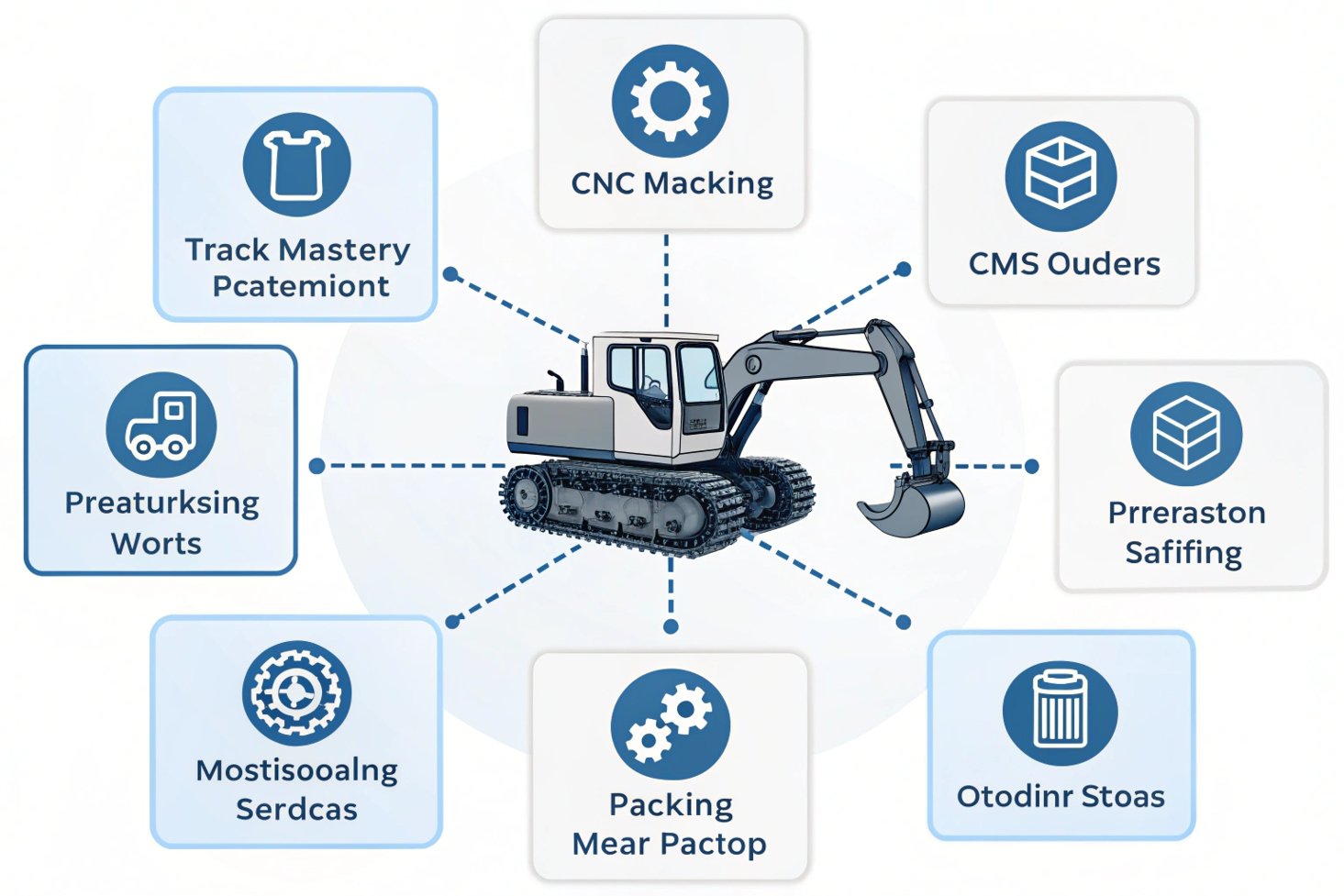
It is entirely reasonable to request regular visual updates from suppliers on your orders, ensuring transparency and quality control.
Regular visual updates are a standard request for B2B transactions, particularly for high-value excavator parts, to monitor production progress and quality.
How often should I ask for an update without being disruptive to their operations?
Balance is key in update requests.
Requesting monthly updates or photo reviews at key production milestones, such as post-material procurement and pre-packaging, ensures monitoring without overwhelming suppliers.

Optimal update schedule
- Monthly Photos: Provides regular insights into supply chain management 1 practices.
- Key Milestones: Minimizes disruption while maximizing information through production scheduling 2 optimization.
Update frequency
| Stage | Update Frequency | Benefit |
|---|---|---|
| Material Procurement | Initial Confirmation | Early Insights |
| Pre-packaging | Final Check | Assured Quality |
What key stages of production should I ask to see photos of?
Target useful milestones for clarity.
Critical production stages to observe include post-heat treatment, final assembly, and pre-packaging which offer valuable insights into quality and status.
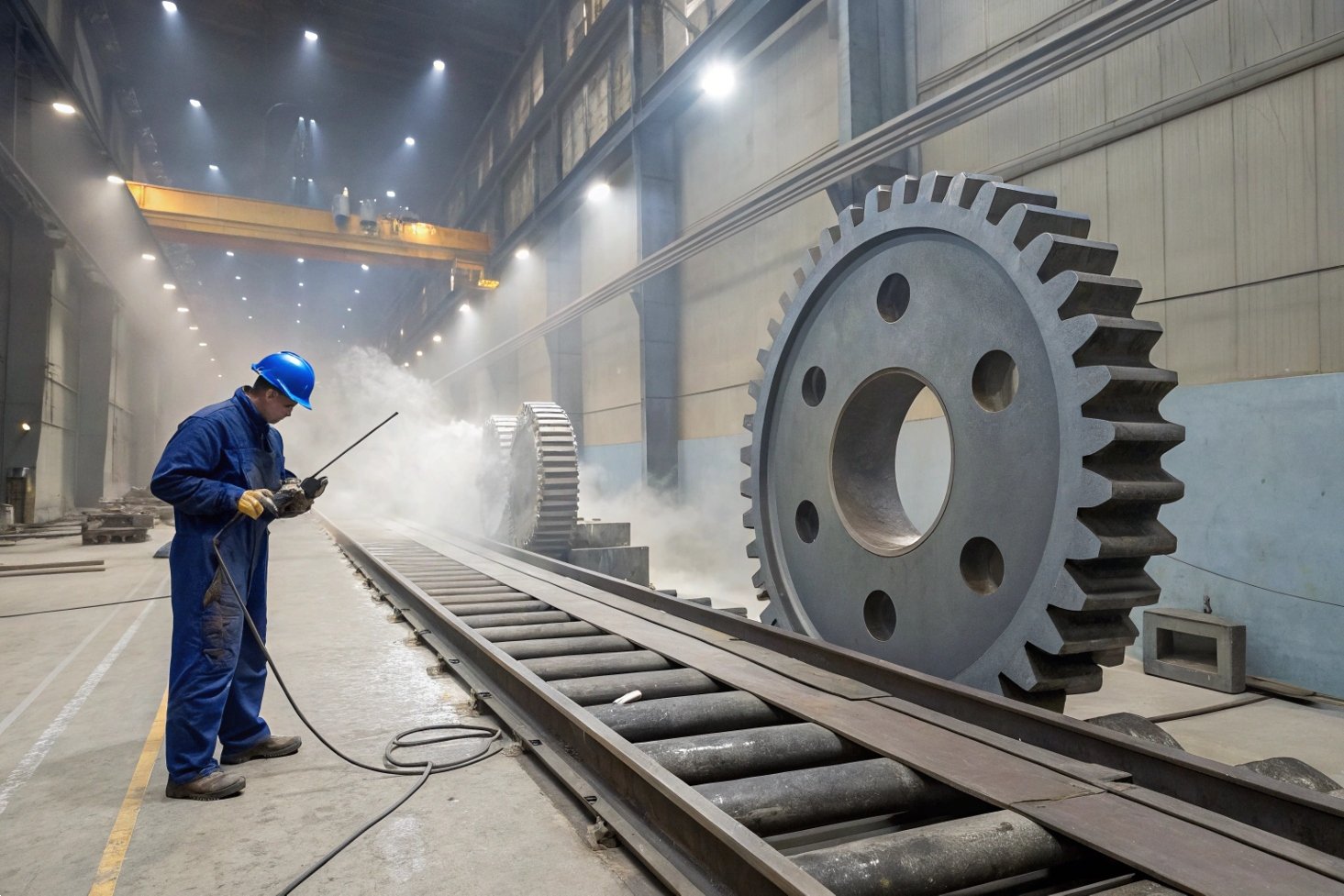
Important production stages
- Post-Heat Treatment: Checks quality and integrity of the heavy equipment 3 components.
- Pre-Packaging: Confirms readiness for shipment and adherence to international shipping standards 4.
Stages of interest
| Stage | Importance | Observation Benefit |
|---|---|---|
| Heat Treatment | Structure Verification | Quality Assurance |
| Assembly | Specification Check | Consistency |
Can these photo updates serve as an early warning system for potential problems?
Visual evidence can prevent future issues.
Photo updates aid in identifying discrepancies early, like material defects or non-adherence to specifications, enabling proactive correction.

Detection advantage
- Material Flaws: Early signs of defects identified through quality assurance 5 protocols.
- Specification Compliance: Ensures adherence to technical specifications 6 during the build process.
Early warning metrics
| Aspect | Potential Issue | Response |
|---|---|---|
| Material Quality | Flaws | Corrective Action |
| Spec Adherence | Deviations | Rectification |
How can I tell if the photos I'm receiving are genuinely from my current production run?
Verify authenticity for accuracy.
Ensuring photos are from the correct batch involves cross-referencing with part numbers, logos, and verification timestamps during quality inspections.
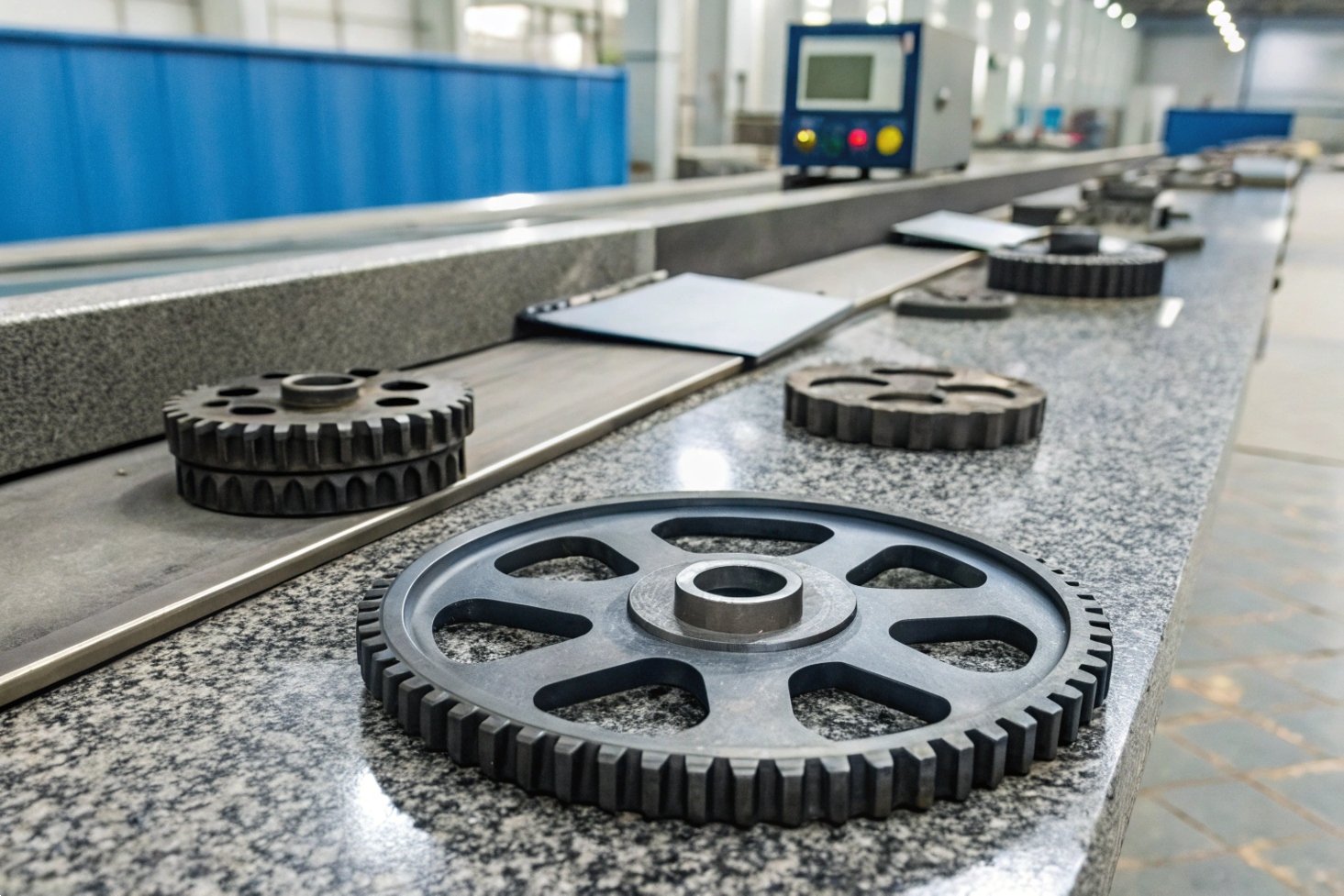
Ensuring genuineness
- Part Numbers: Unique identifiers confirm accuracy via inventory management systems 7.
- Timestamps: Align production with visual records to maintain industrial transparency 8.
Authenticity check
| Element | Verification | Confidence |
|---|---|---|
| Part Numbers | Cross-Check | Confirmation |
| Production Timestamps | Match | Assurance |
Conclusion
Requesting regular visual updates fosters transparency and quality control, facilitating timely identification of issues and establishing supplier trust 9 through consistent communication and visual verification 10 practices.
Footnotes
1. Insights into global supply chain management and logistics efficiency. ↩︎
2. Comprehensive guide to modern production scheduling and ERP integration. ↩︎
3. Resource for heavy equipment marketplace trends and component standards. ↩︎
4. Overview of ISO standards for international shipping and logistics management. ↩︎
5. Professional resources for quality assurance and process improvement methodologies. ↩︎
6. Global platform for technical specifications and engineering excellence. ↩︎
7. Explanation of how inventory management systems track specific part batches. ↩︎
8. Best practices for maintaining transparency in global industrial partnerships. ↩︎
9. Leadership insights on building long-term trust with B2B suppliers. ↩︎
10. Information on advanced visual verification and inspection technologies. ↩︎