
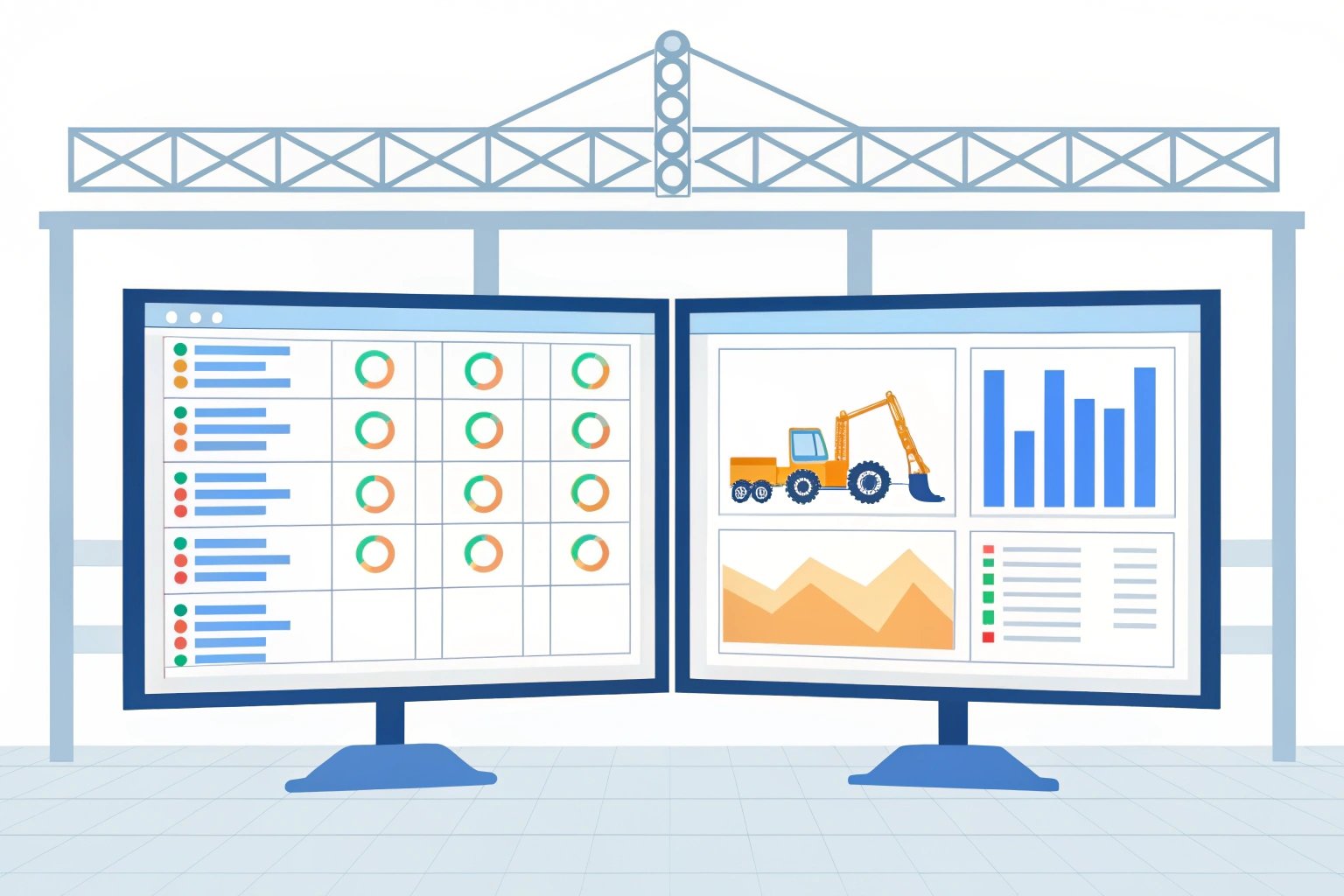
Requesting a 100% final inspection for undercarriage parts for excavators is achievable, but it requires careful consideration of your order size, supplier capabilities, and cost implications 1.
While this inspection strategy can be justified for high-value or critical components, you must balance rigorous quality checks with associated costs and potential shipping delays.
What are the key criteria that should be included in a 100% final inspection checklist?
A thorough checklist ensures every component meets quality standards.
Include criteria such as dimensional accuracy 2, surface finish quality 3, material properties verification 4, functional testing 5, and overall compliance with order specifications.

Essential inspection criteria
- Dimensional Accuracy: All measurements within specified tolerances.
- Surface Finish: Absence of defects like scratches, dents, or irregularities.
- Material Verification: Confirm consistency with material certificates.
- Functional Testing: Smooth operation and fit without excess play.
- Compliance Verification: Adherence to delivery and packaging specifications.
Inspection checklist
| Item | Criteria | Verification Method |
|---|---|---|
| Size and Shape | Accurate dimensions | Precision tools |
| Surface Integrity | Smooth finish | Visual checks |
| Material Consistency | Match certificates | Documentation review |
Can I get a sample inspection report from a previous production run to review?
Access to previous inspection reports helps establish trust and transparency.
Request sample inspection reports 6 to better understand the supplier’s standard practices and quality assurance protocols 7.

Reviewing past reports
- Inspection Content: Verify inclusion of results, criteria, and methods.
- Visual Evidence: Check for documentation with photographic evidence.
- Consistency: Ensure reports align with current specifications.
Sample report elements
| Element | Importance | Use |
|---|---|---|
| Results Summary | Shows past performance | Quality consistency |
| Photographic Evidence | Provides visual proof | Verifies inspection claims |
Should the report include photos of the actual products being inspected?
Visual documentation strengthens inspection credibility, supporting product quality claims.
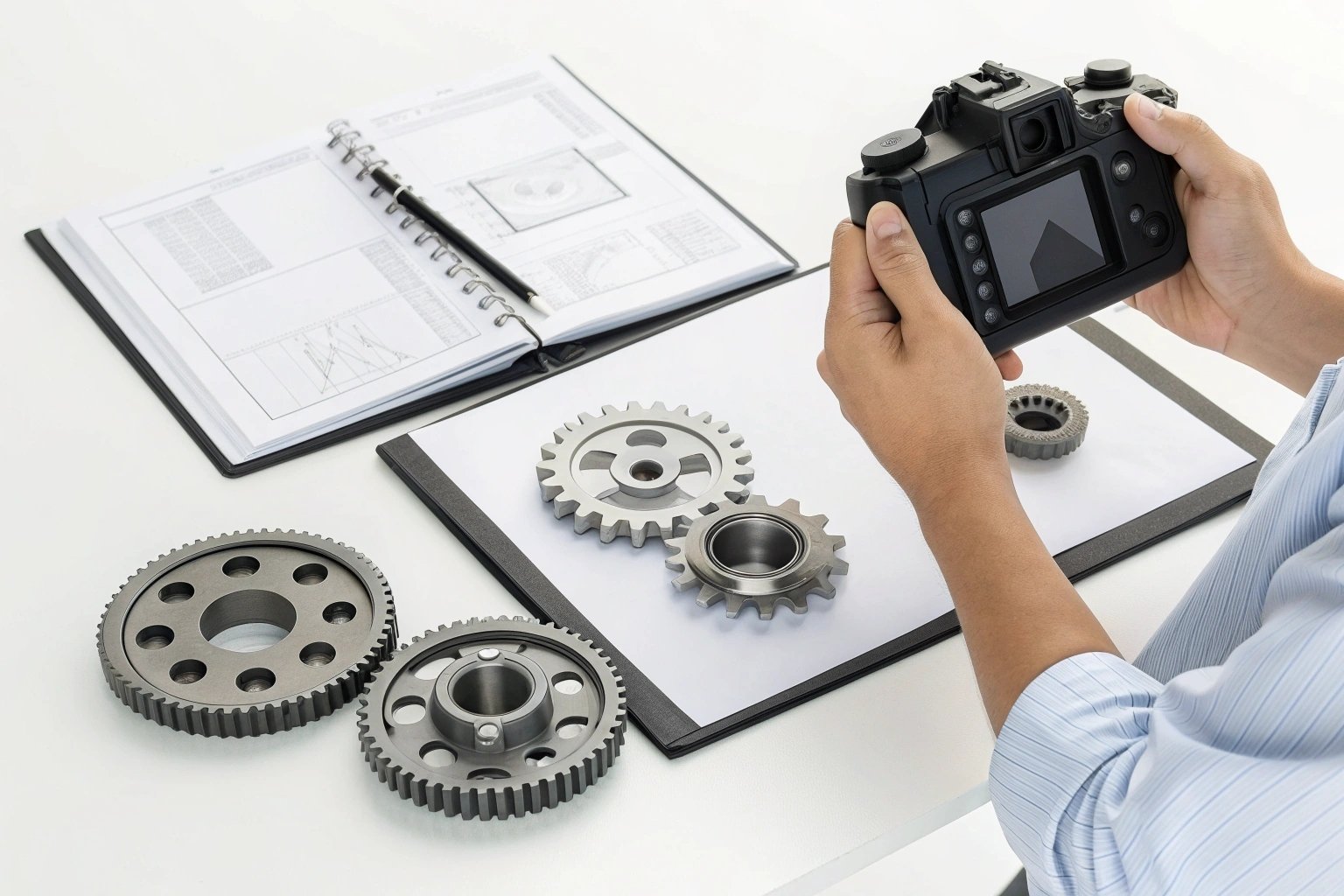
Including photos in the inspection report 8 can help verify that actual parts were inspected and meet specifications visually.
Importance of photos
- Visual Proof: Shows compliance with visual standards.
- Identity Confirmation: Ensures parts match specifications.
- Defect Documentation: Captures anomalies for resolution.
Photo evidence in reports
| Benefit | Role | Assurance |
|---|---|---|
| Visual Compliance | Verify standards | Confirm quality claims |
| Identity Matching | Part verification | Consistency |
Who is responsible for conducting this inspection, and can I have a third party witness it?
Establishing clear responsibilities for inspections ensures accountability and reliability in quality control.
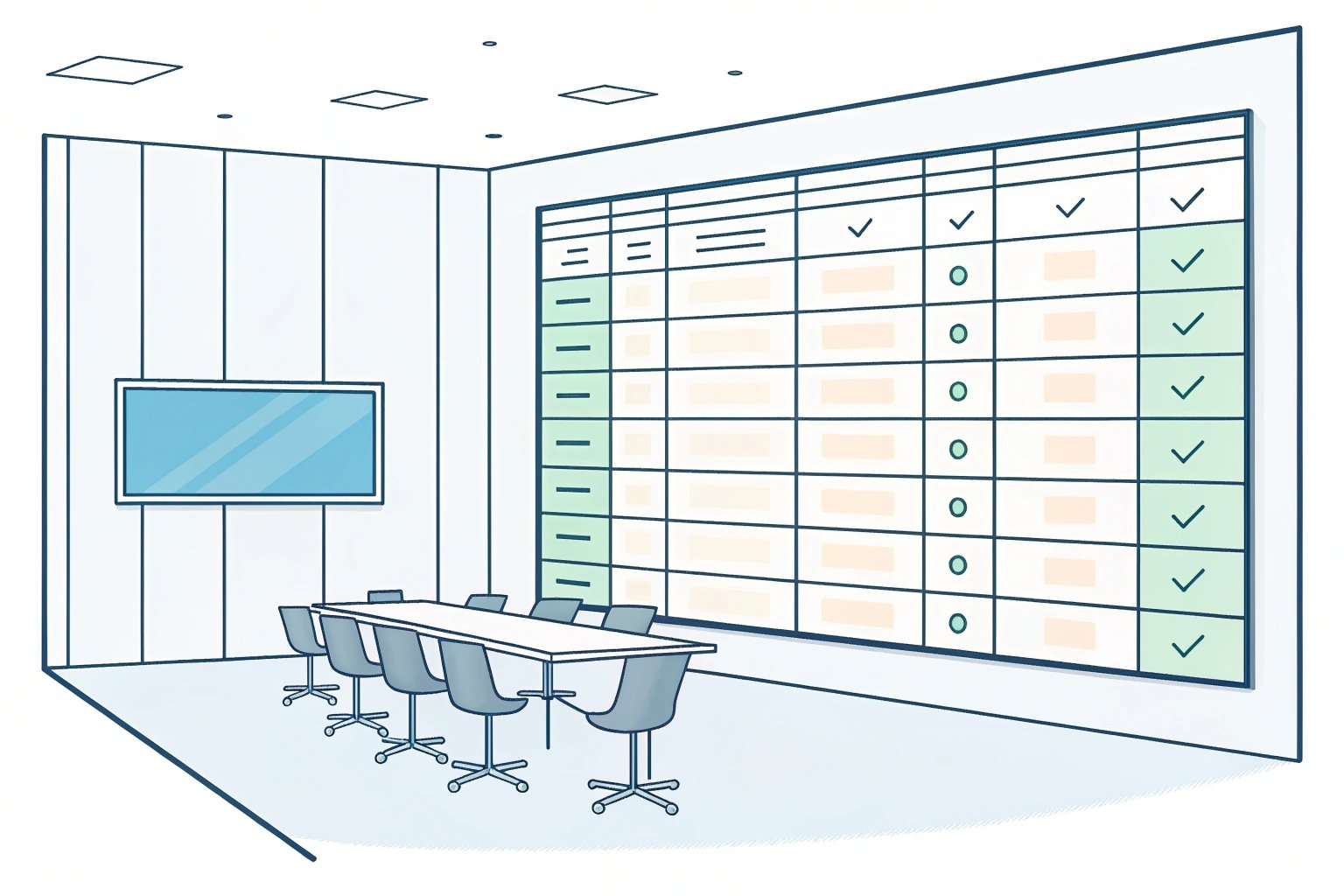
Suppliers typically conduct these inspections, but involving a third party for critical 9 or costly orders can enhance impartiality.
Inspection responsibilities
- Supplier Role: Conduct routine checks consistently.
- Third Party Role: Provide unbiased verification.
- Agreement Terms: Define who oversees and approves inspections.
Inspection accountability
| Party | Role | Benefits |
|---|---|---|
| Supplier | Routine checks | Efficiency |
| Third-party | Impartial verification | Reliability |
Conclusion
Ensuring a 100% final inspection is realistic for critical and high-value orders, provided you address supplier capability, cost implications, and the logistics of thorough quality checks 10.
Footnotes
1. Learn about the cost-benefit analysis of 100% inspection vs. sampling. ↩︎
2. A guide to understanding dimensional accuracy in manufacturing. ↩︎
3. Overview of surface finish inspection standards and measurement. ↩︎
4. Explanation of material properties verification methods in QC. ↩︎
5. Understand the role of functional testing in quality control. ↩︎
6. Learn how to review a supplier's sample inspection report. ↩︎
7. What to include in a comprehensive quality assurance protocol. ↩︎
8. Importance of photographic evidence in quality control reports. ↩︎
9. Discover the benefits of using third-party inspection services. ↩︎
10. View a final inspection checklist for heavy machinery. ↩︎