
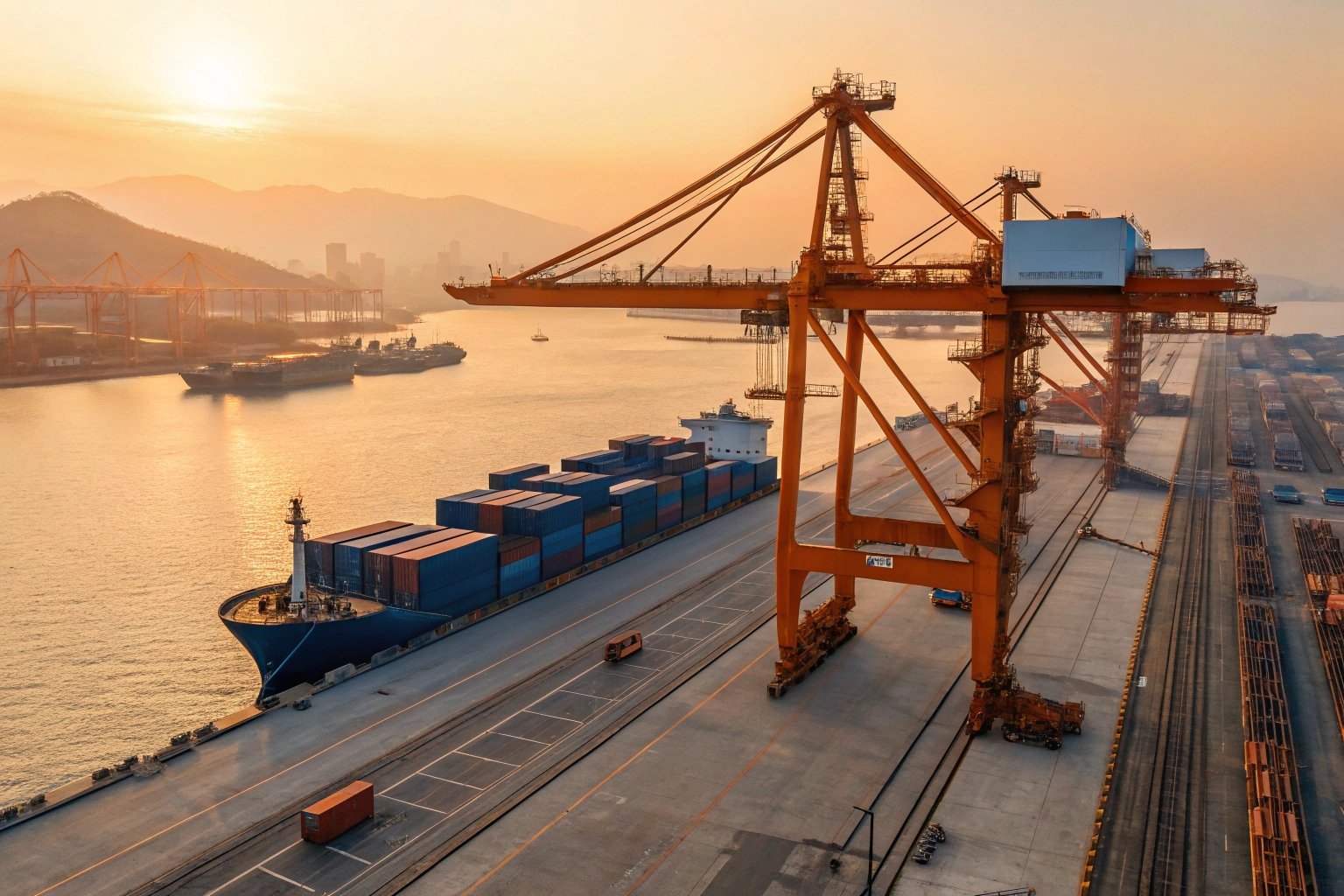
Have you ever wondered why choosing the right export port is crucial when importing undercarriage parts 1? For me, ensuring a direct shipping line 2 reduces transit risks for these precise components.
Xiamen Port is one of the major export ports for undercarriage parts in China, offering direct shipping lines that facilitate seamless transportation, reducing the risk of damage during transit and ensuring efficient delivery to international destinations.
The choice of port can significantly impact logistics and shipping efficiency. Let's discover how.
How far is my factory from the port, and how does this affect inland transport time?
Understanding the proximity of a factory to the port is vital. I often consider how it influences inland transport time 3 and related logistics costs 4.
Proximity of your factory to Xiamen Port is an advantage as it reduces inland transport time, minimizes costs, and ensures quicker delivery and turnaround for export logistics, optimizing your overall supply chain efficiency.
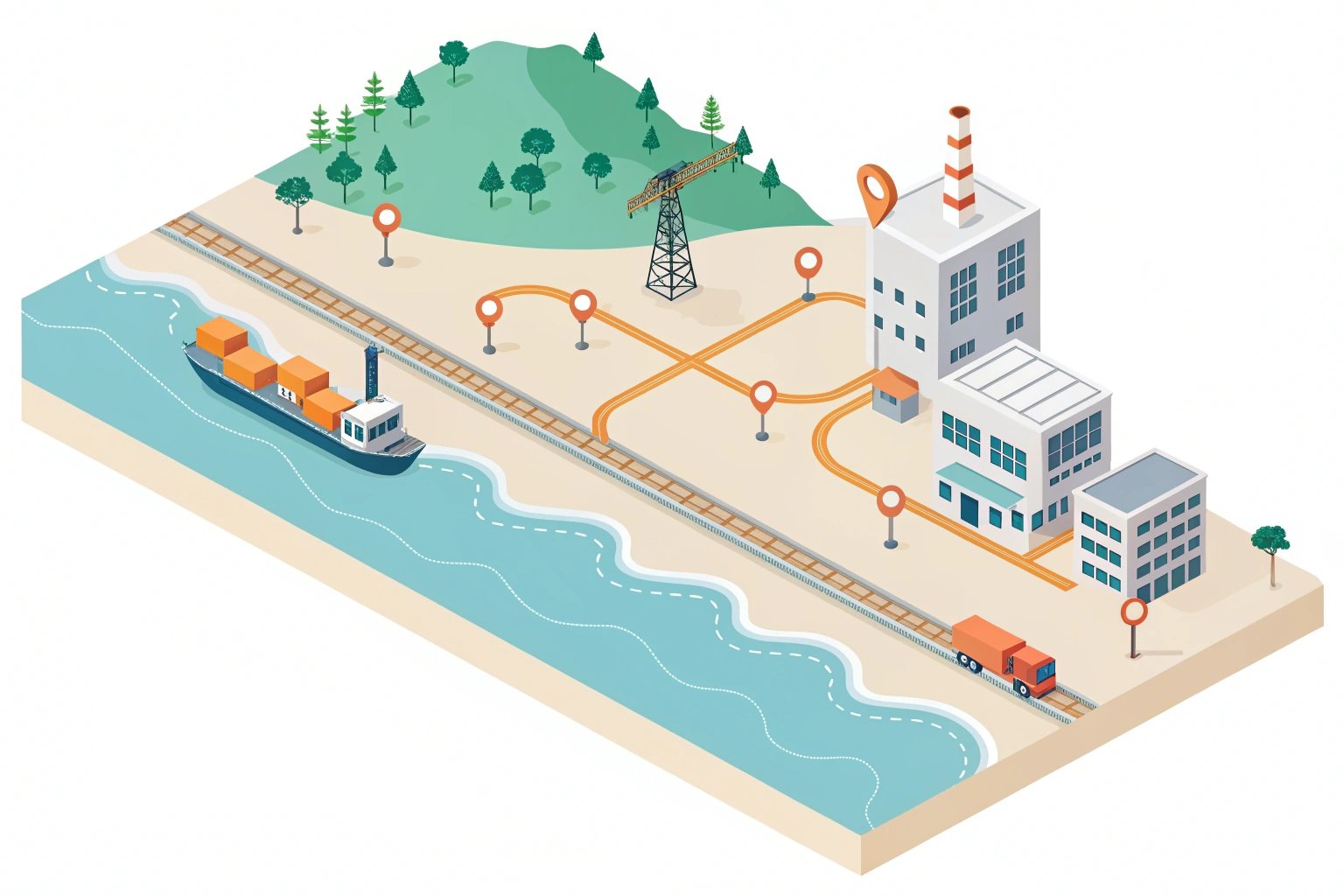
Inland transport time can heavily affect your logistics planning. Considerations include the efficiency of road networks 5 and traffic conditions to ensure timely deliveries.
Calculating Local Transit Costs
Here's a simple breakdown of how distance affects inland logistics:
| Component | Impact | Consideration |
|---|---|---|
| Distance | Longer = Costlier | Assess proximity early |
| Time | Influences deadlines | Factor in traffic patterns |
| Reliability | Unpredictable = Risky | Use dependable transport services |
Do you handle the booking, or do I need to use my own freight forwarder (FOB)?
Booking logistics can be complex, and I've always prioritized efficient management. Should I rely on personal arrangements or delegate tasks?
While many suppliers offer comprehensive logistics services, opting for FOB means managing your own freight forwarding arrangements, granting control over shipping processes and potentially optimizing costs.

FOB 6 requires strategic planning. This can offer flexibility but necessitates understanding key logistics requirements 7 and efficient coordination.
FOB vs. Supplier Arrangements
Understanding the difference can be crucial:
| Service Option | Advantages | Disadvantages |
|---|---|---|
| Supplier Managed Booking | Simplicity | Less control |
| FOB | Flexibility and control | Requires management expertise |
Can I ship from other ports like Shanghai or Ningbo if needed?
The availability of alternative ports allows for flexibility. I consider the implications this has on route accessibility and shipping efficiency 8.
Shipping from ports like Shanghai or Ningbo offers flexibility depending on your logistics needs, opening options for diverse shipping routes though considering costs and transit times for each port remains essential.
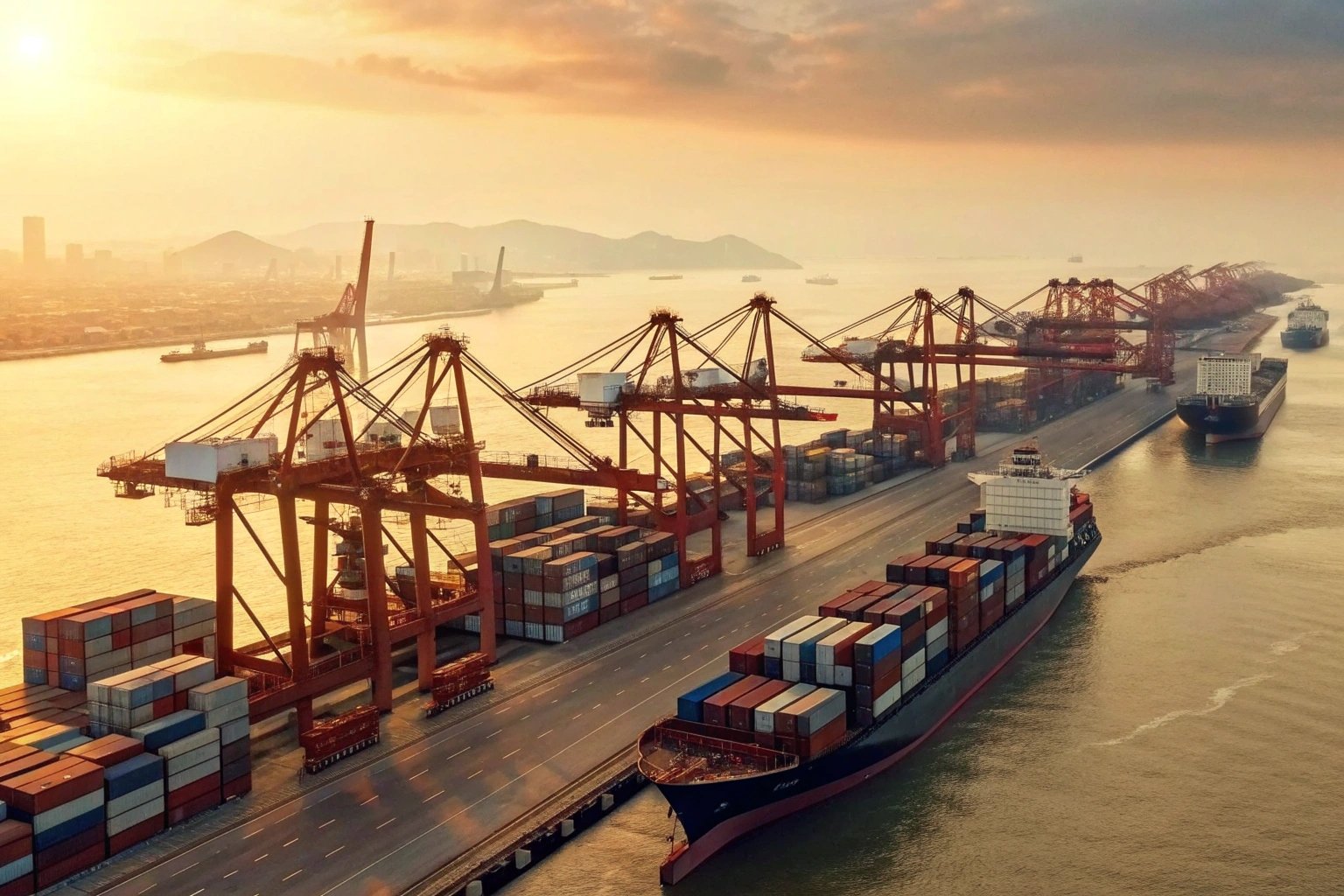
Exploring different ports can reveal varied logistical benefits. It’s crucial to weigh the trade-offs between costs, transit time, and route flexibility.
Comparing Export Ports
Port selection requires insight on logistics and costs:
| Port Name | Benefits | Considerations |
|---|---|---|
| Shanghai | Extensive global reach | Potentially higher costs |
| Ningbo | Efficient for industrial goods | May vary in transit time |
What is the typical transit time from Xiamen to Santos, Brazil?
Transit times can determine delivery schedules 9. It's crucial to align these with customer needs and logistics requirements.
Typical transit time from Xiamen to Santos, Brazil, usually ranges between 30 to 45 days, dependent on shipping routes and conditions, influencing your inventory replenishment planning and affecting supply chain timelines.
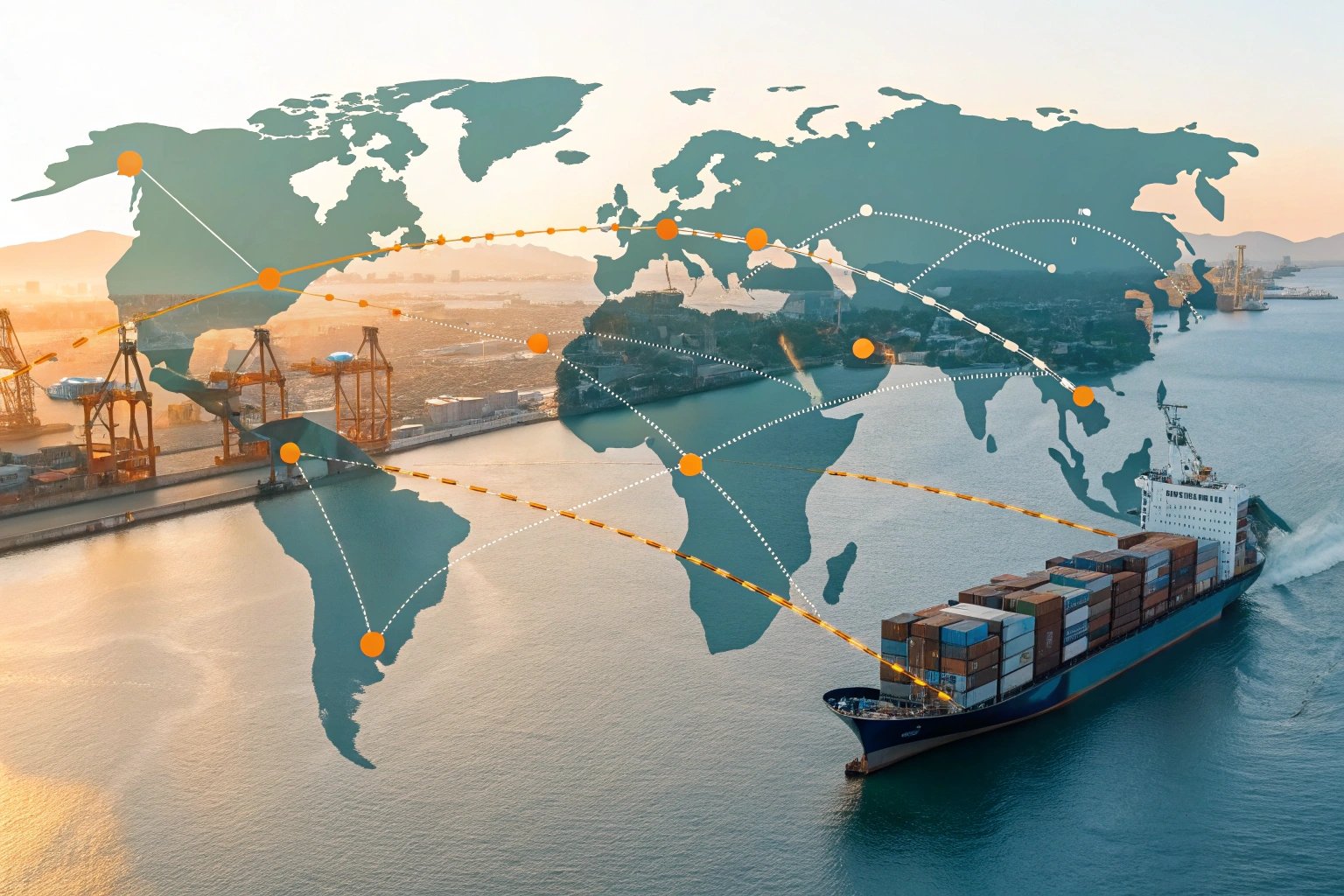
Understanding transit times can aid in logistics optimization 10. Aligning with supply chain requirements ensures smooth operations during every shipping phase.
Transit Time Insights
Knowing shipping durations helps strategize inventory management:
| Segment | Average Time | Influencing Factors |
|---|---|---|
| Xiamen to Port | 15-20 days | Shipping conditions |
| Port to Santos | 15-25 days | Route specificity |
Conclusion
Choosing an export port in China equals selecting optimal logistics efficiency for international shipments.
Footnotes
1. Guide on sourcing heavy machinery components internationally. ↩︎
2. Learn the benefits of non-stop sea freight routes. ↩︎
3. Factors affecting domestic freight timelines in China. ↩︎
4. Breakdown of common import and export expenses. ↩︎
5. How port-proximate infrastructure impacts trucking and delivery. ↩︎
6. Definition and implications of 'Free On Board' Incoterms. ↩︎
7. Checklist for managing international freight and documentation. ↩︎
8. Analysis of how port choice affects delivery speed. ↩︎
9. How to estimate and plan for international shipping windows. ↩︎
10. Techniques for improving supply chain performance and efficiency. ↩︎