

When importing critical undercarriage parts, production delays can be a nightmare. I understand the urgency to ensure smooth operations. Developing a robust contingency plan and proactive notification system should be prioritized.
A strong contingency plan 1 and notification system 2 are crucial when importing undercarriage parts from China. The objective is minimizing production downtime and ensuring ongoing, clear communication with stakeholders to guarantee financial stability.
Timely communication regarding potential delays is also necessary to ensure that plans change smoothly.
How soon will I be notified if there is a risk of delay?
Delays in production can significantly impact operations. As someone importing these critical parts, I expect immediate communication if there's any risk of a delay to help prepare accordingly.
An effective notification system ensures stakeholders are immediately informed of any potential delays, typically through automated alerts. The aim is to provide updates in real time, spanning from shipment status shifts to estimated arrival times.

Dive Deeper into Timely Notifications
Ensuring timely notifications requires a robust communication system. Typically, importers set up multiple alert channels like email and SMS for comprehensive updates. These alerts are often linked to key milestones such as production completion or shipment dispatch. Importers use real-time tracking tools 3 to keep abreast of shipment status and potential hitches.
Implementation Steps for a Comprehensive Notification System:
- Automated Alerts: Establish automated alerts with clear triggers such as missed production milestones or shipment status changes.
- Multiple Communication Channels: Utilize email, SMS, and internal dashboards to keep stakeholders updated.
- Stakeholder Roles: Clarify roles and responsibilities during delays, ensuring efficient response and communication.
- Standardized Communication: Maintain consistent communication templates for different delay severities.
- Documentation: Keep detailed event logs to help analyze and improve systems post-event.
Through a proactive approach, importers can anticipate delays, allowing for agile responses and maintaining supply chain integrity.
What are the common reasons my order might be delayed?
Production delays are not uncommon. I want to know the typical causes to prepare in advance. Issues like raw material shortages or public holidays can affect the delivery schedule.
Common delays often stem from raw material shortages 4, regional holidays, and unforeseen logistical hurdles. Awareness can help preempt disruptions.
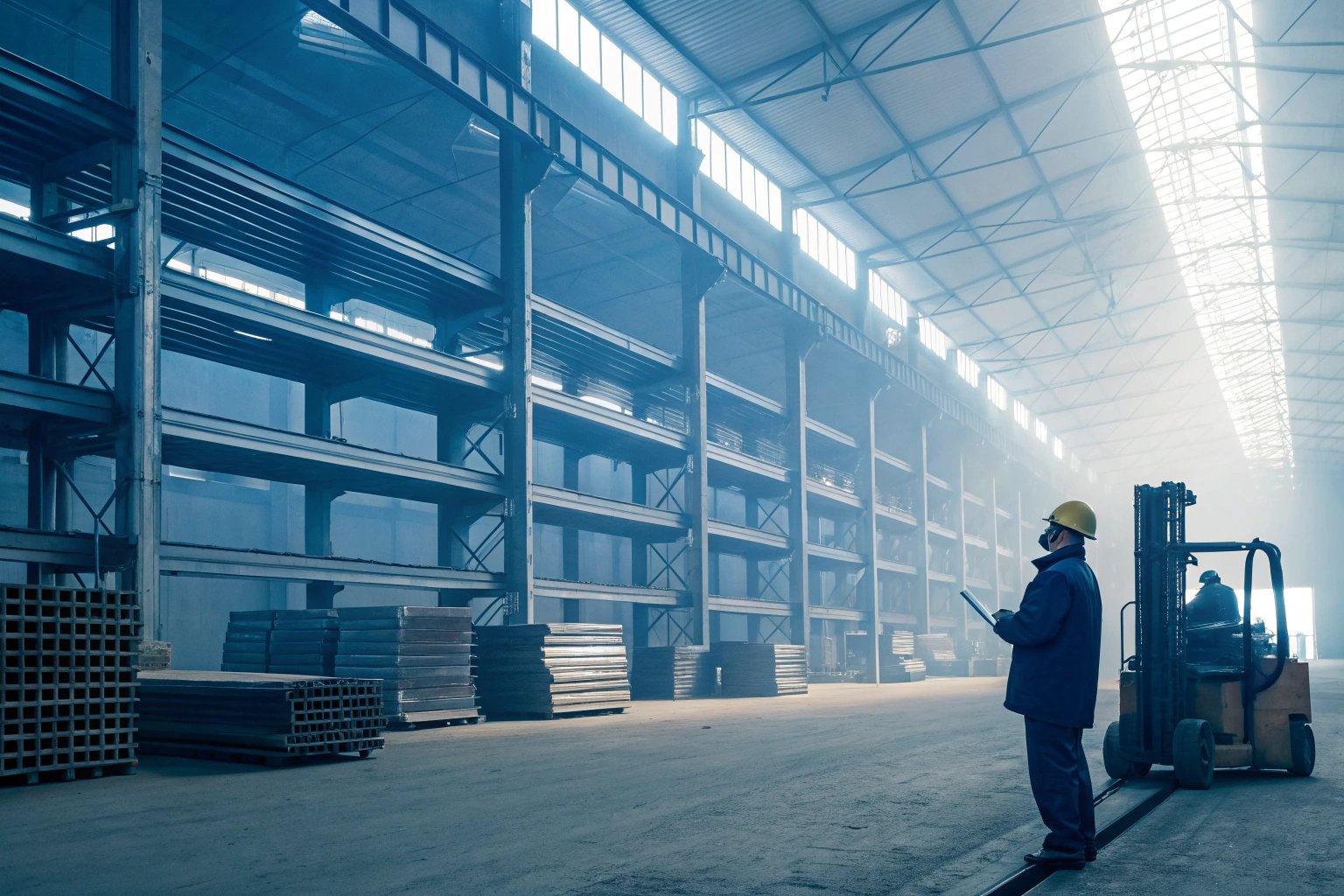
Dive Deeper into Causes of Delays
Understanding typical delay reasons helps in planning better. Frequently, production delays arise from several factors, such as:
- Raw Material Shortages: Disruptions in the supply of essential materials, often due to sudden demand spikes or geopolitical issues.
- Holidays and Regional Events: National holidays or unexpected events can halt operations temporarily.
- Logistical Complications: Issues in shipping, such as port congestion 5 or weather disturbances, can delay timelines significantly.
Mitigation Strategies:
- Buffer Stock: Maintain safety stock for critical components.
- Alternative Sourcing: Establish backup suppliers to ensure continuous material inflow.
- Dynamic Production Scheduling: Incorporate flexible scheduling to adapt quickly to unforeseen disruptions.
- Robust Logistics Planning: Pre-book carrier slots and ensure flexible shipping options.
Common Delay Factors:
| Delay Factor | Impact | Mitigation Strategy |
|---|---|---|
| Raw Material Shortages | Production stoppage | Engage multiple suppliers _ |
| Holidays | Temporary shutdown | Schedule buffer periods |
| Logistics Issues | Extended delivery timelines | Use expedited shipping options |
Being aware of these potential issues and having strategies in place can significantly mitigate production impact, ensuring smoother operations.
Do you offer any compensation if my delivery is late?
Production delays can be costly. It is crucial to know if there is any compensation for late deliveries to mitigate the financial impact.
It's essential to have clear compensation policies: addressing delivery delays ensures business continuity and maintains client relationships.

Dive Deeper into Compensation for Delays
Compensation policies are vital; they offer assurance against uncertainties. Here's how compensation for delays typically works:
- Contractual Agreements 6: Most import contracts include clauses covering late deliveries, often detailing penalties or compensation levels.
- Force Majeure Clauses 7: These may exempt parties from obligations due to unforeseen events beyond control.
- Defined Compensation: Arrangements might include price reductions, expedited future shipments, or liquidated damages 8.
- Negotiation Room: Flexible agreements allow negotiating compensation based on the delay severity and impact.
Compensation Strategies:
- Contract Clarity: Ensure all agreements have well-defined delay clauses specifying compensation.
- Auditing Past Delays: Analyze past delay incidents to refine current policies and responses.
- Long-term Supplier Relationships: Building trust with suppliers often results in more favorable terms.
Compensation Levels:
| Delay Duration | Potential Compensation | Example Actions |
|---|---|---|
| Short-term (1-3 days) | Minor price adjustments | Waive shipping fees |
| Medium-term (4-7 days) | Discount on future orders | Free expedited shipping |
| Long-term (>7 days) | Substantial penalties | Reimbursement of losses |
Compensation forms part of a mutually beneficial partnership, ensuring all parties uphold commitments and maintain trust in the supply chain.
Can I get priority scheduling if my order is delayed?
I need assurance that, if faced with a delay, my order will be prioritized. Knowing there's a plan to expedite production offers peace of mind.
Prioritizing delayed orders can minimize disruptions severely: giving them precedence in scheduling ensures reduced downtime.
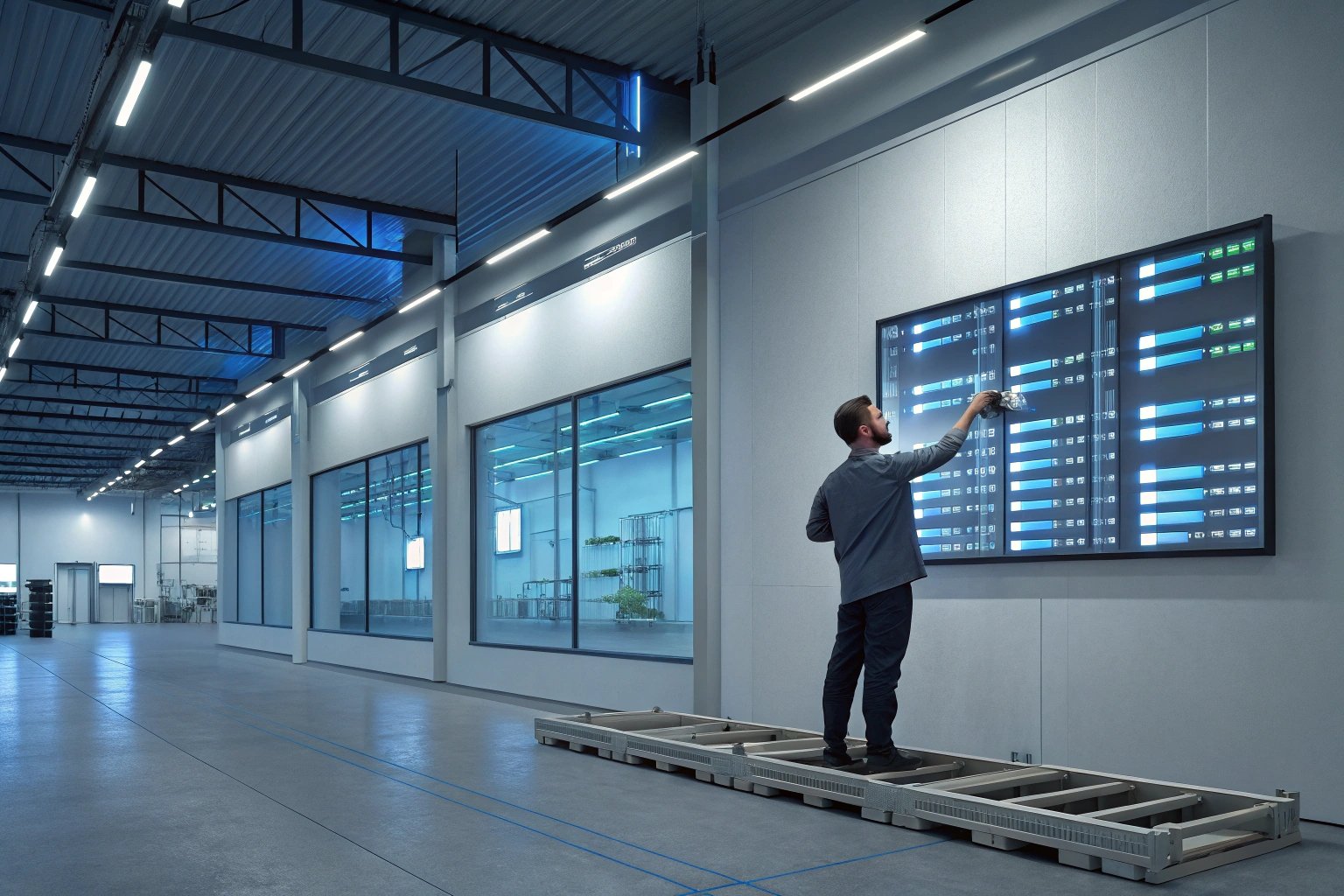
Dive Deeper into Priority Scheduling
Priority scheduling 9 helps manage delays effectively, minimizing disruptions in the supply chain. This strategy involves:
- Dynamic Scheduling Buffers 10: Build flexibility into production schedules to accommodate priority orders.
- Shift Adjustments and Re-sequencing: Arrange for parallel shifts or additional production lines to catch up on backlogs.
- Modular Planning: Implement modular planning, enabling swift adaptation to component availability.
- Enhanced Production Capacity: Allocate more resources or dedicated shifts during critical weeks to reduce delay impacts.
Priority Scheduling Steps:
- Identify Critical Components: Focus on parts crucial to maintaining production flow.
- Dynamic Flexibility: Schedule buffers and quick shift allocation ensure agility.
- Parallel Production: Leverage multiple lines for concurrent component manufacturing.
Priority Response Times:
| Delay Type _ | Response Time | Action Plan |
|---|---|---|
| Standard | Within scheduled window | Continue regular processing |
| Prioritized | Urgent realignment | Activate dedicated shifts |
| Critical | Immediate action required | Dual-line production enactment |
By implementing a priority scheduling approach, importers can address delays efficiently while maintaining operational harmony.
Conclusion
A well-designed contingency plan and notification system are integral when importing undercarriage parts. Ensuring communication and flexibility reduces downtime risks.
Footnotes
1. Guide to business continuity and preparing for supply chain disruptions. ↩︎
2. How automated alerts improve stakeholder communication in logistics. ↩︎
3. Overview of GPS and RFID technologies in modern shipment tracking. ↩︎
4. Analysis of common causes and economic impacts of material scarcity. ↩︎
5. Explaining the causes and effects of shipping port backlogs. ↩︎
6. The role of legal contracts in international import/export agreements. ↩︎
7. Definition and legal implications of 'Act of God' clauses in contracts. ↩︎
8. How pre-determined damages protect parties from contract breaches like delays. ↩︎
9. Strategies for re-sequencing production to manage urgent or delayed orders. ↩︎
10. Using flexible time blocks in planning to absorb unforeseen delays. ↩︎