

Chasing Chinese suppliers for price updates is frustrating. Delayed information costs you business and wastes your valuable time. As a manufacturer, I believe our communication must be as reliable as our parts.
To get the latest product and price updates from Chinese undercarriage suppliers, buyers should establish a direct line with a dedicated sales representative. This is often supplemented by structured email lists, online portal access, and regular catalog updates.
You have specific questions about how this works in practice. As a purchasing director with deep technical experience, you don't have time for guesswork. You need a stable, predictable system. Let's break down exactly how we, as a frontline manufacturer, handle these common questions.
Will I be added to a distributor email list for updates?
You're worried about spam, but also afraid of missing key updates. It feels like a gamble. I understand that—your inbox is already full of useless marketing.
Yes, most qualified distributors are added to a specific email list. Unlike general newsletters, these B2B lists provide targeted updates on pricing, new product SKUs, and critical inventory alerts. This is a standard channel for B2B supplier communication.

I know the pain point you're trying to avoid. You sign up for a "newsletter" and get flashy marketing but no hard data. Or worse, your inbox is flooded with useless promotions. As a technical buyer, you just want the facts.
When I talk to procurement managers 1, they tell me they hate generic email blasts. They need data they can act on.
How We Structure Our Distributor Communications
At Dingtai, we don't just dump you onto a generic "list." We segment our partners. You, as a large distributor in the US, have very different needs than an OEM client in Europe or a rental fleet in Southeast Asia.
My team and I maintain a curated list specifically for our key aftermarket partners. This isn't a marketing tool; it's a supply chain tool 2. When you partner with us, you are assigned a dedicated technical sales manager. This is someone who, like me, understands the difference between a Komatsu D65 track roller and a Cat D9 sprocket segment. You will not be dealing with a sales rep who cannot answer your technical questions.
You will receive two types of primary email communications from us:
1. Urgent Alerts: These are rare and only for major events. Think significant raw material spikes (which we'll discuss next), major shipping port delays, or new certification achievements (like an updated ISO9001 3).
2. Scheduled Updates: This is a quarterly catalog and price list update. It's not a flashy PDF. It's a clean, structured Excel (CSV) file that you can import directly into your own system. It includes SKUs, compatible models, material specs, and your tiered pricing.
What to Expect from a Quality Supplier's Email
A good supplier email respects your time. It's not about "branding." It's about data. A major pain point for buyers is receiving emails from sales reps who don't understand the product. Our communications are technical and direct.
Here’s a comparison of what you should demand versus what you should avoid.
| Feature | A Good Supplier Update (Our Method) | A Poor Supplier Update (The Pain Point) |
|---|---|---|
| Subject Line | Clear & Actionable: "Dingtai Q3-2026 Price List & New SKU Update" | Vague: "Big News!" or "Don't Miss Our Sale!" |
| Content | Structured data (SKUs, pricing, specs). | Marketing images, no hard data. |
| Sender | Your dedicated technical manager (e.g., Linda). | "marketing@generic-supplier.com" |
| Frequency | Predictable (e.g., Quarterly) or Urgent-Only. | Random, frequent, and disruptive. |
| Purpose | To help you manage your inventory and pricing. | To "engage" you with content. |
We know you're not just browsing. You're running a business. Our email strategy is built to support your procurement process, not interrupt it.
How often do you update your pricing due to raw material costs?
Unpredictable price hikes destroy your profit margins 4. You feel trapped when a supplier changes terms after you've quoted your customer. We build long-term partnerships on price stability.
Pricing for heavy machinery parts is typically updated quarterly or semi-annually. However, extreme volatility in raw materials, like steel or alloys, may force more frequent adjustments. Top-tier suppliers provide 30-60 days' notice before implementing such changes.
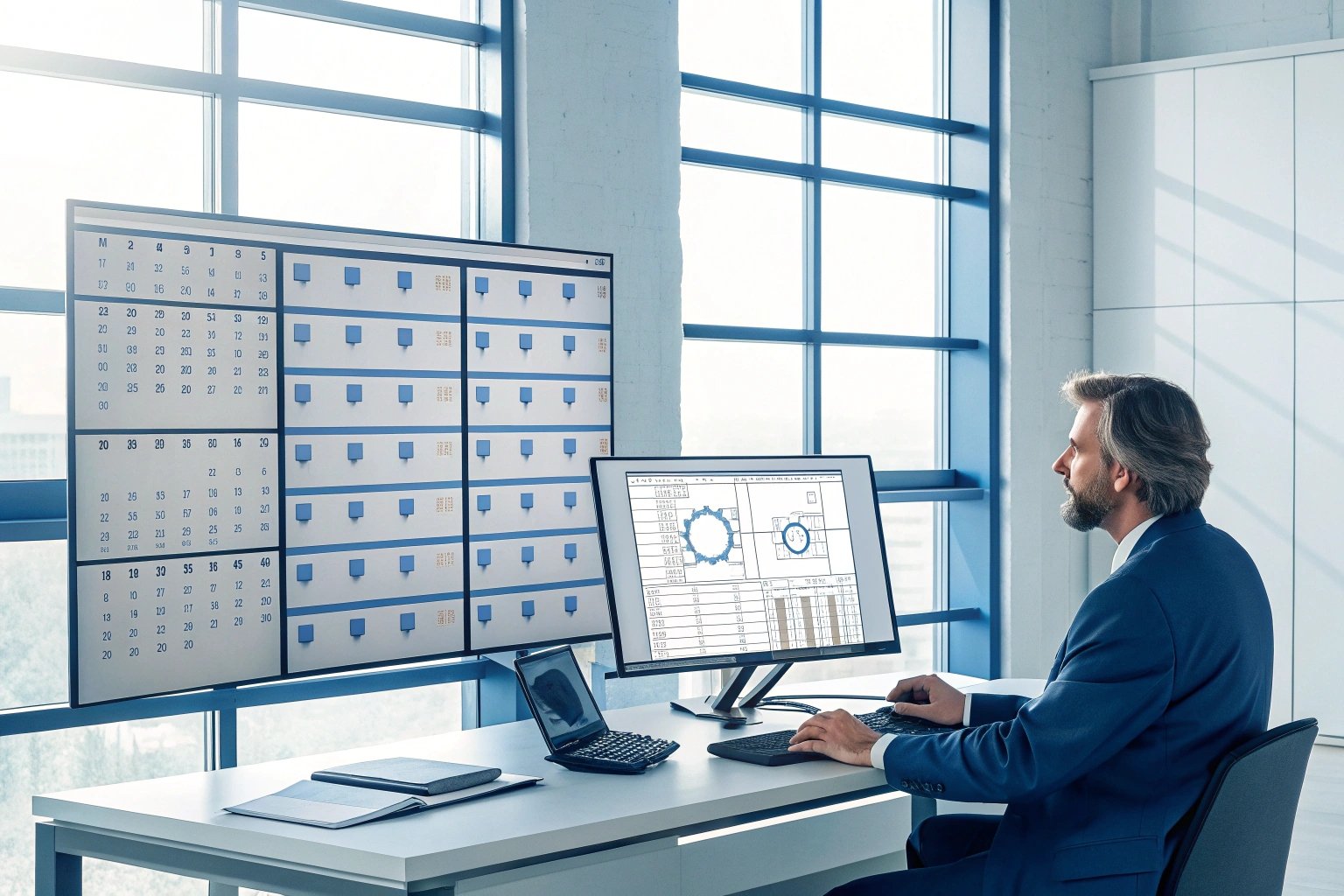
This is one of the most critical questions a purchasing director can ask. Your business depends on stable, predictable costing. You can't have a supplier hold you hostage with sudden, "emergency" price increases. This is a common tactic by smaller trading companies that don't control their own production and are just brokers.
As a manufacturer with over 20 years in this business, we manage this very differently.
Our Pricing Philosophy: Stability and Transparency
Our goal is to protect you from market volatility, not expose you to it. We do this in two ways:
1. Strategic Sourcing: We are not buying steel on the spot market for every order. We place large, long-term contracts with our steel suppliers. This allows us to lock in material costs for extended periods, insulating us (and you) from minor monthly fluctuations.
2. Long-Term Agreements: For our key partners—like your distribution company—we establish pricing agreements that are typically valid for six months, and sometimes even a full year. This is the price you get. It allows you to build your own catalogs and quote your customers with confidence.
When Do Prices Actually Change?
Of course, no one can predict a massive global event. If the price of high-grade bearing steel 5 doubles in a month, it will impact the entire industry. But how a supplier communicates this is what separates a partner from a problem.
I have heard from many buyers about their biggest pain point: a supplier agrees to a price, and then right before shipping, they add a "material surcharge" that was never discussed. This is unacceptable.
Here is our commitment to you:
- No Surprises: You will never get an email saying "Your new order costs 15% more."
- Advance Notice: We provide a minimum of 45-60 days' notice before any new pricing structure takes effect. This gives you time to adjust your own quotes and manage your inventory.
- Full Transparency: We will explain why. We will provide data on the raw material market, showing the change. We don't just tell you the price is up; we show you why.
- Locked-in Orders: Any order you have already placed is price-guaranteed. We will never, ever come back and ask for more money on an order that is already in our system. That is our promise.
This approach is how we build trust. We know your biggest pain point is instability. Our entire model is designed to be the most stable part of your supply chain.
Can I get access to a private dealer portal on my website?
You're tired of emailing for basic information. You just want to log in, get the specs, and see your price. We believe technology should make your job easier, not harder.
Yes, many leading B2B manufacturers offer a private dealer portal. These secure web platforms allow registered partners to access technical data sheets, view real-time inventory, see their specific contract pricing, and place orders directly.
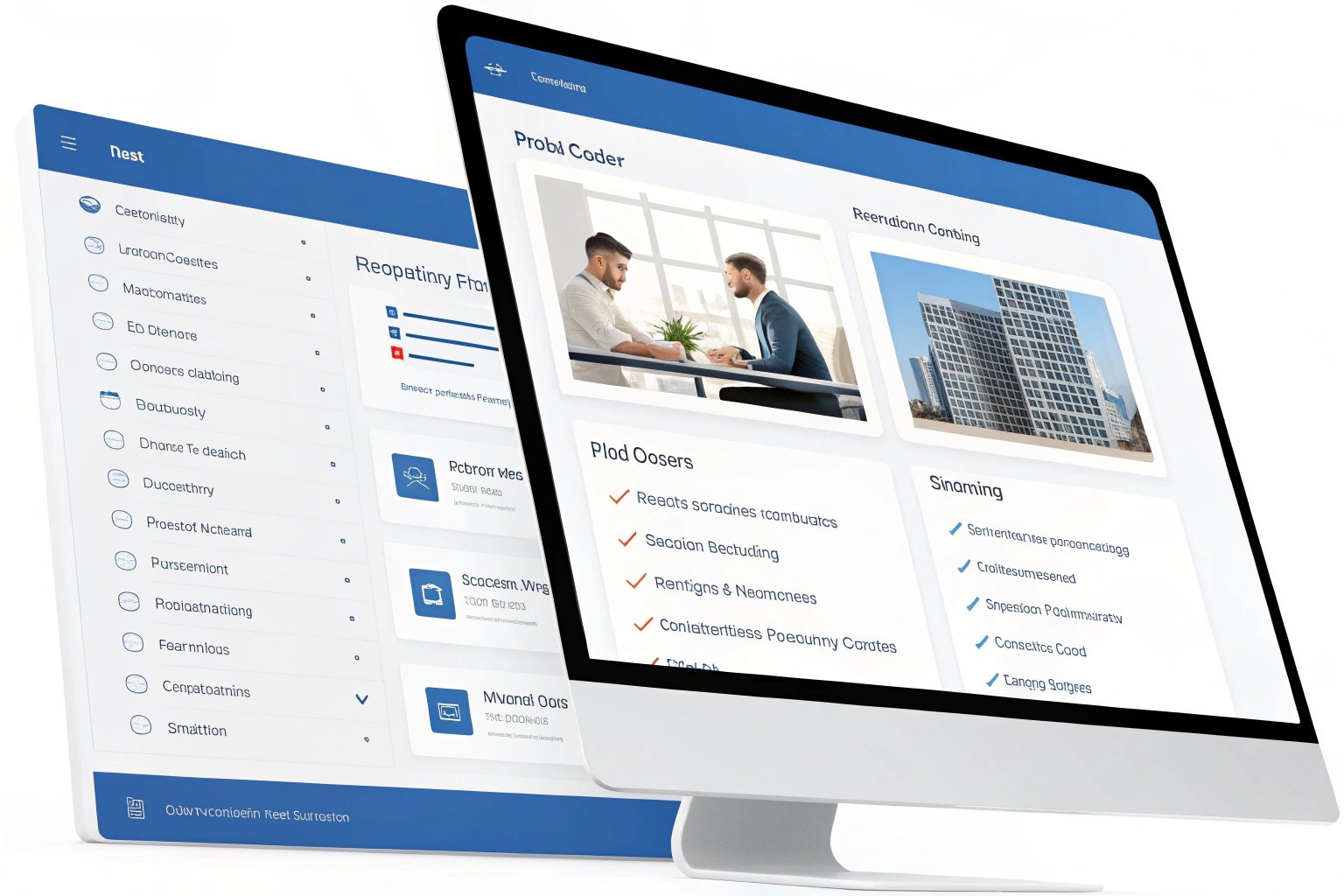
I've heard stories from buyers who feel like they are detectives, not procurement managers. They have to hunt for specifications, cross-reference part numbers, and then wait 48 hours for a sales rep to "check with engineering."
This is a massive waste of your technical expertise. You know what you need. You just need the system to confirm it. This is why we have invested in a private dealer portal 6 for our key accounts.
How Our Partner Portal Works for You
When you become an established Dingtai distributor, you receive a secure login to our system. This portal is not a public website. It's a direct window into our production and inventory data, tailored specifically to you.
Inside, you can:
- Verify Part Numbers: Search by OEM number (Caterpillar, Komatsu, Hitachi, etc.) or by our Dingtai SKU.
- Access Technical Data: Pull up all relevant specs for any part. This is not marketing fluff. It's the hard data your technical team needs: material composition 7, hardness ratings, and dimensional tolerances.
- Check Real-Time Inventory: See exactly what we have in stock at our Fujian facility, ready to ship.
- View Your Pricing: The price you see is your contract price. No guessing, no "requesting a quote."
- Track Orders: See the status of your open orders, from production and quality control to port.
- Download QC Reports: For your orders, you can access the actual 100% inspection reports and ISO9001/SGS certifications tied to that batch. This helps you solve your customer's pain point of inconsistent quality.
This portal solves the "unknowledgeable sales rep" problem. The data comes directly from our core system. It's the same data I see in my own office.
Portal Access vs. Direct Communication
Does this replace your human contact? Absolutely not. It improves it. It allows us to have more valuable conversations.
| Communication Channel | Best Use Case | Response Time |
|---|---|---|
| Partner Portal | Checking stock, price, tech specs, order status, QC reports. | Instant (24/7) |
| Direct Email (Your Rep) | Strategic questions, custom requests, logistics planning. | < 24 Hours |
| Phone/Chat | Urgent issues (e.g., payment, shipping document error). | Immediate (During business hours) |
Instead of emailing me (Linda) to ask, "Do you have 200 units of part X?" you can see it instantly in the portal.
Now, your email to me can be more strategic: "Linda, I see we have 200 units of part X on hand. I need to place an order for 400. Can you confirm the lead time for the additional 200 units?"
This changes our conversation from basic data entry to high-level strategic planning.
Do I get notifications when you develop parts for new machine models?
The market moves fast. New excavator models mean new sales opportunities. If your supplier is slow, you lose the first-mover advantage 8. We help you stay ahead.
Yes. Proactive suppliers notify their distribution partners immediately when new parts are developed. This is typically done through targeted email alerts, updates to the dealer portal's catalog, and pre-launch technical briefings.

This is a fantastic question. It shows you are focused on growth, not just refilling old stock. Your customers are buying new Cat, Komatsu, and Hitachi machines. They will need aftermarket parts 9 for them in a few years. You need a partner who is already developing those parts today.
Because we are an OEM manufacturer for several major brands, we are often at the forefront of new model development. Our R&D team—over 20 technical experts—is constantly in the process of engineering and developing new SKUs.
Our New Product Notification Process
You will not find out about our new products by accident. We have a formal process.
1. R&D Finalization: Once a new part (e.g., a track chain for a new Hitachi excavator model) passes our rigorous 100% quality inspection and field testing, it is approved for mass production.
2. Portal Update: The new SKU, technical drawings, and material specs are immediately uploaded to the partner portal.
3. Distributor Bulletin: Our key partners, like you, receive a "New Product Bulletin" via email. This is not a sales flyer. It is a technical document.
What's in a New Product Bulletin?
This bulletin is designed for a technical buyer like David. It answers the questions we know you'll have.
| Section | Content Included | Why It Matters to You |
|---|---|---|
| Part Identification | New Dingtai SKU, OEM Part Number(s) it replaces. | For easy cross-referencing in your system. |
| Machine Compatibility | Exact make, model, and serial number breaks (e.g., "Komatsu PC300-11"). | Ensures you sell the right part to your customer. |
| Technical Specs | Material grade (e.g., 40Mn2), heat treatment depth, core hardness. | For your technical team to verify quality. |
| Availability | Stock status and production lead time. | So you can be the first to market. |
I've worked with buyers who were frustrated because their old supplier was always 6-12 months behind the market. By the time they had the part, the market was already saturated.
Our R&D process and our OEM experience mean we are aligned with the market's future. This also applies to our customization service 10. If you have a customer with a unique wear problem in a specific application (like abrasive mining), we can work with your team to design and manufacture a custom solution.
When you partner with us, you get access to that entire R&D pipeline. This allows you to plan your inventory and be the first one to tell your customers, "Yes, we have the undercarriage for that new model."
Conclusion
Getting clear, timely data isn't a bonus; it's a requirement. We build our communication system to be as strong and reliable as our undercarriage parts.
Footnotes
1. Responsibilities and roles of procurement managers in modern supply chains. ↩︎
2. Overview of digital tools used for supply chain management and B2B communication. ↩︎
3. Details on the latest ISO 9001 certification standards for manufacturing. ↩︎
4. Strategies for protecting business profit margins against cost volatility. ↩︎
5. Technical specifications of high-grade bearing steel in heavy machinery. ↩︎
6. Benefits of B2B dealer portals for streamlining procurement processes. ↩︎
7. Understanding the importance of material composition in part durability. ↩︎
8. How first-mover advantage creates a competitive edge in B2B markets. ↩︎
9. Guide to the heavy equipment aftermarket parts industry and trends. ↩︎
10. Exploring custom manufacturing services for unique industrial applications. ↩︎