

Have you ever wondered if you could replicate a critical component by sending a sample? I often encounter this question in my dealings with construction equipment parts.
Yes, by sending a sample of an undercarriage part, an R&D team can analyze and reverse-engineer it. Through dismantling, material analysis, and digital modeling, parts can be accurately reproduced to suit your equipment. This process addresses unavailability or design improvement needs efficiently.
Gaining insight into this approach can guide you in maintaining your machinery with precision and reliability.
What is the process and timeline for reverse engineering a sample?
Knowing how long it takes to reverse engineer a part is vital. I keep this information handy for planning purposes.
Reverse engineering involves disassembling the sample, conducting material tests, and creating digital models. This process typically spans two to six weeks, allowing time for analysis and prototype validation to ensure exact replication.
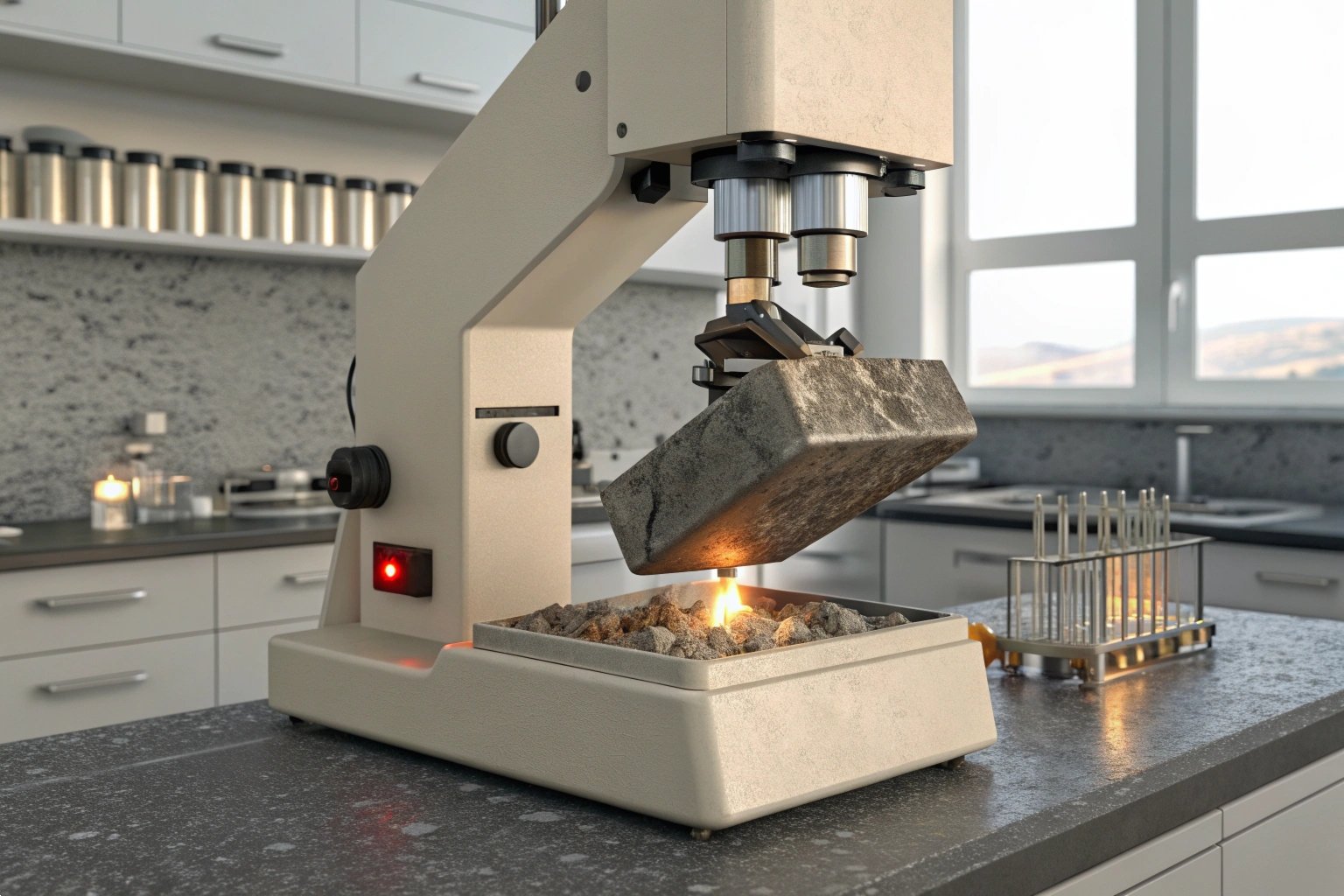
The reverse engineering process 1 meticulously duplicates parts by following critical steps:
Initial Analysis
-
Sample Reception:
- A thorough initial check-in for quality and integrity 2. -
Dimensional Inspection:
- Accurate measurements provide a blueprint for reproduction.
Material Testing
- Metallurgical Testing:
- Evaluations of hardness, strength, and composition.
Digital Modeling
-
3D Scanning and CAD Design:
- Enables precise replication 3 with advanced tools. -
Prototype Testing:
- Validated for performance to ensure reliability.
Process Timeline
| Stage | Timeline Overview | Key Tasks |
|---|---|---|
| Initial Analysis | 1 week | Sample collection and dimension recording |
| Material Testing | 1-2 weeks | Hardness, strength, composition |
| Digital Modeling | 2-3 weeks | Scanning and CAD design work |
| Prototype Testing | 1 week | Performance validation |
These phases are crucial for replicating parts to fit seamlessly into your existing machinery systems 4.
What tests will you perform on my sample (e.g., material, hardness)?
Ensuring the right tests are performed can make or break the success of a replicated part. I always verify this with suppliers.
Tests such as hardness, tensile strength, and physical composition are conducted to confirm the sample's properties. Accurate testing aligns the replica's performance and durability with the original.

Proper testing 5 safeguards the functionality of reverse-engineered parts. The routine includes:
Key Testing Procedures
-
Hardness Measurement:
- Confirms the durability and wear resistance 6. -
Tensile Strength Verification:
- Assesses capability to handle operational stress.
Detailed Material Analysis
-
Chemical Composition Testing:
- Ensures alloy compatibility 7 with original specifications. -
Surface Finish Assessment:
- Maintains part integrity for smooth operation.
Testing Summary Table
| Test Type | Purpose | Method |
|---|---|---|
| Hardness Testing | Durability measurement | Rockwell, Brinell |
| Tensile Strength Verification | Stress tolerance | Tensile testing machine |
| Chemical Composition | Material compatibility | Spectroscopy |
| Surface Finish Assessment | Part integrity | Profilometer |
These comprehensive tests 8 secure the reliability and conformity of newly manufactured parts.
Will there be a cost for this analysis and development?
Understanding potential costs is essential for budgeting in reverse engineering. Like many, I need clarity on this upfront.
Costs are involved in reverse engineering, covering analysis to prototype development. Pricing varies based on complexity and customization needs of the part, impacting the overall budget.
A clear breakdown allows for better financial planning 9. Here's a typical outlook:
Financial Overview
| Category | Cost Range | Influencing Factors |
|---|---|---|
| Material Analysis | Varies | Test complexity and frequency |
| Development | Moderate to High | Customization and precision levels |
| Prototype Iteration | Medium | Validation rounds and refinement efforts |
Cost Impact
-
Advanced Technologies:
- Utilize cutting-edge equipment 10 for accuracy. -
Time Frames:
- Choose service speed with potential additional fees.
Cost Consideration Table
| Expense Type | Estimated Budget | Notes |
|---|---|---|
| Initial Analysis | Low to Medium | Depends on sample complexity |
| Material Testing | Medium to High | Scope of testing required |
| Prototype Development | High | Number of iterations needed |
Clear cost management fosters transparency and alignment with financial goals, enhancing project feasibility.

Conclusion
Reverse engineering offers a pathway to replicate undercarriage parts effectively. By systematically analyzing and modeling, it ensures the replica meets operational standards, providing a reliable solution for part unavailability or custom needs.
Footnotes
1. Learn more about the systematic phases of the reverse engineering process. ↩︎
2. Guide to quality assurance practices and standards for sample integrity. ↩︎
3. Read about how 3D scanning and CAD software achieve high-precision part duplication. ↩︎
4. Insights into the performance standards for heavy equipment and construction machinery systems. ↩︎
5. Reference for standardized material testing procedures and specifications. ↩︎
6. Explore the science behind material properties like durability and resistance to wear and tear. ↩︎
7. Details on chemical analysis methods to ensure the correct material composition and alloy compatibility. ↩︎
8. Information on the various comprehensive non-destructive testing and analysis methods. ↩︎
9. Best practices and strategies for effective financial planning and cost management in R&D projects. ↩︎
10. Overview of cutting-edge technologies and equipment used in modern manufacturing and development. ↩︎