
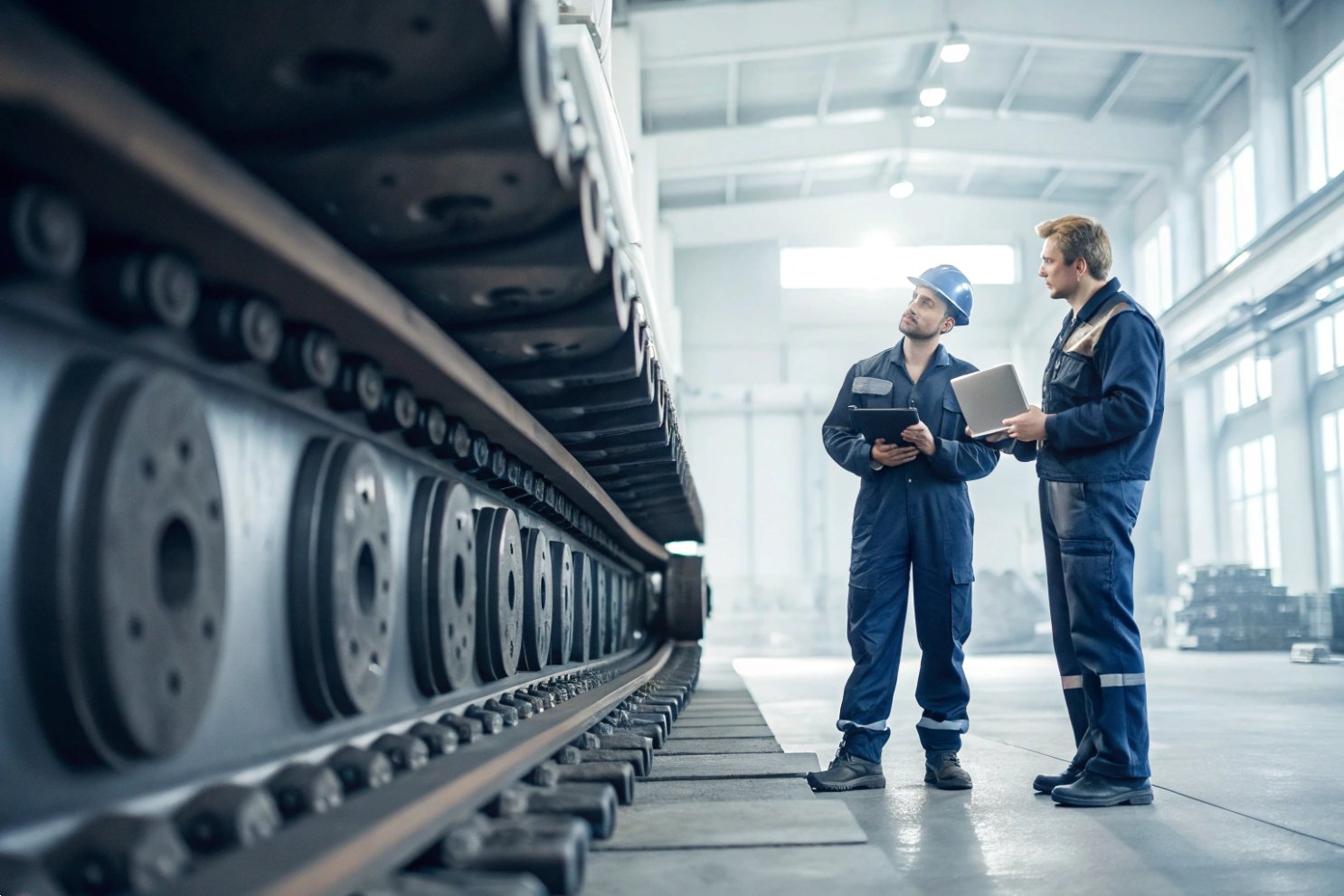
If a dozer or excavator part breaks after the warranty ends, I immediately worry about who will help me fix it. No one wants to face a big, technical problem alone.
Yes, you can still get technical support for your heavy equipment undercarriage, even after the warranty expires. Most professional suppliers, like my company, Dingtai, understand that equipment downtime is costly. We often offer continued troubleshooting advice, failure analysis, and access to repair services for a fee or as part of long-term partnership support.
This is a critical question for any procurement director 1 like David. You need reliable performance, but when a component like a track chain or roller fails, the real value of a supplier is in the support they offer. Let us look at what kind of support you can expect and how we, as a direct manufacturer, approach this issue.
Will you charge me for technical consulting on out-of-warranty parts?
Most manufacturers or dealers will charge a fee for technical consulting on out-of-warranty parts?
Most manufacturers or dealers will charge a fee for technical consulting on out-of-warranty parts. The simple warranty covers defects for a set time, but it does not include free, ongoing engineering services.
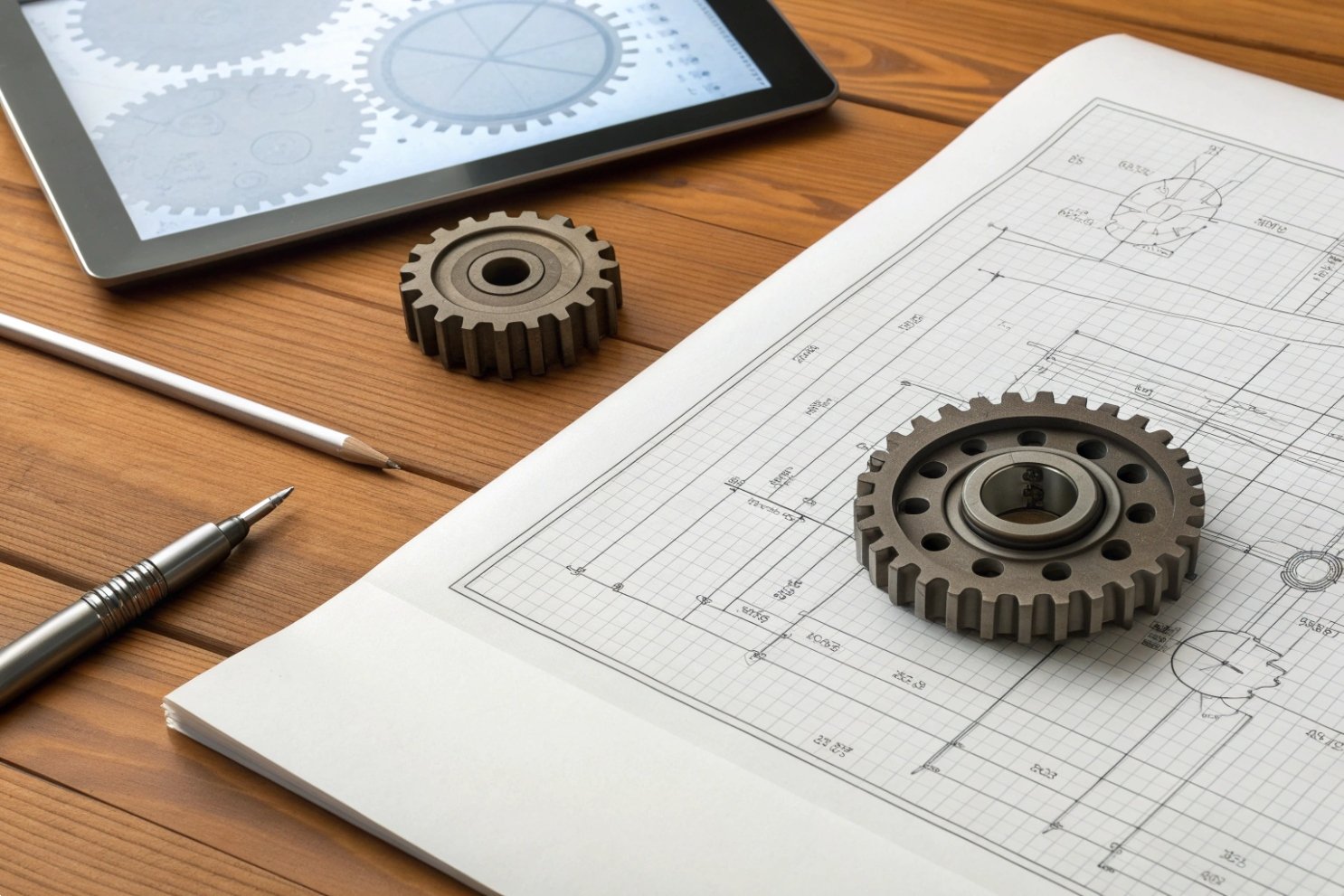
I have seen many times how customers get upset when they face a bill for support. When a large track roller breaks outside the warranty period 2, they feel like the manufacturer should still help for free. However, the time an engineer spends analyzing a failure, writing a report, or giving specific repair instructions is a direct cost to the company. My job is to be clear about this. For Dingtai, we focus on a partnership approach. If you are a long-term customer purchasing a high volume, like David, we may waive small fees or include basic phone support as part of our service. Our goal is to keep your machines running, so we make the cost reasonable. We would much rather have a happy customer who buys more parts later than charge a high one-time fee for a consultation.
We must separate basic support from deep engineering analysis.
Basic Support is Often Free
We usually offer basic support for free. This includes things like:
- Phone Troubleshooting: Giving quick advice over the phone about common issues.
- Maintenance Tips: Explaining the best way to maintain the part to prevent future problems.
- Part Identification: Helping you find the correct replacement part number quickly.
This basic help is quick. It helps build a relationship.
Deep Analysis Usually Costs Money
When the problem needs deep work, there is usually a charge. This includes:
- Failure Analysis Report: Our engineers must take time to look at photos, read your machine data, and write a detailed report on why the part failed. This needs a lot of technical skill. The report requires our professional technical staff, who are also involved in OEM manufacturing, to use sophisticated engineering knowledge 3. This is not a simple guess. It is a full examination of the component's structure and performance data. We check the material integrity 4 and the heat treatment process against the required standards. David knows that this level of detail is necessary for preventing future failures and maintaining his brand reputation.
- On-Site Inspection: If we must send a technician to your location, the travel and labor costs are high. This is especially true for our international customers across North America, Europe, or South America. The cost covers the engineer's time away from our production base in Fujian and all travel expenses. We always try to solve the issue remotely first to save you money.
- Custom Repair Plan: Creating a specific repair plan for a very complex failure. This requires technical drawings and possibly custom machining instructions. Our technical team, with over 20 years of experience, designs a solution that is safe and effective.
You need to know the cost up front. We make sure David and other customers know exactly what they will pay before we start the deep analysis. We believe in transparent pricing 5 for our B2B partners. This honesty is key to building the long-term strategic relationships that David seeks. Our experience as a direct manufacturer means we can accurately estimate the engineering time required.
| Service Level | Typical Cost Status | Dingtai’s Approach (B2B Partners) |
|---|---|---|
| Phone/Video Troubleshooting | Free/Nominal Fee | Generally Free for established customers. |
| Failure Analysis Report (Remote) | Paid, hourly or flat rate | Discounted or Free for major component failures. |
| On-Site Technical Visit | Full Cost (Travel + Labor) | Cost applies, but we use local partners when possible. |
This table shows my commitment to supporting you past the warranty period. The quality of our technical team, the same team that does OEM manufacturing, is always available to you.
Can your engineers still help me analyze a failure, even if it's old?
Even if the part is old, can your engineers still help me analyze a failure?
Yes, my engineers can still help you analyze a failure, even if the part is old or the failure happened a long time ago. An old failure is still a valuable piece of data. We want to know why a part failed, whether it was one week or five years after you bought it.
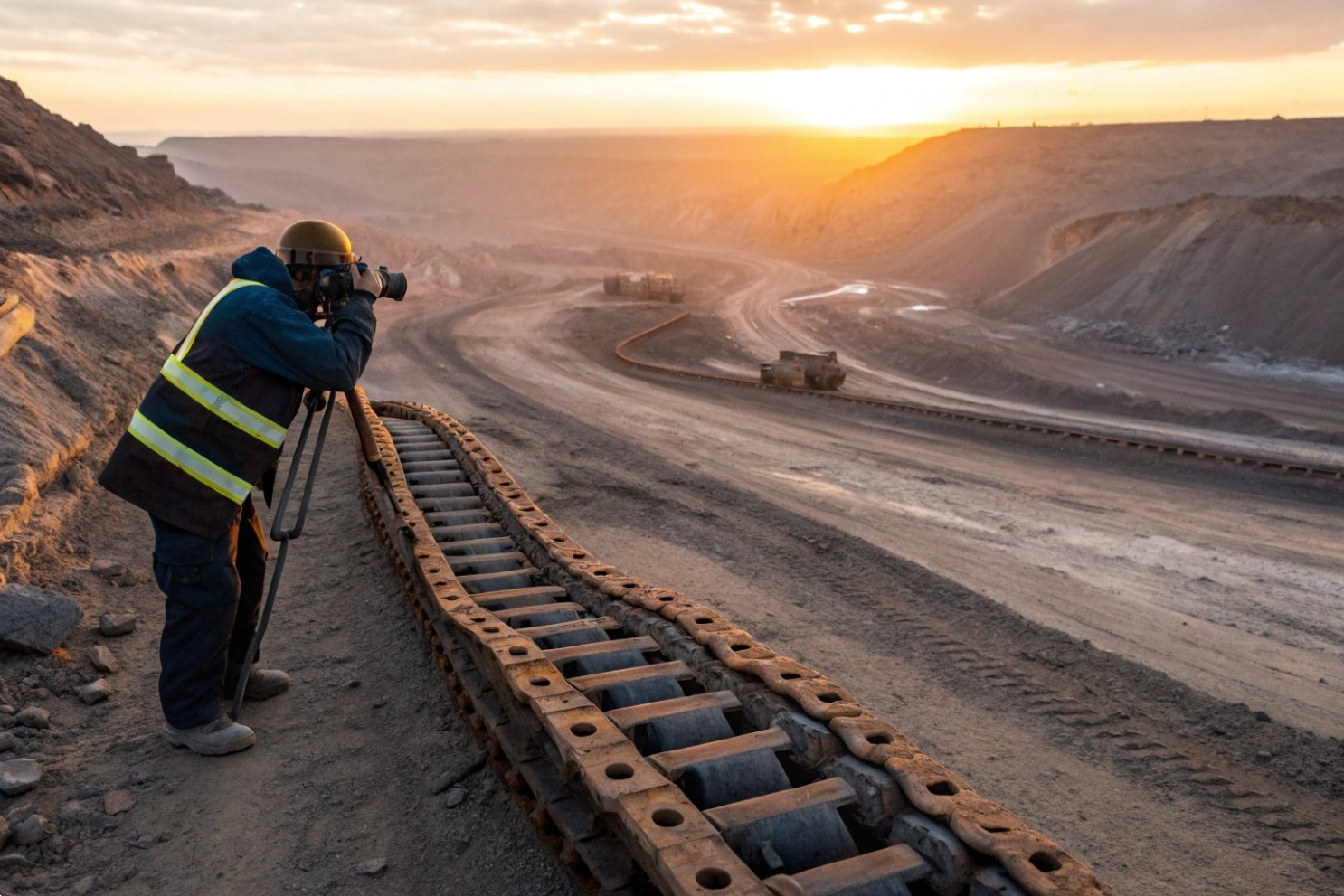
When I talk to procurement directors, like David, I know they value technical expertise. They do not want simple excuses. They want to know the root cause 6. This is why our failure analysis process is the same for a new failure or an old one. I always tell my team that data is data, no matter the age. An old failure can teach us about a long-term problem, maybe with the machine's work conditions or a maintenance practice. We use critical thinking to look beyond the broken part itself. Sometimes, the failure is a symptom of a larger operational issue, such as machine misalignment or incorrect track tensioning over a long period. David's purchasing team needs to understand these deeper issues to improve their entire fleet management.
The Importance of Old Failures
An old failure helps us in two main ways:
- For the Customer: We can tell you if the problem was a one-time event or a result of improper use. For example, if a drive sprocket wore out too fast, we can look at the wear patterns. Was it because the track tension 7 was too loose for many months? Knowing this helps you train your maintenance team better. This feedback loop is essential for distributors like David, who promise reliability to their own customers. We provide the material reports and heat treatment data for our parts, so we can check if the part performed as expected in your specific harsh environment (like a North American quarry or a South American mining site).
- **For Dingtai: Improving Manufacturing We can use the information to improve our design or manufacturing. If we see a pattern in old failures, it tells us something about our product's long-term performance under stress. This helps us ensure our quality is always high, matching the ISO9001 standard 8 we hold. We are always looking for ways to make our track links and rollers last longer. We use this real-world data to refine our engineering designs and material selection for our next batch of production. This dedication to continuous improvement 9 is why OEMs trust us for contract manufacturing.
What We Need to Analyze an Old Failure
To analyze an old failure well, we need the right information. We ask customers to send us three key things:
1. Clear Photos of the Failed Component
Photos must be clear. We need close-ups of the broken area and pictures of the whole component. My engineers can often tell a lot just from the pictures. We can see if the failure was fatigue (slow cracking), impact (sudden hit), or wear (rubbing away of metal). For a roller, the failure pattern on the shell can tell us about misalignment. We need high-resolution images that clearly show the fracture surface and any signs of abnormal wear, like scalloping or heavy side wear on the track links.
2. Machine Operating Conditions and History
You must tell us about the machine. Where does it work? Is it in soft dirt, hard rock, or sand? How many hours did the part last? What was the general maintenance like? For David in the US, his machines might run in tough quarry conditions. This information changes how we read the failure. A part that lasts 5,000 hours in soft soil but fails at 3,000 hours in sharp rock is not a part failure; it is a site condition issue. We need specific details about the environment, as this affects the component's loading and abrasive wear rate.
3. Material and Purchase Data
If you can find the material certificate or heat treatment data from when you bought the part, this is very helpful. Our engineers compare the failed part's actual condition to the original manufacturing specification. We check if the steel hardness dropped over time or if the part was too brittle. This helps us pinpoint a manufacturing defect versus an operational problem. We also need the batch number to check our internal production records and quality control logs. This ensures complete traceability, which is a key requirement for international customers like David.
Our goal is simple. We want to be a trusted technical partner. We do not just sell parts. We sell uptime. Analyzing an old failure is a core part of that promise. This deep analysis is what sets a true manufacturer like Dingtai apart from simple trading companies.
Do you provide paid repair or refurbishment services?
If the part can be fixed, do you provide paid repair or refurbishment services?
Yes, Dingtai provides paid repair or refurbishment services for certain undercarriage components. For high-value parts, repairing them can save you a lot of money compared to buying a new one.
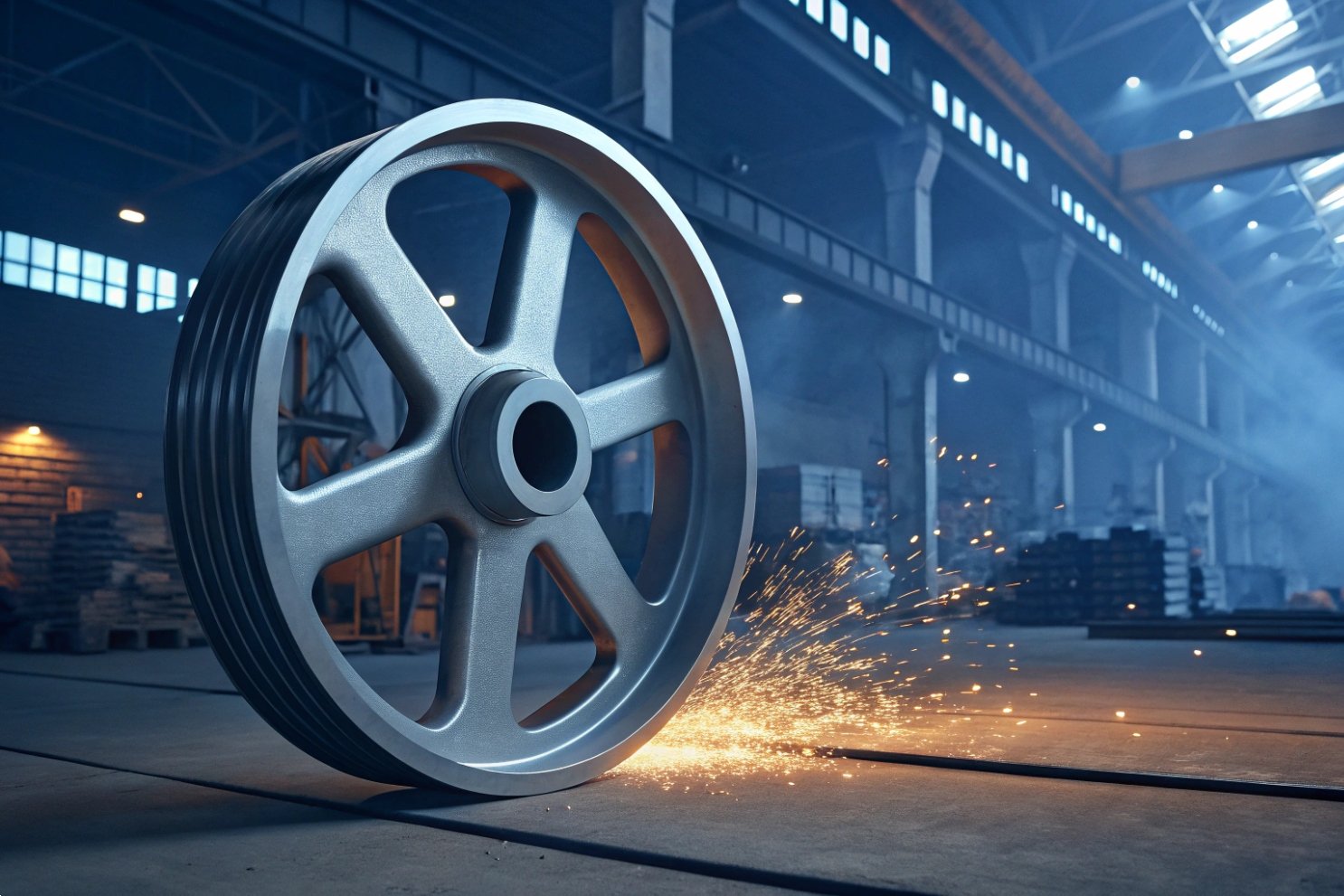
I know that David, as a purchasing director, is always looking for the best total cost of ownership (TCO) 10. Buying a new track link assembly is expensive. If we can rebuild the existing one to near-new condition at 60% of the cost, that is a big win for your business. We are a direct manufacturer based in Fujian, China, with over 20 years of experience. We have the special equipment and technical staff to do professional refurbishment that meets original specifications. Our facilities include advanced induction heating equipment and precision lathes that are necessary for high-quality undercarriage work. We can handle large volumes for distribution partners, helping David manage his inventory and service offerings efficiently.
Which Parts Can Be Repaired?
Not all parts can be repaired cost-effectively. We focus on components where the original structure is sound but the surface has worn out.
| Component Type | Repair/Refurbishment Option | Typical Service Performed | Estimated Cost Savings (vs. New) |
|---|---|---|---|
| Track Chains (Link Assemblies) | Yes, often cost-effective. | Re-bushing and re-sealing. Turning pins and bushings to use the unworn surface. | 40% - 60% |
| Track Rollers & Carrier Rollers | Yes, common and cost-effective. | Re-shelling (replacing the worn wheel). Replacing the seals and bearing groups. | 35% - 55% |
| Idlers (Guiding Wheels) | Yes, a valuable service. | Replacing the bushing, seals, and bearing. Rebuilding the yoke/rim if worn. | 30% - 50% |
| Drive Sprockets/Segments | Generally No (Better to Replace) | High-wear parts are designed to be replaced, not repaired due to complexity. | Not applicable |
When we repair a component, we use the same strict quality control processes we use for making new OEM-quality parts. This is important. We do not just weld something back together. We check the materials. We control the heat treatment. We make sure the alignment is perfect. This way, the repaired part gives you reliable service life. We apply the same 100% quality inspection standards to refurbished components as we do to new ones, ensuring the final product will meet David’s demand for durability.
The Refurbishment Process
Our refurbishment process is a professional, multi-step job. It is not a quick fix.
- Inspection and Cleaning: We first clean the part and check for deep cracks or other severe damage. If the core structure is too damaged, we will tell you that a repair is not safe or cost-effective. We use non-destructive testing (NDT) methods to look for hidden cracks.
- Disassembly and Measurement: We take the part apart. We measure every piece, especially the pins, bushings, and shafts, to see the exact wear level. Precision measurement is done using specialized tools to compare against the original specification drawings.
- Welding and Machining: Worn surfaces, like roller flanges or idler treads, might be rebuilt with a special weld and then machined back to the correct size. The welding process is controlled to maintain the material's strength. We use $CNC$ machines to ensure the final dimensions are accurate to high tolerances.
- New Internal Parts: We always replace the wear parts inside, like seals, gaskets, and sometimes the bushings. New seals are critical for keeping dirt out. We only use high-quality replacement parts that meet or exceed the original equipment manufacturer's specifications.
- Assembly and Testing: The part is put back together under strict assembly controls. We pressure-test the seals to ensure no leaks. We ensure the part rolls smoothly before we ship it back to you. The final part is marked with a new service number for tracking.
Choosing refurbishment is a smart business choice for B2B customers. It reduces your spending and uses fewer new materials. It is a good way for David to maintain his inventory and control his TCO while still ensuring high quality and performance from Dingtai.
Can I still buy spare components (like seals) for repairs?
If I need to do a repair myself, can I still buy spare components like seals or pins?
Yes, you can absolutely still buy spare components for repairs, even if your part is out of warranty. As a direct manufacturer, we maintain a complete supply chain for every single component that goes into our track chains, rollers, and idlers.
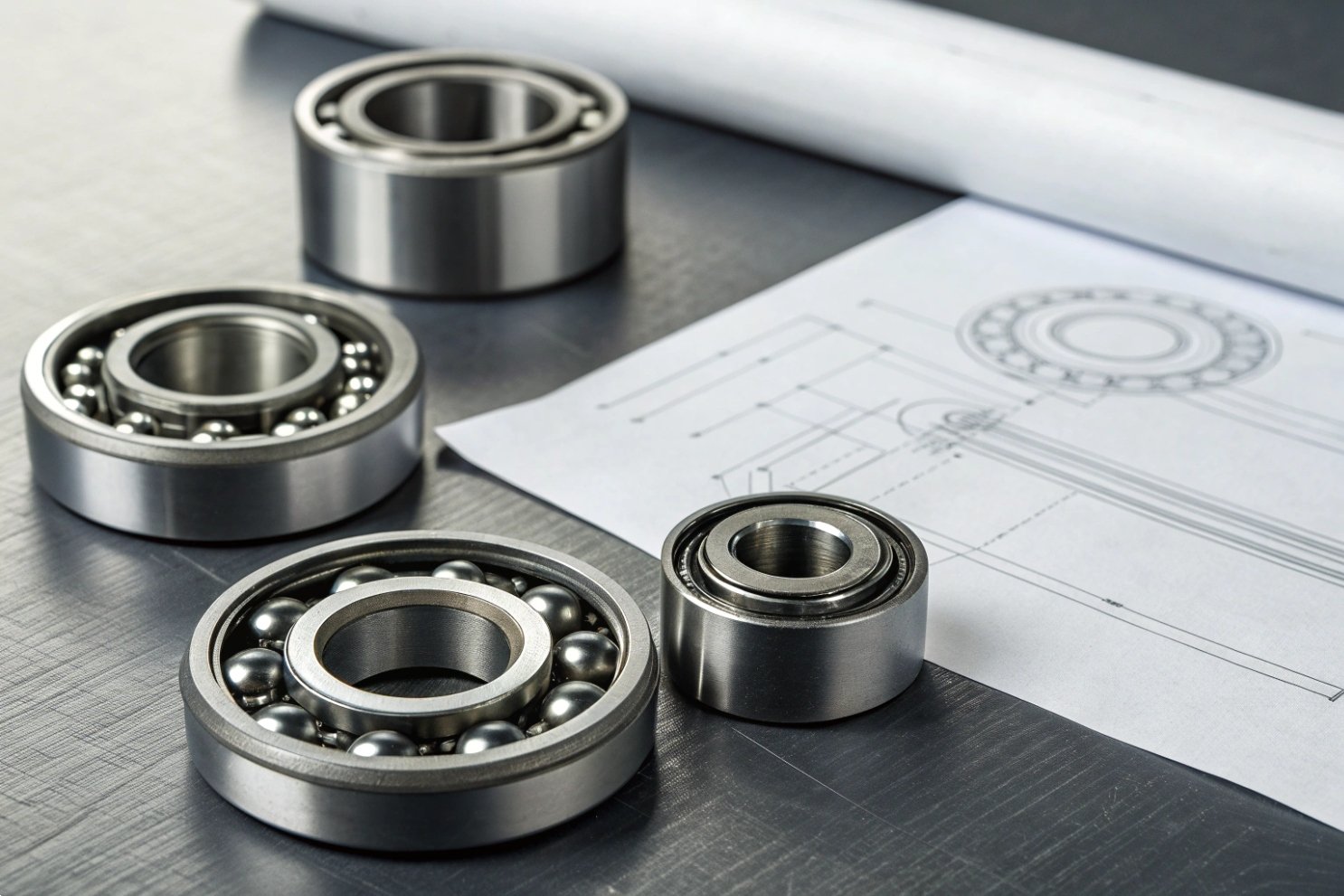
My goal is not to force you to buy a whole new part when only a small piece is broken. I know that in the heavy equipment business, a customer needs the flexibility to fix what is broken, not replace the whole unit. For a large distributor or maintenance firm, having spare parts inventory is key to quick turnaround times. We make sure to stock small, critical components like floating seals, bushing sets, and specialized fasteners. David needs this stock readily available to service his own network of customers quickly and efficiently. Our direct manufacturing model means we can supply these components quickly and at a wholesale price.
The Critical Role of Spare Components
Think about a common failure: a track roller losing its oil. This happens when the floating seal group fails. The metal rings wear down or the rubber toric rings fail. If you must buy a new roller every time a seal fails, the cost becomes very high. The real solution is to replace just the seal group and perhaps the bushing. These are cheap parts, but they are critical. We make sure these seals are available for purchase separately. This flexibility reduces the overall maintenance cost and machine downtime for our customers.
| Spare Component | Purpose in Repair | Key Quality Consideration |
|---|---|---|
| Floating Seal Group | Prevents dirt/water entry and keeps oil inside. | Must use high-grade rubber and precisely ground metal rings. |
| Bushing/Bearing Kits | Replaces worn internal steel surfaces. | Requires correct metallurgy and hardness to resist friction wear. |
| Specialized Fasteners | Secures track shoes or frame sections. | Must be high-tensile strength to handle constant load vibration. |
This is part of our commitment to you. We sell high-quality, durable assemblies, but we also support the service life of those assemblies by selling the small parts needed for repair. When David buys from Dingtai, he is not just buying a final product. He is buying into a complete support system.
Why Buy Spares From the Original Manufacturer?
You can find generic seals and bushings from many sources, but I always warn my customers about this.
- Precise Fit: Our spare parts are made in the same factory, to the same exact dimensions as the originals. A generic seal that is even $0.1mm$ too big or small will fail quickly. We use highly precise computer-controlled machining ($CNC$)to ensure perfect fit. This precision is critical for preventing early oil leaks in rollers and idlers.
- Material Quality: The floating seals we use are made from special, high-wear steel and high-temperature-resistant rubber. Our materials are tested to ISO and SGS standards. A cheap, generic seal might use poor-quality rubber that breaks down in hot oil or cold weather, leading to another, faster failure. David, with his deep technical background, knows that material quality determines the component's true lifespan.
- Technical Support: If you use our spare parts, my engineers know exactly what they are dealing with when you call for support. If you use generic parts, we cannot guarantee the repair quality, and it makes our technical analysis much harder. Using our certified parts ensures that if a problem comes up later, we can still trace it back to a known quality source.
We believe in making the repair process easy. We provide you with the correct technical drawings and full-support documents, making your in-house repair operation smoother and more reliable.
Conclusion
Yes, you can get technical help for out-of-warranty parts. We see it as a partnership duty. We offer a mix of free basic troubleshooting and paid, expert analysis and refurbishment services. Our goal is always to reduce your overall cost and keep your equipment working.
Footnotes
1. Understand the key responsibilities and challenges of a procurement director role. ↩︎
2. Overview of consumer rights and limitations regarding product warranties. ↩︎
3. Explore the different fields and applications of professional engineering knowledge. ↩︎
4. Learn about the importance of material integrity in engineering and failure prevention. ↩︎
5. Definition and benefits of transparent pricing in B2B transactions and partnerships. ↩︎
6. Guide to performing root cause analysis to identify the underlying issues of a failure. ↩︎
7. Tips on correct track tensioning to extend undercarriage life and prevent premature wear. ↩︎
8. Official information on the ISO 9001 standard for quality management systems. ↩︎
9. Explanation of continuous improvement principles in manufacturing and operations. ↩︎
10. Definition and factors contributing to the Total Cost of Ownership (TCO) of assets. ↩︎