
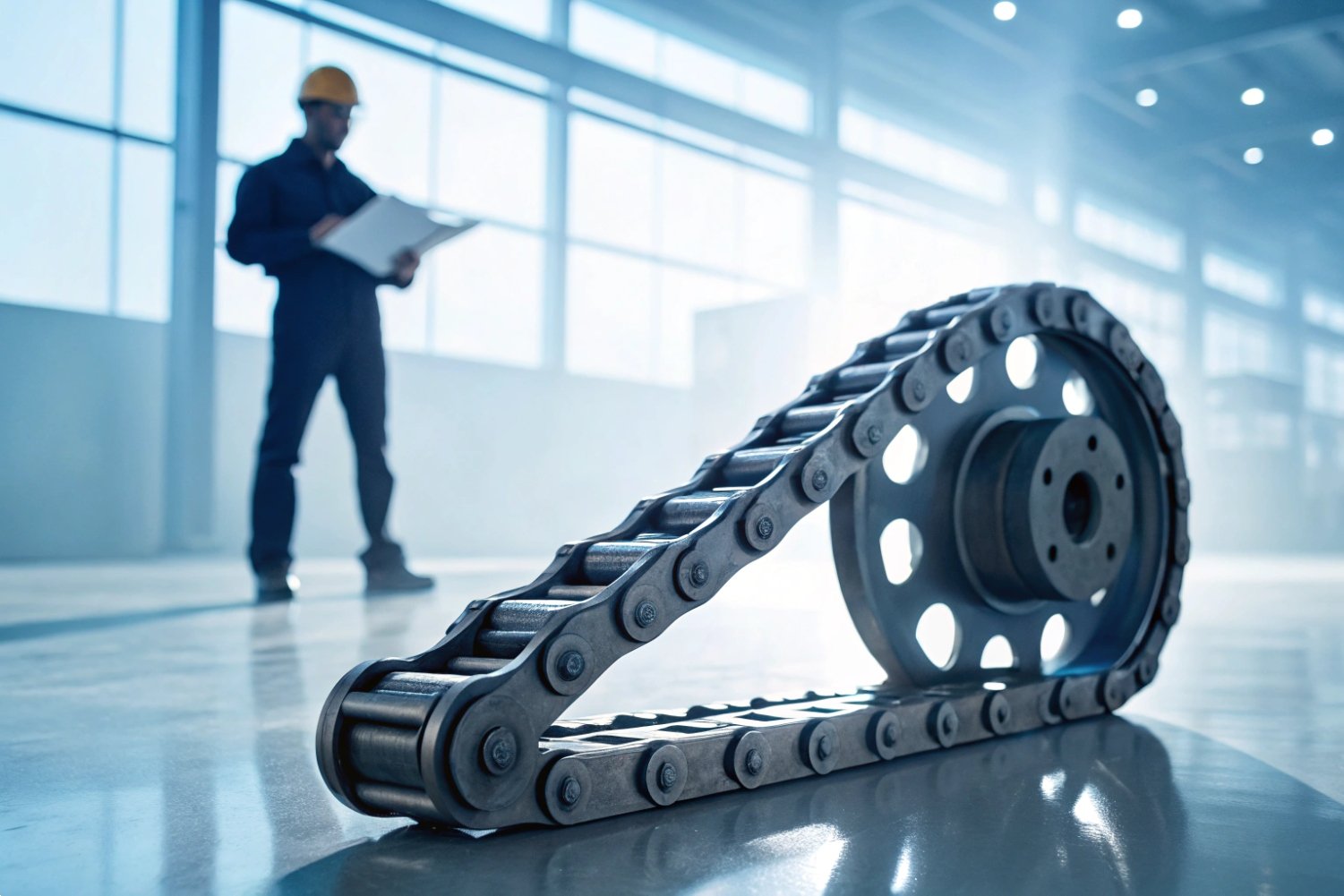
I know the stress of finding a partner who actually delivers quality. When your machines sit idle because a "cheap" track chain snapped, the lost revenue hurts more than the initial savings.
To choose the right excavator undercarriage parts supplier, you must verify their manufacturing certifications like ISO9001, request specific heat treatment reports (HRC hardness), and confirm their compatibility with major brands like Cat or Komatsu. Reliable suppliers offer transparent lead times and documented quality control processes.
Buying heavy machinery parts across the ocean is a high-stakes game. You need more than a low price; you need a partner who understands that a single bolt failure can stop a multi-million dollar mining project. I have seen many buyers lose money because they skipped the technical deep dive, and I want to help you avoid those same mistakes by looking at the real data behind the steel.
How do I verify a manufacturer's factory capacity to ensure consistent high-volume supply?
I once dealt with a "factory" that turned out to be a small workshop with two old lathes. They promised me 500 rollers in two weeks, but they couldn't even finish 50 because they didn't own the heat treatment furnace.
Verifying factory capacity requires reviewing the supplier's machinery list, employee count, and monthly output data. A true manufacturer will have in-house forging, heat treatment, and CNC machining capabilities. Requesting a live video tour of the production line and checking ISO audit reports are the most reliable ways to confirm volume stability.
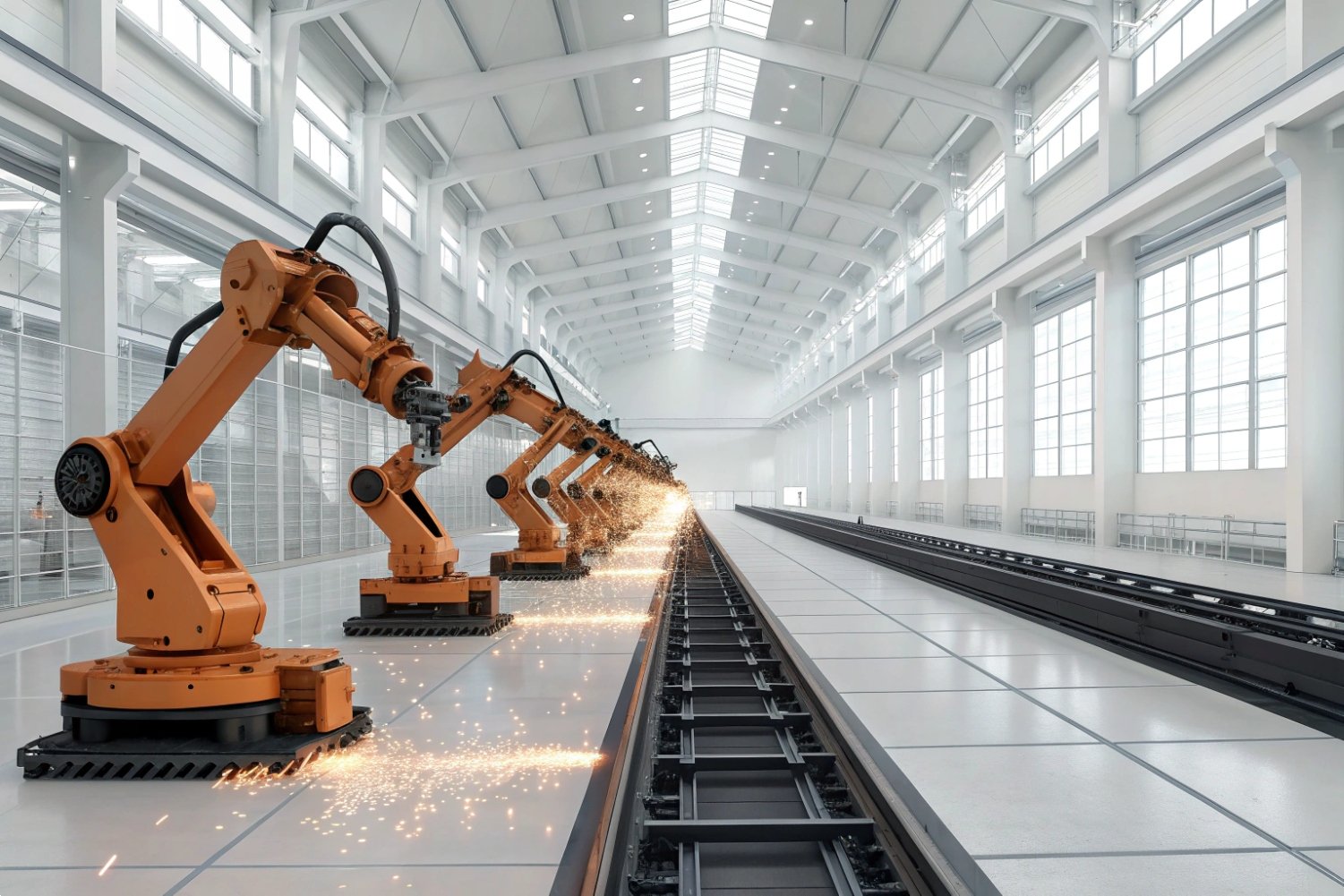
When I look at a supplier, I don't just ask "how big is your factory?" I ask for the specific number of production lines and the age of their equipment. In the undercarriage industry, volume is useless without consistency. If a factory uses manual welding for track guards or idler supports, you will see variations in every batch. I prefer factories that invest in automated welding robots 1 and vertical machining centers.
Capacity Indicators Table
| Equipment Type | Importance Level | Why it Matters |
|---|---|---|
| Forging Press (over 1600 tons) | Critical | Ensures the grain flow of the steel is tight for track links. |
| Automatic Heat Treatment Line | High | Guarantees every link or roller gets the same hardness. |
| CNC Machining Centers | High | Ensures the dimensions match your machine's original specs. |
| Testing Lab (Spectrometer) | Essential | Verifies the raw material is actually the grade of steel promised. |
The "Sub-Contractor" Risk
Many trading companies pretend to be factories. They take your big order and split it among three small workshops. This is a disaster for you because the heat treatment in Workshop A will be different from Workshop B. When you install these parts, they will wear out at different speeds. You should always ask for a "Plant Layout" and a list of internal quality control checkpoints. If they cannot show you where the raw steel enters and the finished product leaves under one roof, they are likely outsourcing your quality.
Why Staff Expertise Matters
A factory is only as good as its people. I look for companies that have at least 20% of their staff in technical or QC roles. At Dingtai, we have over 20 professional technicians. This matters because when a CAD drawing 2 has a slight error, a skilled engineer catches it before the steel is poured. A middleman will just pass the error along, leaving you with a part that doesn't fit.
What specific technical reports should I request to confirm the heat treatment quality of my track chains?
I have seen track chains that look perfect on the outside but snap like glass under a load. This happens because the "core hardness" was never checked, or the quenching process was rushed to save electricity costs.
You must request a Material Test Certificate (MTC) and a Heat Treatment Depth Report. Specifically, ask for the Rockwell Hardness (HRC) values for both the surface and the core. For track chains, the surface hardness should typically be between 52-58 HRC with a specific depth of hardening to ensure long-term wear resistance.
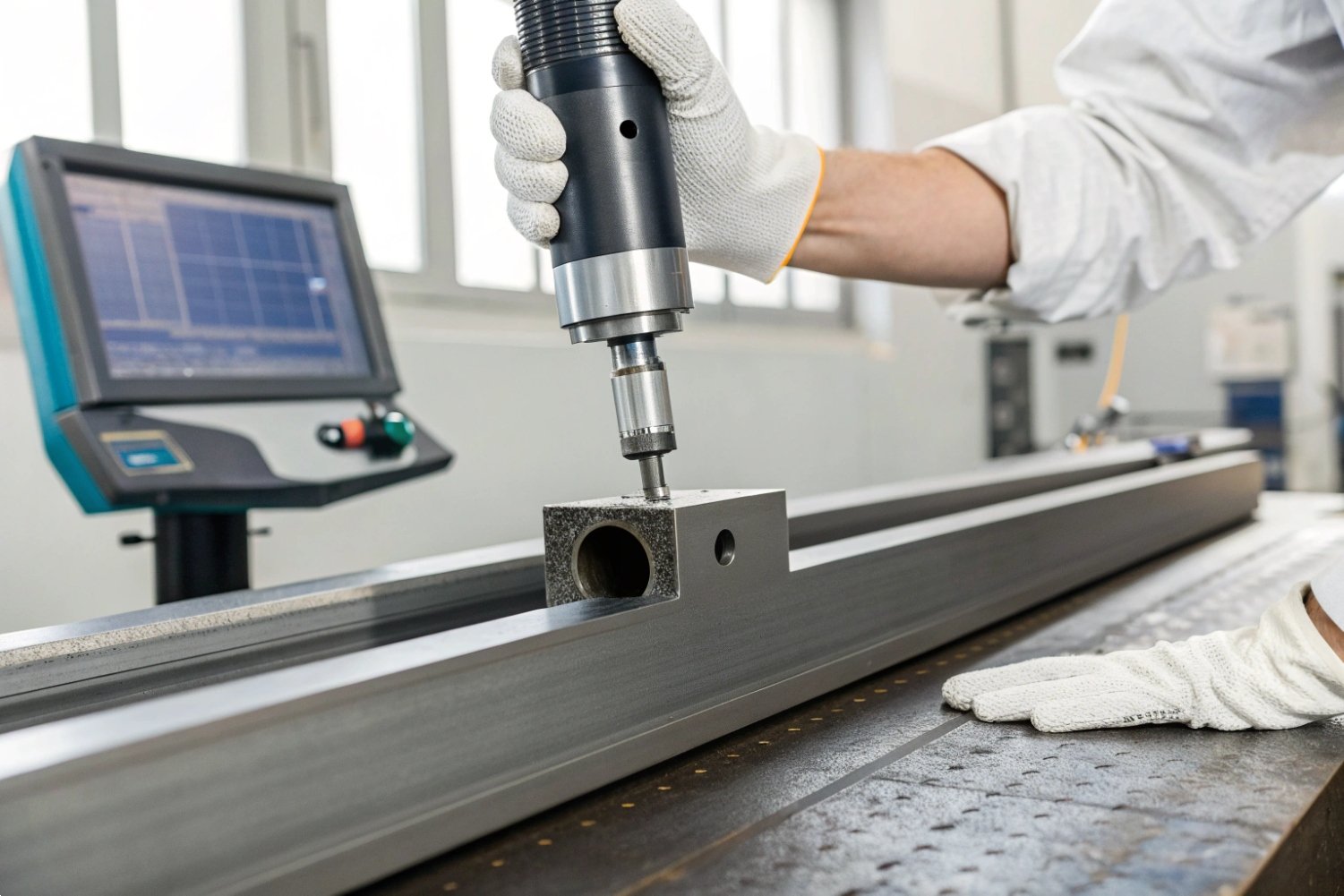
If a supplier gets nervous when you mention "HRC depth," walk away. High-quality undercarriage parts, like those we make at Dingtai, rely on induction hardening 3. This process creates a hard outer shell to resist rocks and sand, while keeping a tough, flexible core to absorb shocks. Without the right reports, you are just guessing if the steel is actually treated.
Required Quality Documents
- MTC (Material Test Certificate): Shows the chemical makeup (Carbon, Manganese, Boron) of the steel.
- Ultrasonic Test Report: Checks for internal cracks or air bubbles inside the metal.
- Hardness Map: A diagram showing hardness at different depths of the part.
Understanding Hardness Standards
| Part Name | Surface Hardness (HRC) | Hardness Depth (mm) |
|---|---|---|
| Track Link | 52 - 58 | 8 - 12 |
| Track Roller | 50 - 56 | 7 - 10 |
| Bushing | 55 - 60 | 3 - 5 |
| Track Pin | 52 - 58 | 3 - 6 |
Why Boron Steel is the Standard
I always check if the supplier uses 35MnB or 40Mn2 steel. Boron (the 'B' in 35MnB) is a tiny ingredient that makes a huge difference. It allows the steel to be hardened deeply and consistently. Some cheap suppliers use standard carbon steel 4 which only hardens on the very surface. After a few hundred hours of work, that thin layer wears off, and the soft metal underneath collapses. Always demand the chemical analysis report to see that Boron content.
How can I assess if a supplier’s R&D team can handle my custom technical drawings?
I once sent a custom drawing for a modified rock bucket tooth to a supplier who said "no problem." Three months later, the parts arrived, and the bolt holes were 5mm off. They had the machines, but they didn't have the engineers to read the CAD files correctly.
To assess R&D capability, ask the supplier to provide a 3D model or a shop drawing based on your requirements before production starts. Check if they use software like SolidWorks or AutoCAD. A capable team will ask you technical questions about the "operating environment" and "workload" rather than just quoting a price immediately.
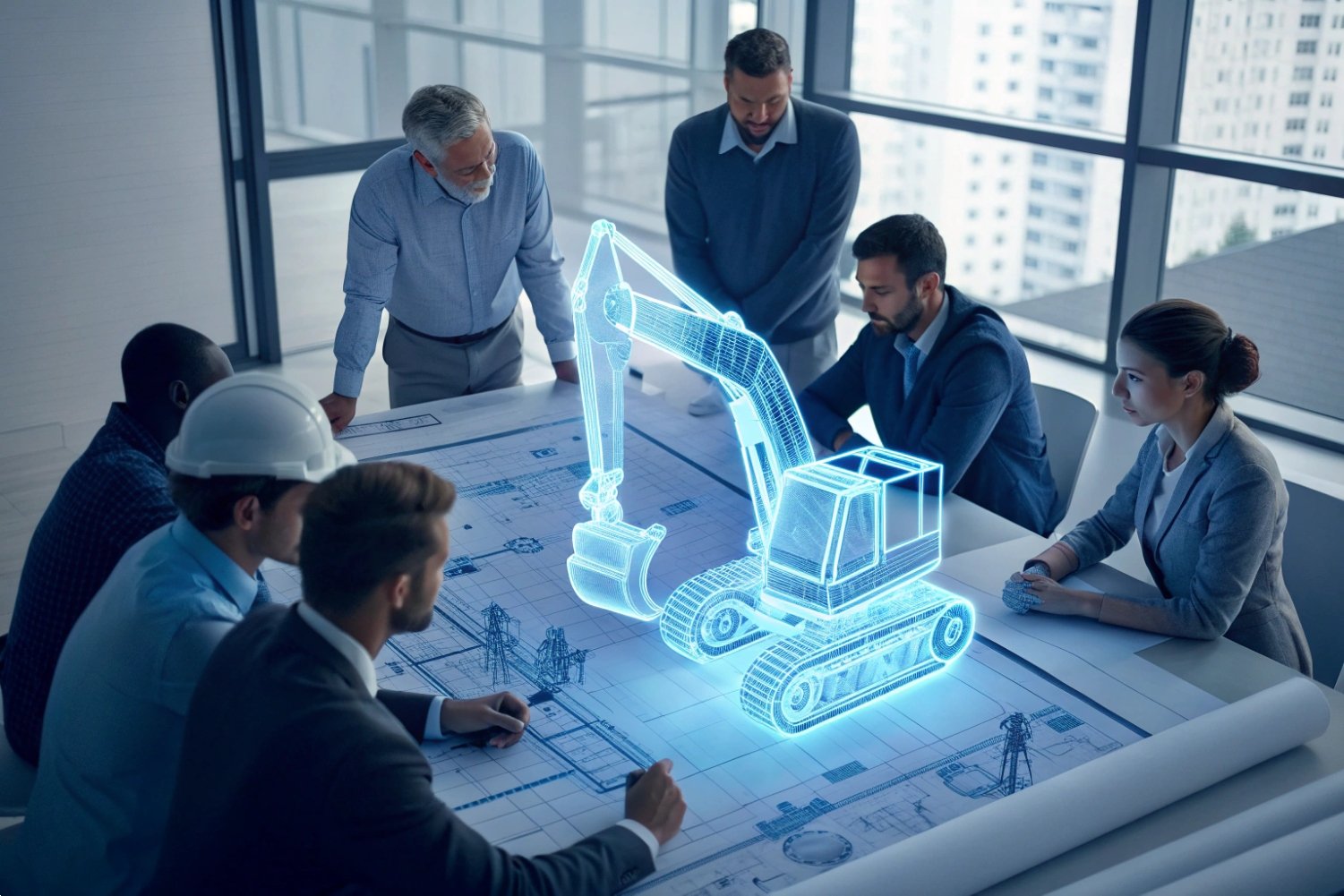
A real R&D team acts as a consultant. When David Miller from the US asks us for a part, he expects us to understand the clearance levels 5 and the stress points of his specific machines. If a supplier just says "yes" to everything without asking for your machine's serial number or specific operating conditions, they probably don't have a real engineering department.
Steps to Test Their Engineering Skill
- Send a complex drawing: Give them a drawing with tight tolerances and see if they flag any potential manufacturing issues.
- Request a Material Suggestion: Ask them, "For a high-impact mining site, what alloy should we use?" A good team will suggest specific Chromium or Nickel additions.
- Ask for a "Sample Protocol": A professional factory will produce a single prototype, test it in their lab, and send you the results before starting the full batch.
Customization Capability Comparison
| Feature | Basic Supplier | Advanced Manufacturer (e.g., Dingtai) |
|---|---|---|
| Drawing Review | Basic visual check | Full CAD/CAM analysis & stress simulation |
| Material Choice | Standard stock only | Custom alloys based on soil/rock type |
| Prototype Speed | 4-6 weeks | 2-3 weeks with 3D printed models |
| Technical Support | Salesperson responds | Lead Engineer joins the call |
Why is it important for me to choose a supplier with direct export experience to the North American market?
Shipping heavy steel across the world is a logistical nightmare if you don't know the rules. I've heard horror stories of containers sitting at the Port of Long Beach for weeks because the ISF filing 6 was wrong or the wood pallets weren't heat-treated correctly.
Suppliers with North American export experience understand strict quality standards, EPA/customs regulations, and the high expectations for packaging. They know that a broken crate in a 20-ton shipment can cause safety hazards and insurance claims. Experience in this market proves the supplier can meet the world's toughest durability and administrative requirements.
When I work with clients like David, I know that "Time is Money." An experienced exporter provides a transparent tracking system and has a "Zero Defect" mindset. In the US, labor costs for replacing a failed part are often higher than the cost of the part itself. A supplier who has sold to the US for years knows that if their product fails, they won't just lose an order—they will lose a reputation that took decades to build.
The Benefits of Market Experience
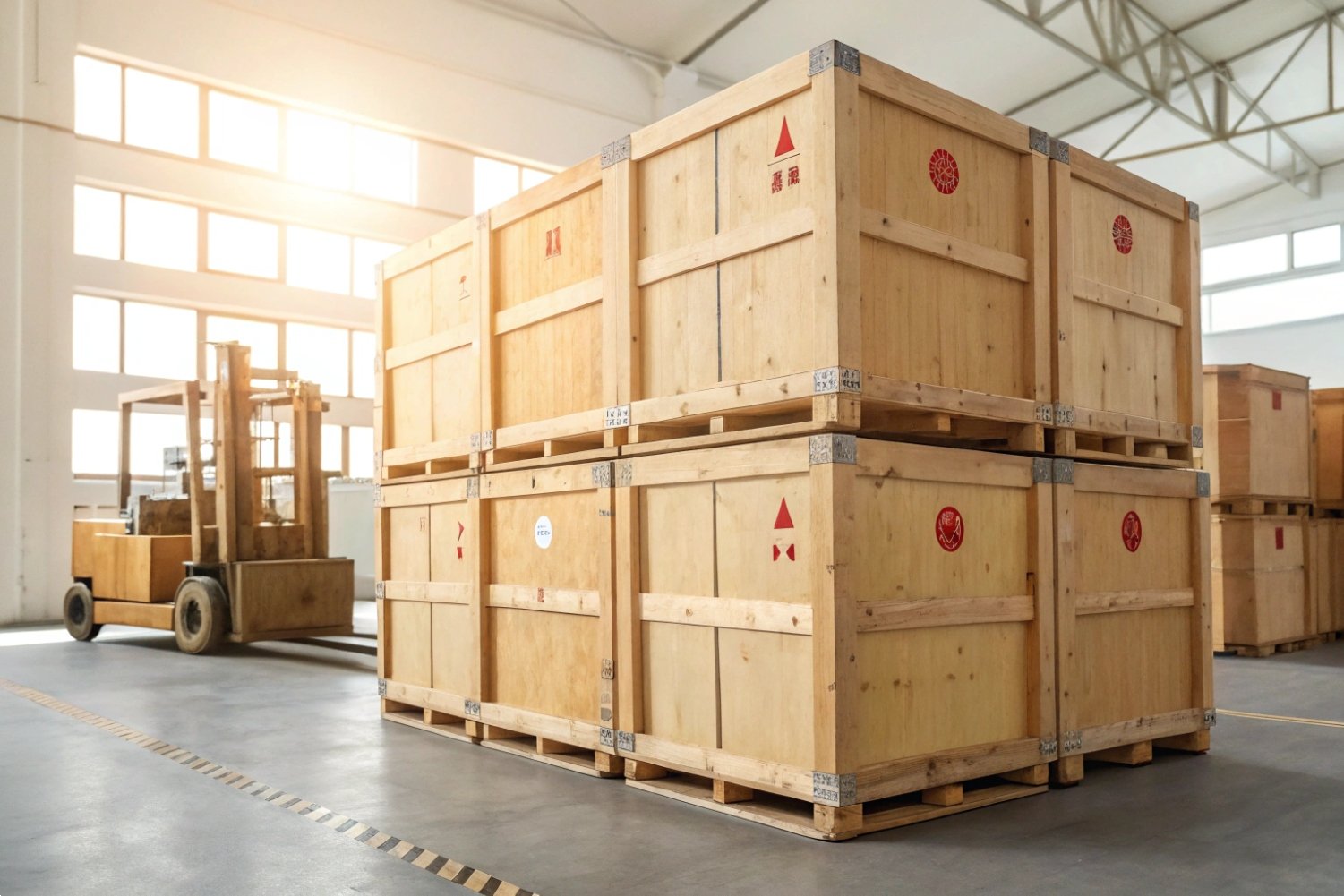
- Packaging Quality: They use heavy-duty steel strapping and reinforced wooden boxes. They know that sea salt and humidity can rust bare steel, so they use proper VCI coatings 7.
- Documentation Accuracy: They provide clear Packing Lists, Commercial Invoices, and Certificates of Origin 8. This prevents expensive delays at customs.
- Communication Style: They understand the "David Miller" style—direct, honest, and technical. No fluff, just facts.
Handling the "After-Sales" Gap
The biggest risk with a new supplier is what happens when something goes wrong. An experienced exporter usually has a clear claim process 9. For example, if a track roller leaks oil within the first 500 hours, they will ask for the serial number and photos, analyze the failure, and send a replacement in the next container. A local-only supplier will often ignore your emails once the money has been wired 10.
Conclusion
Choosing the right supplier means looking past the price tag to the factory floor. By verifying capacity, demanding heat treatment data, testing R&D skills, and checking export history, you protect your business from downtime.
Footnotes
1. Explanation of how robotic systems ensure consistent welding quality in manufacturing. ↩︎
2. Insights into the role of CAD software in precision engineering and design. ↩︎
3. Guide to the induction hardening process for improving surface durability of steel. ↩︎
4. Overview of standard carbon steel properties used in industrial applications. ↩︎
5. Technical guide to machinery clearances and tolerances for optimal performance. ↩︎
6. Official U.S. Customs and Border Protection requirements for Importer Security Filing. ↩︎
7. How Volatile Corrosion Inhibitors (VCI) protect metal parts from rust during shipping. ↩︎
8. Importance of the Certificate of Origin in international trade and customs compliance. ↩︎
9. Detailed look at the standard steps involved in a professional business claims process. ↩︎
10. Consumer safety guide on best practices and risks when wiring money internationally. ↩︎