

Importing undercarriage parts for excavators 1 is a complex process that carries inherent risks 2. I realized the financial stakes involved, given the potential for loss or damage during transit. Cargo insurance offers a safety net, shielding importers from unforeseen events that could otherwise lead to substantial economic loss.
Cargo insurance is critically important when importing these parts due to their high value and the financial risks of potential damage, loss, or theft during transport. The insurance provides comprehensive coverage that shipping line liability 3 does not, ensuring importers are not left financially exposed.
Importers must consider the security cargo insurance provides. Without it, unexpected losses can disrupt operations and cause severe financial strain.
What kind of risks does cargo insurance cover that the shipping line's liability does not?
Importers like myself must navigate various risks when transporting goods. It's essential to recognize that a shipping line's liability typically has significant limitations, covering only a fraction of the cargo's full value. I learned this can leave shippers vulnerable.
Cargo insurance offers protection that shipping line liability does not, covering theft, accidents, natural disasters 4, and other unexpected events, and ensures the full value of the goods is secured against these risks.
Beyond the basics, understanding the full scope of risks covered by cargo insurance is vital. The following sections delve into different facets of cargo insurance coverage:
Coverage Beyond Basic Liability
While a shipping line might cover some losses, it often excludes several key risks. Cargo insurance fills these gaps by offering full value coverage. It can compensate for damages due to natural disasters like storms, which may cause severe losses.
Analytical Comparison: Liability vs. Cargo Insurance
Here is a useful comparison table:
| Category | Shipping Line Liability | Cargo Insurance |
|---|---|---|
| Loss/Damage | Limited | Comprehensive |
| Natural Disasters | Not covered | Covered |
| Theft | Often excluded | Covered |
Supplier and Buyer Responsibilities
Depending on agreements like incoterms 5, responsibilities for insurance can fall on different parties. Some terms require sellers to ensure, while others require buyers. This flexibility makes understanding agreements crucial.
Can I purchase insurance through my supplier, my freight forwarder, or a separate insurance company?
Purchasing cargo insurance is a decision that needs careful examination. Importers might have options to buy through various channels. I found it's essential to weigh each option's benefits.
Yes, you can purchase cargo insurance 6 through your supplier, freight forwarder 7, or a separate insurance company. Each choice has unique advantages. Suppliers offer convenience as part of the sale, while freight forwarders provide expertise. Separate insurance companies might offer specific policy customization.

When deciding on cargo insurance, consider the following aspects:
Comparing the Options
Suppliers can bundle insurance in the contract. This convenience, however, sometimes comes at higher costs. Freight forwarders often deliver seamless insurance solutions tailored to shipping needs, leveraging their expertise for more custom options.
Detailed Examination of Options
Consider this table comparing each option:
| Provider _ | Advantages | Disadvantages |
|---|---|---|
| Supplier | Convenience | Potential for higher premiums |
| Freight Forwarder | Expertise _ | Limited coverage customization |
| Separate Insurance Co. | Policy customization | Additional coordination required |
Choosing the Right Partner
Evaluate your specific needs and operational priorities. For comprehensive protection, a specialized insurance company might offer the bespoke solutions an importer requires.
Calculating insurance premiums felt daunting at first. Knowing what factors influence premiums is crucial to managing costs effectively. Information accuracy ensures reliable coverage.
Insurance premiums are calculated 8 based on several factors, including cargo value, type, destination, and preferred coverage level. You need to provide accurate cargo details, including invoice values, shipping route, and other pertinent information to ensure a precise premium.

Factors Determining Premiums
The cost of premiums depends on multiple elements:
- Value of Cargo 9: Higher-value items incur higher premiums.
- Destination: Shipping routes and destinations with higher risk levels might attract higher costs.
- Type of Goods: Delicate or high-value items, like excavator parts, typically demand specific coverage.
Essential Information for Insurers
Importers must provide:
- Invoice Value: Establishes the cargo's insured amount.
- Route Details: Clarifies potential risk exposure.
- Cargo Description: Ensures policy appropriateness for the specific goods.
Calculating Total Coverage Needs
A holistic view is crucial. Matching coverage to cargo value ensures no gaps in protection occur. Adequate insurance means total peace of mind through the journey.
What is the process for filing a claim if my cargo is damaged or lost?
Understanding claim processes beforehand prepares importers for worst-case scenarios. Filing claims efficiently can significantly reduce disruptions in operations.
In the event of damage or loss, the process for filing a claim 10 involves notifying the insurer promptly, providing necessary documentation such as a bill of lading, and undergoing an inspection to assess the loss. A timely, detailed submission can expedite claims processing and significantly mitigate disruption impacts.
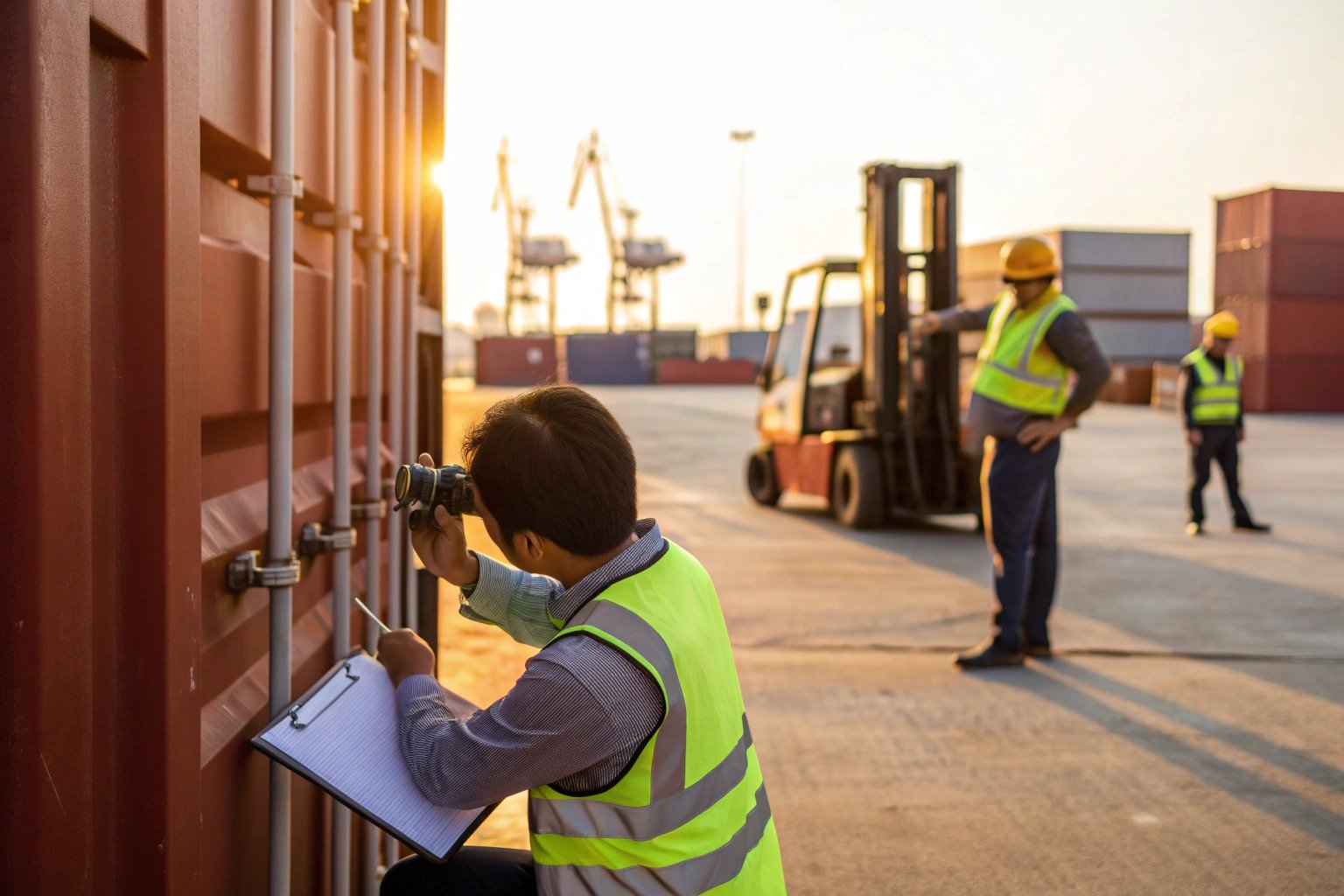
The Step-by-Step Process
The claim process demands specific steps:
- Notification: Contact the insurer immediately; delays can affect claim outcomes.
- Documentation: Gather documents—proof of shipment, damage report, and photos.
- Inspection: Prompt professional inspection to evaluate the loss extent.
- Submission: Ensure a complete claim package with all necessary information.
- Follow-up: Maintain communication with the insurer for updates on progress.
Importance of Timeliness and Accuracy
Delays and inaccuracies risk claim denial. Correct documentation and prompt actions foster smoother resolution.
Tips for Effective Claim Management
Being prepared mitigates losses further:
- Use robust documentation procedures.
- Maintain clear communication lines with insurers.
- Ensure timely submission of comprehensive evidence to validate claims promptly.
Conclusion
Cargo insurance is a fundamental component in the importation process, providing irreplaceable financial protection and peace of mind.
Footnotes
1. Guide to importing machinery, covering suppliers, logistics, and customs. ↩︎
2. Details common risks in international shipping, including damage, loss, and delays. ↩︎
3. Explains the significant differences between limited carrier liability and cargo insurance. ↩︎
4. Discusses how cargo insurance protects against unpredictable events like natural disasters. ↩︎
5. Official guide explaining how Incoterms define buyer and seller insurance responsibilities. ↩︎
6. Outlines options for purchasing ocean marine cargo insurance for imports. ↩︎
7. Details how freight forwarders assist with risk assessment and arranging insurance. ↩︎
8. Explains the factors used to calculate freight insurance premiums, like value and route. ↩︎
9. A guide on how to calculate the Total Insured Value (TIV) for a shipment. ↩︎
10. A step-by-step guide on the process for filing a marine cargo insurance claim. ↩︎