
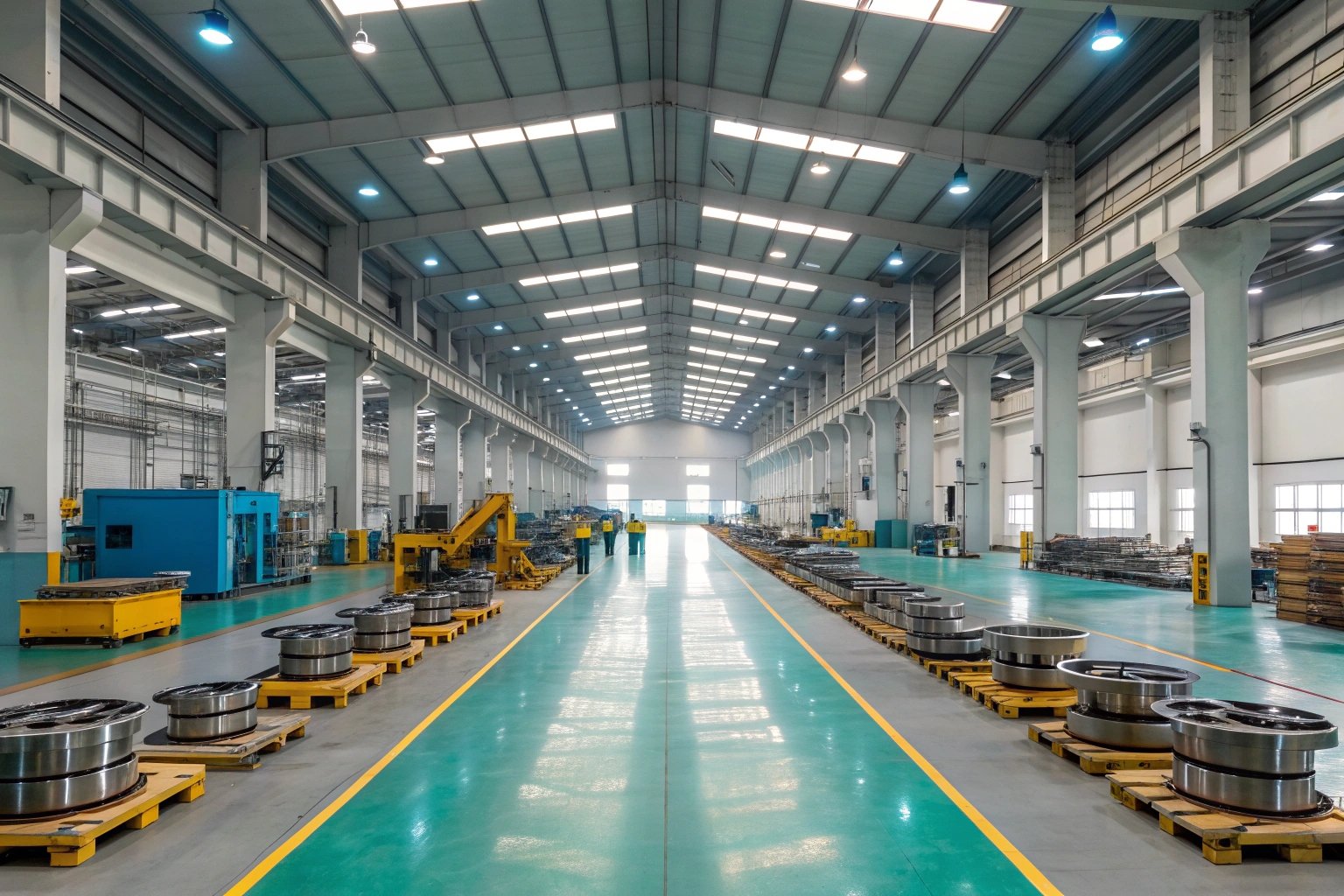
Finding a reliable parts supplier is a constant challenge. A bad batch of rollers or track chains can bring a half-million-dollar machine to a halt. Have you ever considered how your supplier makes those parts?
As a purchasing director with over 20 years in this industry, I can tell you automation is critical. For me, it directly translates to consistency. It means the parts I buy will fit perfectly and perform reliably, reducing downtime for my customers. That consistency is everything.
This isn't just a "nice to have" feature. A factory's level of automation is a strong signal about its quality, reliability, and even its price. Let's explore why this matters so much when you are sourcing parts like rollers, idlers, and track chains 1.
How can automation and robotics improve product quality and consistency?
I used to struggle with suppliers whose quality varied from one order to the next. A batch of track pads would be perfect in May, but the order in July would have fitting issues. This inconsistency was a nightmare for my customers. That's when I started to focus on how the parts were made.
From my direct experience, automation is the only way to guarantee consistency. Robots perform the same precise weld, the same heat treatment, and the same machining cut every single time. This eliminates human fatigue and error. The 1,000th part is identical to the first, which is critical for the harsh environments these parts work in.
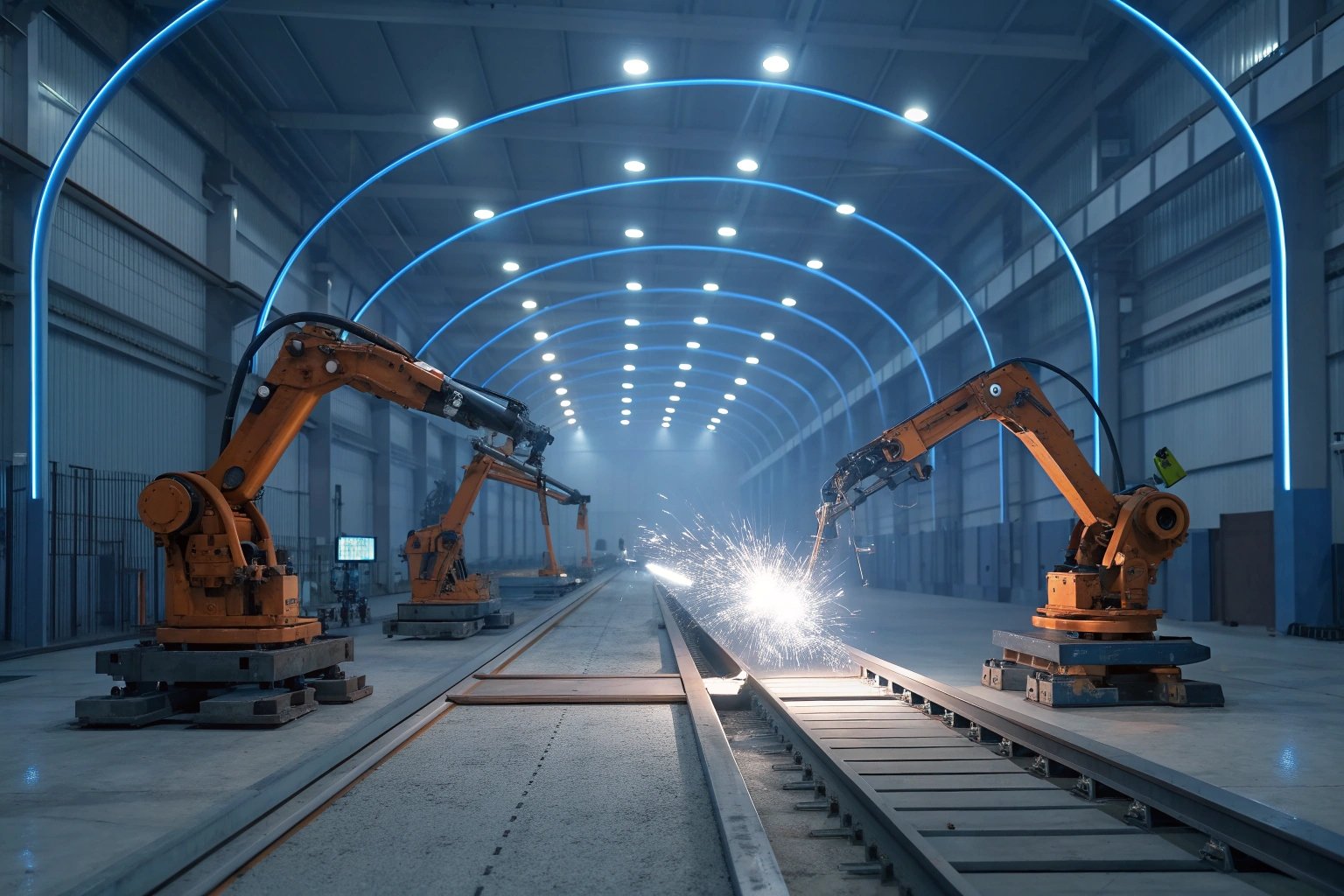
When we talk about "quality" in undercarriage parts, we are really talking about two things: precision and durability. Automation has a huge impact on both.
The Role of CNC Machining in Precision
Undercarriage parts must fit together perfectly. The spacing of a track link or the bore of a roller is measured in tiny tolerances. If these are off, the entire track assembly can wear out faster or even fail.
This is where Computer Numerical Control (CNC) machining 2 comes in. A human operator, no matter how skilled, will have slight variations. An automated CNC machine will execute the exact same programmed path, depth, and speed for thousands of parts in a row.
This means:
- Perfect Fit: Every part is interchangeable. My customers can replace one roller without worrying if it will match the rest of the set.
- Reduced Errors: There is no "oops" moment where a part is drilled incorrectly and has to be scrapped. This reduces waste.
- Complex Designs: Automation allows for the creation of more complex and optimized designs that might be too difficult or time-consuming for a person to make by hand.
Robotic Welding and Heat Treatment
The durability of a part like a track roller or idler depends heavily on its material strength. This is achieved through welding and heat treatment. Both are processes that robotics have transformed.
- Robotic Welding 3: A robot's weld is flawless. It lays a perfect bead with consistent heat and speed. This means there are no weak spots or microscopic cracks that could cause a failure under heavy load.
- Heat Treatment 4: This process hardens the steel. It requires precise control of temperature and timing. Automated furnaces ensure every single part gets the exact same treatment. This guarantees a consistent hardness across the entire part and from one batch to the next. In the past, I've seen manual processes lead to parts that were too brittle (and cracked) or too soft (and wore out quickly).
Automated Quality Control
The best factories don't just use automation to make parts; they use it to check them. Modern production lines use lasers, high-speed cameras, and probes 5 to measure every single part as it comes off the line. This is called 100% inspection. It's much better than the old method of "sampling," where you only check one part out of every 100. This automated checking ensures that no bad parts ever leave the factory.
Here is a simple comparison:
| Feature | Manual Process | Automated Process |
|---|---|---|
| Precision | Relies on operator skill; varies by day | Programmed and mechanically repeated |
| Consistency | Low; high variation between batches | High; identical parts every time |
| Error Rate | Higher; subject to fatigue and mistakes | Near zero; errors are caught instantly |
| Quality Check | Spot-checking (sampling) | 100% automated inspection |
For someone in my position, this level of consistency is not a luxury. It is a core requirement.
Does a higher level of technology indicate a more forward-thinking and reliable supplier?
I’ve dealt with all kinds of suppliers. Some are small "mom and pop" shops. Some are giant, old factories that haven't changed in 30 years. And some are heavily invested in technology. It's easy to guess which ones I prefer.
Absolutely. In my two decades of sourcing, I've learned that a factory's investment in automation is a clear sign they are serious about the future. It shows they are a long-term partner who values quality and efficiency, not just a low-cost producer cutting corners. A high-tech factory is almost always more reliable.
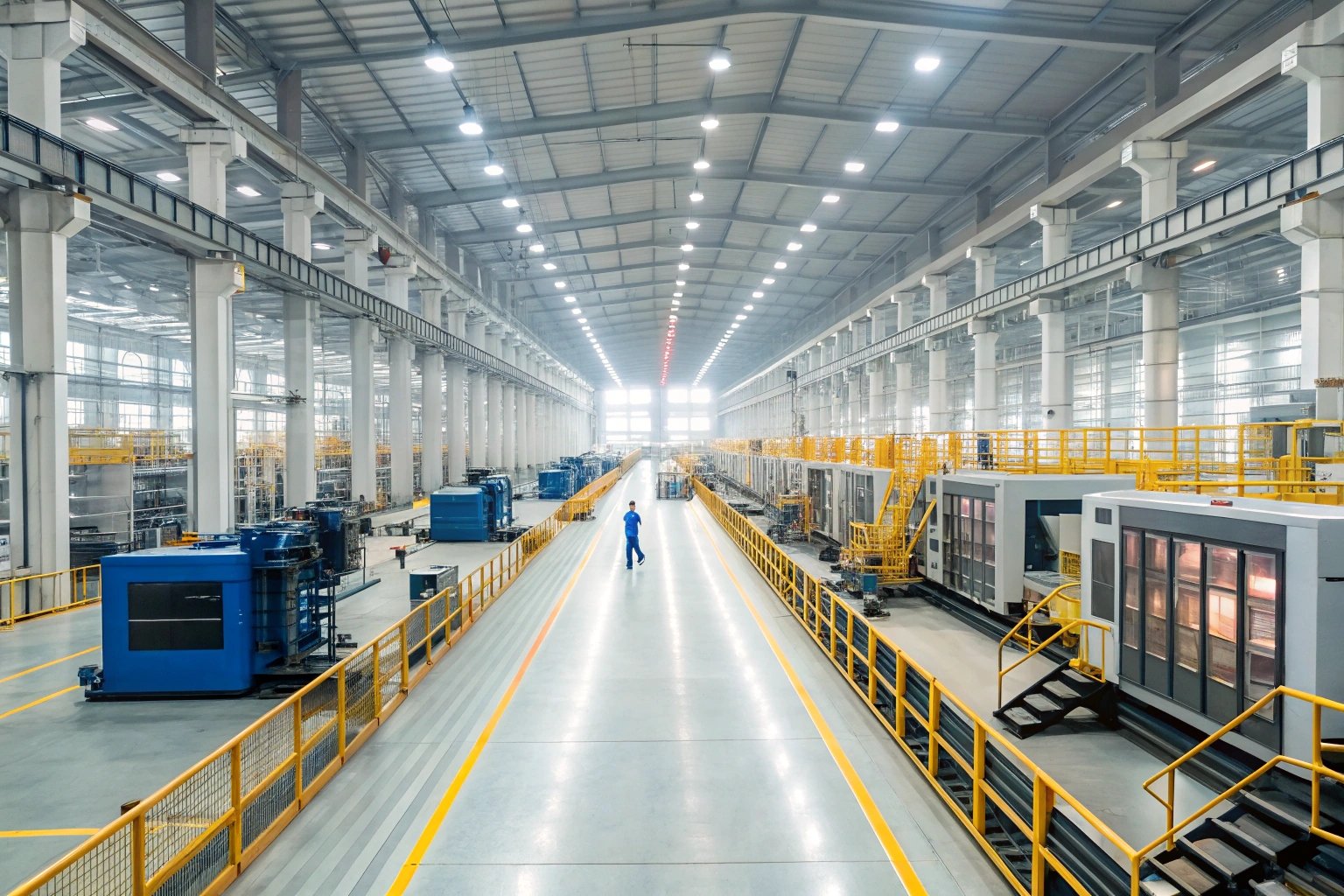
When I visit a factory (or take a virtual tour), the level of technology tells me a story about the company's entire philosophy.
Investment as a Sign of Stability
Robots, CNC centers, and automated lines are expensive. A company that spends millions of dollars on this equipment is not a temporary player.
- They have strong financial backing.
- They have a long-term vision for their business.
- They believe in their product and their place in the market.
This gives me confidence. I need partners who will be here in 5 or 10 years, not ones that might disappear next year. A factory that invests in technology is investing in its own stability, which makes it a more reliable supplier for me.
Data-Driven Manufacturing
Modern factories don't just use machines; they listen to them. Modern automated systems collect data on everything 6: production speed, machine temperature, material usage, and quality measurements.
This data is powerful.
- Process Optimization: They can analyze this data to find and fix small problems before they become big ones.
- Predictive Maintenance 7: They know when a machine needs service before it breaks down. This prevents sudden factory shutdowns that would delay my orders.
- Transparency: When I ask for a status update, they can often give me real-time data on where my order is in the production process. This is a level of transparency I never get from older, non-automated factories.
Adaptability and Future-Proofing
A company that embraces automation is also more likely to embrace other innovations.
- They often have stronger engineering and R&D teams.
- They can adapt to changes faster. For example, if I need a custom part for a new machine model, their automated lines can often be reprogrammed much faster than a manual line can be retrained.
- This forward-thinking mindset extends to other parts of their business, like logistics, customer service, and technical support. They are simply easier to do business with.
This is a key trend, especially with top-tier Chinese manufacturers. They are part of a national push for "smart manufacturing." 8 They are not just competing on price anymore; they are competing on technology. This signals to me that they are serious global players who understand the quality and reliability demands of customers like me in North America and Europe.
Can these technologies help to reduce production costs and lead times?
My biggest headaches are price hikes and delivery delays. A two-week delay from a supplier can mean my customer's excavator is down for that long, which is unacceptable. This is where I've seen automation make the biggest difference for my business.
Yes, and it's a huge factor for me. Automated lines can run 24/7 with fewer stops. This drastically shortens the production cycle. I get my orders faster and, more importantly, predictably. This reliability means I don't have to tie up my cash in huge amounts of safety stock.
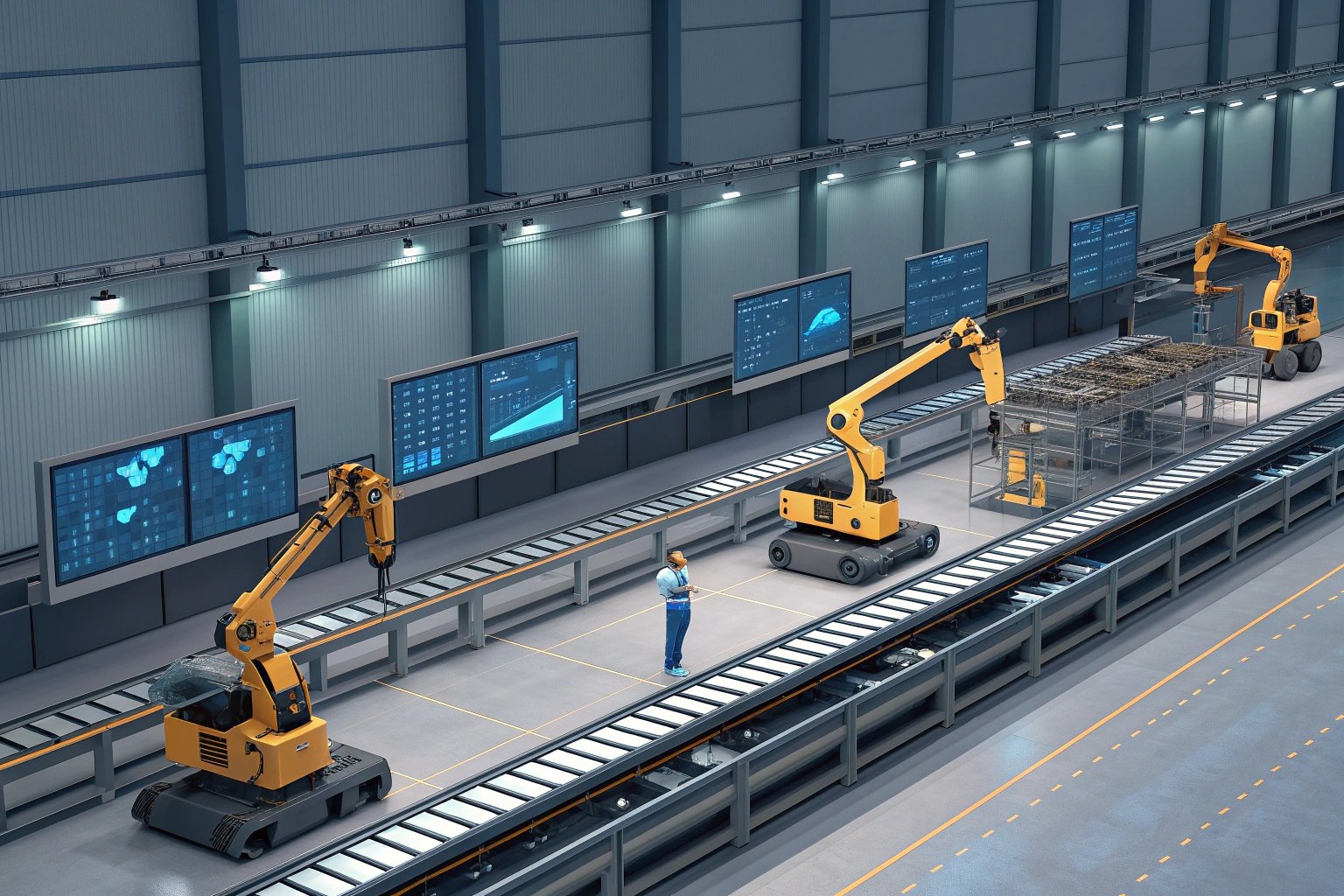
It might seem strange that expensive robots can lead to lower costs, but it's true. The savings come from efficiency, not from cutting corners on materials.
How Automation Reduces Labor Costs
This is the most obvious benefit. A single robotic welding arm can do the work of several skilled welders. In a 24/7 operation, this saves a huge amount on labor. But it's not just about replacing people. It allows the factory to use its skilled workers for more important jobs, like quality assurance, programming, and maintenance, instead of repetitive manual tasks.
Slashing Waste and Rework
Every time a part is made incorrectly, it's waste. The material is wasted. The time is wasted. The energy is wasted.
- Material Waste: Automation is precise. It cuts exactly what is needed, minimizing scrap metal.
- Rework: Because automated quality control catches errors instantly, a bad part is stopped right away. You don't end up with an entire batch of 1,000 bad parts that have to be melted down or fixed.
This reduction in waste is a major cost saving for the factory. A good supplier passes a portion of that saving on to me, giving me a competitive price without sacrificing quality.
The Impact on Supply Chain Speed
For a purchasing director, time is money. Automation speeds up the entire process from order to delivery 9.
| Factor | Manual Process | Automated Process |
|---|---|---|
| Operation | 8-10 hour shifts; stops for breaks | 24/7 continuous operation |
| Cycle Time | Slower; varies by worker | Fast and highly consistent |
| Bottlenecks | Common; depends on worker availability | Rare; production is predictable |
| Lead Time | Longer and variable | Shorter and highly reliable |
Because an automated factory has a predictable output, they can give me a delivery date I can trust. This has been a game-changer for my inventory planning 10. I can keep my inventory leaner, which frees up capital. I can promise my own customers a delivery date and know that I will hit it. This reliability is, in many cases, more valuable than a small difference in price.
How can I ask about their technology level without seeming overly critical?
When I'm vetting a new supplier, I need to know about their technology. But as a buyer with a technical background, I know I can't just ask, "Are your machines old?" That's insulting and won't get me a real answer.
I’ve learned to avoid critical-sounding questions. Instead, I frame it positively. I'll ask, 'Can you share how your factory uses automation to ensure consistent quality?' or 'What recent technology investments are you most proud of?' This invites them to brag about their strengths and shows I value innovation as a partner.
How you ask these questions is key to building a good long-term relationship. You want to sound like a knowledgeable partner, not an interrogator.
Frame Questions Around Your Needs
Instead of asking what machines they have, ask how they solve your problems. My main concerns are quality, delivery, and technical support. So, I ask questions that connect their technology to my needs.
This shows I am a professional buyer who understands the manufacturing process. It also forces them to give me a specific answer, not just a simple "yes, we have good quality."
| Instead of This (Too Critical) | Try This (Partner-Focused) |
|---|---|
| "Do you have problems with human error?" | "What steps in your process are automated to reduce errors and ensure consistency?" |
| "Are your lead times long?" | "How does your production scheduling and automation help you provide reliable delivery dates?" |
| "Is your quality control good?" | "Can you describe your quality control process? Do you use automated inspection?" |
| "Are your prices high because of old machines?" | "How do your technology investments help you manage costs and provide a competitive value?" |
Request a Virtual or In-Person Tour
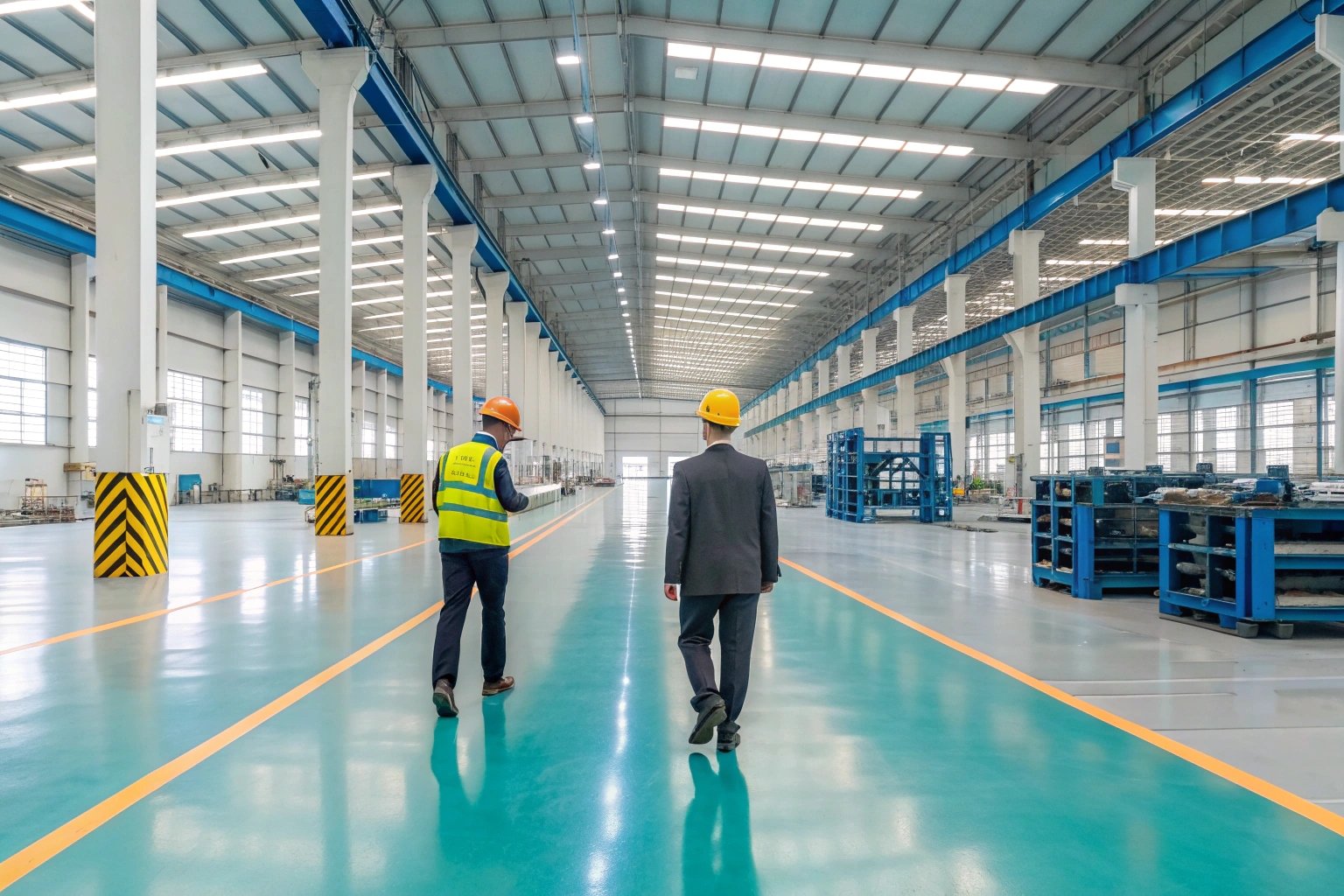
The best way to judge a factory is to see it. If you can't go in person, ask for a virtual tour. Ask them to walk the factory floor with a camera.
- Look for a clean, organized environment.
- Look for robots, CNC machines, and automated assembly lines.
- Pay attention to how the workers interact with the technology.
- Ask to see the heat treatment area and the quality control lab.
A supplier who is proud of their factory will be eager to show you. A supplier who makes excuses is hiding something.
Ask for Data, Not Just Claims
A tech-forward factory runs on data. Don't just ask if their quality is good. Ask for the proof.
- "Can you provide quality reports from your latest production runs?"
- "What are the material specifications for this roller, and can you provide the heat treatment data?"
- "What is your on-time delivery percentage over the last 12 months?"
A reliable supplier with modern systems will have this information. This is the kind of technical dialogue that builds trust and separates the true professionals, like Dingtai, from the average factories. It shows you are a serious buyer, and it sets the stage for a strong, long-term partnership.
Conclusion
Automation is no longer just a buzzword in manufacturing. For excavator undercarriage parts, it is a direct indicator of a supplier's commitment to quality, consistency, and reliability. Choosing a partner who invests in technology is choosing a partner who will help your business succeed.
Footnotes
1. Guide to sourcing heavy equipment undercarriage components. ↩︎
2. Learn how CNC machining achieves high precision in parts. ↩︎
3. Benefits of robotic welding for structural integrity and strength. ↩︎
4. Explanation of heat treatment processes for hardening steel parts. ↩︎
5. See how advanced sensors are used in automated quality control. ↩︎
6. Introduction to data collection in smart manufacturing. ↩︎
7. How sensors predict machine failure before it happens. ↩︎
8. Overview of Industry 4.0 and "smart manufacturing" trends. ↩︎
9. How automation speeds up the entire supply chain. ↩︎
10. The impact of reliable suppliers on inventory planning. ↩︎