
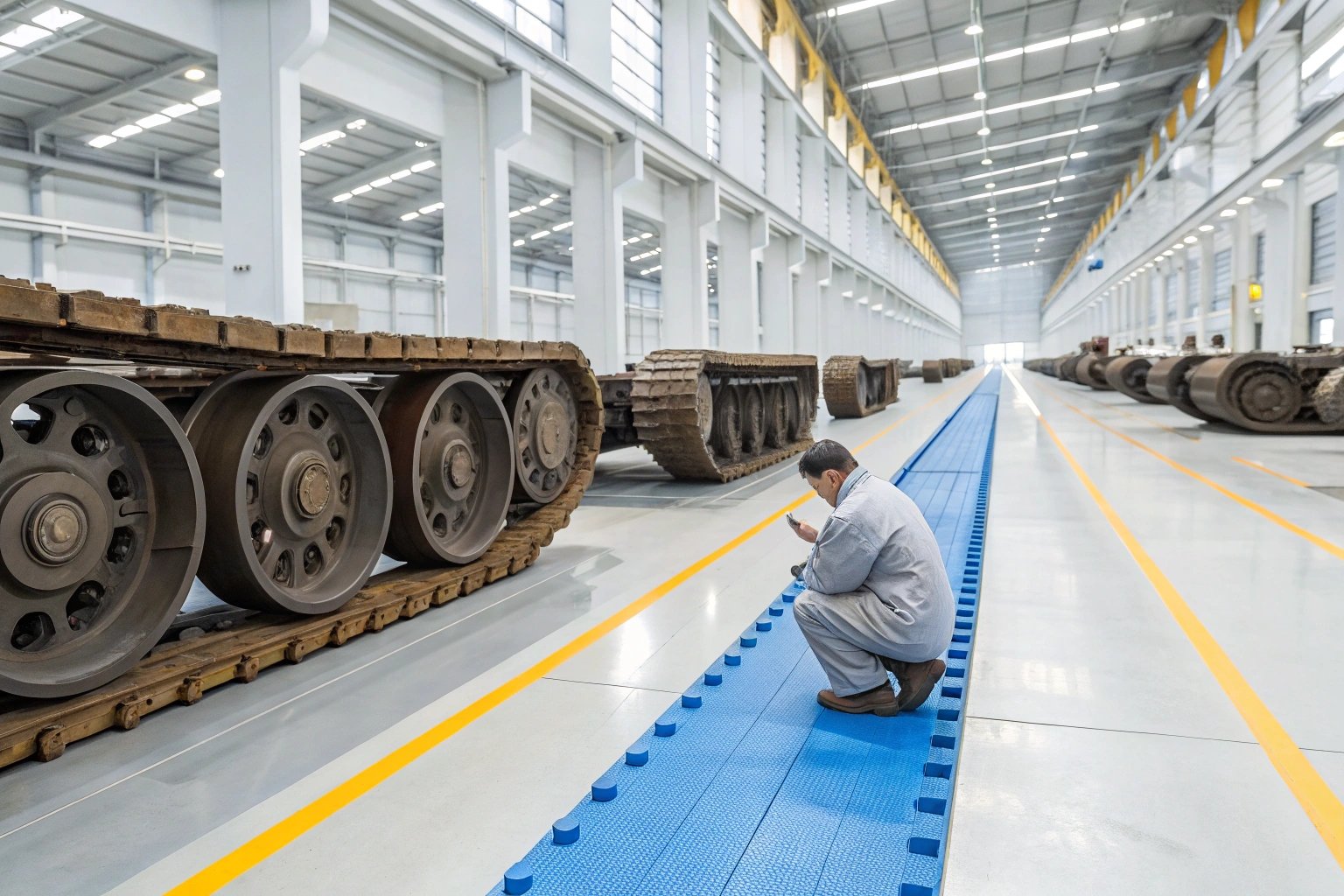
I have seen projects stall because one bad roller slipped through. I know that pain. I push for full checks, clear data, and fast proof.
I confirm 100% inspection with part-by-part records, unique IDs, and measured results that match shipped quantities. I show sampling when reports only list lot data and AQL tables without per-unit traceability. I agree to video audits and third-party witnesses.
If you worry about hidden defects, you are right. One failure can stop a site. I keep you reading with a simple plan you can apply now.
What specific quality control tests do my undercarriage parts undergo before shipping?
I have seen chains fail early when heat treatment was off. I set strict tests for each part. I document them so you can check and trust.
I run material checks, heat treatment checks, hardness tests, case depth checks, crack checks, size checks, and fit tests. I record the results against each part ID. I attach the test method, standard, inspector, and date.
The core tests we run on undercarriage parts
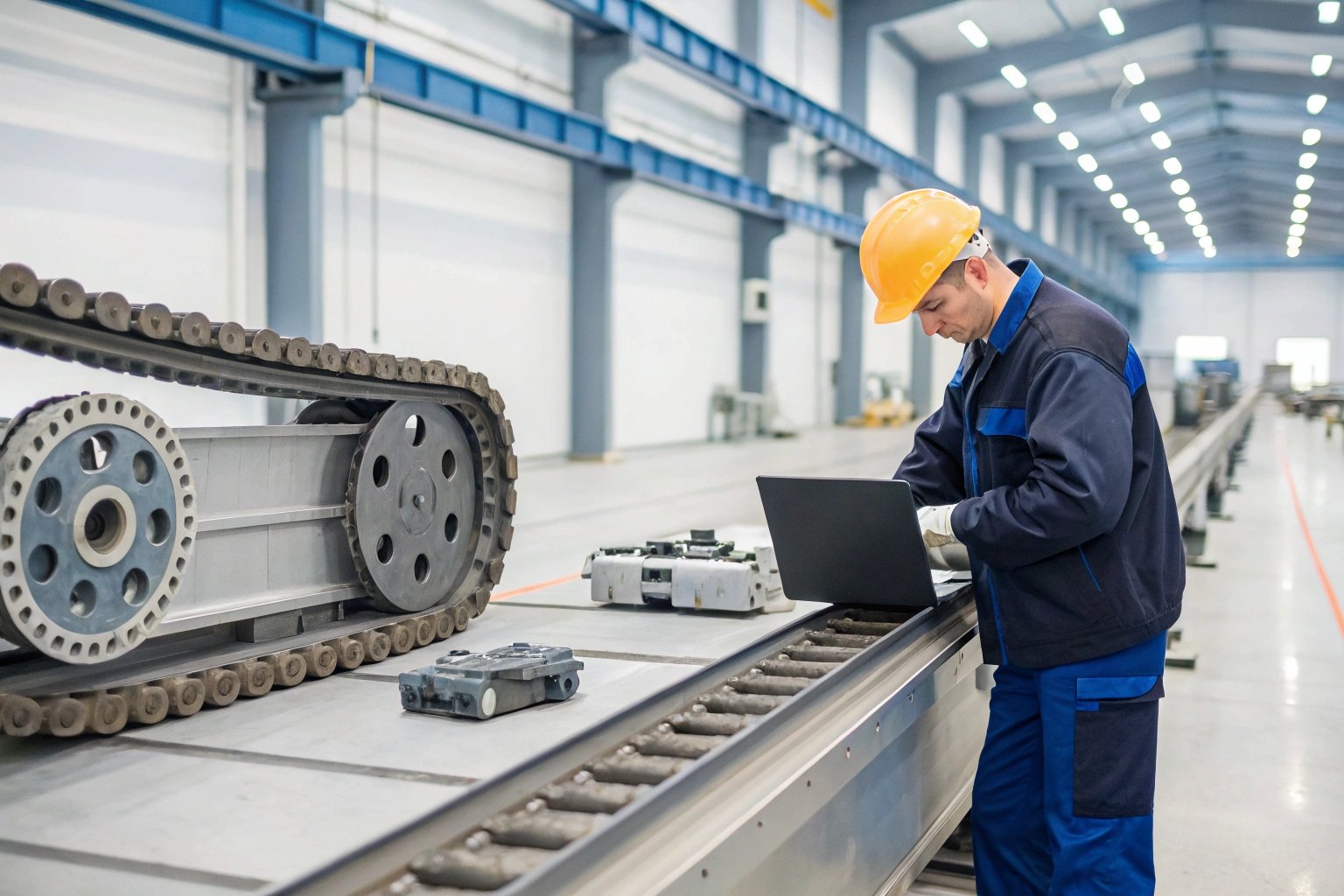
We treat undercarriage parts as safety parts. We test them like safety parts. Each part goes through a set of checks. The set depends on the part type. It also depends on the risk level of each feature. We group features as critical or major. We state this in the control plan 1. We write the work steps for each check. We train inspectors and keep their records.
We confirm the steel grade with a spectrometer 2 and mill certs. We check chemistry for carbon and alloy content. We confirm hardness after heat treatment. We use HB for rollers and HRC for drive segments and bushings. We measure case depth on induction hardened surfaces 3. We cut samples or use portable methods where allowed, then we link the result to the part ID. We check microstructure when the drawing asks for it. We take micrographs near the surface and in the core to confirm tempered martensite or bainite as required.
We check for cracks with magnetic particle (MT) or ultrasonic (UT) tests 4 on critical parts. We test press fits for shafts and hubs with push-pull rigs and torque tests. We check dimensions with gauges, calipers, micrometers, snap gauges, and CMM for complex shapes. We measure runout for idlers and rollers 5. We measure tooth profile for drive segments. We measure surface roughness where it affects wear. We check sealing and grease fill on rollers. We run leak tests. We check coating thickness and packing moisture control.
We record each result. We stamp or mark each part with a traceable code. We keep the equipment calibration records 6 that support each measurement. We link the equipment ID to the measurement in the report. We keep photos when needed.
Typical tests, standards, and purpose
| Test name | Standard or method | Purpose | Typical equipment |
|--------------------------|---------------------------|----------------------------------|------------------------------|
| Chemical composition | Spectrometer + mill certs | Confirm steel grade | OES spectrometer |
| Hardness (HB/HRC) | ASTM E10 / E18 | Confirm heat treatment | Brinell / Rockwell tester |
| Case depth | ASTM E1077 | Confirm induction hardening | Cut + micro, portable depth |
| Crack detection (MT/UT) | ASTM E1444 / E213 | Find surface or internal cracks | MT yoke / UT flaw detector |
| Dimensional checks | Drawing + gauge plan | Confirm size and tolerance | Calipers, micrometers, CMM |
| Runout | Drawing spec | Confirm roundness and alignment | Dial indicator |
| Tooth profile | Gauge + template | Confirm drive engagement | Profile gauge |
| Surface roughness | ISO 4287 | Confirm wear performance | Roughness tester |
| Seal integrity | Leak test method | Prevent grease loss | Pressure leak rig |
| Coating thickness | ISO 2178 | Corrosion control | Coating thickness gauge |
Why these tests matter on site
-
A wrong steel grade can crack under shock loads.
-
Low hardness can cause fast wear and chain stretch.
-
Shallow case depth can pit and spall under heavy load.
-
Hidden cracks can break a roller at the worst time.
-
Bad fit can loosen and damage the chain and frame.
These tests cut risk at the source. They save time on site. They protect people and machines.
Can I receive a detailed QC inspection report (materials, heat treatment) with my order?
I have ordered parts myself and felt blind when reports were vague. I fix that by sending full data that you can check fast.
I provide a per-part QC report with material certs, heat treatment charts, hardness, case depth, crack checks, and dimensions. I match each record to a unique part ID. I share digital logs and photos.
What a full QC report includes
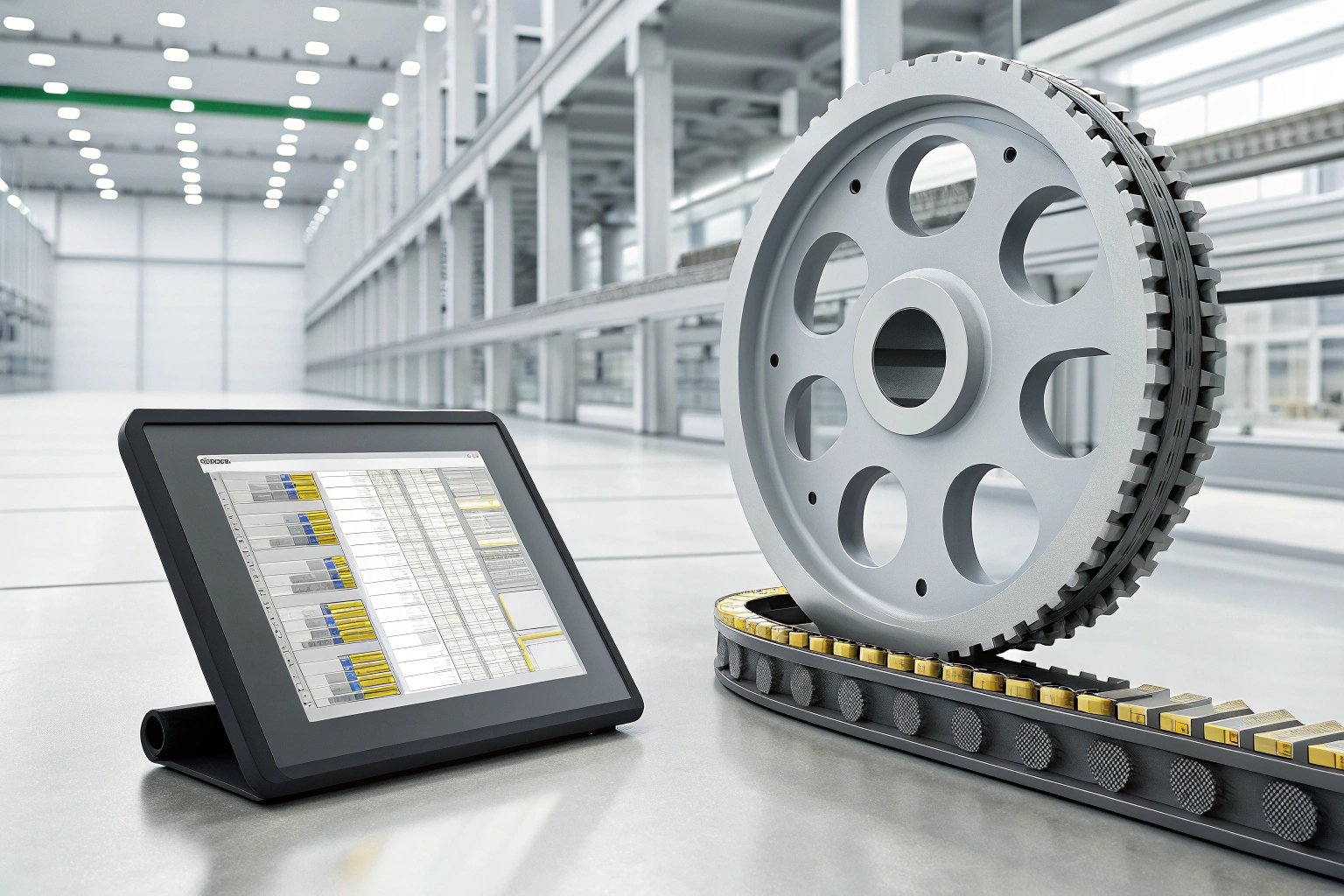
A good report removes doubt. It shows facts for each part. It shows traceability end to end. It gives you a quick way to check counts and risk.
Here is what I include:
-
Cover page with order number, lot number, and shipping list.
-
Certificate of Conformance signed by QA.
-
Control plan summary with inspection level and coverage.
-
Material chemistry report (C, Mn, Cr, Ni, Mo, etc.).
-
Heat treatment record: furnace ID, load ID, time, temperature curve, quench medium, temper cycle.
-
Hardness results per part with location map.
-
Case depth results per part or per sub-lot with sample plan; for critical features, I show 100% results.
-
Crack check results with MT/UT logs and operator ID.
-
Dimensional checks per part for critical features; sampling for minor features only if agreed.
-
Equipment calibration certificates and validity dates.
-
Photos of markings and critical features.
-
Packing and preservation checklist.
Sample per-part data rows
| Part ID | Material grade | Hardness (HRC) | Case depth (mm) | MT result | Dim OK? | Inspector | Date |
|---------|-----------------|----------------|------------------|-----------|---------|-----------|------|
| DT-SEG-001 | 42CrMo | 53 | 5.5 | Pass | Pass | Liu | 2025-05-08 |
| DT-SEG-002 | 42CrMo | 54 | 5.7 | Pass | Pass | Liu | 2025-05-08 |
| DT-SEG-003 | 42CrMo | 53 | 5.6 | Pass | Pass | Liu | 2025-05-08 |
| DT-SEG-004 | 42CrMo | 52 | 5.4 | Pass | Pass | Liu | 2025-05-08 |
| DT-SEG-005 | 42CrMo | 53 | 5.5 | Pass | Pass | Liu | 2025-05-08 |
Checklist to prove 100% inspection vs sampling
Use this quick checklist. It helps you tell the difference with confidence:
-
Control plan states 100% per feature 8. Sampling shows AQL tables.
-
Work instructions name 100% checks for special features (SC/CC).
-
Lot records show a result for every unit. Sampling shows subset.
-
CoC/CoA declares 100% coverage or shows per-unit data.
-
Drawings mark critical features. Reports show 100% checks there.
-
Pre-shipment report lists inspection level and sample size.
-
Throughput matches staffing and cycle time. If not, 100% is unlikely.
-
Each part has a unique ID and inspection stamp 9. No ID means likely sampling.
-
Per-unit data count equals shipped quantity. If not, question it.
-
You verify a lot in full on arrival for one critical feature. Results should match their claim.
Why a full report builds trust
-
You avoid hidden defects in large batches.
-
You cut return and claim time after import.
-
You gain clear standards that fit your risk level.
-
You protect project schedules and service costs.
If you need the report in your format, I can adapt. If you want a portal, I can set access. If you want videos, I can record the checks live.
How does your ISO9001 certification guarantee the quality of my parts?
I know ISO can feel like paper 10. I use it as a system that keeps each step clear and stable. Then I add strict technical checks.
I use ISO9001 to control documents, training, audits, and traceability. I mix this with strong technical control plans. I align ISO processes with your risk and critical features.
What ISO9001 does for your parts
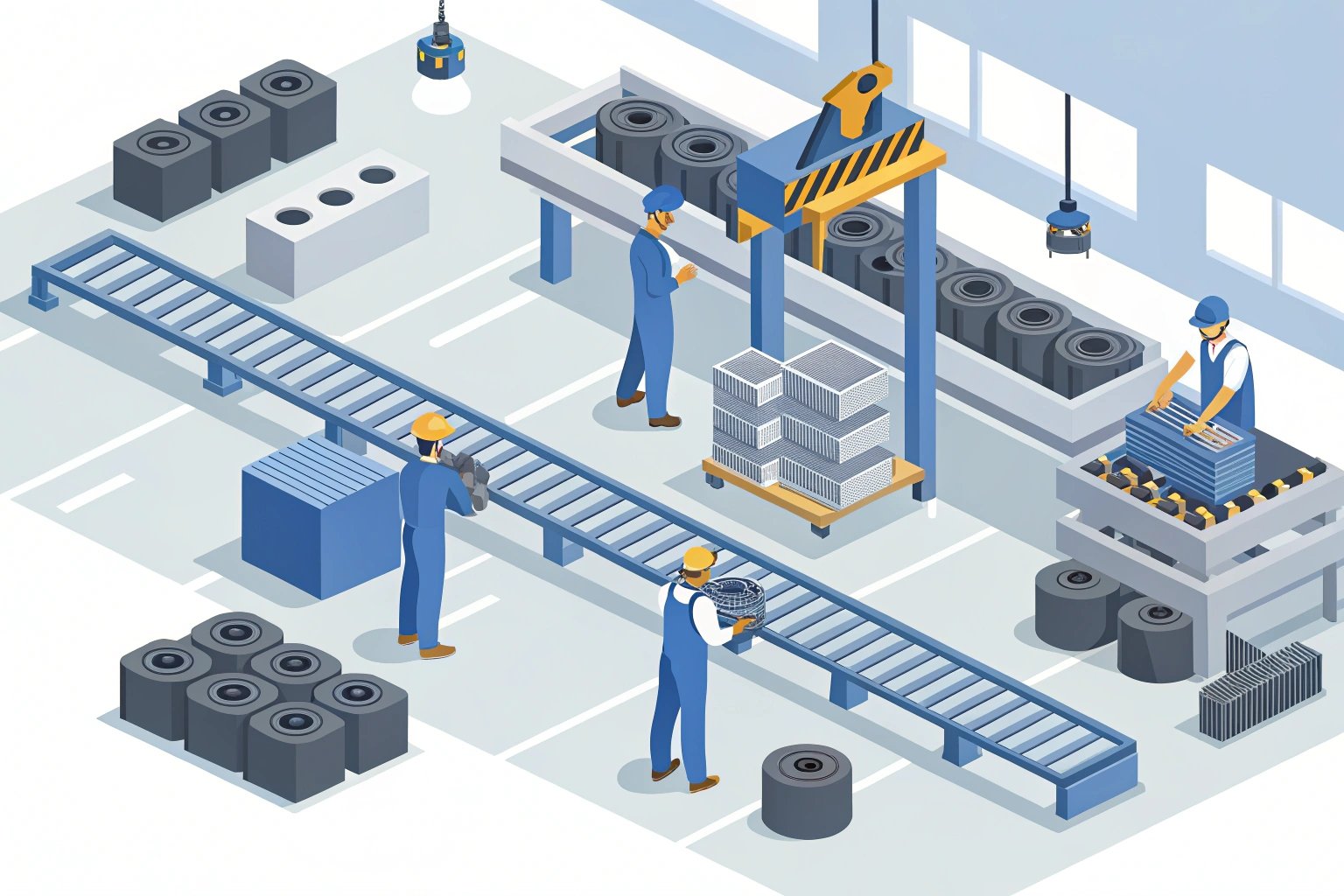
ISO9001 does not test steel or hardness by itself. ISO9001 forces us to build a system that always runs the right checks, by the right people, with the right tools, at the right time. It also forces quick action when something goes wrong. It protects consistency.
Key parts of our ISO system:
-
Document control: We keep drawings, plans, and work instructions current and locked.
-
Training and competence: We certify operators and inspectors for each task.
-
Equipment calibration: We track and verify gauges and testers.
-
Supplier control: We qualify steel mills and heat treat vendors. We audit them.
-
Risk-based planning: We focus on critical features first and set extra checks.
-
In-process inspection: We check during machining and heat treatment, not only at the end.
-
Final inspection: We confirm all features before packing.
-
Nonconformance control: We hold bad parts, record the issue, and fix root causes.
-
Corrective action: We run 8D or 5-Why and verify results.
-
Internal audits: We inspect our own process and improve.
Your concerns mapped to ISO clauses
| Your need | ISO9001 practice | Result for you |
|---------------------------------------------|-----------------------------------|-----------------------------------------|
| Clear and stable quality | Document control, change control | No surprise change in spec |
| Fast and correct checks | Control plan, work instructions | Right checks run every time |
| Reliable data and traceability | Records control, lot traceability | Easy proof and recall if needed |
| Trained people | Competence and training | Fewer human errors |
| Accurate measurements | Calibration management | Trust in hardness and dimensions |
| Quick fix when issues occur | NCR and CAPA (corrective action) | Fast containment and real root fixes |
ISO and the limits you should know
ISO9001 is the base. It gives structure. It does not replace technical strength. That is why I use detailed control plans, FAI for new parts, and PPAP-style packages when needed. I invite you to audit the process. I share audit results and action plans. I keep the ISO system live and practical.
What happens if a part fails my incoming inspection?
I have managed claims where time mattered more than cost. I act fast. I protect your project. I fix the root cause and prevent repeat.
I start containment within 24 hours, ship replacements or credit fast, and run an 8D. I share root cause, actions, and proof. I cover direct costs we cause. I keep you updated.
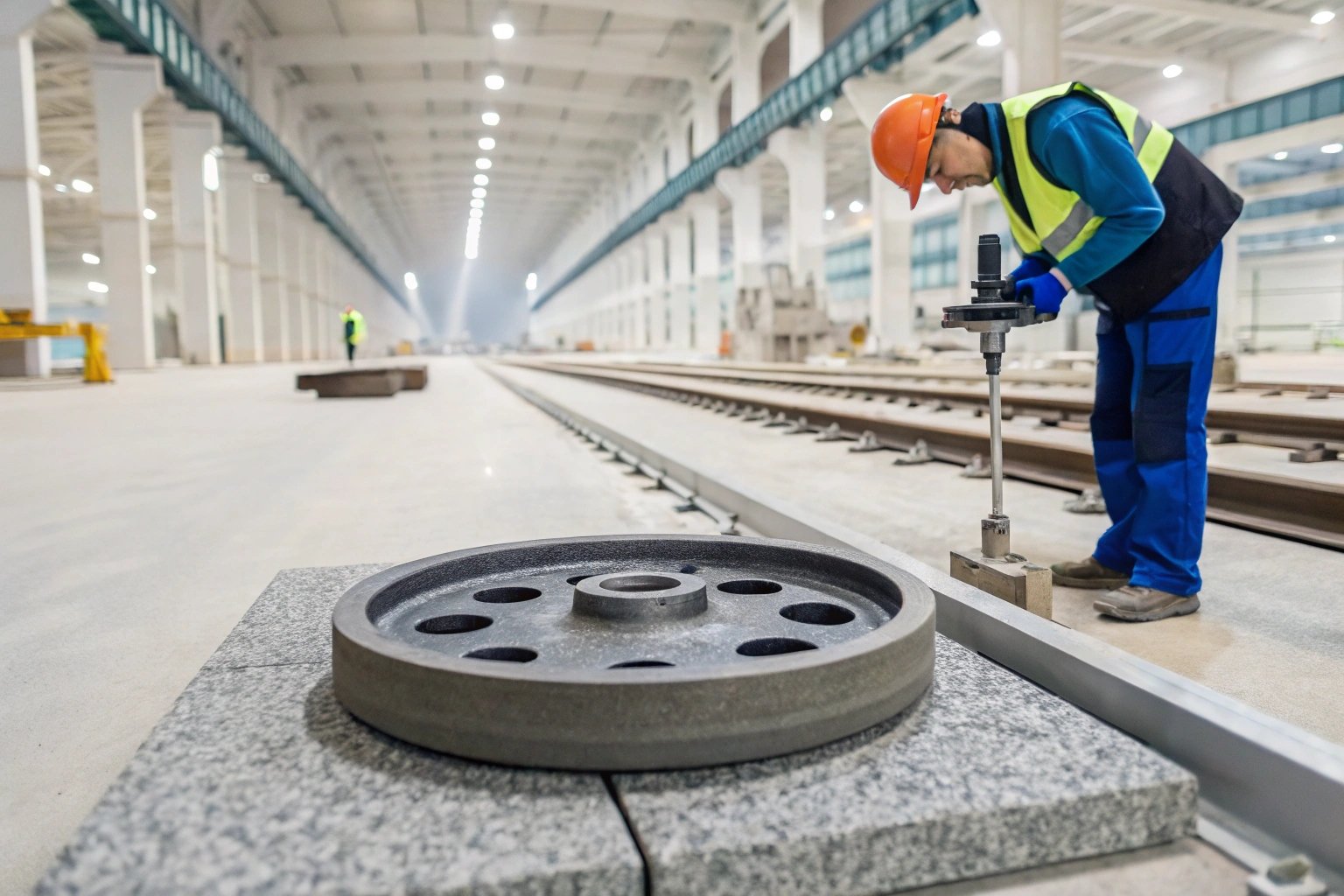
Our step-by-step failure response
When you find a failure, you need a simple path. You want fast action and clear support. Here is how I handle it.
Step 1: You send the failure details 11. You share photos, measurements, and part IDs. You tell me the machine and working conditions if known.
Step 2: I open a Nonconformance Report (NCR). I add your data. I lock down related stock at our site. I mark suspect lots.
Step 3: I start containment 12. I check on-hand inventory and hold shipments if needed. I ship replacements or issue credit right away based on urgency. I set a plan in 24 hours.
Step 4: I assign an 8D team with QA, process, and engineering. We run 5-Why and a fishbone. We test samples, repeat checks, and confirm the failure mode.
Step 5: I set corrective actions. Actions might include training, gauge change, heat treatment tweak, drawing update, or supplier change. I set due dates and owners.
Step 6: I verify results. I run extra checks on new lots. I share data. I offer a live video audit or onsite visit if you want.
Step 7: I close the NCR with full records. I share the report. I update the control plan to prevent repeat.
Service level and commitments
| Action | Time target | Notes |
|------------------------------------------|----------------------|--------------------------------------------|
| Containment plan | 24 hours | Hold stock, assess risk |
| Replacement or credit decision | 48 hours | Based on urgency and stock |
| Root cause analysis start | 48 hours | 8D kickoff |
| Interim fix in production | 5–7 days | Training, gauge, process tweak |
| Final corrective action | 10–15 days | Verified fix with data |
| Full 8D report | 10–15 days | Shared with you |
Why this process protects your site
-
It keeps your project running with replacement or credit.
-
It gives you proof of action, not just words.
-
It cuts future risk with updates to the plan and training.
-
It shows respect for your time and your brand.
If you want custom failure rules, I will sign them. If you want cost coverage terms 13, we can set them. If you want third-party checks 14, I will include them.
Conclusion
Clear tests, full reports, ISO discipline, and fast failure response keep your parts safe and your projects on time.
Footnotes
1. Explanation of a control plan's role in maintaining process consistency in manufacturing. ↩︎
2. Guide to Optical Emission Spectroscopy for confirming metal alloy composition and steel grade. ↩︎
3. Standard test method for measuring case depth in hardened steel surfaces, ensuring proper treatment. ↩︎
4. Overview of Non-Destructive Testing (NDT) methods like MT and UT for finding cracks and defects. ↩︎
5. Explanation of runout tolerance and how it is measured to confirm component alignment and roundness. ↩︎
6. Information on calibration standards and why traceable calibration records are essential for accurate measurement. ↩︎
7. What a Mill Test Report (MTR) is and why it's a critical document for verifying steel material quality and chemistry. ↩︎
8. Detailed explanation of control charts and how they confirm a process is stable and under 100% control. ↩︎
9. Guide from NIST on using Unique Identification (UID) marking for machinery to ensure full traceability of parts. ↩︎
10. Overview of the ISO 9001 standard and its purpose in establishing a consistent quality management system. ↩︎
11. Comprehensive guide to the 8D problem-solving method for containing failures and determining root causes quickly. ↩︎
12. Article emphasizing the vital role of containment actions in the initial phase of a quality investigation. ↩︎
13. Insights into supply chain warranties and indemnification clauses to protect against costs from defective parts. ↩︎
14. Information on using third-party inspection services for supplier audits and pre-shipment checks. ↩︎