

Arranging a third-party inspection 1 for your excavator undercarriage parts, such as SGS, ensures quality before shipment 2. This external validation 3 verifies that parts meet specifications and standards, reducing defects and ensuring customer satisfaction.
Here's how you can efficiently set up a third-party inspection process.
How do I find and hire a reputable third-party inspection service in China?
Choosing the right inspection agency requires careful consideration to ensure credibility and expertise.
Consider established companies like SGS, Bureau Veritas, or Intertek, known for their rigorous quality checks in industrial manufacturing.
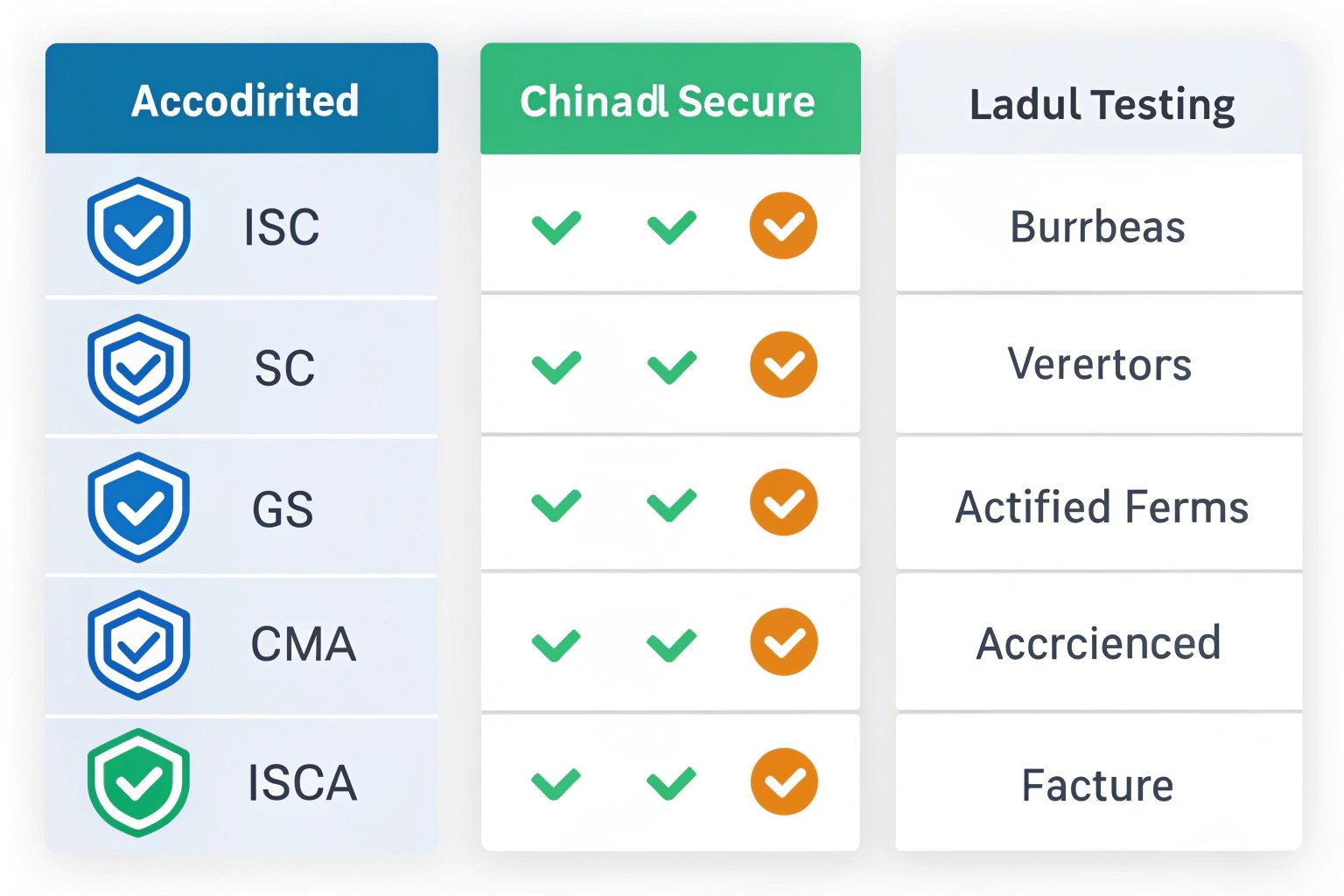
Steps to find and hire
- Research Agencies: Investigate agencies with strong reputations and relevant industry expertise.
- Check Credentials: Ensure agencies are accredited and recognized 4 for reliable inspection services.
- Contact Agencies: Discuss your requirements, timelines, and necessary documentation with potential inspectors.
Inspection agency selection
| Criteria | Consideration | Action |
|---|---|---|
| Reputation | Market standing | Research and selection |
| Accreditation | Certification standards | Verification |
| Communication | Responsive service | Initial contact |
What information do I need to provide the inspection agency to create a proper checklist?
A comprehensive checklist ensures all necessary inspection points are covered.
Provide detailed product specifications 5, including material requirements, dimensional tolerances 6, and performance criteria 7. Clearly outline what needs to be inspected.
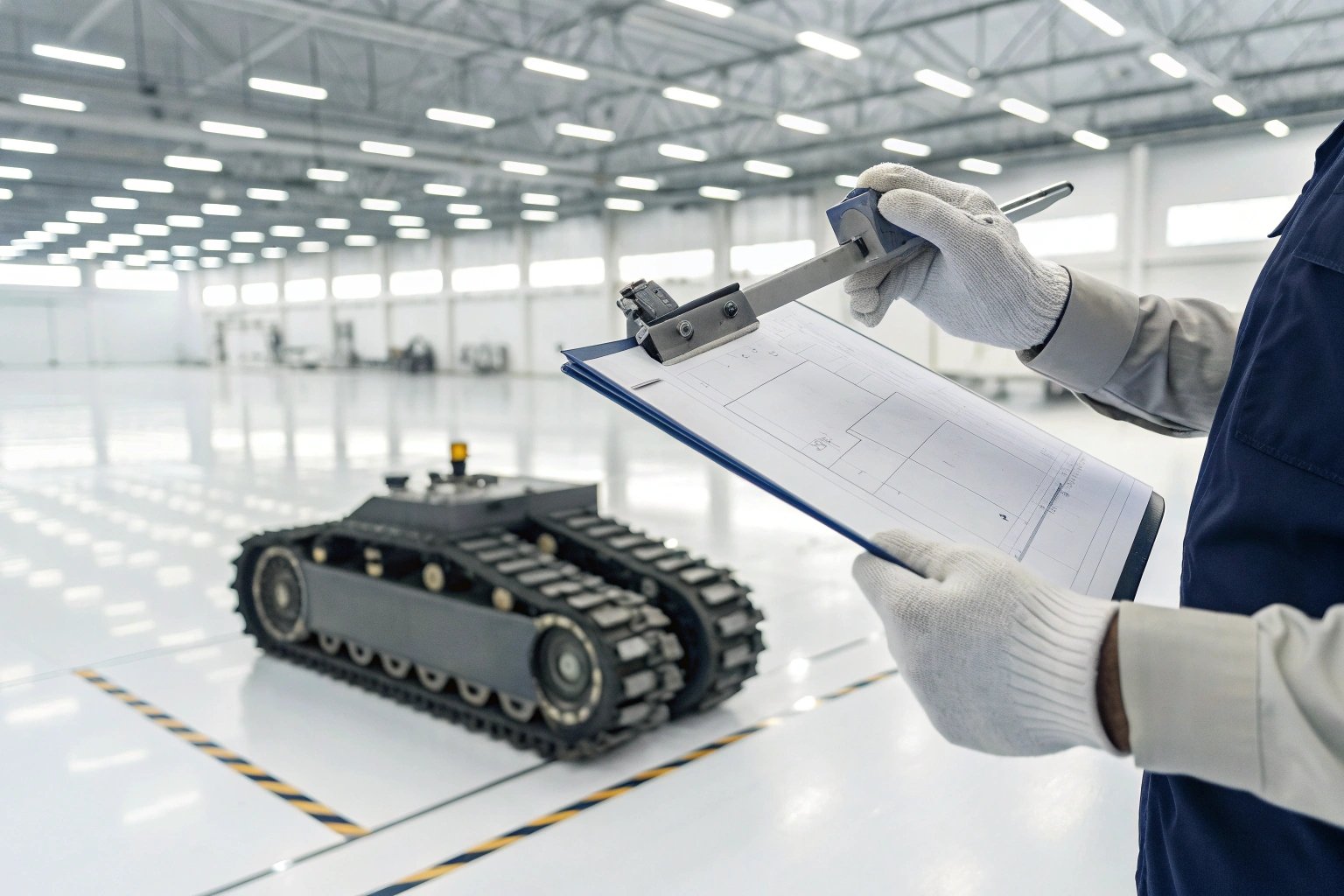
Checklist essentials
- Specification Details: Dimensions, material grades, mechanical properties.
- Standards for Acceptance: Relevant industry standards and quality benchmarks.
- Inspection Points: Specific areas to check, such as hardness, surface finish, and assembly fit.
Key checklist information
| Element | Importance | Detail |
|---|---|---|
| Product Specs | Basis for checks | Material and dimensions |
| Acceptance Standards | Evaluation metrics | Industry norms |
| Specific Checks | Inspection focus | Target areas |
How much does a typical pre-shipment inspection cost?
Costs vary based on inspection scope, location, and agency reputation.
Typically, inspections range in cost based on the complexity and detail required, often between $300 and $800 per day.

Factors influencing cost
- Scope of Inspection: More detailed inspections requiring specialized equipment or extensive checks 8 cost more.
- Location: Costs can increase if long travel distances are involved.
- Agency Reputation: Reputable agencies may charge more due to their proven reliability.
Cost breakdown
| Factor | Impact | Price Range |
|---|---|---|
| Inspection Detail | Thoroughness | $300-$800 per day |
| Location | Travel costs | Varies |
| Agency Choice | Credibility | Potentially higher |
How do I coordinate the inspection between the agency and my supplier's factory?
Smooth coordination 9 is essential for effective inspections without delays.
Facilitate communication between your supplier and the agency to arrange access, schedule inspection dates 10, and share specifications.

Coordination strategy
- Schedule Accessibility: Ensure inspectors have appropriate factory access.
- Communication Channels: Use established channels for updates and issues.
- Documentation Flow: Ensure all necessary inspection criteria and results are openly shared.
Coordination tactics
| Coordination | Role | Mechanism |
|---|---|---|
| Scheduling | Factory entry | Aligning dates and times |
| Communication | Real-time updates | Preferred channels |
| Documentation | Results sharing | Open access |
Conclusion
Arranging a third-party inspection for your excavator undercarriage parts involves selecting reputable agencies, providing detailed specification information, understanding cost factors, and ensuring smooth coordination with suppliers and inspectors.
Footnotes
1. Learn what third-party inspection services entail and why they are used. ↩︎
2. Best practices for implementing pre-shipment quality control. ↩︎
3. Understand the role of external validation in supply chain integrity. ↩︎
4. Importance of ISO/IEC 17020 accreditation for inspection bodies. ↩︎
5. A guide on how to write detailed product specifications for suppliers. ↩︎ T
6. Explanation of dimensional tolerances and their importance in manufacturing. ↩︎
7. How to define and test product performance criteria. ↩︎
8. Defining the scope of inspection for industrial components. ↩︎s
9. Tips for managing communication between suppliers and inspectors. ↩︎
10. Best practices for scheduling and managing factory inspection dates. ↩︎