

Tired of feeling stuck in supplier talks? You suspect you might be overpaying for parts. Knowing your supplier's rivals is the key to changing that.
Yes, it's my secret weapon. Knowing my supplier's competitors gives me huge leverage. It helps me benchmark their price, quality, and service, ensuring I get the best possible terms for my excavator undercarriage parts.
This isn't just about saving a few dollars. This is about securing your supply chain 1 and building a partnership based on fair value. As a purchasing manager or a distributor, this knowledge protects your business.
Let's break down how I use this information in my own negotiations.
Can I use information about their competitors' pricing or quality to my advantage?
Do you feel your supplier's price is a "take it or leave it" offer? It does not have to be. You just need the right data to challenge them politely.
Absolutely. When I know what competitors charge, I can negotiate directly. I often say, "I know supplier XX offers this same track chain 5% cheaper." This stops them from overcharging me right away.

This is the most direct way I use competitive information. It anchors the negotiation in facts, not just feelings. When I sit down at the table, I come prepared.
Using Price Data for Leverage
I never just ask, "What's your best price?" Instead, I use a specific strategy. I get quotes from two or three other qualified suppliers for the same part, like a drive sprocket or a set of track rollers 2.
When my main supplier gives me their price, I can respond with facts.
- Direct Comparison: I say, “I have a quote from Supplier ABC for this exact part number, and they are 5% lower. I want to keep my business with you, but you need to close this gap.” (This is from Chinese Insight 1).
- Total Cost, Not Unit Price: I also look at shipping costs (FOB vs. CIF) 3, packaging, and handling fees. Sometimes a competitor's unit price is higher, but their total delivered cost is lower. I point this out.
This approach shows I have done my homework. They know I am a serious buyer and I have other options. It forces them to be competitive to win my business.
Demanding Equal Quality Standards
Price means nothing if the part fails early. This is a huge pain point for buyers like "David Miller" in my field. They hate quality inconsistency.
So, I use competitor data to set a quality baseline. (Chinese Insight 3).
1. Get Technical Data: I find the technical data sheets from top competitors. I look for material specifications (like 40Mn steel) 4, heat treatment details, and hardness ratings (HRC).
2. Set the Standard: I bring this data to my supplier. I ask, "Can you guarantee your rollers meet this HRC 55 hardness? Can you provide the material test report?"
3. Reject Vague Answers: This stops them from saying "it's industry standard." I am defining the standard based on what their best competitors offer. As a manufacturer (Dingtai) that is ISO9001 certified 5, I know these details are critical. I expect my suppliers to know them, too.
Matching Services and Support
A "good deal" includes the entire package. If a competitor offers a better warranty, I use that as leverage. (Chinese Insight 4).
For example, I might say, "Supplier XY offers a 2000-hour warranty on their idlers, but you only offer 1500 hours. Can you match their warranty?"
This also applies to:
- Technical support
- Free installation guides
- After-sales service response time
This information helps me negotiate the total value, not just the sticker price.
Does knowing the competitive landscape help me understand if I am getting a fair deal?
What is a "fair deal"? Is it just the lowest price? If you only talk to one supplier, you will never really know. Their "fair" is just what they want you to pay.
It's the only way I can be sure. The competitive landscape defines what "fair" is. It shows me the industry standard for price, quality, and even payment terms, not just what one supplier claims.

Understanding the landscape gives me context. Without context, I am negotiating in the dark. This knowledge tells me what is normal, what is high, and what is low.
Establishing an Industry Baseline
The "market price" is just the average price from all a supplier's competitors. By getting multiple quotes, I establish this baseline.
A supplier's price might seem reasonable by itself. But when I see that five other certified suppliers are 10% lower for the same quality, I know it is not a fair deal. This information is my baseline for "fair."
This also applies to lead times. If my supplier says, "Delivery takes 45 days, that's normal," I can check. If I find three competitors who can ship in 30 days, I know 45 days is not "normal." It is slow. I can then push them on this. (Chinese Insight 2).
Evaluating More Than Just Price
A fair deal includes all the terms, especially payment 6. This is critical for my cash flow.
I research what terms competitors offer. (Chinese Insight 6). If my supplier demands a 50% deposit upfront, but I know their main competitors only require 30%, I have a powerful negotiating point.
I can say, "I understand your need for a deposit, but your competitors are offering 30% advance, with 70% on B/L copy 7. This is the market standard. Can you match this to help my cash flow?"
Here is how I benchmark the "deal":
| Negotiation Point | Supplier A (Current) | Competitor B | Competitor C (Market Best) |
|---|---|---|---|
| Price (per unit) | $100 | $95 | $92 |
| Payment Terms | 50% Advance | 30% Advance | 30% Advance |
| Lead Time | 45 Days | 30 Days | 30 Days |
| Warranty | 1500 Hours | 1500 Hours | 2000 Hours |
This table shows me that Supplier A is not offering a "fair deal" on price, payment, or lead time.
Understanding Your Supplier's Market Position
The landscape also tells me who my supplier is. Are they a premium, high-quality leader (like my company, Dingtai)? Or are they a low-cost, high-volume "budget" option?
This context is key.
- If they are a premium brand, I expect their price to be higher. But I also expect top-tier quality, service, and technology. I will negotiate on service and warranty, not just price.
- If they are a budget brand, I will not accept high prices. I will push them hard on price because that is their main selling point.
Knowing their position helps me tailor my negotiation. I know what they value, and I know what their other customers expect from them.
How can I gather information about their competitors without being too direct?
Asking your supplier, "Who are your competitors?" will not work. They will either avoid the question or give you a bad answer. But you still need that information.
I never ask them directly. Instead, I use industry tools. I go to trade shows like Bauma or CONEXPO 8, I search on Alibaba, and I use Google. I also talk to other professionals in the industry.
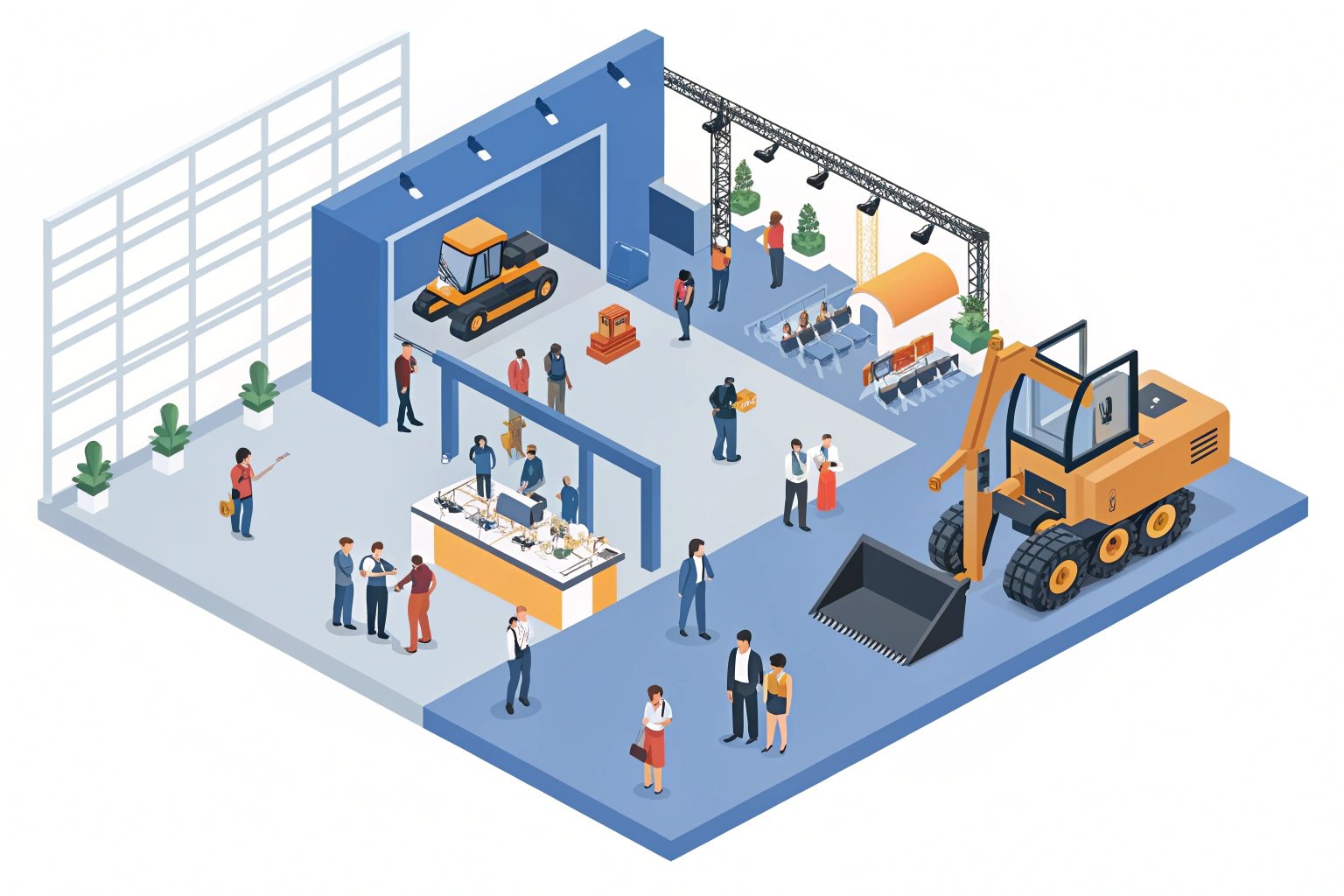
Gathering this information is an ongoing process. I am always listening and always researching. It is a key part of my job as someone responsible for procurement.
Digital Research (The Easy Way)
The internet makes this much easier than it used to be.
- Google Search: I search for specific part terms like "Komatsu PC200 track roller manufacturer" or "Caterpillar D6 track chain supplier." I look beyond the first page of results.
- B2B Marketplaces 9: Alibaba is a powerful tool. When I find my supplier's storefront, Alibaba itself will show me "Similar Suppliers" or "You May Also Like." This is a list of their direct competitors. I then look at those storefronts, check their "company profile," and see if they are a "Verified Supplier" with certifications like ISO9001.
- LinkedIn: I look up my supplier on LinkedIn. Then I look at the "People Also Viewed" sidebar. This often shows me competing companies. I can also see where their former sales managers or engineers now work. They often move to a direct competitor.
Physical Research (The Best Way)
Nothing beats seeing the product and meeting the people in person.
- Trade Shows: This is my number one method. I walk the floor at major shows like Bauma, CONEXPO, and CTT. All the serious manufacturers are there, in one place. I can pick up their catalogs, touch their products, and compare the quality side-by-side. I talk to their technical staff and see if they really know their product (a key pain point for "David Miller").
- Industry Networks: I talk to my freight forwarder. I ask them, "Which other undercarriage factories do you ship for?" They know who is busy and who is not. I talk to other buyers in non-competing industries. We share notes on good and bad suppliers.
A Simple Intel Gathering Checklist
Here is a simple checklist I use to organize my research.
| Method | Action | What to Look For |
|---|---|---|
| Online Search | Google "excavator parts manufacturer" + [Country] | Top 10 results, ISO certifications, company history |
| B2B Portals | Search Alibaba/Made-in-China for a specific part | "Verified Supplier" status, factory photos, product catalogs |
| View supplier's company page | "Similar Pages" sidebar, where ex-employees work now | |
| Trade Shows | Walk the floor at Bauma/CONEXPO | Product finish, technical specs, professionalism of staff |
| Networking | Ask contacts (freight, other buyers) | Who they recommend, who has good/bad reputations |
This process gives me a clear map of the competitive landscape.
Can this knowledge help me identify other potential suppliers if my primary one doesn't work out?
Your main supplier just delayed your shipment again. Your production line is down. You feel trapped because finding and qualifying a new supplier takes months.
This is the most critical benefit for me. This research is my supply chain insurance. I don't just use it for negotiation; I use it to build a pre-qualified list of alternative suppliers (like my company, Dingtai) if my main one fails.
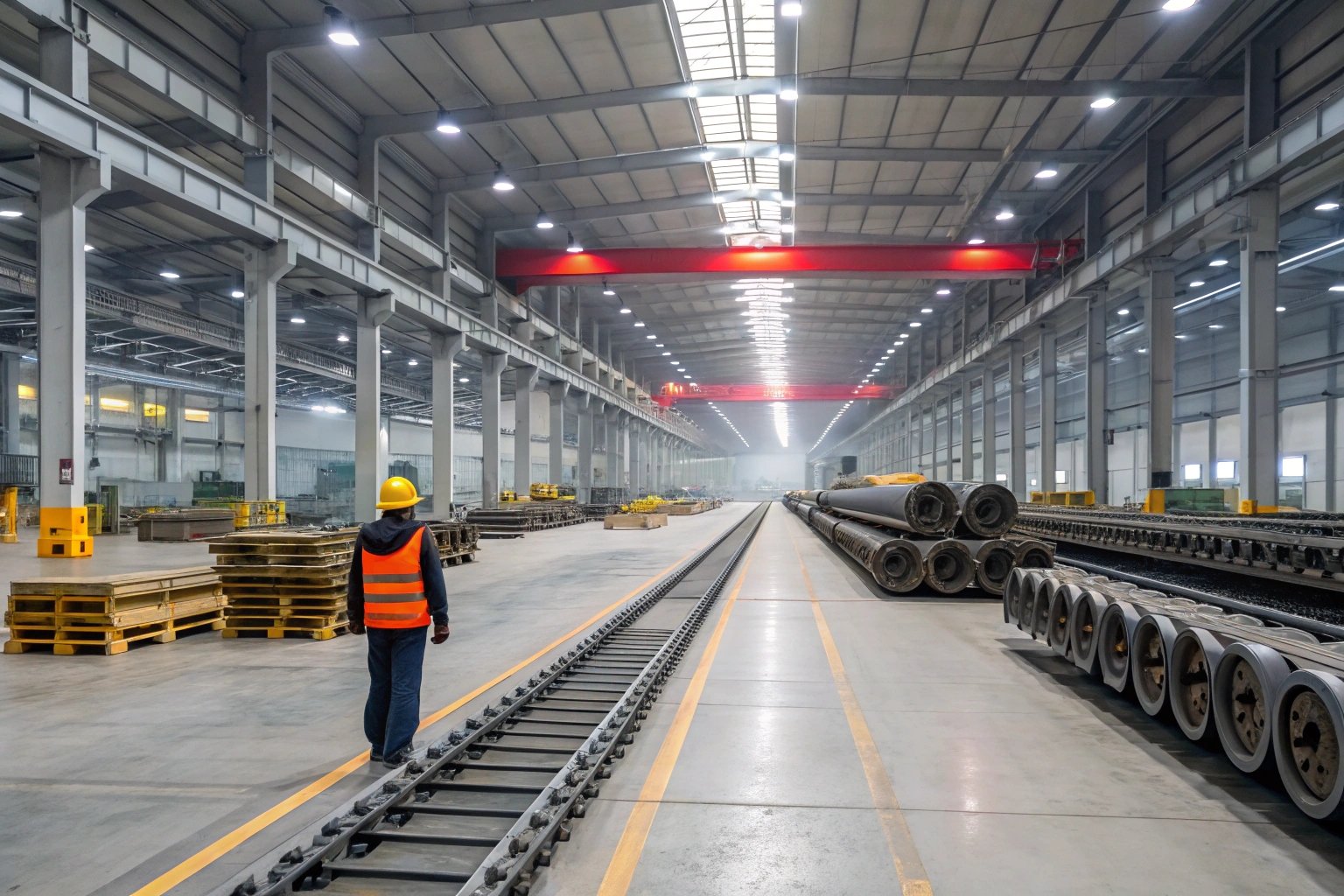
Relying on a single supplier is one of the biggest risks in our business. All my research into competitors is not just a threat; it is my backup plan.
Building a "Qualified Supplier List" (QSL)
I never want to be in a position where I need to find a new supplier urgently. I do the work upfront. My "competitor research" becomes my "Qualified Supplier List."
For every critical part, I aim to have:
- One Primary Supplier: My main partner who gets most of my business.
- Two Qualified Backup Suppliers: These are competitors I have already vetted. I have their catalogs, I have their prices, and I may have even placed a small trial order with them.
If my primary supplier fails—whether on price, quality, or delivery (a major pain point)—I can shift 10-20% of my business to a backup supplier almost immediately. This reduces my risk and gives me incredible leverage.
Comparing Unique Strengths (USPs)
My research also shows me that not all suppliers are the same. (Chinese Insight 5).
- Supplier A (The Competitor): They are very cheap but have long lead times and high MOQs (Minimum Order Quantities) 10.
- Supplier B (My Company, Dingtai): We are not the cheapest, but we offer OEM-level quality, strong technical support, and can handle custom-designed parts for special applications.
- Supplier C (Another Competitor): Their prices are high, but they have a warehouse in my country, offering very fast delivery on common items.
Knowing this allows me to build a flexible supply chain. I can use Supplier A for bulk stock orders, Supplier B for high-performance or custom parts, and Supplier C for urgent, last-minute needs.
Assessing Capacity and Flexibility
What if my business suddenly grows 50%? Can my supplier handle it? My competitor research tells me the relative size of each company. I can see their factory size, number of employees, and main markets.
This knowledge helps me understand their true capacity.
It also helps me negotiate better delivery times. If my supplier says a 20-day delivery is "impossible," but I know their main competitor (who is a similar size) consistently delivers in 15 days, I can call them on it. (Chinese Insight 2). I can say, "I know this is possible because other factories are doing it."
This knowledge is not about being aggressive. It is about being informed. It moves my role from a simple "parts buyer" to a "strategic supply chain manager."
Conclusion
Knowledge is power in negotiations. Researching your supplier's competitors protects your business. It secures fair prices, ensures high quality, and guarantees your supply chain is stable.
Footnotes
1. Strategies for building a resilient and secure supply chain. ↩︎
2. Technical specifications for common excavator undercarriage parts. ↩︎
3. Explaining the differences between FOB and CIF shipping incoterms. ↩︎
4. A guide to steel grades, like 40Mn, used in heavy machinery. ↩︎
5. Learn how ISO 9001 certification ensures manufacturing quality control. ↩︎
6. Common international trade payment terms for B2B transactions. ↩︎
7. Understanding the "Bill of Lading (B/L) copy" payment process. ↩︎
8. See schedules and locations for major construction trade shows. ↩︎
9. How to effectively use B2B portals for supplier sourcing. ↩︎
10. What MOQs are and how they impact procurement strategy. ↩︎