
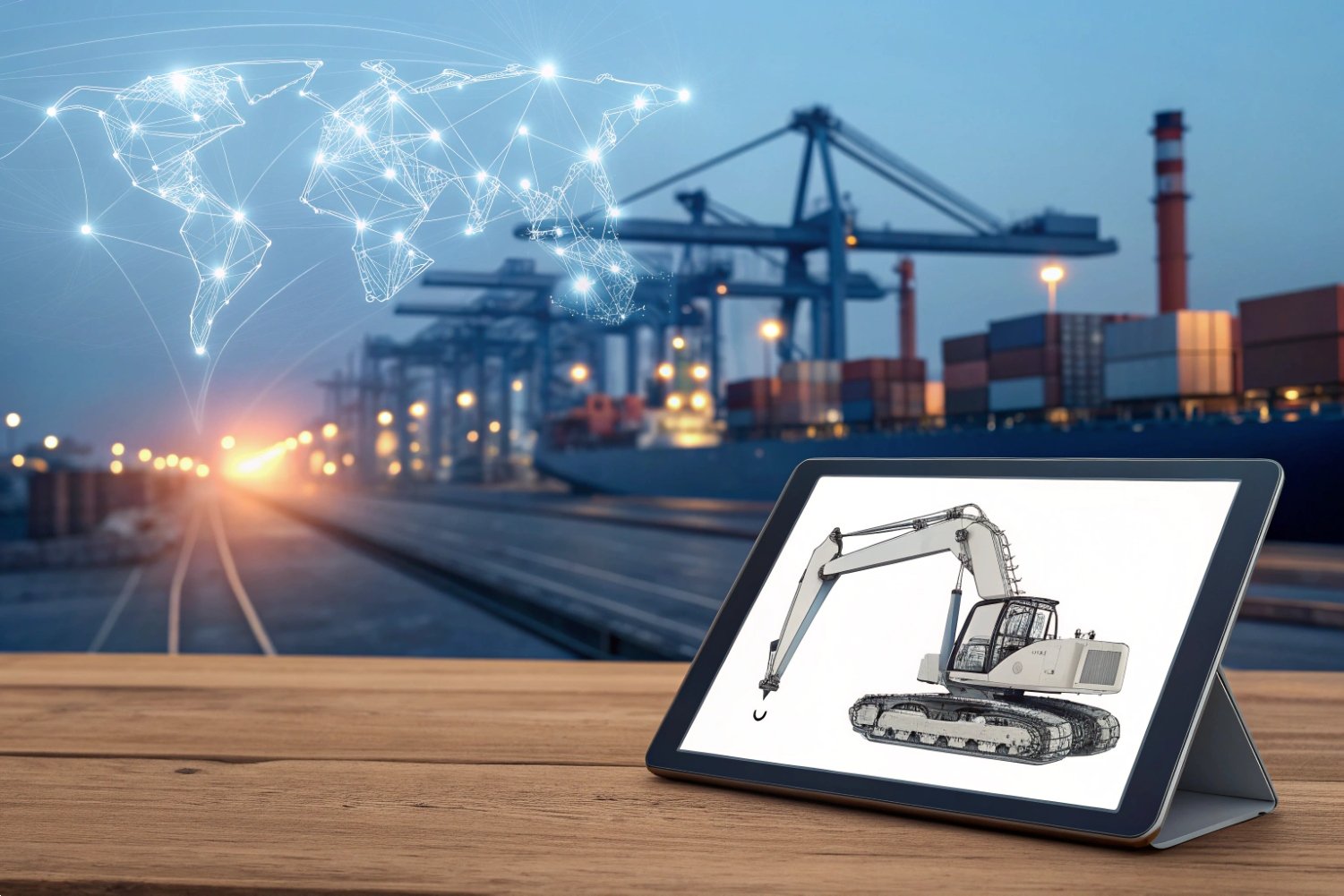
I know how stressful it is when your excavator sits idle because of a broken track. Searching online for parts feels like a gamble when you need to get back to work.
This guide helps you buy excavator undercarriage parts online by focusing on part number verification, material quality checks, and supplier credibility. By following these steps, you ensure the parts fit perfectly and last under tough conditions.
Buying heavy steel parts from a screen is different than visiting a local shop. You need a clear plan to avoid wrong sizes and poor quality. Let’s look at how to navigate the digital marketplace safely.
How do I verify a seller's technical credibility through online documentation and material reports?
I often see buyers get dazzled by low prices only to receive parts that wear out in a month. It breaks my heart because I know how much that downtime costs your business.
To verify technical credibility, request official ISO certificates, heat treatment reports, and material composition data like 40Mn2 or 50Mn. Genuine manufacturers will provide specific hardness depth charts and factory inspection records to prove their quality.
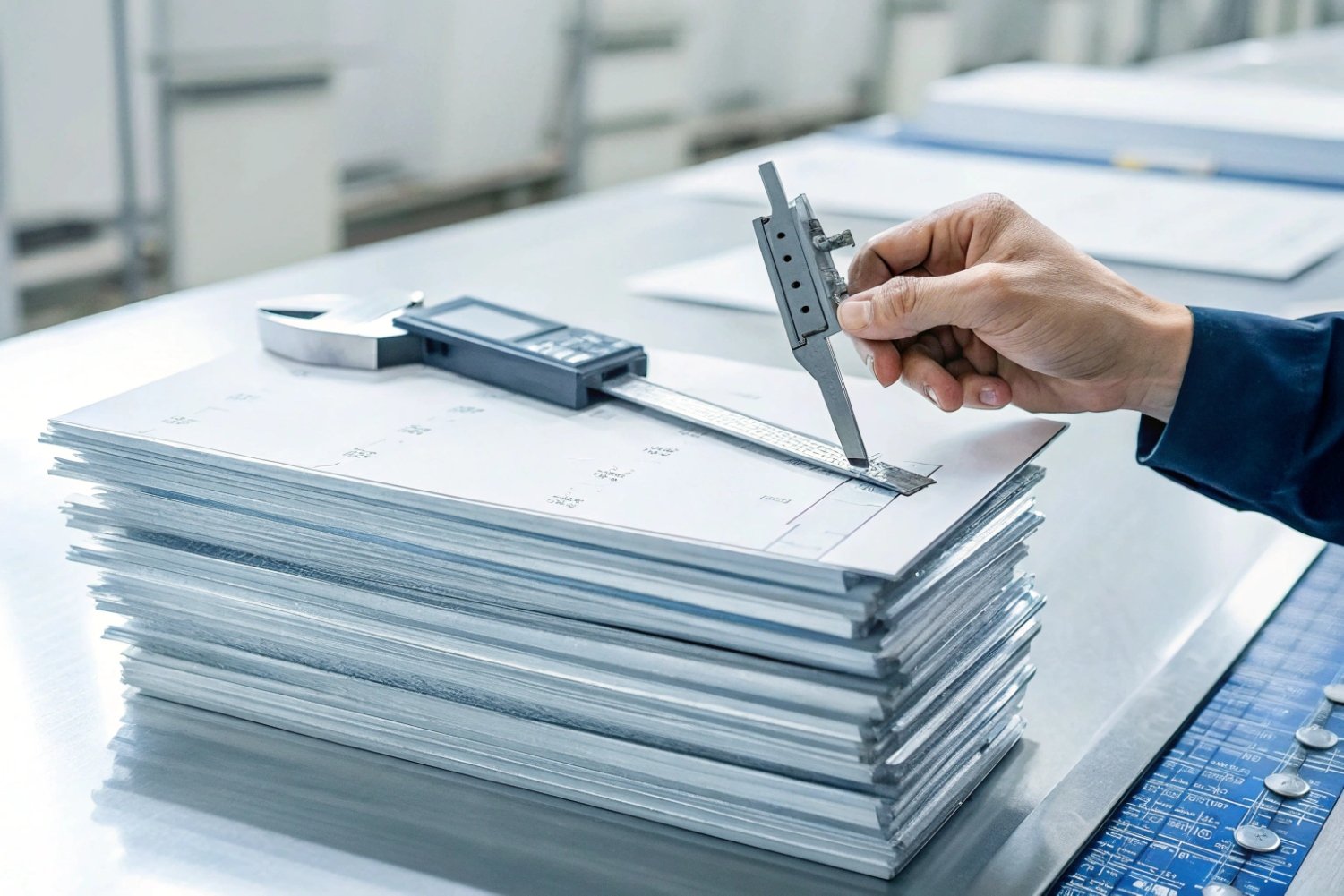
When you are buying from a manufacturer like Dingtai, you should expect more than just a "good price." Technical credibility is built on data. In my twenty years of manufacturing, I have learned that "quality" is a vague word until you see a hardness report.
Why Material Reports Matter
The steel used in a track roller or a track chain determines its life. For example, we use 40Mn2 1 for many components because of its wear resistance. If a seller cannot tell you the exact grade of steel, they are likely just a middleman who doesn't know what they are selling. You need to see the "Material Mill Certificate." This document shows the chemical balance of the metal.
Hardness and Heat Treatment
Undercarriage parts must be hard on the outside but tough on the inside. This is achieved through induction hardening 2. Ask the seller for the "HRC" (Rockwell Hardness) values. For a high-quality roller, you typically want a surface hardness of HRC 50-56 and a depth of at least 7mm to 10mm.
| Feature | What to Ask For | Why It Matters |
|---|---|---|
| Steel Grade | Mill Certificate (e.g., 40Mn2, 50Mn) | Ensures the part won't crack under load. |
| Heat Treatment | Hardness Depth Report (HRC) | Determines how long the part lasts before wearing down. |
| Quality System | ISO 9001:2015 3 Certificate | Proves the factory follows consistent processes. |
Technical Drawings
Before you send a large payment, ask for a technical drawing or a "Blue Print." A credible seller will have these on hand. You can compare the dimensions on the drawing—like the pitch of a track chain or the bolt hole diameter—against your machine's manual. If the seller refuses to share a drawing, that is a red flag. They might not have control over their production.
Third-Party Inspections
For large B2B orders, I always recommend looking for SGS 4 or BV inspection reports. These are independent companies that go into the factory and verify that the products match the claims. If a seller already has recent SGS reports available, it shows they are transparent and confident in their work.
What shipping and customs protocols should I follow when ordering heavy undercarriage parts from China?
I remember a customer who forgot to check his local port fees and ended up paying double what he expected. It was a tough lesson that I want to help you avoid today.
You must follow Incoterms like FOB or CIF, ensure the seller provides a clean Bill of Lading, and verify the HS Codes for customs. Proper wooden pallet packaging and rust-prevention coatings are also essential for long sea voyages to protect your investment.
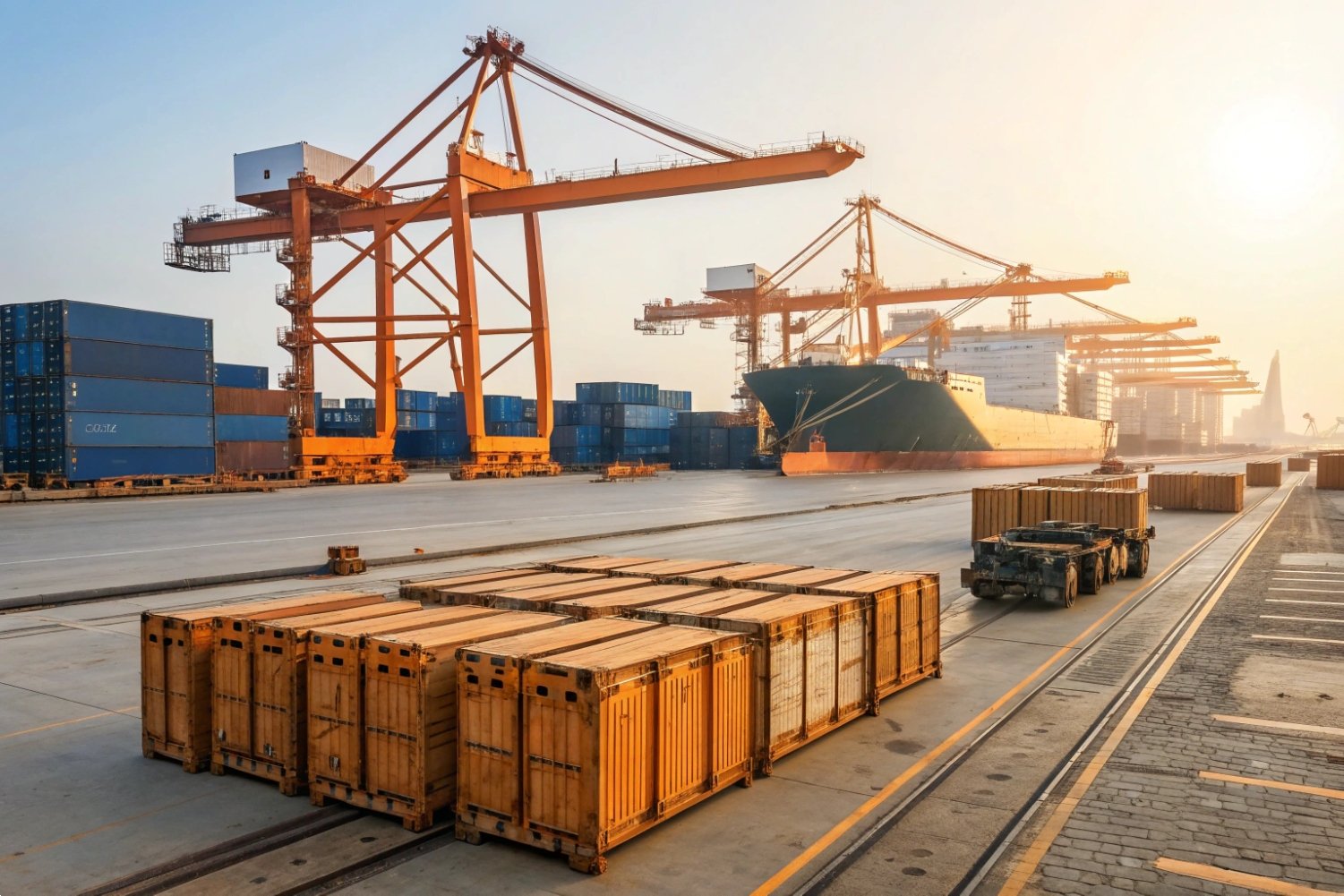
Shipping heavy steel across the ocean is a major task. It is not like ordering a book online. You are dealing with tons of weight. As a manufacturer in Fujian, China, we ship to the US and Europe every week. Here is how we handle the logistics to keep things smooth for buyers like David.
Understanding Incoterms
You need to decide who is responsible for the goods at each stage.
- FOB (Free On Board): We deliver to the Chinese port. You handle the rest. This is great if you have your own freight forwarder.
- CIF (Cost, Insurance, and Freight): We pay to get it to your port and include insurance. This is often easier for smaller distributors.
- DDP (Delivered Duty Paid): The seller handles everything including taxes. This is the most "hands-off" for you but usually more expensive.
HS Codes and Documentation
To get through customs without fines, you need the right HS Codes 5. For excavator undercarriage parts, the common code is 8431.39 or 8431.49. Using the wrong code can lead to delays or extra tariffs. Your seller should provide:
- Commercial Invoice
- Packing List
- Bill of Lading 6 (B/L)
- Certificate of Origin (to help with trade agreements)
Packaging for Heavy Loads
Steel rusts when exposed to salty sea air. We apply a thick coat of protective paint or oil to every part. We then use heat-treated wooden pallets that meet international ISPM-15 7 standards. If the pallets aren't treated, your shipment might be rejected at the US or European border.
| Shipping Step | Responsibility | Action Item |
|---|---|---|
| Packaging | Manufacturer | Anti-rust coating and fumigated pallets. |
| Loading | Manufacturer/Forwarder | Secure container bracing to prevent shifting. |
| Customs | Buyer/Broker | Provide HS Codes and pay local duties. |
Landed Cost Calculation
Never look at the "unit price" alone. You must calculate the "Landed Cost." This includes the price of the part + sea freight + insurance + port handling fees + customs duties + inland trucking to your warehouse. Sometimes a part that looks $10 cheaper is actually more expensive once it reaches your door because the seller used an inefficient shipping route.
How can I ensure the part numbers I find online cross-reference correctly with my machine's manual?
I’ve seen people order a whole set of rollers only to find the bolt holes are 2mm off. It’s a nightmare that stops your project and wastes thousands of dollars in freight.
To ensure correct cross-referencing, always provide your machine’s serial number and the OEM part number. Use digital catalogs to match the 'track pitch' and 'number of links' for chains, and 'bottom flange diameter' for rollers against your physical measurements.
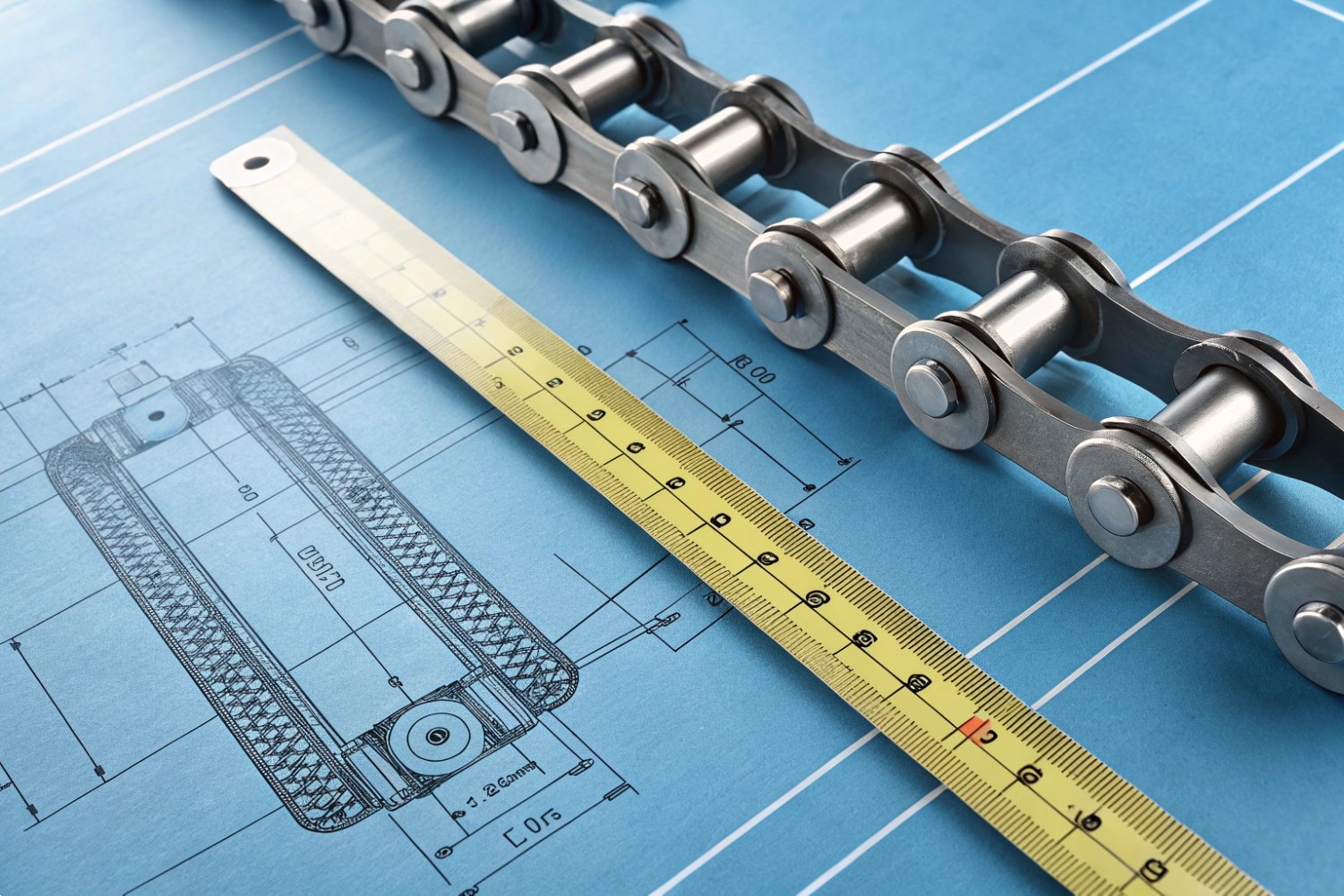
The world of engineering machinery is full of "almost fits." A Komatsu PC200-7 and a PC200-8 might look the same, but their undercarriage parts can be different. I always tell my clients: "Measure twice, buy once."
The Power of the Serial Number
The part manual is your best friend, but the machine's serial number is the key. Manufacturers often change parts mid-production. If you give me the serial number, I can look into the specific database for Caterpillar, Hitachi, or Komatsu and find exactly what was installed at the factory.
Measuring the Hardware
If you don't have the manual, you must take physical measurements. For a track chain 8, you need to measure the "Pitch." This is the distance between the centers of two pins. For a sprocket, count the number of teeth and the number of bolt holes.
Cross-Reference Tables
Most high-quality online sellers provide a cross-reference table. This shows how their part number (e.g., Dingtai DT123) matches the OEM 9 number (e.g., CAT 123-4567).
| Component | Key Measurement | Common OEM Brands |
|---|---|---|
| Track Chain | Pitch (mm) & Number of Links | CAT, Komatsu, Volvo |
| Track Roller | Flange Diameter & Shaft Length | Hitachi, Kobelco, Doosan |
| Sprocket | Tooth Count & Bolt Circle | Hyundai, JCB, Sany |
Visual Confirmation
When buying online, ask the seller for a photo of the part with a ruler next to it. At Dingtai, we often send "real-time" photos from the warehouse to the customer via WhatsApp or Email. This gives you peace of mind that the physical part matches the dimensions you need. If the seller only uses "stock photos," be careful. You want to see the actual inventory.
What secure payment methods should I use to protect my large-scale wholesale transactions?
When you are sending tens of thousands of dollars across the world, you need to feel safe. I understand the anxiety of hitting the "send" button on a large bank transfer to a new partner.
For large-scale transactions, use Letter of Credit (L/C) for maximum security or Escrow services like Alibaba Trade Assurance. For established relationships, Telegraphic Transfer (T/T) with a 30% deposit and 70% against the Bill of Lading is the industry standard for protecting both parties.
I have worked with many buyers like David Miller who are very cautious about money. They should be. Your capital is the lifeblood of your business. Here is how we handle payments to ensure everyone is protected.
Alibaba Trade Assurance
If you are new to a supplier, this is a great starting point. The money is held by a third party. If the goods are not shipped or do not match the quality, you can file a dispute. It gives the buyer a lot of leverage.
The Standard T/T 30/70 Split
In the B2B world, we usually use a Telegraphic Transfer 10 (T/T). The standard way to do this is:
- 30% Deposit: This starts the production or reserves the stock.
- 70% Balance: This is paid after the goods are produced.
The best part for the buyer is paying the balance against the "Copy of the Bill of Lading." This means the goods are already on the ship, and the seller has proven it with shipping documents.
Letter of Credit (L/C)
For very large orders (over $50,000), a Letter of Credit is the safest. Your bank talks to our bank. The money only moves when we provide every single document required by the contract. It is complex and has bank fees, but for a new, high-value relationship, it removes all risk of fraud.
Avoiding Scams
Always verify the bank account details. If a seller suddenly asks you to send money to a personal account or a bank in a different country than their business, stop immediately. Call the company directly using the number on their official website. At Dingtai, we always use our official corporate bank accounts in China to ensure everything is transparent and legal.
Conclusion
Buying excavator undercarriage parts online saves money and time if you verify quality and fit. Focus on technical data, use secure payments, and work with experienced manufacturers to keep your machines moving.
Footnotes
1. Technical specifications of 40Mn2 alloy steel used in heavy machinery parts. ↩︎
2. Overview of induction hardening processes for improving metal wear resistance. ↩︎
3. Official ISO 9001:2015 standard for quality management systems. ↩︎
4. Global leader in inspection, verification, testing, and certification services. ↩︎
5. Database for identifying Harmonized System codes for international trade. ↩︎
6. Legal document definition and importance in shipping and logistics. ↩︎
7. International standards for phytosanitary measures regarding wood packaging. ↩︎
8. Professional forum for technical discussions on heavy equipment maintenance. ↩︎
9. Definition and role of Original Equipment Manufacturers in supply chains. ↩︎
10. Explanation of how telegraphic transfers work in international business. ↩︎