
I know how frustrating it is when your Cat machine stops working because of a broken track. Dealing with repairs and downtime costs 1 me money and causes a lot of stress.
Upgrading with quality Cat undercarriage parts comes down to matching the right undercarriage spec to your application, buying from proven OEM/aftermarket lines, and managing installation and maintenance so you actually get the life you paid for.
Choosing the right parts is the best way to keep your machines running for a long time. I want to share some tips to help you make the best choice for your fleet.
How much extra service life can I expect by upgrading to reinforced track guides on my Cat excavator?
I often see track guides get ignored until a chain falls off in the mud. I started using reinforced guides because I was tired of fixing tracked-out machines in the middle of a job.
Upgrading to reinforced track guides can increase your service life by 25% to 40% in rough terrain. These guides keep the track chain aligned, which prevents the side-wear on links and rollers that usually leads to early failure.
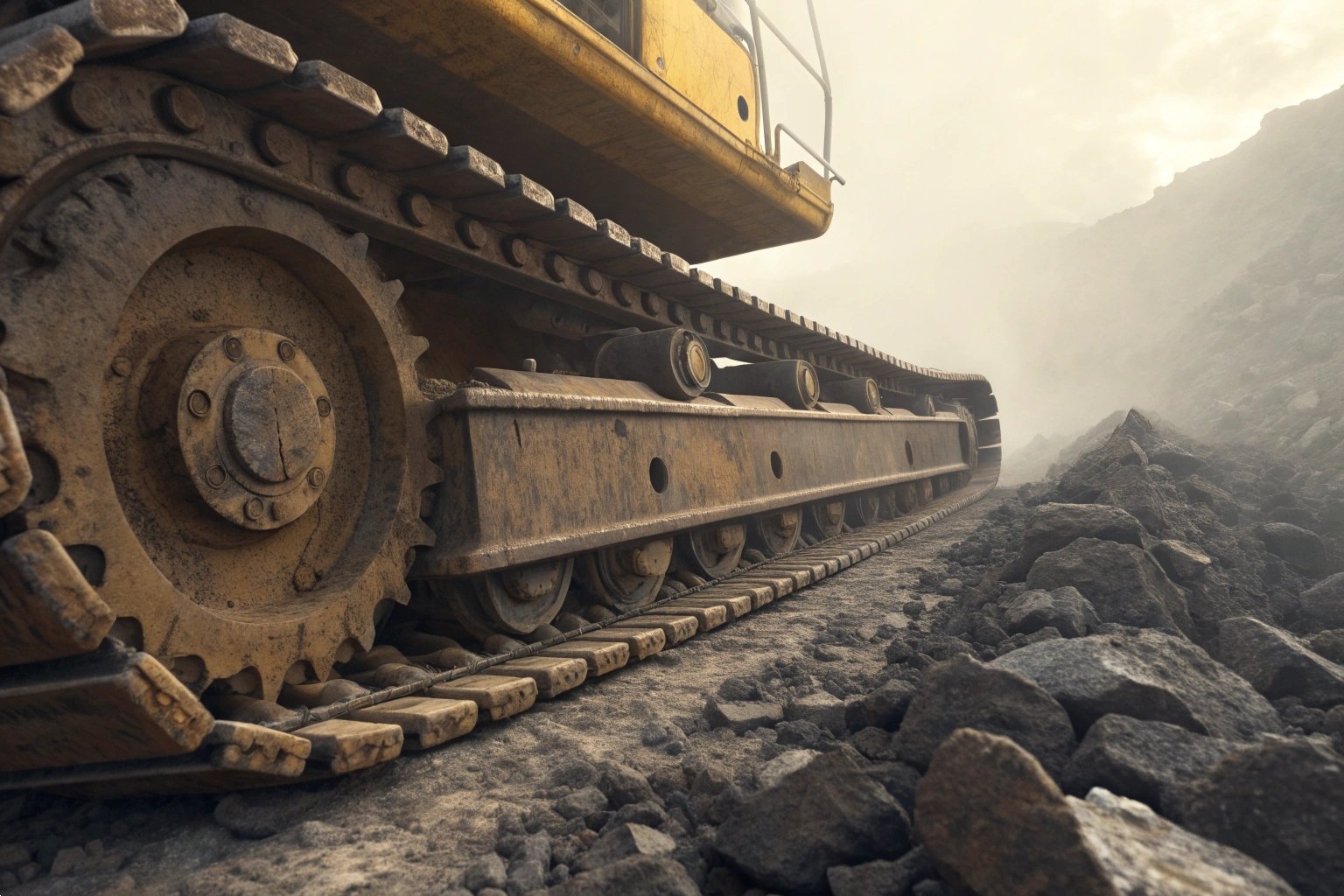
When you work in rocks or on steep hills, your track chain wants to twist and slide off the rollers. Standard guides are okay for flat dirt, but they bend or wear thin quickly in tough spots. Reinforced track guides 2 are thicker and often cover more of the track length. This extra metal keeps the links exactly where they should be. When the chain stays straight, the bushings and sprocket teeth mesh perfectly. This stops the "scrubbing" action that eats away at your expensive metal parts.
I have found that these guides are a small investment that protects the most expensive parts of the machine. If you use a Cat 336 3 or a similar large excavator, the weight of the machine puts huge pressure on the undercarriage. By adding heavy-duty guides, you are not just buying a piece of steel; you are buying insurance for your entire track system. It is much cheaper to replace a guide than to buy a whole new chain because the links got twisted and ruined.
| Guide Type | Typical Environment | Expected Benefit |
|---|---|---|
| Standard Guide | Flat construction sites, sand | Base level protection |
| Full-Length Reinforced | Rocky quarries, demolition | Maximum alignment, 40% less side wear |
| Bolt-on Heavy Duty | Forestry, steep slopes | High impact resistance, easy to swap |
What technical innovations in bushing design will reduce the noise and vibration of my Cat machine?
I remember the first time I sat in a cab with a "quiet" undercarriage. The lack of shaking made my workday much easier, and I felt less tired by the evening.
Modern innovations like rotating bushings and dampened track links reduce noise and vibration by 15% to 20%. These designs allow the bushing to turn as it hits the sprocket, which stops the metal-on-metal grinding sound.
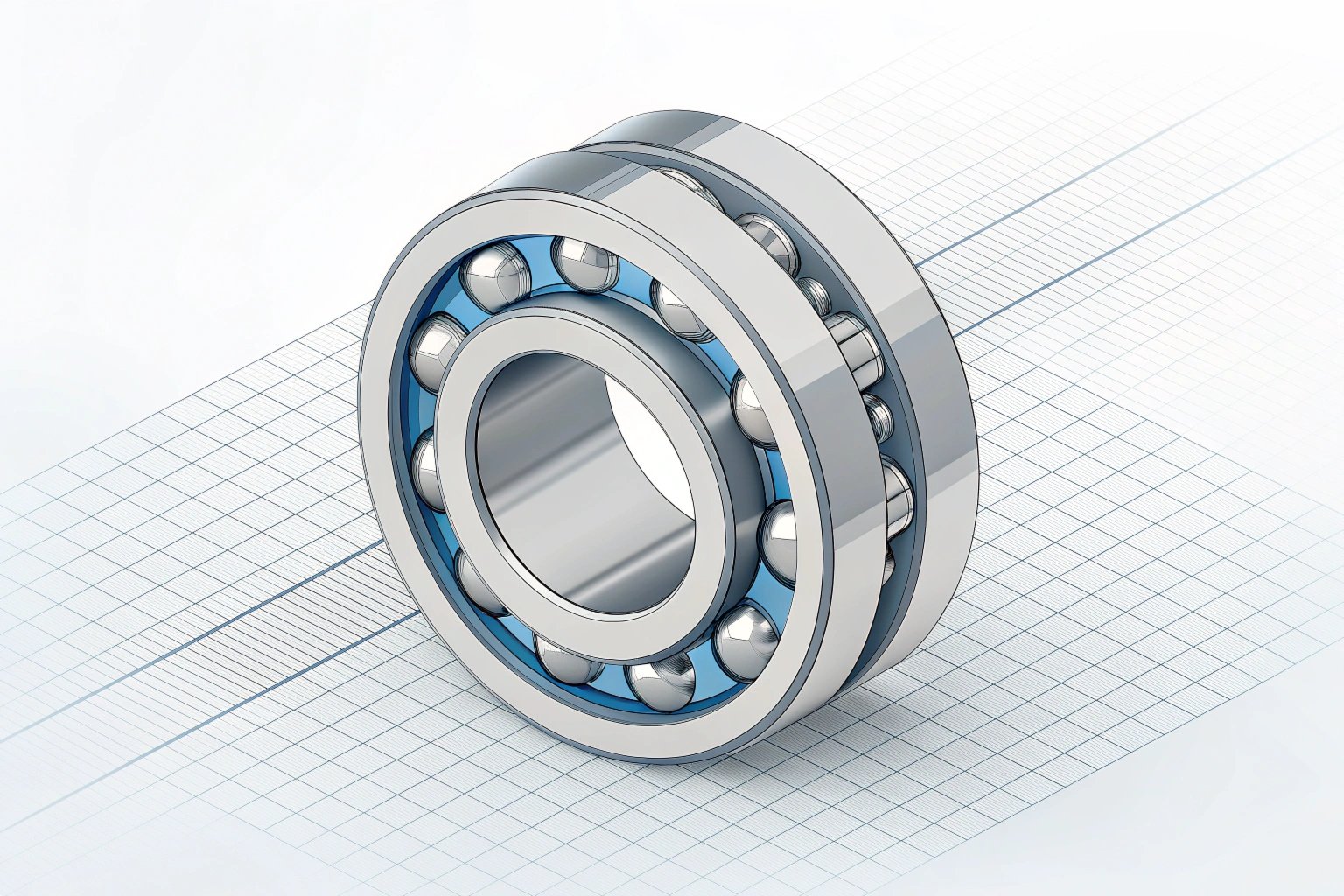
Traditional bushings stay fixed in the track link. As the sprocket turns, it rubs against the bushing. This rubbing creates heat, noise, and vibration that travels right up into the operator's seat. It also wears a flat spot on the bushing. Innovations like the rotating bushing design 4 changed this. In these systems, the bushing is free to roll. When it meets the sprocket tooth, it rolls into place instead of sliding. This simple change removes the "screeching" sound and makes the machine much smoother to drive.
Beyond the noise, these innovations help the parts last longer. When a bushing rolls, the wear is spread out over the whole surface instead of just one side. This means you don't have to "turn" the bushings halfway through their life. For a guy like me running a business, that means less time in the shop and more time on the job. We also look at material density 5. Using specialized heat treatment makes the surface harder but keeps the core tough. This stops the bushings from cracking while still keeping the vibration low.
Why Bushing Quality Matters
- Reduced Friction: Lower heat means the seals last longer and the oil stays inside.
- Operator Comfort: Less vibration means the person driving the machine stays focused and productive.
- Energy Efficiency: A smoother track system takes less power to move, which can save on fuel.
How do I transition my Cat fleet to a proactive maintenance model using high-durability replacement parts?
I used to just wait for things to break before I fixed them. It took one big disaster on a remote job site to teach me that proactive maintenance is the only way to stay profitable.
Transitioning to proactive maintenance involves using the Custom Track Service (CTS) to monitor wear and choosing high-durability parts like HDXL links. This allows you to schedule repairs during downtime instead of reacting to emergency failures.

The first step is knowing exactly how much life is left in your parts. I use a simple ultrasonic tool 6 or a ruler to measure the wear on my rollers and links. If I see that my rollers are 80% worn, I can order parts now and wait for a slow week to install them. This is much better than having a roller seize up and snap a chain during a busy week. High-durability parts 7, like those with "Tough Steel" or extended-life coatings, give you a bigger "safety window." They wear down more slowly and predictably, so your measurements are more accurate.
I also suggest keeping a small stock of common "wear parts" like segments and bolts. When you switch to a proactive maintenance 8 model, you treat your undercarriage like a system. You don't just change one part; you look at how the whole thing is wearing. For example, if I notice the sprocket teeth are getting sharp, I replace them immediately. I know that a worn sprocket will ruin a brand-new chain in just a few hundred hours. It’s about protecting your big investments by taking care of the small things.
| Maintenance Task | Frequency | Impact on Parts |
|---|---|---|
| Track Tension Check | Weekly | Prevents bushing and sprocket wear |
| Mud Cleaning | Daily | Stops "packing" that stretches chains |
| Wear Measurement (CTS) | Every 500 Hours | Predicts end-of-life and prevents failure |
Why is a comprehensive manufacturer's warranty essential when I upgrade my Cat undercarriage system?
I once bought a set of cheap tracks that looked great but snapped after 200 hours. The seller disappeared, and I had to pay for a second set of tracks plus the labor to fix the mess.
A comprehensive warranty is essential because it guarantees the metallurgy and heat treatment of the parts. For a heavy-duty undercarriage, a good warranty covers defects for up to 3,000 to 4,000 hours, giving you peace of mind and financial protection.
When I buy from a reputable manufacturer like Dingtai, I am buying more than just steel. I am buying their promise that the metallurgy and heat treatment 9 is consistent across every single link. In the world of Cat undercarriages, if the metal is too hard, it will crack. If it is too soft, it will wear out like butter. A comprehensive warranty 10 proves the manufacturer trusts their process. If a link breaks because of a hidden air bubble in the steel, I know they will replace it. This "safety net" is what allows me to bid on big jobs without worrying about my equipment failing.
Furthermore, a warranty usually requires that you follow specific installation and maintenance steps. This actually helps me stay disciplined. To keep my warranty valid, I make sure my team uses the "torque-turn" method for bolts and keeps the tracks at the right tension. This combination of quality parts and correct care ensures I get the longest possible life out of the system. In the B2B world, reliability is everything. My customers need to know my machines will show up and work. A good warranty on my undercarriage parts is the foundation of that reliability.
What to Look for in a Warranty
- Hours Covered: At least 2,000 hours for standard and 4,000 for heavy-duty parts.
- Coverage Scope: Does it cover just the part, or also the labor and shipping?
- Ease of Claim: Is the process simple, or do you have to jump through hoops?
| Part Category | Standard Warranty | Premium Warranty (Dingtai) |
|---|---|---|
| Track Chains | 12 Months / 1500 Hrs | 24 Months / 3000-4000 Hrs |
| Rollers & Idlers | 6 Months / 1000 Hrs | 18 Months / 2500 Hrs |
| Sprocket Segments | 3 Months / 500 Hrs | 12 Months / 1500 Hrs |
Conclusion
Upgrading your Cat equipment with quality undercarriage parts is the smartest way to lower your costs and keep your machines working hard.
Footnotes
1. Understanding the financial impact of equipment inactivity on business operations. ↩︎
2. Tips for maintaining heavy equipment undercarriages to extend component life. ↩︎
3. Technical specifications and features of the Caterpillar 336 Large Excavator model. ↩︎
4. Engineering details of track systems using rolling bushings to reduce friction. ↩︎
5. Academic overview of how density affects the mechanical properties of industrial materials. ↩︎
6. Using ultrasonic technology to measure metal thickness in heavy machinery components. ↩︎
7. Benefits of using high-strength steel for wear-resistant parts in construction. ↩︎
8. Best practices for implementing a maintenance strategy that prevents equipment failure. ↩︎
9. Overview of how thermal processing improves the durability of metal components. ↩︎
10. Consumer guide explaining different types of warranties and service protection plans. ↩︎