
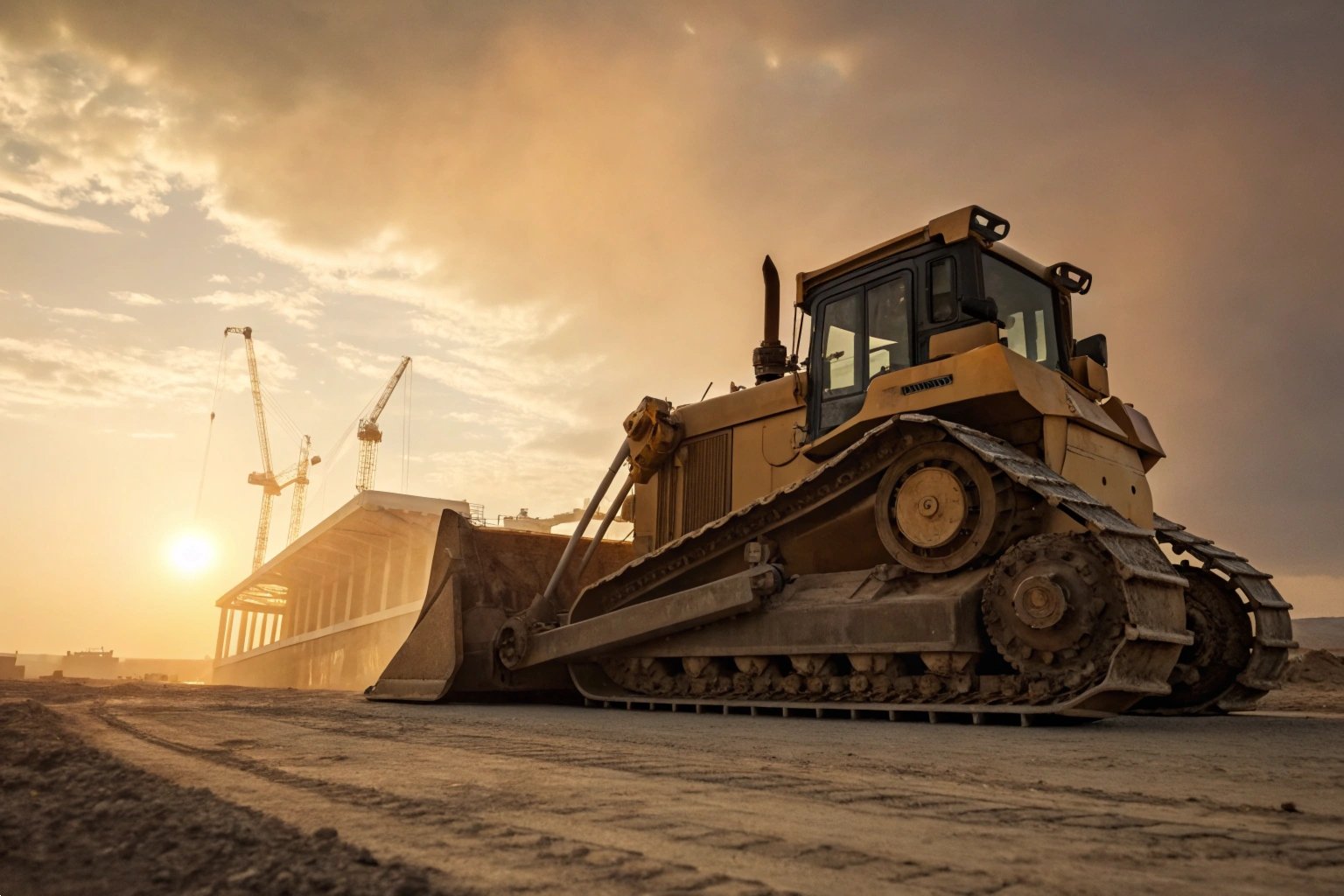
I have spent years managing heavy equipment and I know that a dozer is only as good as its foundation. Replacing parts is one thing, but upgrading them with premium components is the only way I ensure my machines survive the toughest job sites without constant breakdowns.
Upgrading a Cat dozer undercarriage requires matching high-specification parts like SALT tracks and heavy-duty rollers to your specific terrain. By selecting components with superior heat treatment and precise fitment, you significantly lower your cost per hour and extend the operational life of your entire machine.
Choosing the right parts can be overwhelming with so many options available. I want to share my personal experience on how to navigate this process to ensure you get the best return on your investment.
How do I ensure my new undercarriage parts are 100% compatible with my original Caterpillar frames?
I always tell my team that compatibility is the foundation of any successful upgrade. If the parts don't fit perfectly, even the highest quality steel will fail prematurely. I have seen many operators struggle with "close enough" parts that end up causing vibration and catastrophic housing damage.
To ensure 100% compatibility, you must match the specific Caterpillar part numbers and serial ranges with the manufacturer’s technical drawings. High-quality aftermarket suppliers use precision CNC machining to mirror OEM tolerances, ensuring that bolt holes, track rail heights, and sprocket teeth align perfectly with your original frames.
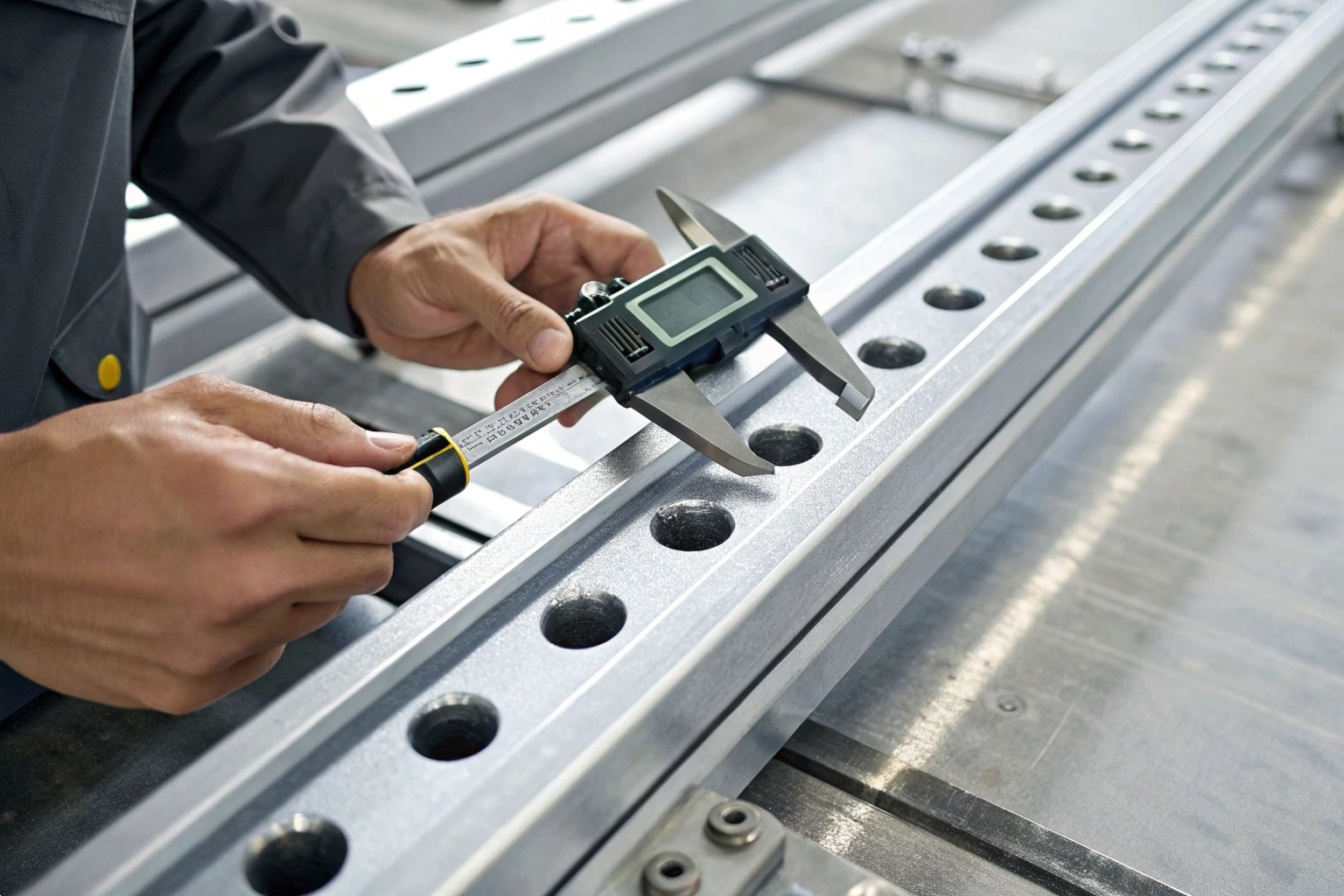
When I look at compatibility, I don't just look at whether the bolts line up. I look at the geometric relationship between every moving part. If a track link 1 is slightly off in pitch, it will hunt on the sprocket, causing "hooking" and rapid wear. My approach involves a deep dive into the technical specifications provided by the manufacturer. I demand to see the dimensional reports that compare their parts to the original Cat specs.
In my 20 years of experience, I’ve realized that compatibility also extends to the material interaction. For example, if you install an upgraded heavy-duty roller 2, the hardness of the roller shell must be compatible with the hardness of the track link rails. If one is significantly harder than the other, the softer part will be "eaten" by the harder one. This is why I prefer sourcing from a single manufacturer like Dingtai, where they engineer the entire system to work in harmony.
Key Compatibility Parameters for Cat Dozers
| Component | Critical Measurement | Why it Matters |
|---|---|---|
| Track Links | Pitch Length | Prevents sprocket mismatch and vibration. |
| Rollers | Flange Width | Ensures the track stays aligned during side-slope work. |
| Sprockets | Bolt Circle Diameter | Guaranteed fit to the final drive hub. |
| Track Shoes | Master Shoe Profile | Ensures a seamless connection at the master link. |
I also pay close attention to the "stack height" of the undercarriage. If you are mixing brands, you might find slight variations that throw off the machine's balance. When I upgrade a machine, I prefer to do it in "zones" or complete sets. Replacing all the rollers at once ensures the load is distributed evenly across the frame, preventing stress fractures in the main housing 3.
What are the advantages of upgrading my Cat dozer to a heavy-duty track system for rocky terrain?
Working in rocky terrain is the ultimate test for any undercarriage. I’ve seen standard tracks get chewed up in weeks when working in granite or jagged limestone. For me, upgrading to a heavy-duty system isn't just an option; it's a necessity for survival in those conditions.
Upgrading to a heavy-duty track system provides thicker link rails, larger diameter bushings, and reinforced track shoes. These enhancements offer superior resistance to impact and abrasion, reducing the risk of snapped links and significantly extending the service interval in harsh, rocky environments.
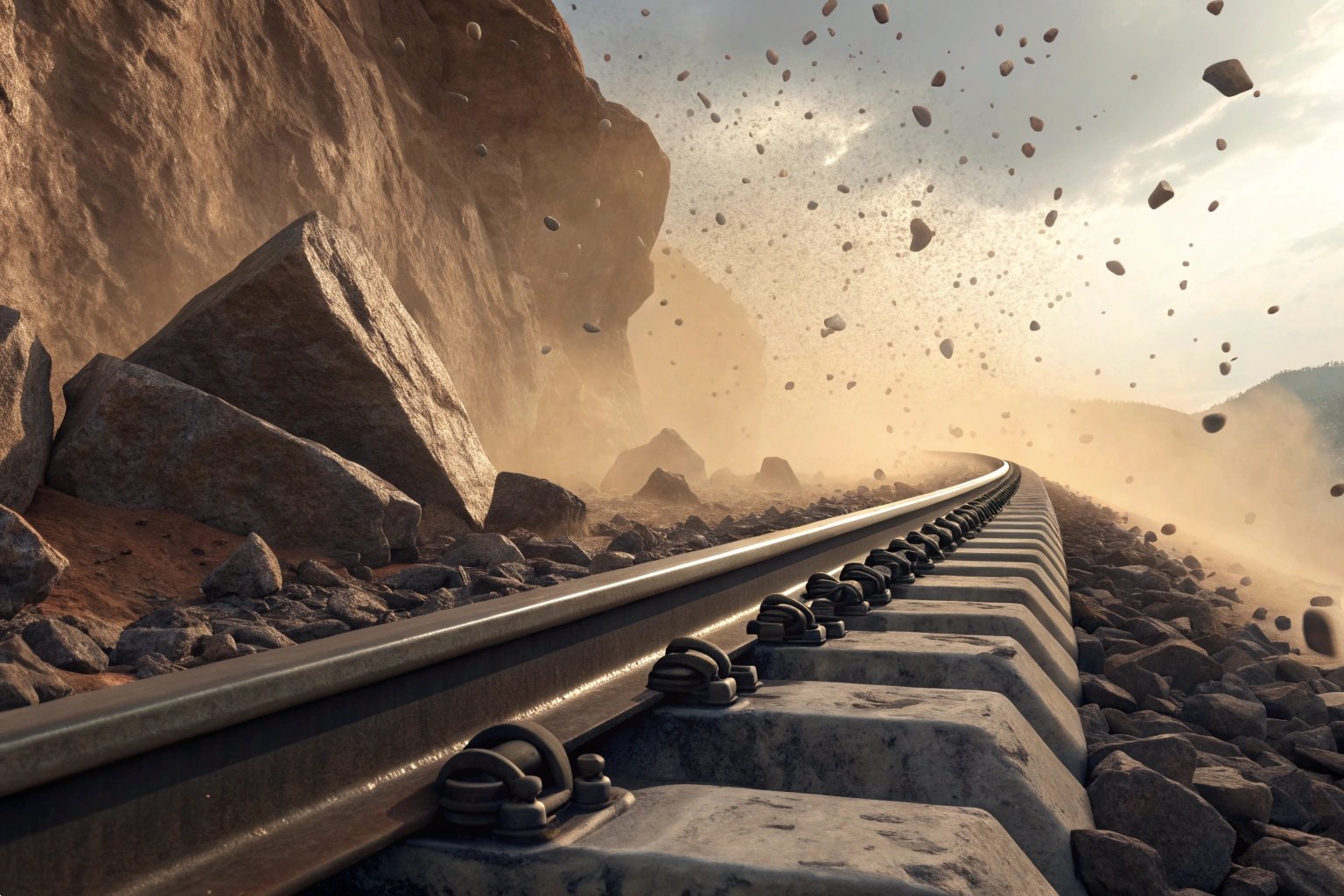
In my experience, the biggest advantage of a heavy-duty system is the "wear volume." A standard track link has a certain amount of metal that can be worn away before the part is scrap. A heavy-duty link from a premium manufacturer often features a "tall rail" design. This means there is more steel to wear down before the link becomes too thin. In rocky conditions, where abrasion resistance 4 is constant, this extra material can represent hundreds of additional working hours.
I also focus on the internal components. A heavy-duty upgrade often includes Sealed and Lubricated Track 5 (SALT) technology. By keeping a film of oil between the pin and the bushing, internal wear is virtually eliminated. This prevents "track stretch" or pitch extension. When you are pushing heavy loads of rock, the tension on the chain is immense. A SALT system ensures that the chain stays tight and the geometry remains correct, which protects the sprockets and idlers from secondary damage.
Comparison: Standard vs. Heavy-Duty Track Systems
| Feature | Standard System | Heavy-Duty Upgrade | Benefit of Upgrade |
|---|---|---|---|
| Link Height | Standard | +15-20% taller | Longer wear life in rock. |
| Bushing Diameter | Smaller | Larger/Thicker | Higher impact resistance. |
| Sealing | Grease/Dry | SALT (Oil Lubricated) | Eliminates internal pin wear. |
| Material Grade | Carbon Steel | Boron/Alloy Steel | Better through-hardening. |
Furthermore, I always look for "Extreme Service" 6 track shoes when upgrading for rock. These shoes are thicker and have larger grousers. In rocky terrain, shoes can bend or "smile" if they are too thin. Once a shoe bends, it puts uneven pressure on the links and pins, leading to breakage. By upgrading to a thicker shoe, you maintain a rigid platform for the machine, which improves traction and protects the entire undercarriage string.
How much can I reduce my machine's vibration by installing precision-machined rollers?
Vibration is the silent killer of heavy machinery. I’ve sat in cabs where the shaking was so bad it caused bolts to back out and electronics to fail. I learned early on that much of this vibration comes from rollers that are out of round or poorly machined.
Installing precision-machined rollers can reduce chassis vibration by up to 30%. By ensuring the roller shells are perfectly concentric and the internal bearings are aligned to tight tolerances, the track moves smoothly over the rollers, eliminating the rhythmic "thumping" associated with lower-quality components.
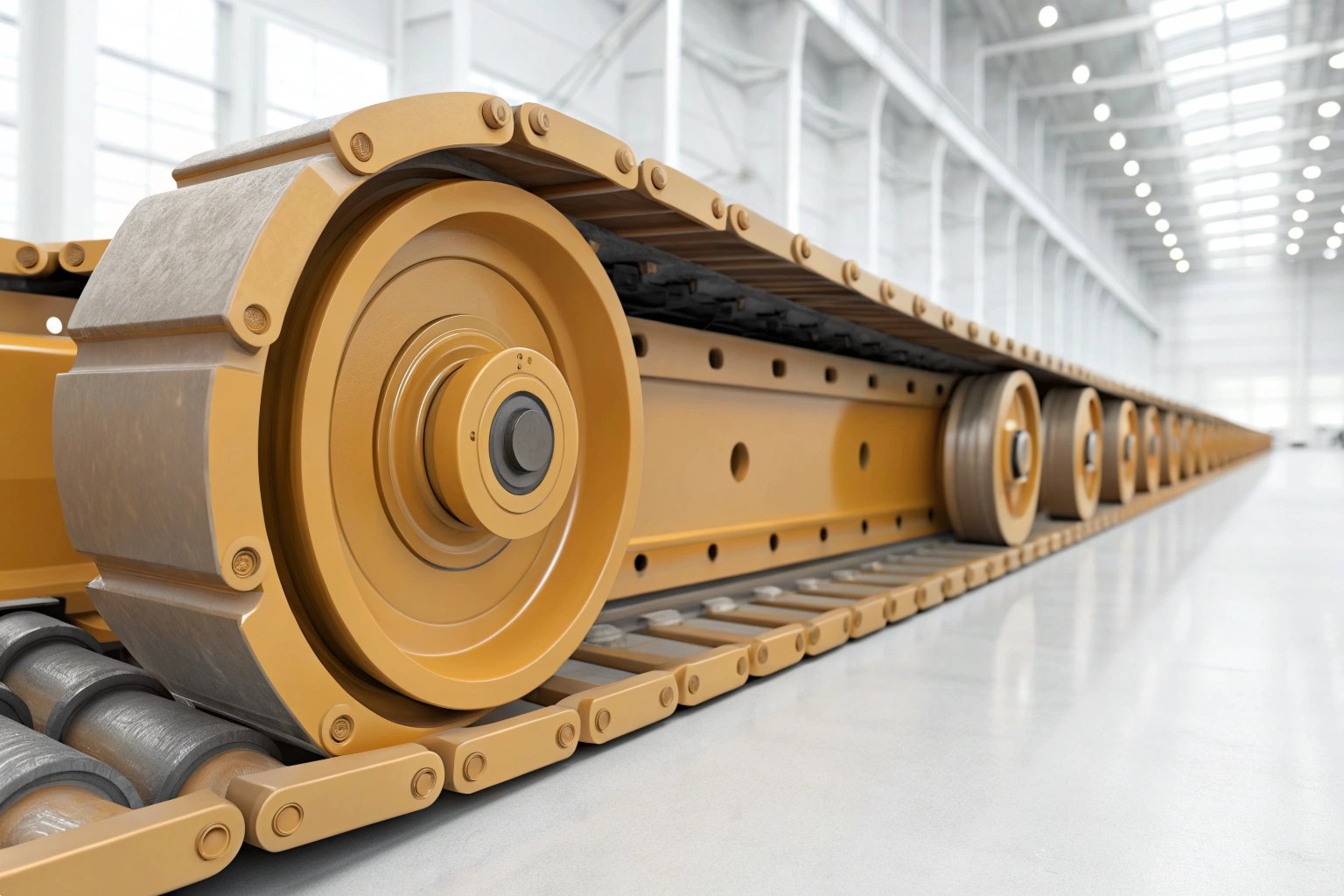
When I talk about precision machining 7, I'm referring to the final finish of the roller tread. Cheap rollers often have visible machining marks or slight variances in diameter across the batch. As the track rail rolls over these imperfections at high speeds, it creates micro-impacts. These impacts travel through the roller shaft, into the track frame, and ultimately into the operator's seat. By using rollers that are ground to exact specifications, that movement becomes fluid.
Another factor I consider is the internal lubrication and sealing. A roller that is slightly seizing or has inconsistent internal friction will drag against the track. This creates a "slip-stick" motion that vibrates through the whole machine. Precision rollers use high-quality duo-cone seals 8 and polished shafts to ensure they spin freely under load. This doesn't just reduce vibration; it also reduces the fuel consumption of the dozer because the engine isn't fighting the resistance of the undercarriage.
Impact of Roller Quality on Machine Health
- Operator Comfort: Reduced vibration means less fatigue for the person in the cab, leading to better productivity.
- Structural Integrity: Lower vibration protects the welds on the track frames and the final drive housings from stress cracks.
- Component Life: Smooth movement reduces the "peening" effect on the track links, keeping the rails smooth for longer.
I always check the heat treatment 9 on the roller flanges as well. If the flange is precision-machined but poorly hardened, it will wear unevenly. This creates a "side-to-side" wobble as the track moves. My strategy is to always verify that the manufacturer uses induction hardening on the tread and the flanges. This keeps the roller perfectly round throughout its entire life cycle, ensuring that the vibration reduction lasts from the day of installation until the part is ready for replacement.
Why is sourcing from a manufacturer with 20+ years of experience vital for my dozer's ROI?
In this industry, I have seen many "fly-by-night" factories pop up and disappear. They offer low prices, but they lack the technical "tribal knowledge" required to make a part that lasts. For my business, I only trust manufacturers who have survived the ups and downs of the market for at least two decades.
A manufacturer with 20+ years of experience, like Dingtai, has refined their heat treatment formulas and forging processes through thousands of real-world applications. This experience ensures they understand the subtle nuances of Caterpillar metallurgy, providing you with parts that offer a predictable and high Return on Investment (ROI).
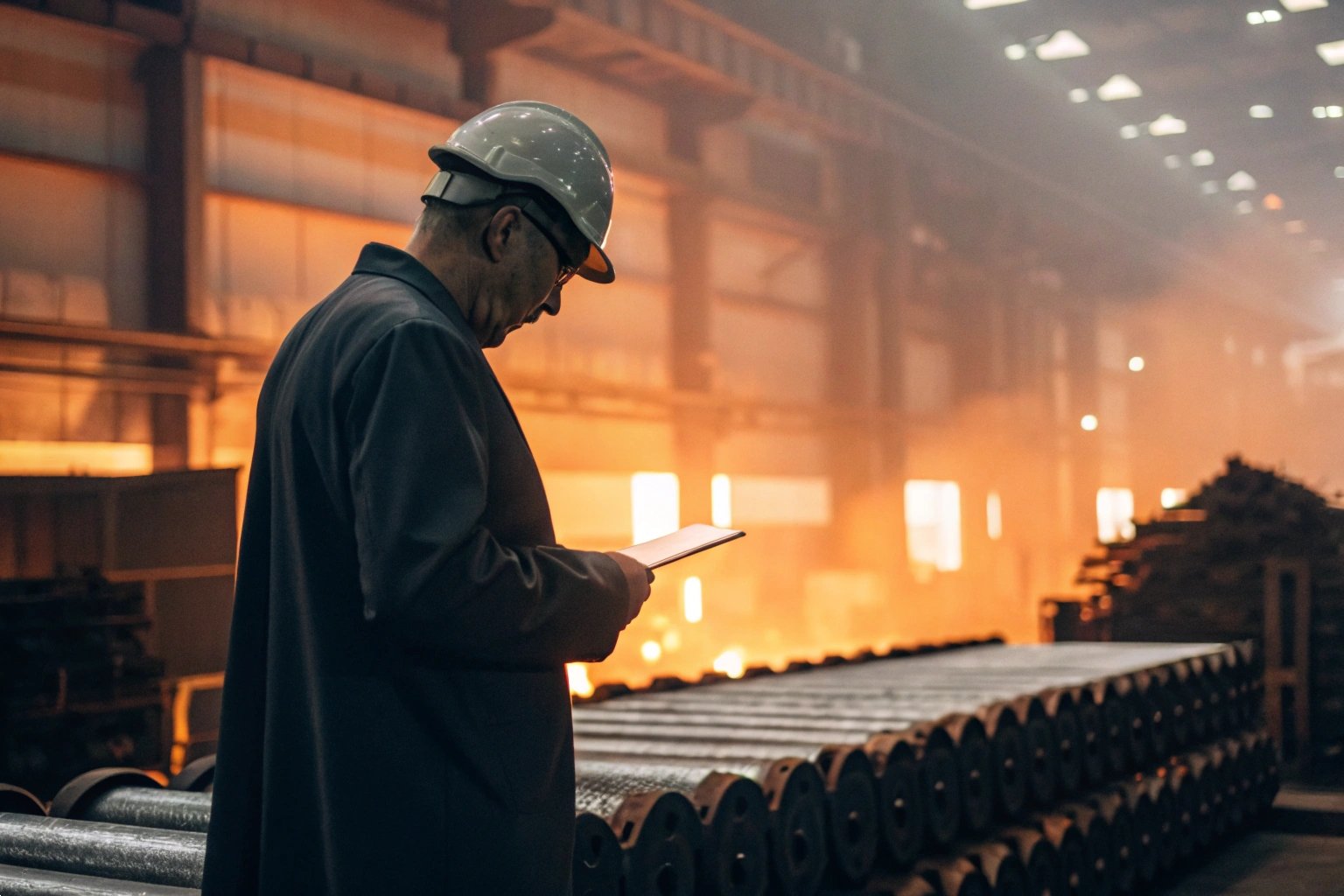
Experience teaches a manufacturer what a computer model cannot. For example, the cooling rate after forging a track link is critical. If it cools too fast, the steel becomes brittle and snaps under impact. If it cools too slow, it stays soft and wears out in months. A manufacturer with 20 years of history has perfected these "recipes." They know exactly how to treat the steel so it is hard on the outside to resist wear, but tough on the inside to absorb shocks.
When I source from an experienced partner, I am also buying their Quality Control (QC) system. They have seen every possible failure mode and have implemented checks to prevent them. This includes ultrasonic testing 10 for internal flaws and spectroscopic analysis to ensure the chemical composition of the steel is exactly right. For a procurement manager like David Miller, this consistency is more valuable than a 10% discount from an unproven supplier. One failed track chain on a remote mine site can cost more in downtime than the entire cost of the parts.
The Value of Experience in Manufacturing
| Experience Level | Technical Capability | Risk Factor | ROI Potential |
|---|---|---|---|
| < 5 Years | Basic casting/machining | High - Quality varies by batch | Low - Frequent early failures |
| 10-15 Years | Consistent production | Medium - May lack specialized alloys | Moderate - Good for light work |
| 20+ Years | Advanced metallurgy & QC | Low - Proven track record | High - Maximum hours per dollar |
I also value the technical support that comes with decades of experience. If I have a specific problem—like premature wear in acidic soil—an experienced manufacturer can suggest a custom solution, such as specialized alloy pins or specific seal types. They have likely solved that exact problem for someone else in the past. This consultative approach turns a simple supplier into a strategic partner, which is exactly how I like to do business.
Conclusion
Upgrading your Cat dozer with high-quality undercarriage parts is the most effective way to protect your investment and ensure maximum uptime. By focusing on compatibility, material strength, and experienced manufacturing, you can significantly reduce your operating costs.
Footnotes
1. Community discussions on track link maintenance and common failure points in heavy machinery. ↩︎
2. Technical specifications and equipment guides for heavy-duty rollers and crawler undercarriages. ↩︎
3. Official Caterpillar resources for frame structural integrity and OEM part standards. ↩︎
4. International standards for testing material hardness and abrasion resistance in industrial steel. ↩︎
5. Educational overview of Sealed and Lubricated Track (SALT) technology benefits for dozers. ↩︎
6. Guide to extreme service track shoe configurations for high-impact mining environments. ↩︎
7. Insights into the impact of precision CNC machining on mechanical component longevity. ↩︎
8. Technical details on duo-cone sealing systems used to prevent lubricant leakage in rollers. ↩︎
9. Principles of induction heat treatment for improving the wear life of forged steel parts. ↩︎
10. Explanation of ultrasonic testing methods to ensure structural integrity in metal components. ↩︎