

Evaluating a factory’s capacity 1 involves assessing production ability, equipment, worker skills 2, and logistics 3 to prevent delays in your order delivery.
A comprehensive evaluation, including equipment, production schedules, workforce skills, and past performance, determines a factory's capacity to meet your needs without delays.
What questions can I ask about their number of production lines, equipment, and workers?
Quality inquiry elicits crucial insight.
Ask about the number and type of production lines, specific equipment capabilities, and the size and skill level of the workforce to gauge production capacity.

Key inquiry points
- Production Lines: How many, and what stages do they encompass?
- Equipment Specifications: Details on heavy-tonnage press 4 and CNC technology 5.
Production assets
| Feature | Inquiry Focus | Capacity Indicator |
|---|---|---|
| Production Lines | Number/Stages | Volume Capability |
| Equipment | Type/Capacity | Efficiency Index |
Can I ask them about their current production load and how my order fits into their schedule?
Scheduling transparency aids anticipation.
It is both prudent and necessary to ask about their current production load and how your order will be integrated, ensuring clarity on lead times.
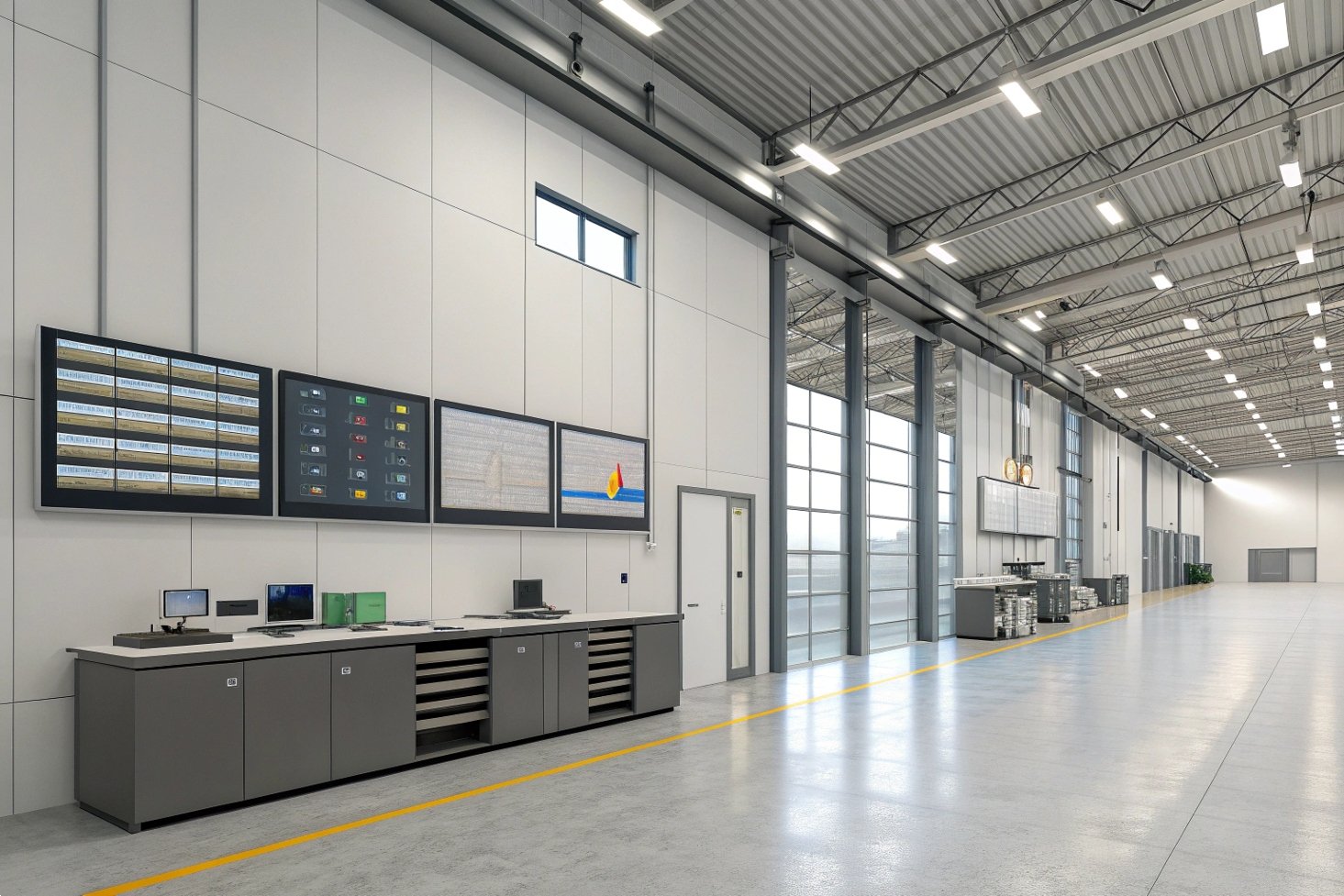
Probing their current load
- Current Load: Understand existing commitments.
- Order Integration: How is scheduling adapting for your requirements?
Schedule inquiry
| Element | Inquiry | Impact |
|---|---|---|
| Current Load | Present Workload | Time Management |
| Integration Plan | Adaptation | Delivery Assurance |
History hints at reliability.
A consistent record of on-time deliveries 6 is a strong indicator of reliability and capability within specified timeframes.

Delivery performance check
- Past Records: Request delivery logs or client testimonials.
- Consistency: Assess frequency of timely completions.
Reliability indicators
| Aspect | Inquiry | Reliability Metric |
|---|---|---|
| Past Performance | Records/Testimonies | Trustworthiness |
| Timeliness | Consistency | Assurance |
What is their contingency plan if a key piece of machinery breaks down?
Preparedness mitigates disruption.
Inquire about their contingency plans, such as backup machinery 7 or parts, to understand resilience against potential breakdowns.
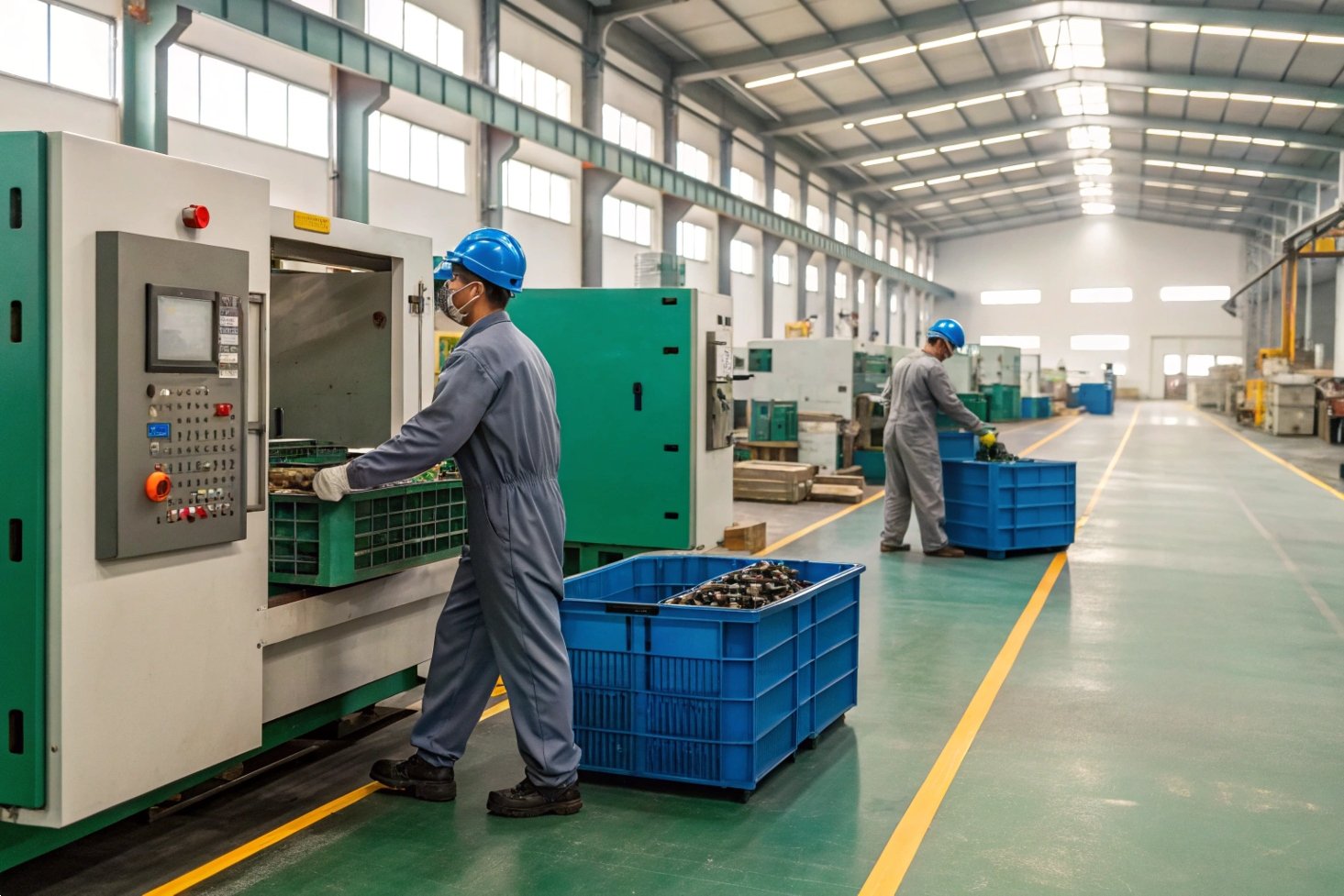
Contingency preparedness
- Backup Systems: Availability of spare machinery.
- Operational Continuity: Planning for potential disruptions.
Planning proficiency
| Element | Backup Readiness | Resilience Benefit |
|---|---|---|
| Machinery Backup | Spare Systems | Disruption Reduction |
| Continuity Plans | Downtime Strategies | Stability Assurance |
Conclusion
Evaluating a factory's production capacity 8 involves thorough analysis of equipment, scheduling, workforce skills, and contingency plans 9, ensuring a reliable production flow for undercarriage parts.
Thorough assessment of factory capability ensures supply chain reliability 10 and efficient undercarriage parts production.
Footnotes
1. A guide on how to properly evaluate a manufacturer's capacity. ↩︎
2. Methods for assessing the skill level of a factory's workforce. ↩︎
3. The importance of logistics in manufacturing and supplier evaluation. ↩︎
4. Learn about the function of heavy-tonnage presses in forging. ↩︎
5. An introduction to CNC technology and its role in precision manufacturing. ↩︎
6. How to measure and verify a supplier's on-time delivery performance. ↩︎
7. The role of backup machinery in preventing production downtime. ↩︎
8. Techniques for analyzing a factory's true production capacity. ↩︎
9. Why contingency plans are essential for manufacturing partners. ↩︎
10. Strategies for building and maintaining supply chain reliability. ↩︎