
I know the pain of watching a project stall because a track link snapped or a roller seized up. Every hour your Hitachi sits idle, you are losing real money.
You can discover the benefits of quality Hitachi undercarriage parts by evaluating their impact on machine uptime, fuel efficiency, and long-term maintenance costs. High-quality parts ensure precise fitment, reduce engine load, and prevent premature failure of expensive components like the final drive.
I have spent years working with fleet managers who were tired of cheap parts failing at the worst possible time. Let's look at how choosing the right parts changes your bottom line.
How much can I reduce my hourly operating costs by switching to OEM-quality Hitachi parts?
I have seen many owners focus only on the initial price tag, but the real cost of a part is its price divided by its service life.
Switching to OEM-quality Hitachi parts can reduce hourly operating costs by 20% to 30% through extended wear life and fewer emergency repairs. High-grade materials and induction hardening ensure these parts survive abrasive soil conditions, meaning you replace them less often and spend less on specialized labor.
Understanding the Cost-Per-Hour Formula
When I talk to buyers like David, I always emphasize that "cheap" is often very expensive. If a track chain costs $2,000 but lasts 2,000 hours, your cost is $1 per hour. If a "budget" chain costs $1,500 but fails at 1,000 hours, you are paying $1.50 per hour. Plus, you have to pay the mechanic twice.
Quality parts use specific steel alloys 1 like 35MnB. This material responds better to heat treatment than standard carbon steel. We use deep induction hardening 2 to ensure the wear layer isn't just skin-deep. When the surface stays hard even after significant use, the internal core remains tough enough to absorb shocks without cracking.
Labor and Downtime: The Hidden Killers
Labor costs are rising everywhere. Replacing a set of bottom rollers on a large Hitachi excavator isn't a one-man job. It requires heavy equipment, a service truck, and hours of downtime. If you buy a part that lasts twice as long, you cut your labor bill in half over the life of the machine.
Below is a comparison of typical wear life based on material quality:
| Component | Standard Steel Life (Hours) | Premium Alloy (Dingtai) Life (Hours) | Improvement (%) |
|---|---|---|---|
| Track Rollers | 1,800 - 2,500 | 3,500 - 4,500 | ~100% |
| Track Chains | 2,000 - 3,000 | 4,000 - 5,500 | ~85% |
| Sprockets | 1,500 - 2,000 | 3,000 - 3,500 | ~90% |
Why Consistent Quality Matters
Consistency is what keeps your fleet running. If one roller in a set of ten fails early, it puts extra pressure on the other nine. Soon, the whole side is out of alignment. We perform 100% quality inspections because we know that one weak link can ruin a $10,000 undercarriage system 3. My goal is to make sure your machine stays in the dirt, not in the shop.
What impact does precise part fitment have on my Hitachi's fuel consumption and engine load?
I often notice that machines struggling with poor-quality tracks sound different; the engine works harder just to move the machine across the yard.
Precise fitment reduces rolling resistance, which directly lowers fuel consumption by 3% to 5% and decreases unnecessary engine load. When rollers, idlers, and track links align perfectly, the machine moves smoothly, allowing the engine to direct more power to the hydraulic pump rather than overcoming friction.
The Physics of Rolling Resistance
Think about a bicycle with a rusty, tight chain. You have to pedal much harder to go the same speed. A Hitachi excavator is no different. If the track pitch 4 is slightly off—even by a few millimeters—the sprocket teeth won't seat correctly in the bushings. This creates a "scrubbing" action.
This scrubbing creates heat and friction. Your engine has to burn more diesel to overcome this resistance. Over a 10-hour shift, that extra fuel adds up. When you use parts built to exact OEM specs, the track flows over the idlers and rollers like water.
Protecting the Engine and Hydraulics
When the undercarriage is tight or misaligned, the travel motors have to work at higher pressures. This generates extra heat in the hydraulic system 5. Heat is the number one enemy of hydraulic seals and pumps. By ensuring your undercarriage moves freely, you are actually extending the life of your entire powertrain.
Smooth Operation Benefits
- Less Vibration: Accurate parts mean less shaking in the cab, which reduces operator fatigue.
- Faster Travel: The machine can reach its top travel speed without straining.
- Lower Noise: No more "clacking" or "squealing" from poorly matched metal surfaces.
| Feature | Poor Fitment Impact | Precise Fitment (OEM Spec) |
|---|---|---|
| Fuel Burn | High due to friction | Optimized/Lower |
| Component Heat | Excessive in travel motors | Normal operating range |
| Track Stretch | Rapid "pitch elongation" | Stable over long periods |
| Noise Level | Loud grinding/clicking | Smooth, rhythmic operation |
By focusing on precision, you aren't just buying a piece of metal; you are buying efficiency. I always tell my clients that a smooth-running machine is a profitable machine.
How do high-durability undercarriage parts protect my Hitachi's final drive from premature failure?
I have seen many $50,000 machines scrapped or sidelined because a $500 sprocket caused the final drive to explode.
High-durability undercarriage parts protect the final drive by maintaining correct track tension and reducing shock loads. Quality sprockets and track chains prevent "jumping" and uneven wear on the drive motor's internal gears, which are incredibly expensive and time-consuming to replace.
The Connection Between Sprockets and Motors
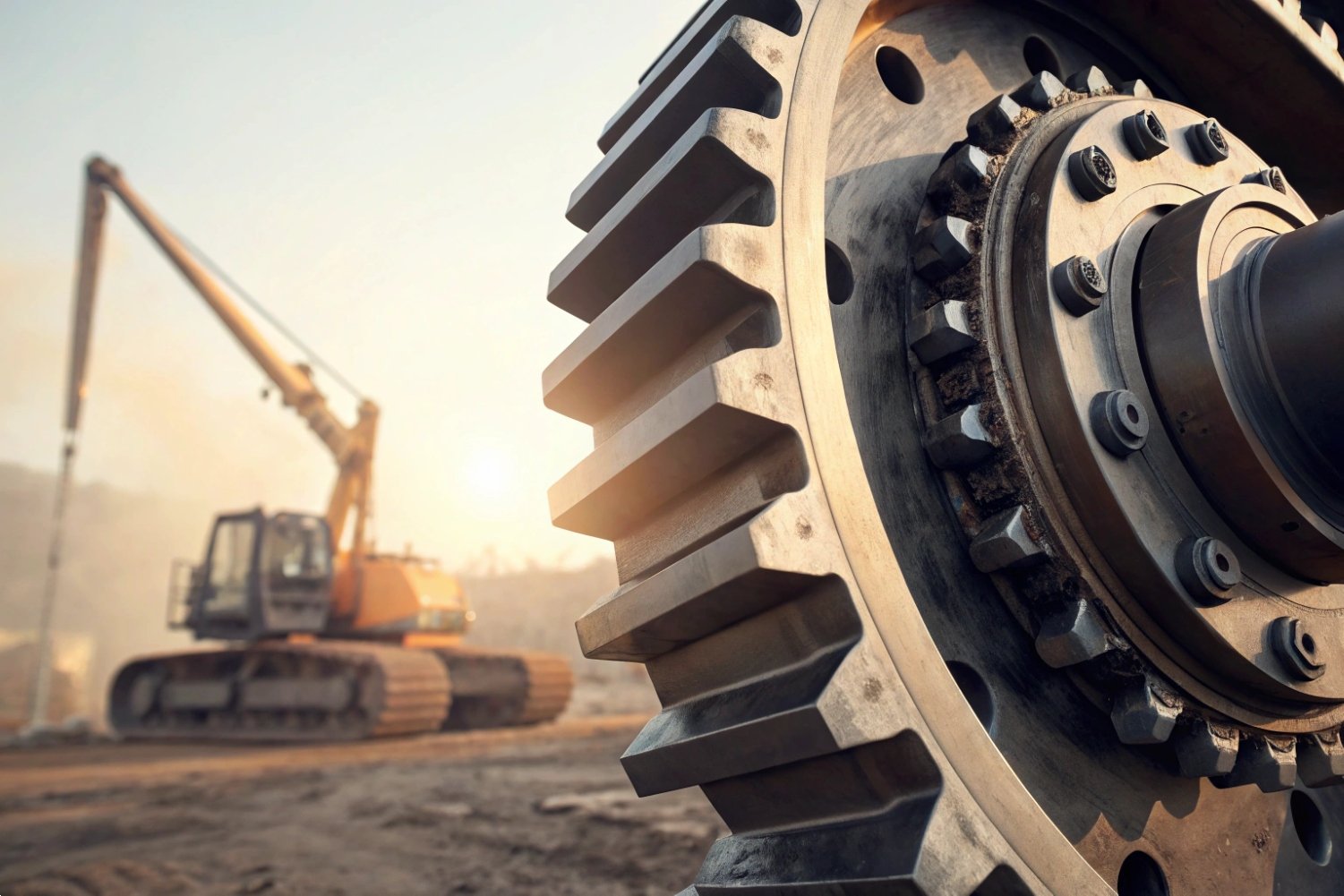
The sprocket is the bridge between your expensive final drive motor 6 and the heavy track chain. If the sprocket teeth are made of soft metal, they wear down into a "hook" shape. This hooked shape grabs the track bushing instead of letting it go. This pulling action puts immense stress on the bearings inside your final drive.
Once those bearings start to go, the gears inside the motor will eventually misalign and grind themselves to pieces. A new final drive for a mid-sized Hitachi can cost upwards of $15,000. Using a high-quality, hardened sprocket is the cheapest insurance policy you can buy.
Managing Track Tension
A high-quality tensioning system (the track adjuster and recoil spring) is vital. If the cylinder leaks or the spring is weak, the track becomes loose. A loose track can jump off the idler, which often snaps the final drive housing. We manufacture our cylinders with high-strength steel 7 to ensure they hold pressure even in freezing or muddy conditions.
Shock Absorption in Rough Terrain
When your Hitachi hits a rock, the undercarriage takes the hit. Cheap cast parts can crack under shock. Our forged components 8 have the structural integrity to flex slightly and bounce back. This prevents the shock wave from traveling directly into the drive motor's planetary gears.
| Risk Factor | Impact of Low-Quality Parts | Protection from Dingtai Parts |
|---|---|---|
| Gear Misalignment | Caused by worn sprocket teeth | Prevented by induction-hardened teeth |
| Seal Failure | Caused by excessive vibration | Minimized by balanced rollers/idlers |
| Housing Cracks | Caused by track "jumping" | Avoided through precise fit and tension |
I always advise my customers to check their sprockets every week. If you see "hooking," change them immediately. Protecting that final drive is the key to keeping your machine on the job for 10,000 hours and beyond.
Why is a 100% quality guarantee vital for my peace of mind when operating Hitachi equipment?
I know that when you are in the middle of a major contract, the last thing you want to worry about is a supplier dodging your calls when a part fails.
A 100% quality guarantee is vital because it shifts the risk from the buyer to the manufacturer, ensuring you receive parts that meet ISO9001 standards. This guarantee means every roller and link has been tested for hardness and dimensions before it leaves the factory, preventing costly field failures.
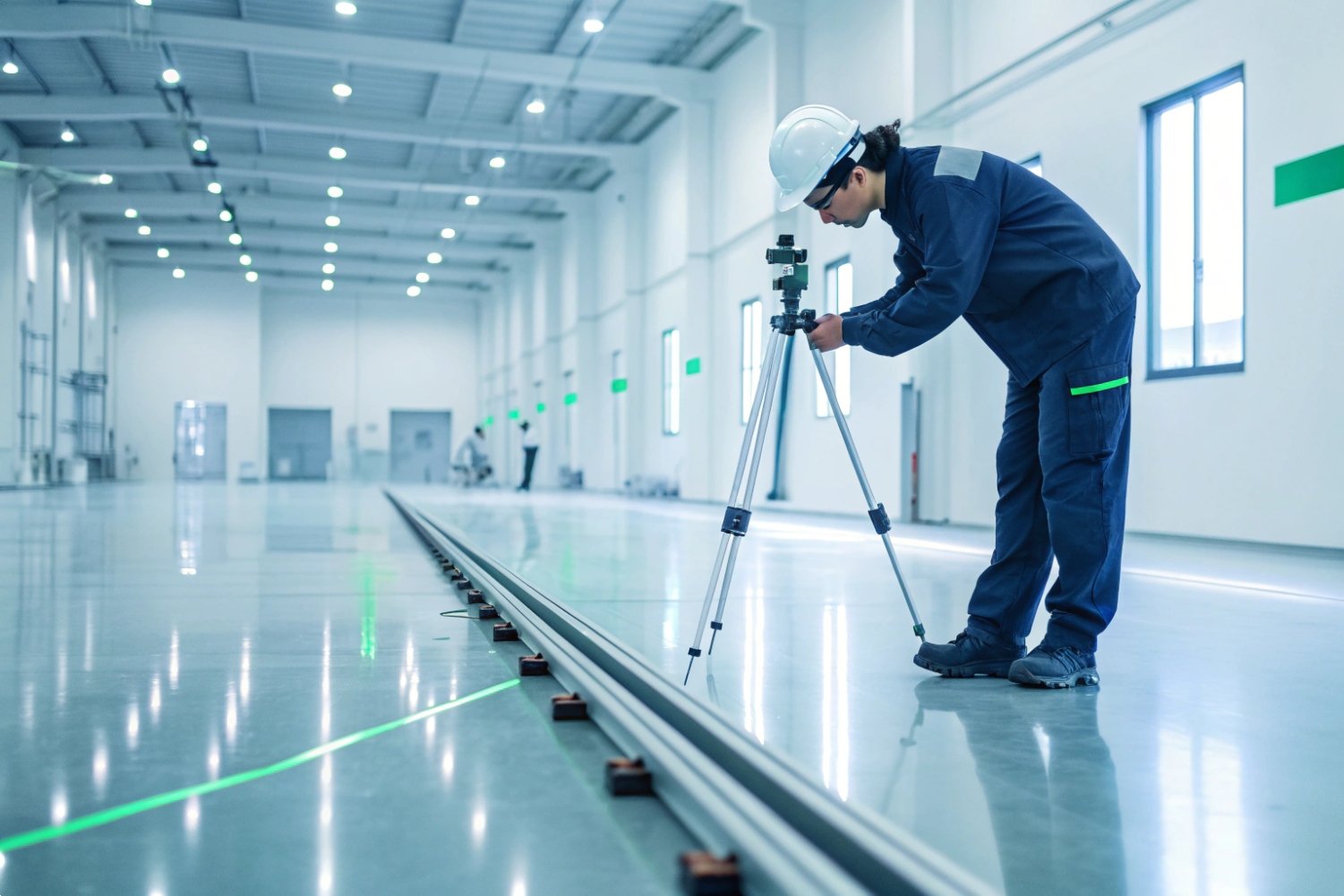
Reducing the Risk of "Bad Batches"
In my 20 years of experience, I’ve learned that the biggest fear for a buyer like David is inconsistency. You might get one good shipment, and the next one is junk. A 100% quality guarantee means the manufacturer has a real process in place. We use SGS-certified testing 9 and check every single batch for material composition.
We don't just "sample" parts. We check the dimensions of every finished piece. If a bolt hole is 1mm off, the part doesn't ship. This saves you from the nightmare of having a machine torn down on-site only to find the new part doesn't fit.
Faster Troubleshooting and Support
When a company stands behind its products, they provide technical data. If you have a question about the heat treatment depth or the type of oil used in our rollers, we give you the answer immediately. We provide material test certificates (MTC) so you know exactly what you are putting on your machine.
The Value of a Long-Term Partner
For a B2B buyer, a guarantee is about more than just a refund. It is about a relationship. You need a supplier who understands your business. If a part does fail, you need a replacement on the next plane, not a month of arguing over emails.
- Transparency: We provide photos and videos of your specific order being tested.
- Accountability: Our ISO 9001 certification 10 isn't just a piece of paper; it’s our operating manual.
- Security: You can tell your clients with confidence that your machines are maintained to the highest standards.
By choosing a manufacturer that offers a total quality guarantee, you are choosing to sleep better at night. You know that your equipment is ready to work when the sun comes up.
Conclusion
Choosing quality Hitachi undercarriage parts is the smartest way to lower costs and boost machine life. By focusing on durability, fitment, and a strong guarantee, you protect your investment and your reputation.
Footnotes
1. Explore different steel alloys and how they improve industrial component durability. ↩︎
2. Technical explanation of how induction hardening increases the wear resistance of steel. ↩︎
3. A comprehensive guide to maintaining heavy equipment undercarriage systems for peak performance. ↩︎
4. Learn how to measure track pitch to determine wear in crawler equipment. ↩︎
5. Resource for understanding hydraulic system components and their maintenance requirements. ↩︎
6. Maintenance tips to prevent common failures in heavy machinery final drive motors. ↩︎
7. Information on high-strength structural steel used in heavy-duty manufacturing. ↩︎
8. Design principles and benefits of using forged parts for high-stress applications. ↩︎
9. Overview of quality assurance and testing services provided by global certification leaders. ↩︎
10. Official standards for quality management systems ensuring consistent product excellence. ↩︎