
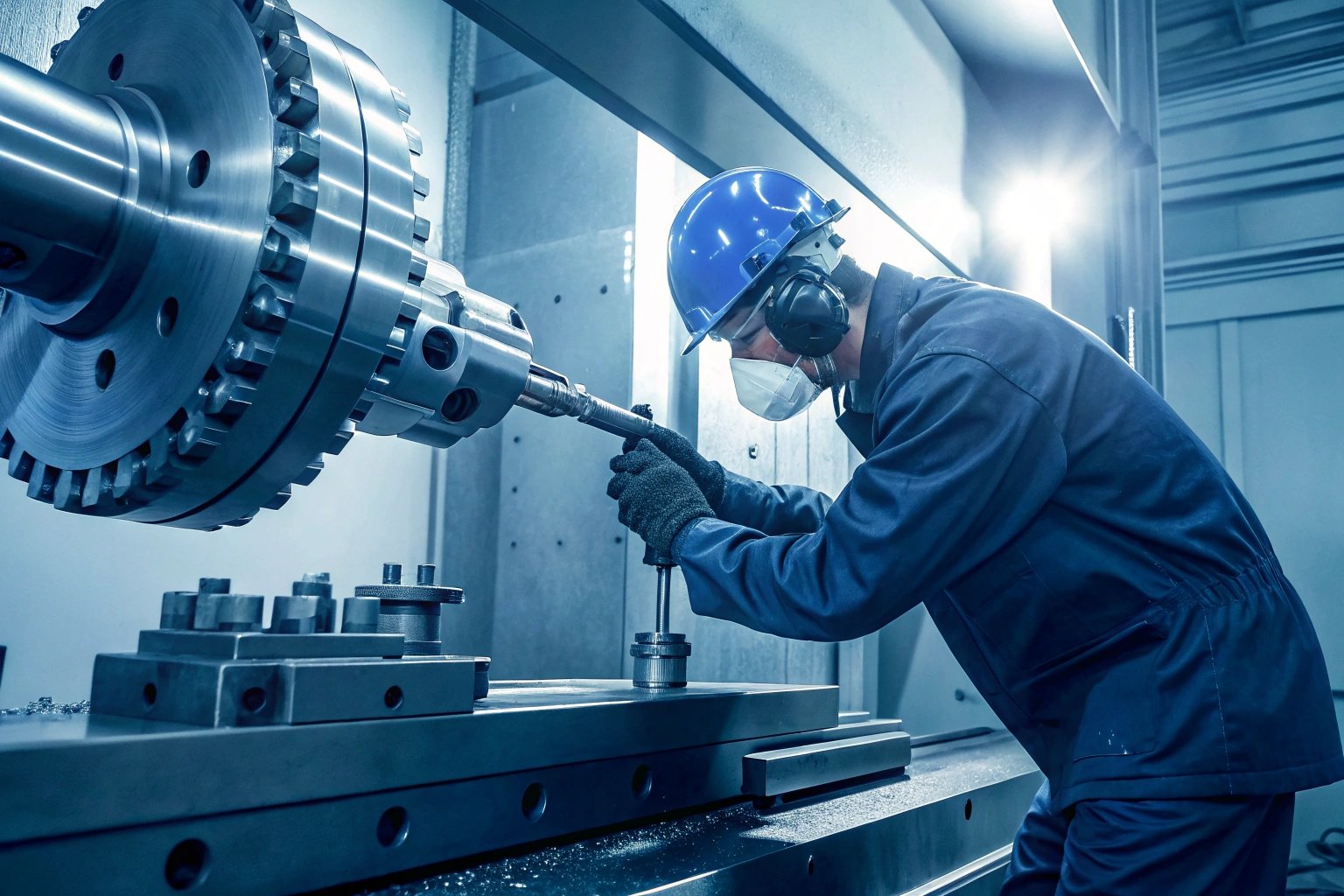
Ensuring the quality of undercarriage parts for excavators hinges on thorough in-process inspections that confirm the parts’ integrity throughout production. These inspection points verify that parts meet design specifications 1 and achieve the longevity and performance that operations demand.
From raw material checks to final assembly tests, knowing these checkpoints will help ensure the entire manufacturing process maintains high standards.
Do they perform dimensional checks after machining?
Dimensional accuracy ensures components fit and function correctly, preventing assembly issues down the line.
Make sure the supplier verifies dimensions like bores, lengths, and diameters against tight tolerances right after machining.
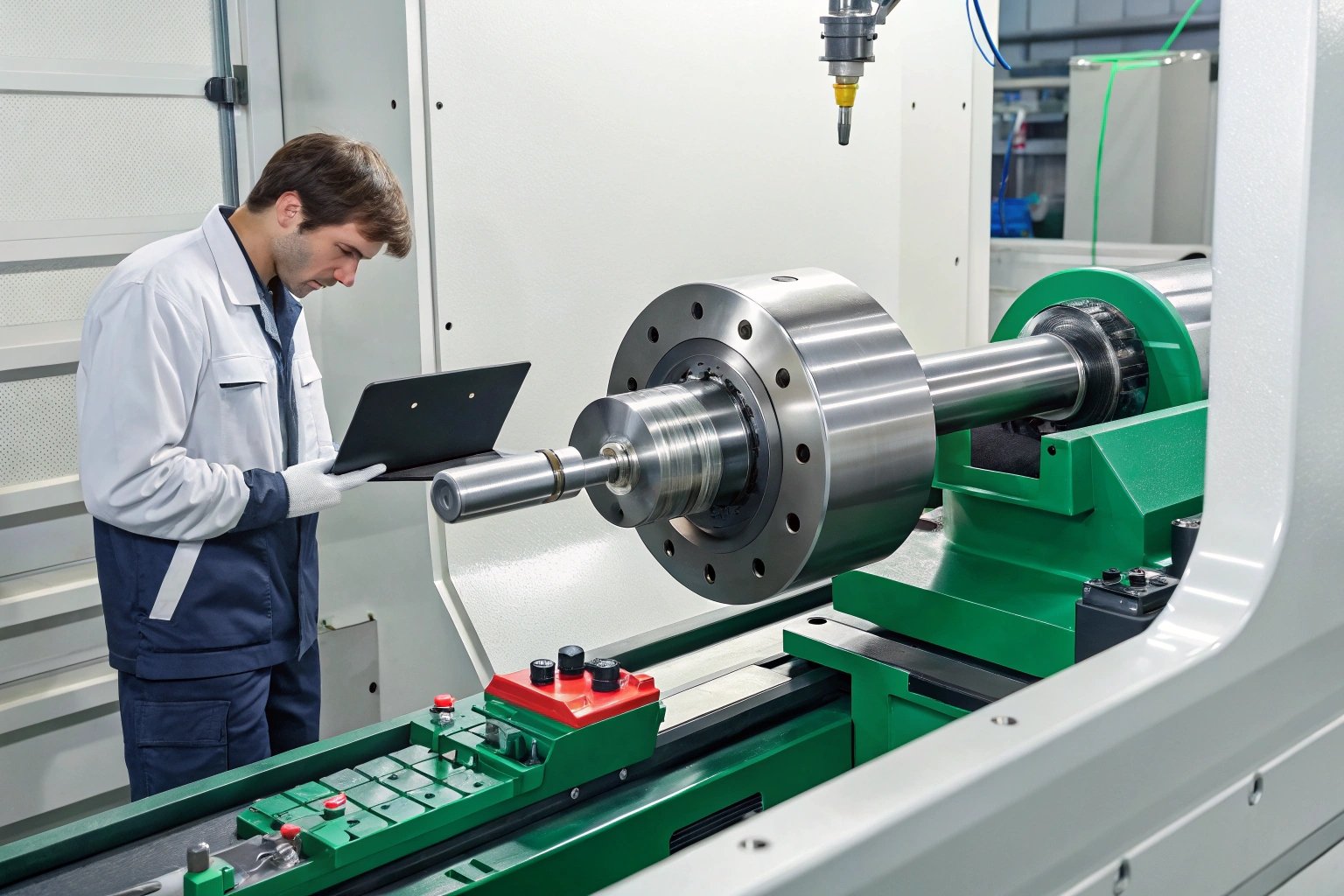
Dimensional inspection focus
- Critical Dimensions: Measure key areas per mechanical engineering design 2 for proper fitment.
- Tolerance Verification: Check against allowable variations, typically +/- 0.2 mm or as specified.
- Measurement Tools: Use calipers 3, micrometers, and coordinate measuring machines (CMM) for precision.
Dimensional inspection essentials
| Aspect | Importance | Tools |
|---|---|---|
| Key Areas | Prevent assembly issues | Calipers, micrometers |
| Tolerances | Maintain design integrity | Coordinate measuring machines |
How do they test for hardness and case depth after heat treatment?
Heat treatment is critical for achieving desired hardness and durability in undercarriage parts.
Suppliers should perform hardness testing (like Rockwell or Brinell) and verify case depth through microhardness testing.
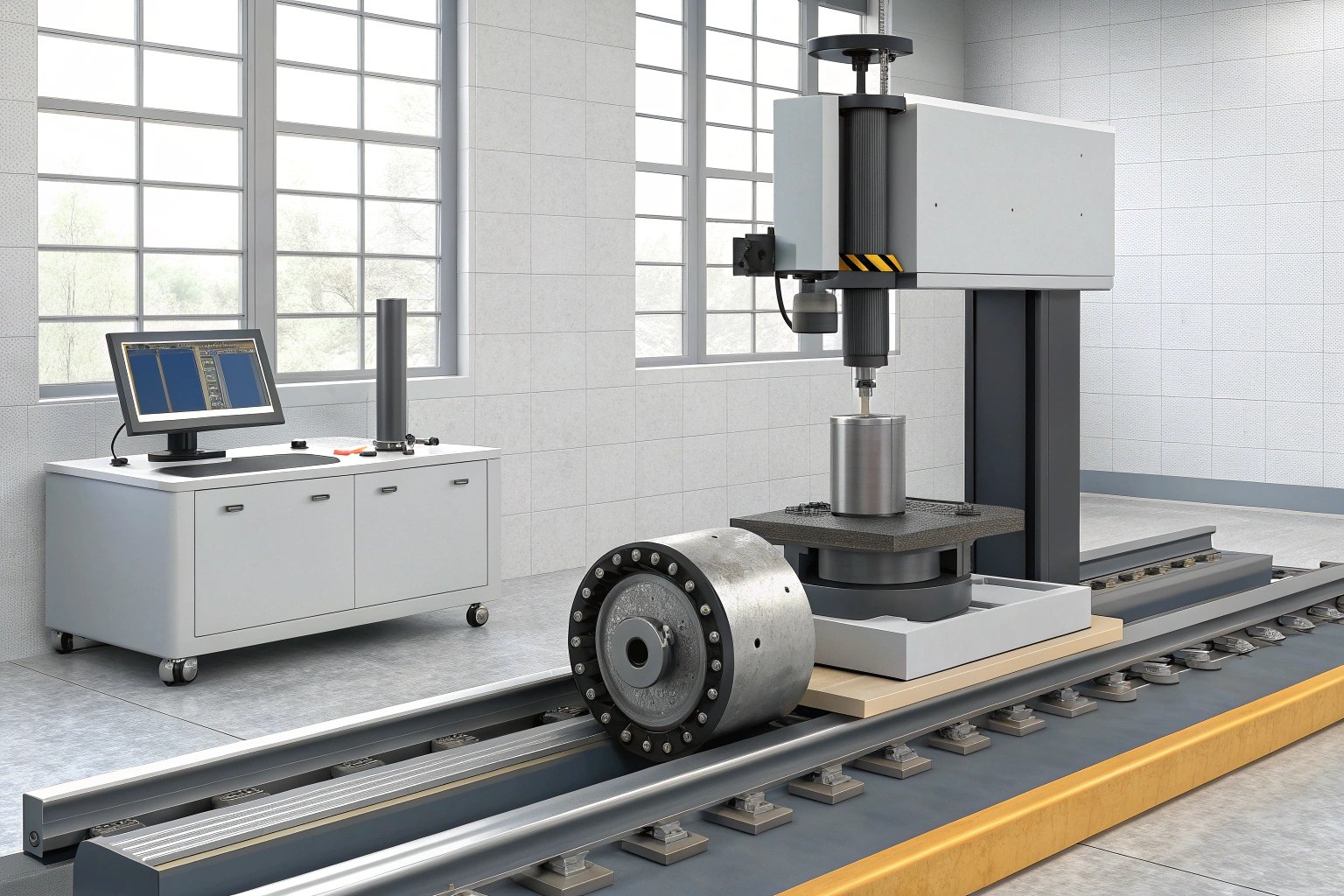
Hardness testing protocols
- Surface Hardness: Verify Rockwell hardness scale 4 (HRC) values, typically aiming for 53–58 for wear resistance.
- Core Testing: Ensure core hardness aligns with softer levels for flexibility.
- Case Depth: Confirm through metallography 5 or microhardness profiling to validate treatment depth.
Case depth assurance
| Attribute | Method | Outcome |
|---|---|---|
| Surface and Core Hardness | Rockwell/Brinell tests | Durability and flexibility |
| Verification Method | Microhardness testing | Depth validation |
Do they conduct any non-destructive testing (NDT) like magnetic particle or ultrasonic testing?
Non-destructive testing identifies sub-surface flaws that could compromise part integrity.
These tests—like ultrasonic or magnetic particle inspections—detect cracks or voids without damaging the part.

NDT methods
- Magnetic Particle Testing (MT): Identifies surface and shallow subsurface defects in ferromagnetic materials 6.
- Ultrasonic Testing (UT): Uses high-frequency sound waves 7 to detect internal faults like inclusions or cracks.
- NDT Benefits: Provides assurance of material integrity without harm.
Non-destructive inspection
| Technique | Use | Advantages |
|---|---|---|
| MT & UT | Detect subsurface flaws | Ensures integrity without damage |
| Application | Critical stress areas | Safety and reliability check |
Is there a final assembly inspection to check for fit and function?
Final inspections are vital for verifying that all parts fit together seamlessly and function as intended.
Check that the supplier performs fit, form, and function tests on assembled units before packaging and delivery.

Final inspection validation
- Assembly Check: Ensure all components align correctly in heavy machinery subunits 8.
- Function Tests: Validate operation under simulated working conditions 9.
- Precision: Verify that all assemblies work without excessive play.
Assembly integrity
| Inspection Point | Role | Verification |
|---|---|---|
| Fit, Form, Function | Operational integrity | Simulated testing |
| Component Alignment | Ensure proper operation | Correct assembly |
Conclusion
Knowing key in-process quality inspection points—such as dimensional checks, hardness testing, non-destructive testing, and final assembly inspections—ensures excavator undercarriage parts 10 are durable, reliable, and effective for demanding conditions.
Footnotes
1. Overview of international standards for technical design and manufacturing quality. ↩︎
2. Resource for mechanical engineering standards and best practices in design. ↩︎
3. Guide to precision measuring instruments used in industrial manufacturing. ↩︎
4. Detailed explanation of various scales and methods for hardness testing. ↩︎
5. Introduction to the study of the physical structure and components of metals. ↩︎
6. Scientific definition and properties of materials suitable for magnetic testing. ↩︎
7. Technical applications of ultrasonic technology for industrial flaw detection. ↩︎
8. Information on complex component systems in heavy earthmoving equipment. ↩︎
9. Community insights and field discussions on heavy equipment performance. ↩︎
10. Industry-leading information on undercarriage components for tracked vehicles. ↩︎