
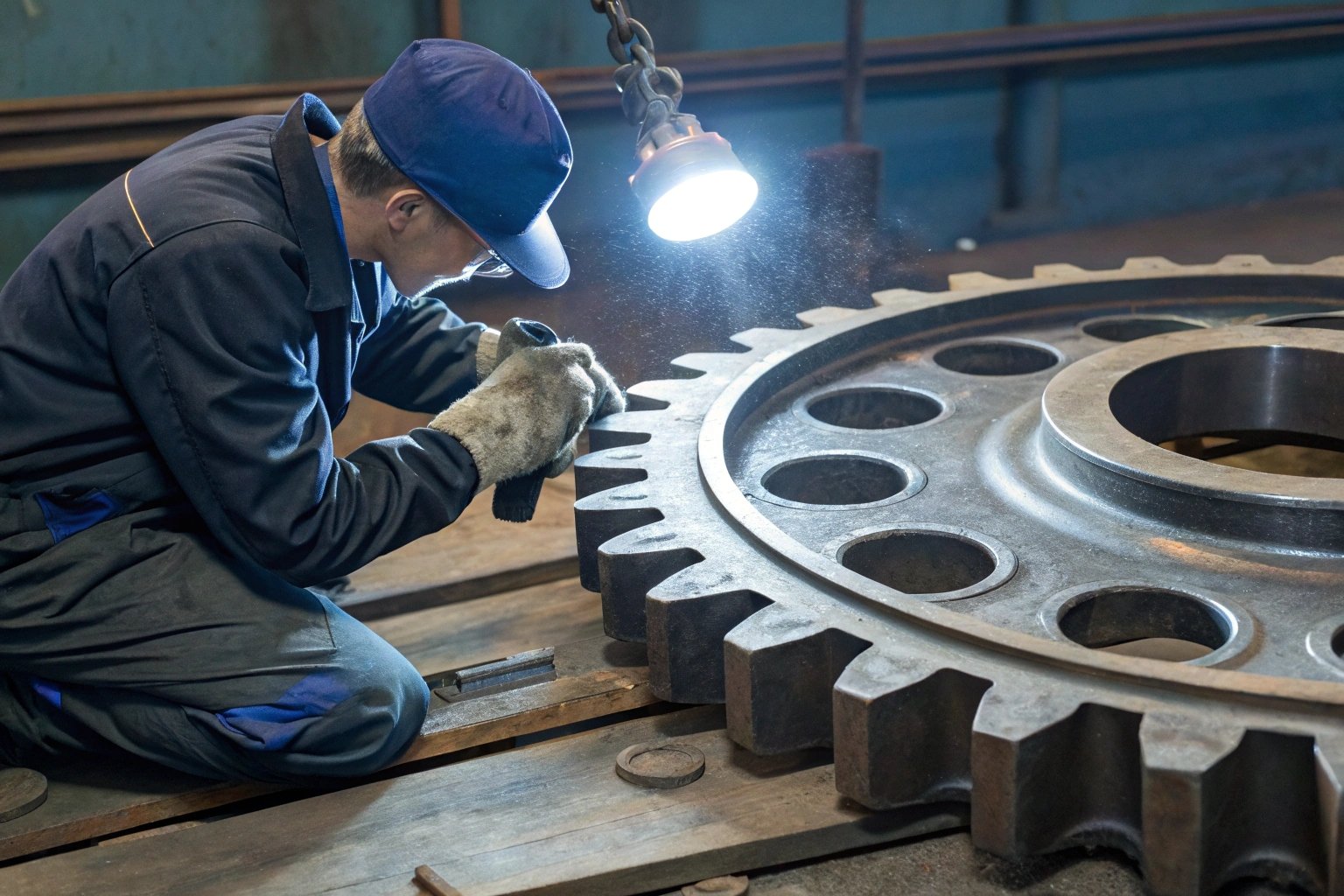
Distinguishing between forged and cast parts in heavy machinery like excavators is crucial. Each manufacturing process possesses unique characteristics that impact part performance, durability, and cost.
Understanding these differences can help you ensure optimal part selection and supplier transparency, ultimately affecting equipment reliability and cost efficiency.
What are the visual differences between a forged and a cast part I can look for?
Visual inspection can reveal critical production method clues.
Forged parts typically have a more uniform grain flow and smoother surface finish, whereas cast parts often bear casting seams or a rough texture.
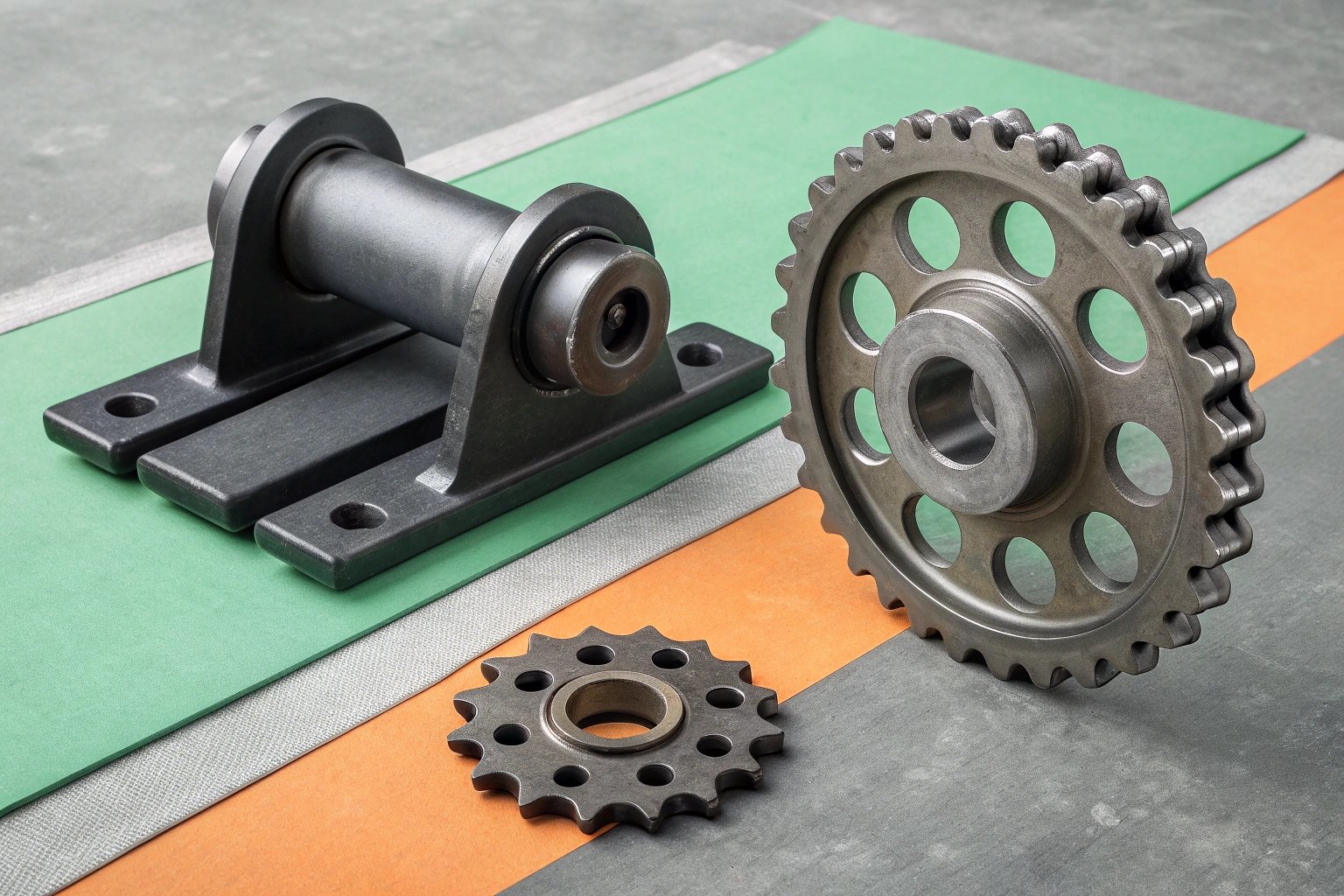
Visual inspection cues
- Surface Texture: Forged parts generally feature a smoother, more uniform surface. Cast parts might have surface roughness 1 and exhibit visible casting marks.
- Seam Characteristics: Forging produces precise parting lines 2, while casting can show broader or rough casting marks.
- Grain Flow: Forged parts often display visible grain flow patterns 3 due to the deformation process, whereas this is absent in cast components.
Visual differences table
| Attribute | Forged Parts | Cast Parts |
|---|---|---|
| Surface | Smooth, uniform | Rough, irregular |
| Seam Lines | Precise | Broad, irregular |
| Grain Flow | Visible flow lines | Absent |
Why is forging generally considered superior to casting for these specific parts?
Forging enhances mechanical strength and resilience under stress.
Forging generally provides superior strength and durability due to greater material density and grain flow alignment when compared to casting, making it suitable for high-impact applications like excavators.
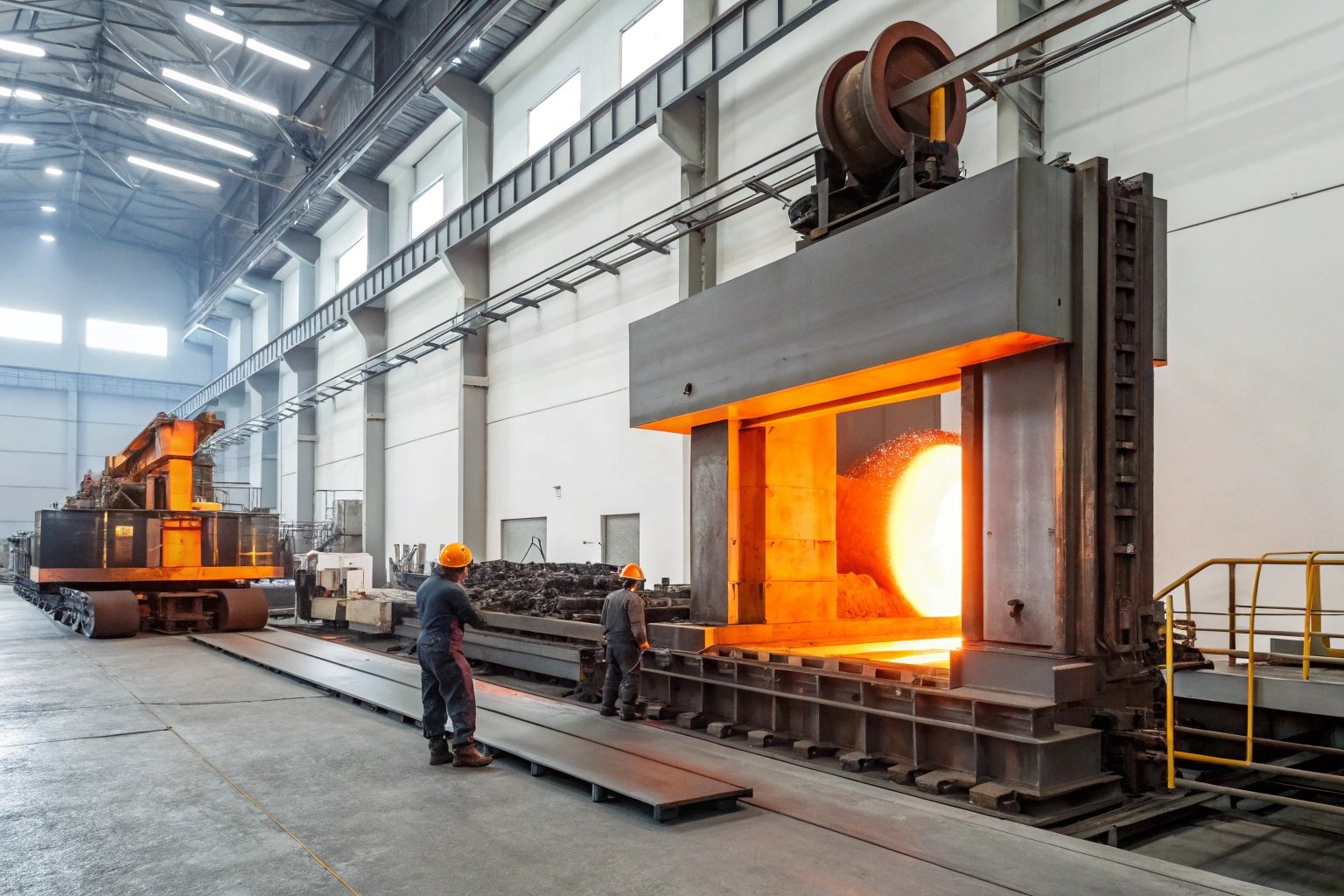
Advantages of forging
- Strength: Enhanced mechanical properties due to grain refinement and alignment.
- Durability: Better resistance to wear and fatigue life 4, crucial for heavy-duty environments.
- Density: Typically denser, reducing internal porosity 5 and improving structural integrity.
Forging vs casting
| Property | Forging | Casting |
|---|---|---|
| Strength | High | Lower |
| Durability | Superior | Moderate |
| Density | Greater | Variable |
Does the production method significantly impact the part's final price?
Manufacturing processes directly affect part costs.
Yes, forging is generally more expensive due to higher tooling and operational costs but offers better long-term value through enhanced durability.
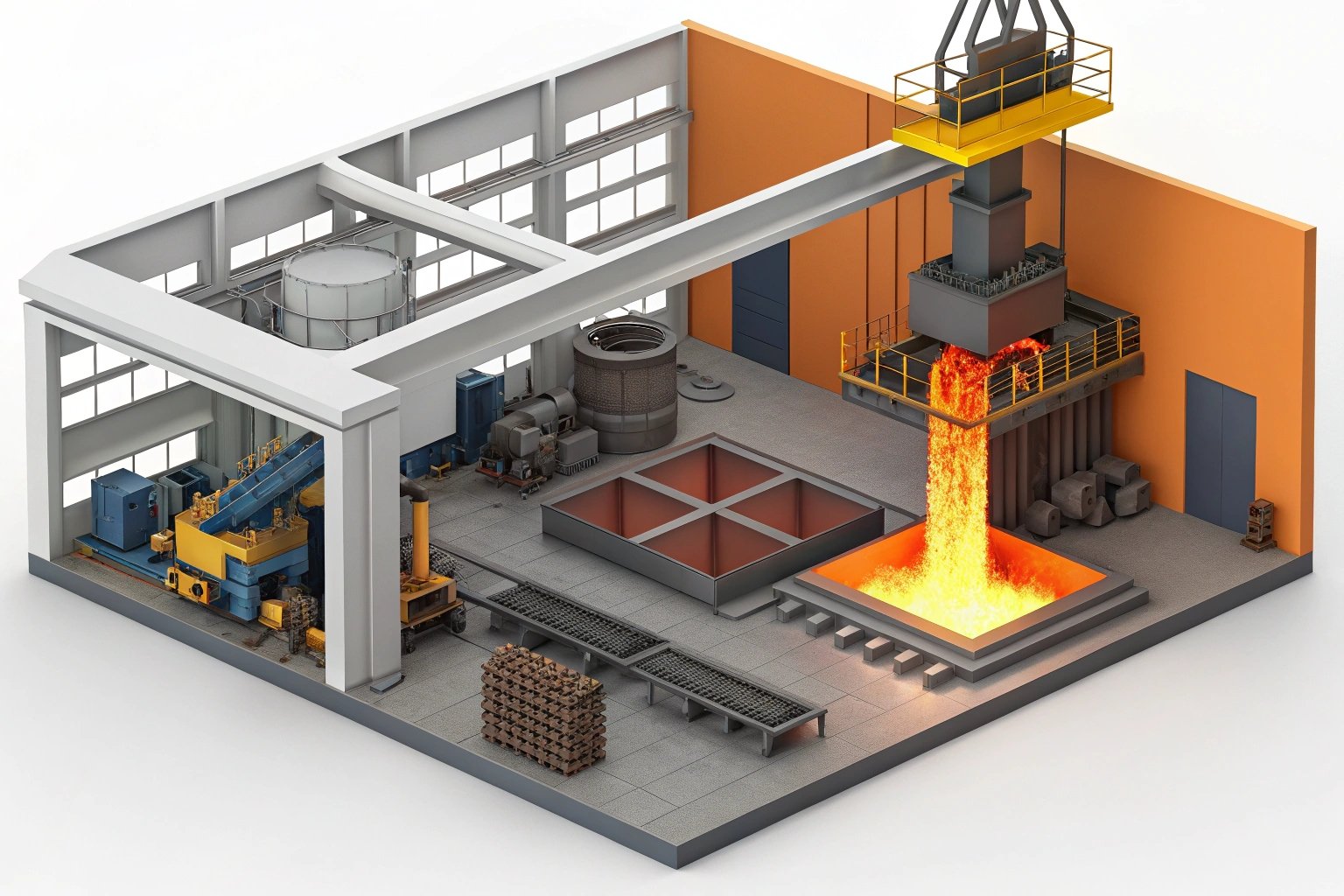
Cost implications
- Operation Cost: Forging requires significant energy and high-tolerance tooling 6.
- Material Efficiency: Less material waste in casting but may result in lower-quality output.
- Long-Term Value: Despite higher initial costs, forging may reduce equipment downtime 7 and replacement needs.
Cost comparison
| Factor | Forging | Casting |
|---|---|---|
| Initial Cost | Higher | Lower |
| Long-term Value | Greater | Lower |
Can I ask the supplier to specify the production method in my quotation and contract?
Clear communication ensures contractual understanding.
Yes, you should explicitly request that the supplier details the production method in both the quotation and contract to align with expectations and quality standards.
Specification inclusion
- Transparency: Clear documentation of methods ensures authenticity.
- Quality Assurance: Prevents discrepancies between expected and delivered parts via material test reports 8.
- Contractual Clarity: Reduces ambiguity in procurement contracts 9 and obligations.
Contractual transparency
| Detail | Importance | Outcome |
|---|---|---|
| Production Method | Transparency | Risk management 10 |
Conclusion
Knowing the differences between forged and cast parts for excavators enhances decision-making, ensuring optimal part application, supplier accountability, and cost management.
Footnotes
1. Understand how surface roughness affects friction and wear in industrial machinery. ↩︎
2. Definition and identification of parting lines in various molding and casting processes. ↩︎
3. Learn why directional grain flow improves the strength and toughness of forged components. ↩︎
4. Technical explanation of fatigue life and its importance in heavy equipment durability. ↩︎
5. Insight into how internal porosity affects the structural integrity of cast metal parts. ↩︎
6. Guide to high-tolerance machining and its impact on manufacturing precision and cost. ↩︎
7. Strategies for minimizing equipment downtime to improve operational efficiency and ROI. ↩︎
8. Importance of material test reports in verifying the quality of industrial hardware. ↩︎
9. Overview of procurement contracts and how to define technical specifications for suppliers. ↩︎
10. Global standards for risk management to ensure safety and reliability in engineering projects. ↩︎