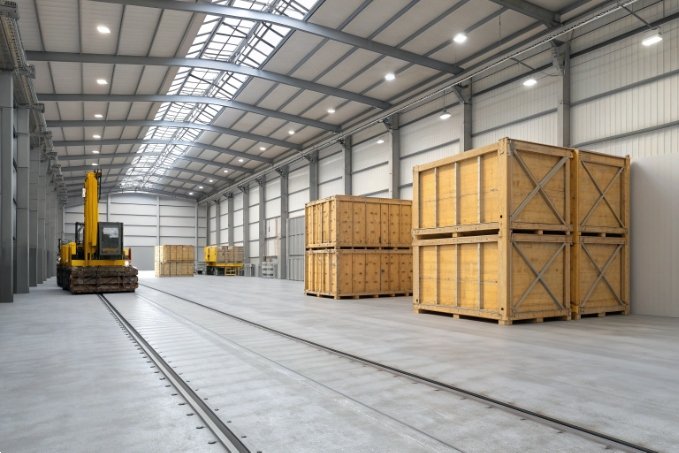
undercarriage parts
Deciding between Full Container Load (FCL) 1 and Less than Container Load (LCL) 2 for shipping undercarriage parts hinges on shipment volume 3, urgency,

Deciding between Full Container Load (FCL) 1 and Less than Container Load (LCL) 2 for shipping undercarriage parts hinges on shipment volume 3, urgency,

Making your first foray into importing undercarriage parts 1 involves selecting a knowledgeable and trustworthy freight forwarder 2 to handle logistics adeptly. Select a
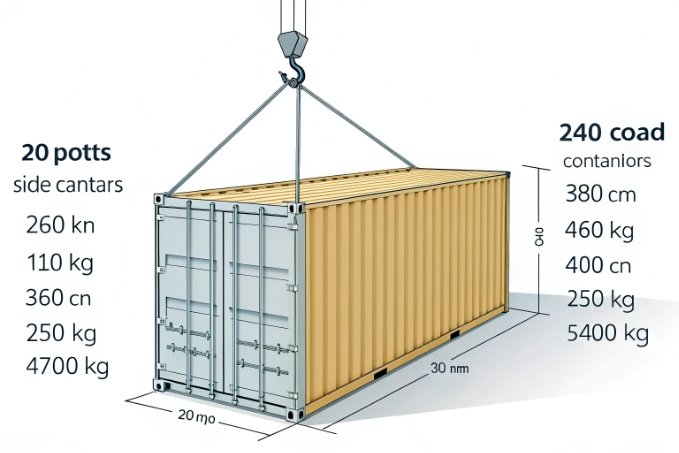
Searching for suppliers online Estimating the capacity for undercarriage parts in containers 1 revolves around understanding the container’s payload limits 2 and the parts’
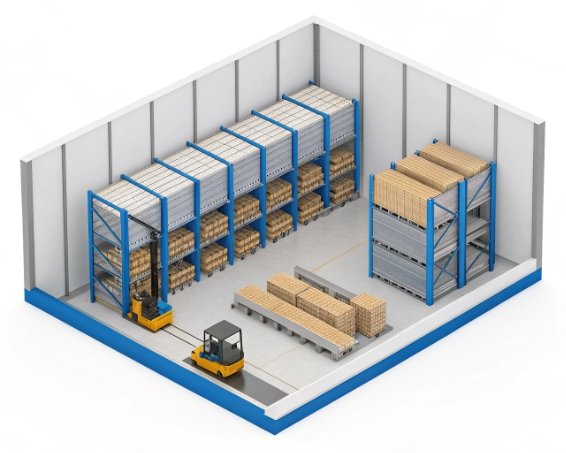
Understanding pallet specifics is crucial for logistical efficiency and cost-effectiveness 1 in transporting undercarriage parts 2 for excavators. Pallet details offer valuable insights for
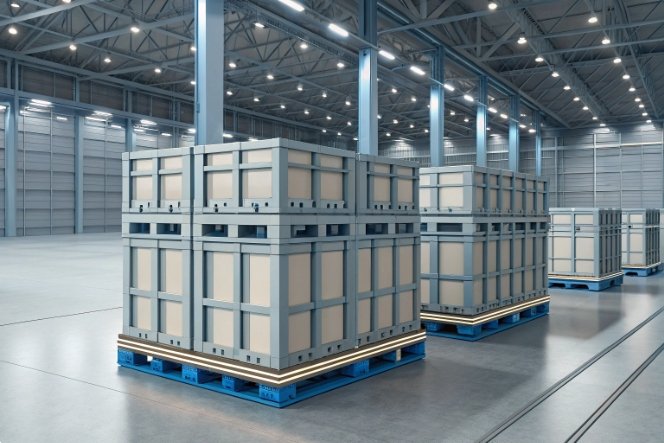
Custom packaging is a valuable option for undercarriage parts, offering tailored solutions 1 that protect and enhance brand presence 2. Custom packaging ensures optimal

Creating an effective Purchase Order (PO) 1 is crucial for ensuring clarity and compliance in the procurement of excavator undercarriage parts 2. A well-drafted
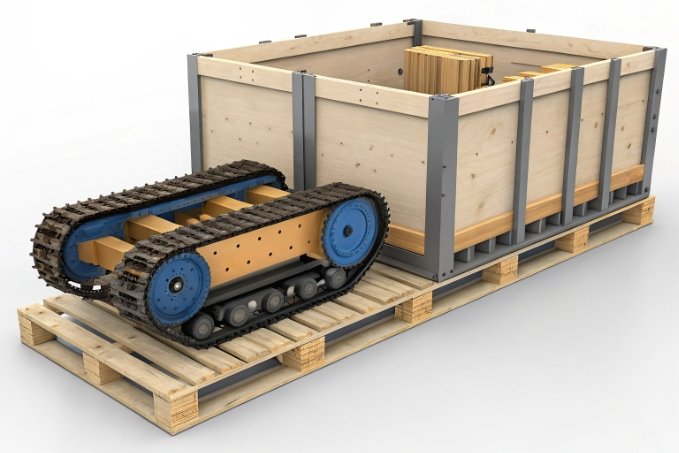
For safe sea transport 1 of heavy excavator undercarriage parts 2, robust packaging 3 is crucial to avoid damage, rust, and logistical issues 4.
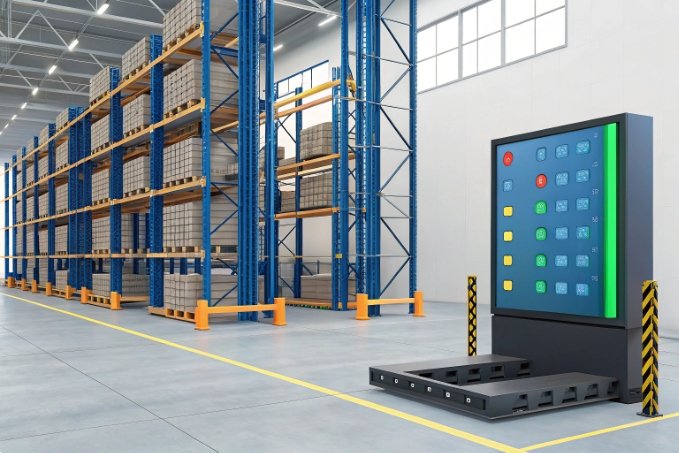
Assessing inventory levels for undercarriage parts is crucial for maintaining operational efficiency 1 and ensuring timely project execution 2. Knowing stock levels allows for
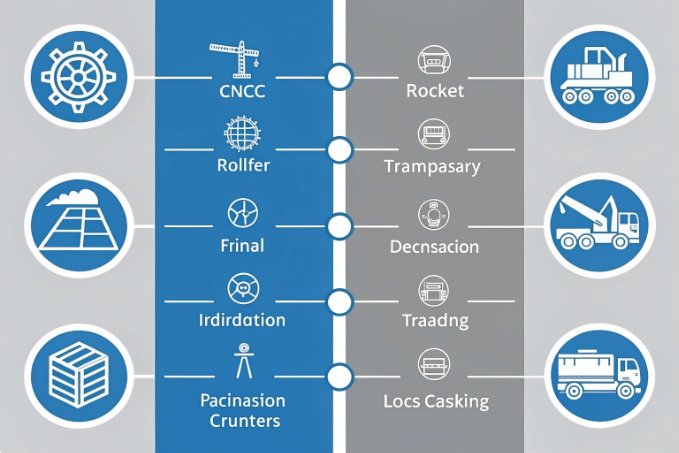
Understanding the distinction between "production time" and "delivery time" helps to manage expectations and logistics 1 when ordering undercarriage parts for excavators 2. "Production
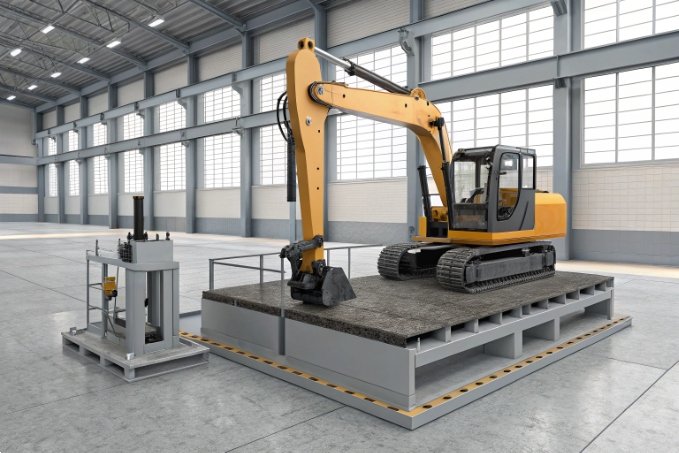
The mid-production inspection process is vital for ensuring quality and specification compliance 1 of excavator undercarriage parts 2 before final assembly and delivery. This
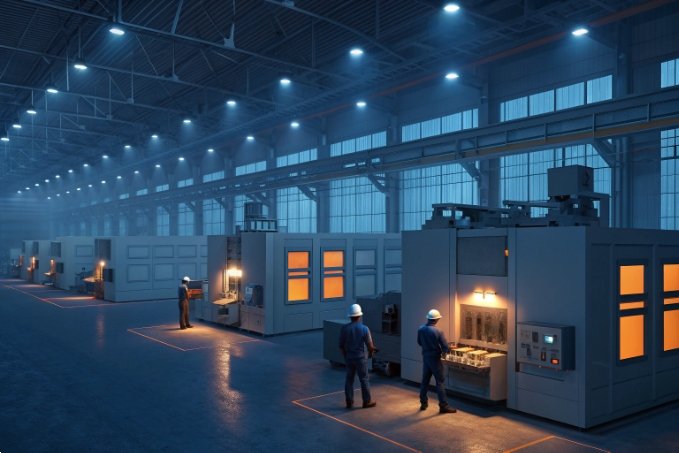
Suppliers manage rush orders by prioritizing production processes 1, often incurring additional expenses to meet urgent deadlines. Rush orders typically involve expedited processes 2 and

Evaluating a factory’s capacity 1 involves assessing production ability, equipment, worker skills 2, and logistics 3 to prevent delays in your order delivery. A