
Opening paragraph:
Every time I assess a supplier's quality, I first look at their test reports. They assure me that the bulldozer undercarriage parts are worth the investment.
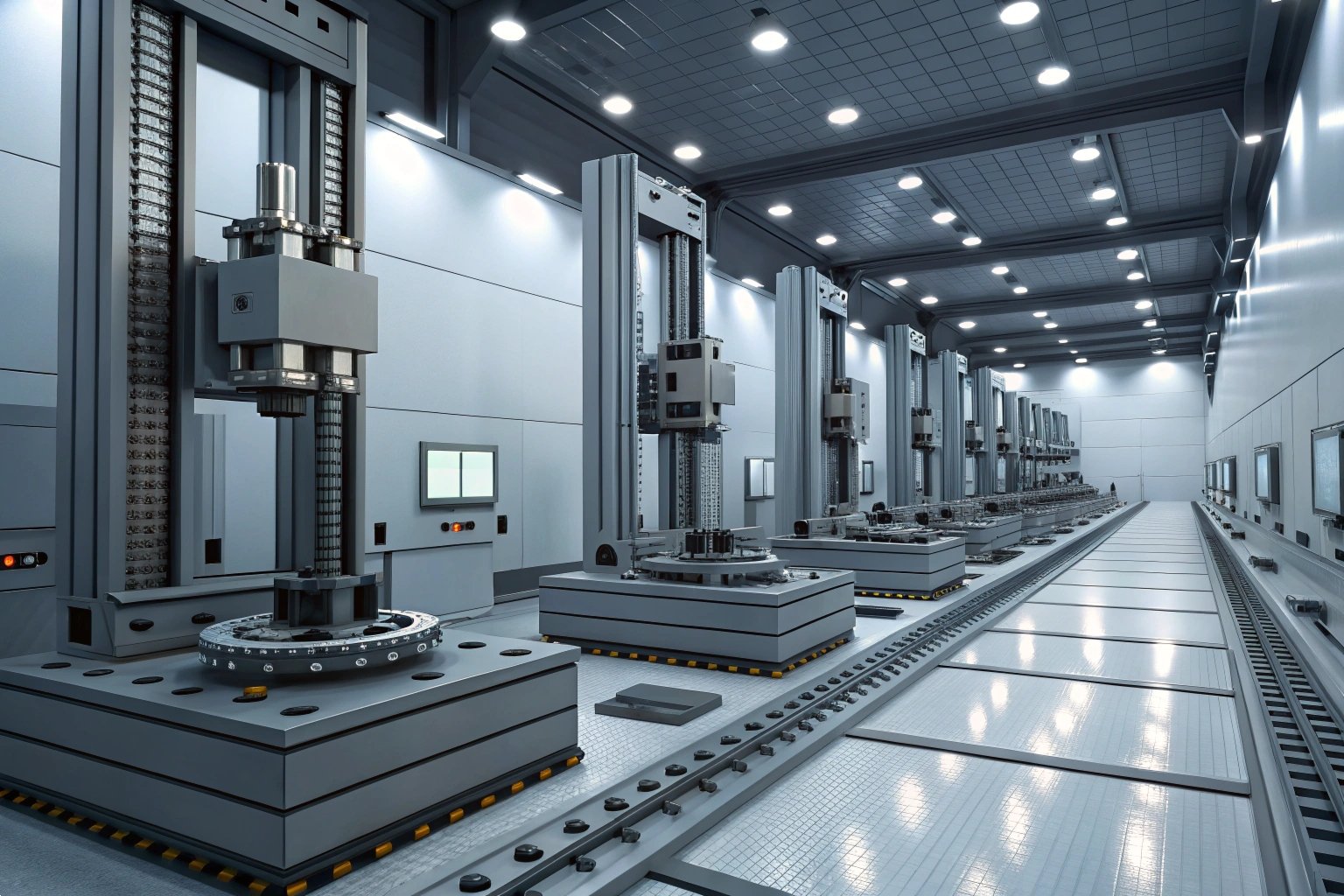
Understanding the rigorous testing methods our bulldozer undercarriage parts 1 undergo is vital for confirming their durability. Manufacturers perform fatigue and wear-resistance tests using virtual test rigs to simulate actual working conditions.
By examining these reports, you gain credibility that the parts can withstand harsh environments. These tests simulate repeated pressures and verify both fatigue and wear-resistance 2, crucial for long-lasting performance.
What equipment do you use to test for material hardness and case depth?
Opening paragraph:
An accurate assessment of material hardness and case depth can directly enhance product performance. I need to trust that the parts will hold up in demanding situations.
X-ray diffraction (XRD) and micro-hardness testers 3 are employed to evaluate the material hardness and case depth of our components. This equipment confirms that the surfaces are treated for optimal resistance against daily use.

When a manufacturer uses the right equipment, it ensures that the bulldozer parts can resist surface wear effectively 4. Equipment like XRD, micro-hardness testers, and metallurgical microscopes help determine the precise hardness levels and depth of treatment. Manufacturers conduct these tests to guarantee that parts like track links 5 can withstand abrasive environments. Without proper testing, parts may unexpectedly fail, causing operational downtime 6 and increased costs. Predicting wear patterns helps address these issues early, allowing timely replacements and reducing equipment failures. Testing officially links to standards like ISO, ensuring consistent quality 7.
Testing Equipment Comparison
| Equipment Type | Function | Usage Frequency |
|---|---|---|
| X-ray Diffraction | Measures crystalline structure alterations | Regularly |
| Micro-hardness Tester | Determines surface hardness levels | Batch Check |
| Metallurgical Microscope | Observes microscopic material structure | Detailed Analysis |
In-depth analysis increases focus on product longevity, with regular checks minimizing quality discrepancies. Accurate hardness and depth assessment is fundamental for creating long-lasting bulldozer parts, and each test assures reliable outcomes.
How do your parts' wear-life results compare against genuine OEM parts?
Opening paragraph:
I compare parts with genuine models to decide which ones will deliver superior performance in the field.
Our wear-life testing 8 shows that our bulldozer parts perform comparably to OEM parts due to advanced treatments and rigorous testing. Regular evaluations ensure reliability under harsh conditions.
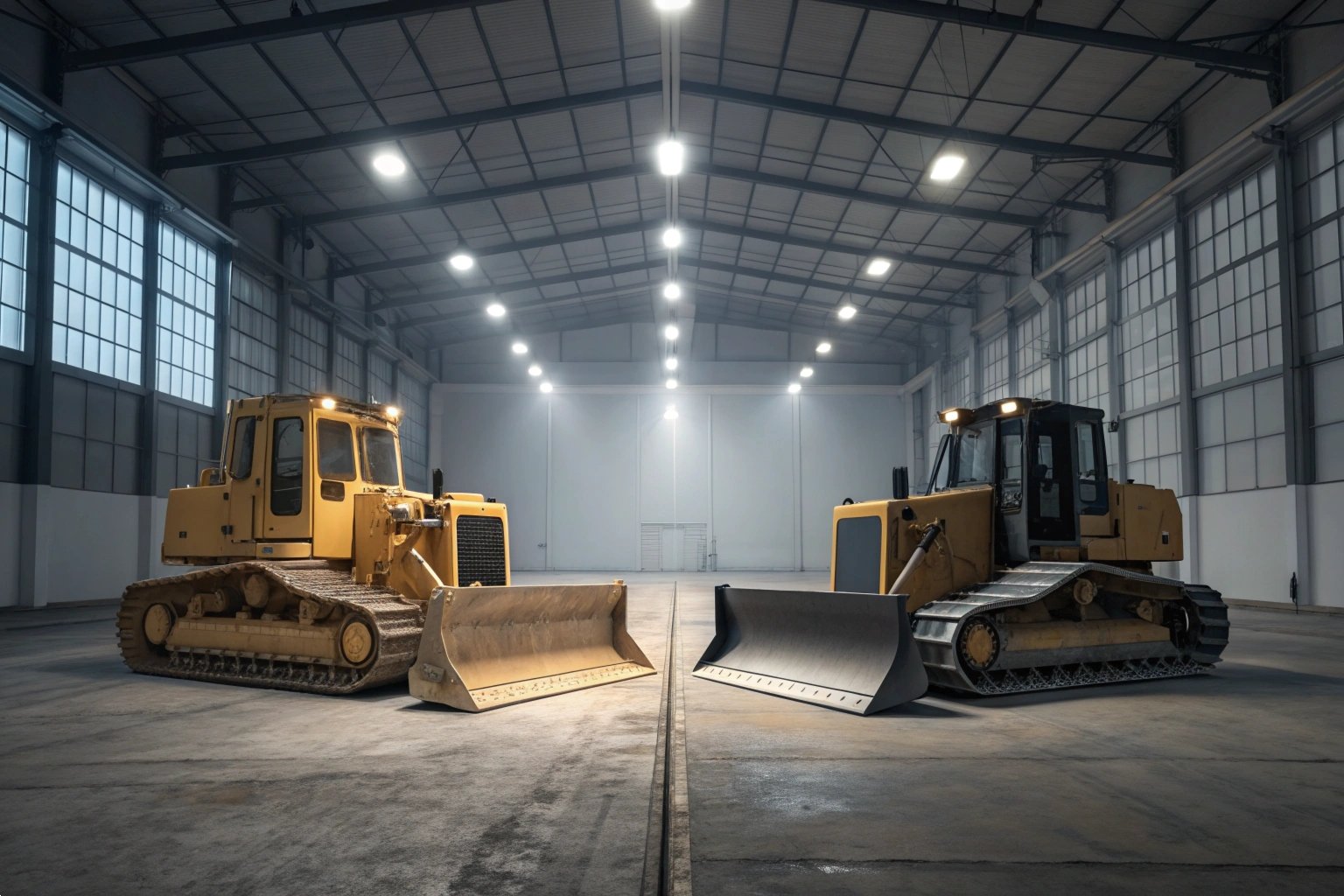
Comparison against genuine OEM parts tells much about a product’s caliber. Our wear-life results rely on standardized protocols 9 that measure abrasive, deformational, and corrosion resistance. This helps us match OEM standards in performance. Testing strategies such as real-time load simulations, precision cut analysis, and compliance verification protect against severe jobsite conditions. We consistently follow industry benchmarks, ensuring compatibility with major construction equipment brands. Reports confirm product longevity, empowering users to predict lifespan and performance accurately. Sharing test data gives further transparency, allowing comparison with OEM metrics for assured quality.
Wear-life Test Results
| Parameter | Our Tested Parts | Genuine OEM Parts | |
|---|---|---|---|
| Abrasion Resistance | High | High | |
| Deformation Control | Comprehensive | Effective | |
| Corrosion Protection | Enhanced | Optimal |
These results substantiate part consistency across varied environments, encouraging selection of expertly tested options for reliable usage. Methodical comparisons reinforce that our properly examined parts meet industry marks.
Opening paragraph:
Quantifying tensile strength 10 remains integral to maintaining structural integrity. I look at reports that back up claims about component resilience.
Our tensile strength data demonstrates that our track links can endure substantial force before deformation. This is achieved through metal alloy enhancements and precise engineering.
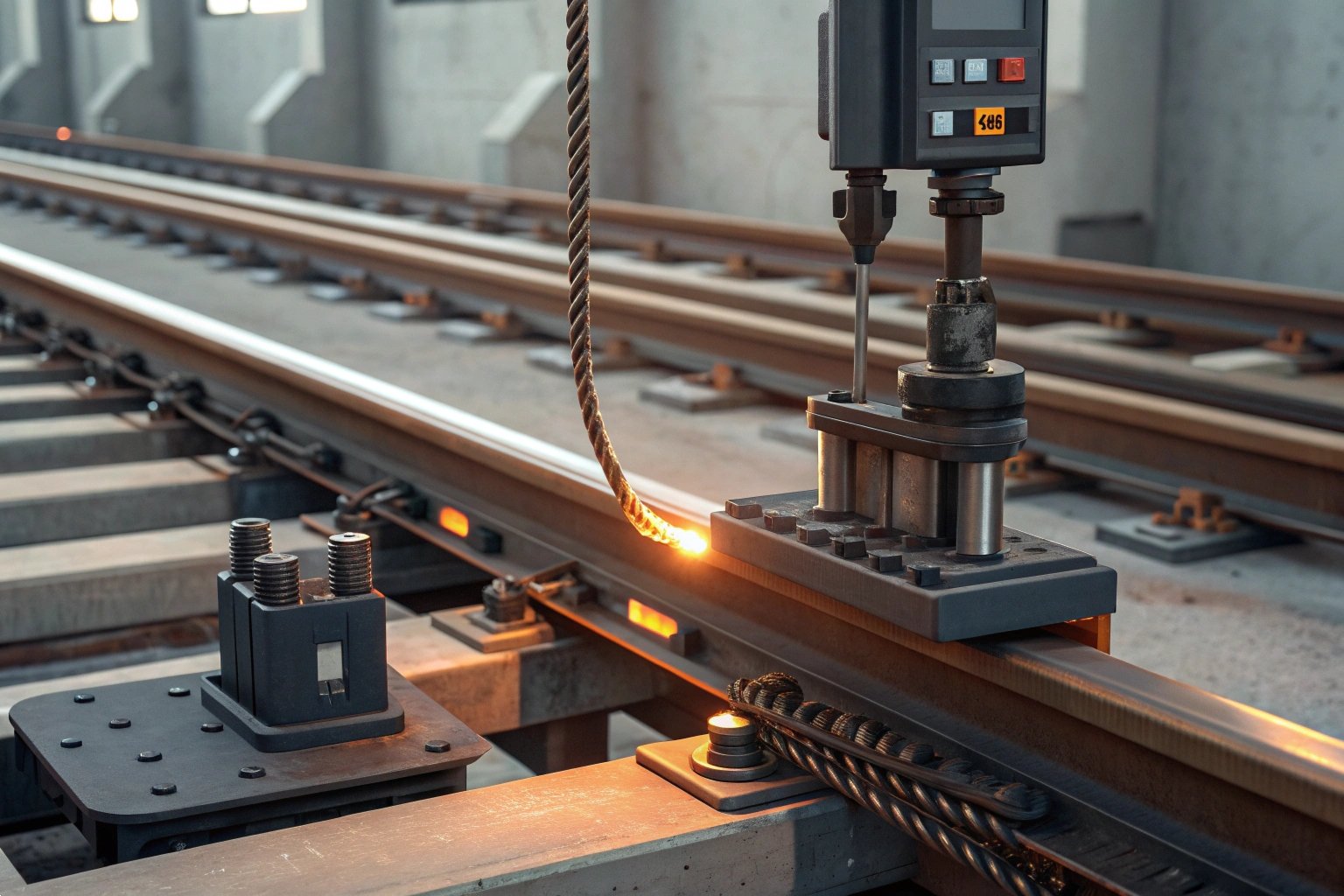
When tensile strength is tested, key properties defining how track parts withstand stress become clear. We measure using extensometers, stress-strain tests, and break load trials to establish robust, high-performance parts. Direct data guides optimal material choices, allowing compatibility with equipment specifications for reinforced structural elements. Testing identifies pressure thresholds our parts endure, confirming quality consistency with improved fabrication processes. Reports featuring tensile strength figures facilitate comprehensive assessments that guide informed decisions, with all tests reflecting industry protocols. Revealing detailed tensile analysis uncovers how advanced materials contribute to durability, enabling effective deployment in stress-intensive environments.
Tensile Strength Metrics
| Test Parameter | Measured Value | Industry Standard |
|---|---|---|
| Maximum Force (N) | 1500 – 1700 | 1500 |
| Deformation Limit (%) | 5% | 5% |
| Safety Margin | Comprehensive | Standard Range |
Achieving optimal tensile strength becomes feasible with correct educational insights alongside superior material incorporation. Recognized benchmarks show precision in part designs capable of tackling strenuous conditions.
Are these tests performed on every batch or just during R&D?
Opening paragraph:
Knowing whether tests are batch-specific helps assess product consistency. I need assurance that preferred components will sustain reliability.
Testing is systematically performed on every batch to ensure uniformity and reliability. Our detailed testing routine matches both R&D efforts and everyday production standards.
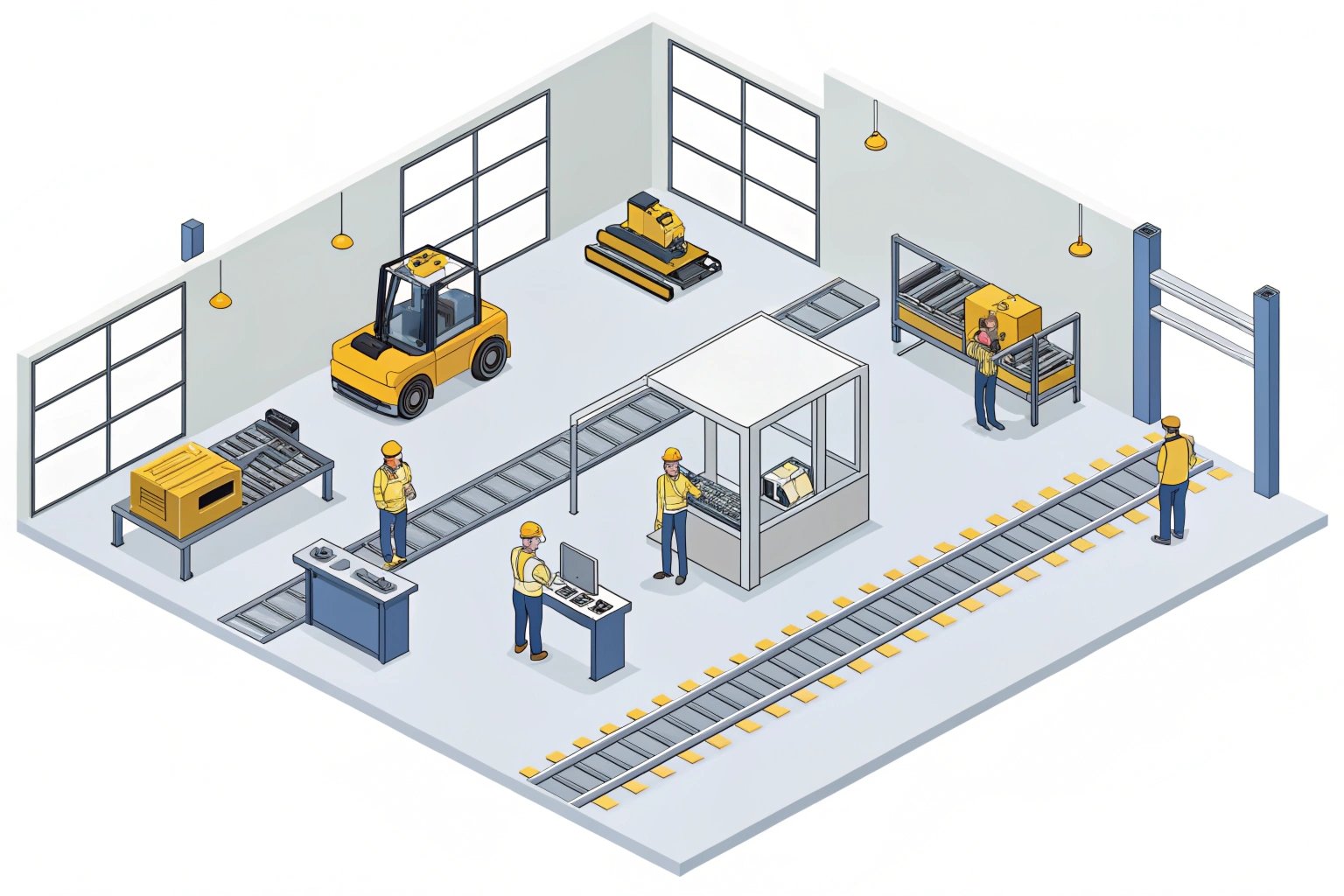
Batch-specific testing underscores a commitment to consistent quality rather than isolated testing during R&D phases. These ensure control and uniformity across all components, such as track links and rollers. Execution involves each batch undergoing full quality checks, addressing issues like wear resistance and fatigue in minute details. Documentation and systematic procedures nurture dependable outcomes, directly reflecting unit integrity. Collecting performance data on every batch reveals real-time evaluation and management with certifiable accuracy. Sustained high standards link directly with heightened durability, satisfying major client requirements through diligent monitoring without lapses.
Batch Testing Process
| Test Aspect | Frequency | Importance Level |
|---|---|---|
| Fatigue Assessment | Every Batch | Vital |
| Wear Resistance | Regular Evaluation | Foundational |
| Quality Compliance | Consistent | Crucial |
This setup ensures client confidence in parts' persistent reliability and resistance backed by regular verification, aligning core manufacturing objectives with superior assurance protocols.
Conclusion
Requesting test reports ensures bulldozer parts are reliable and meet your expectations in terms of performance and longevity. Continuous evaluation guarantees consistent quality once received.
Footnotes
1. Explore different types of bulldozer undercarriage parts and their functions. ↩︎
2. Detailed breakdown of mechanical testing for fatigue and wear resistance. ↩︎
3. Learn how XRD and micro-hardness testers are used for material evaluation. ↩︎
4. Insights into engineering solutions for effective resistance against surface wear. ↩︎
5. Comprehensive guide to track links for heavy machinery and their importance. ↩︎
6. Analysis of how equipment failure impacts operational downtime and supply chain management. ↩︎
7. Official website for ISO standards and how they ensure consistent quality. ↩︎
8. Case studies on wear-life testing for mining and heavy equipment components. ↩︎
9. American Society for Testing and Materials (ASTM) standards and testing protocols. ↩︎
10. Technical article explaining the concept of tensile strength in metal fabrication. ↩︎