
Selecting the Right Excavator Bucket for Optimized Performance
The excavator bucket is one of the most fundamental attachments for any excavator, playing a crucial role in maximizing operational efficiency. Whether you're in need of a standard digging bucket or a specialized excavator rock bucket, selecting the right bucket can make a significant difference in the performance and lifespan of your equipment.
Here are actionable tips to guide you in choosing the ideal excavator bucket based on your unique needs.
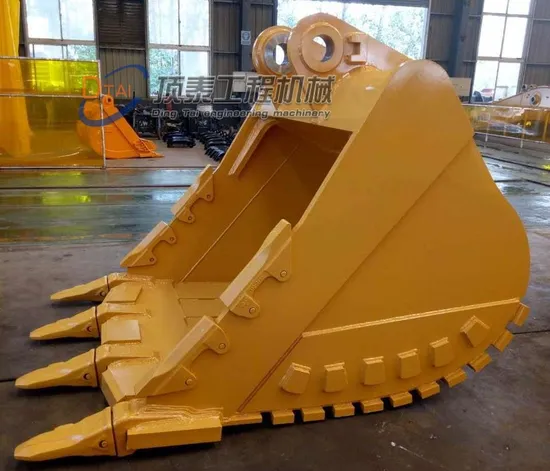
How to Select the Right Bucket?
Selecting the Bucket Type by Application
| Bucket Type | Applicable Scenarios / Uses | Applicable Working Environment |
|---|---|---|
| Standard Bucket | Suitable for general earthwork, almost applicable to any construction site. | Normal soil, sand, and gravel earthwork; usable for almost all engineering projects. |
| Rock Bucket | Specifically designed for excavating hard soil or rock, highly durable, and suitable for heavy-duty work. | Rock or hard soil environments; suitable for heavy-duty earthwork and rock excavation. |
| Grading/Leveling Bucket | Used for leveling land and precisely controlling the thickness of the soil layer. | Suitable for work sites requiring high precision such as land leveling and cleanup. |
| Trenching Bucket | Designed to be relatively narrow, suitable for precise trench excavation. | Primarily used for trenching, especially suitable for ditching projects requiring precise width. |
| Screening Bucket | Used for clearing large particles from the soil, or for screening and separating soil and sand. | Suitable for screening and separating fine particles or impurities in soil or sand. |
Selecting Bucket Size by Excavator Model
The dimensions of the bucket must correspond to the excavator being used, as different machine sizes necessitate different bucket capacities and widths. For example:
| Excavator Model No. | Recommended Bucket Size | Applicable Scenarios/Uses |
|---|---|---|
| Mini Excavator | 12 inch, 20 inch | Suitable for urban construction, small-scale excavation work, especially operations in narrow spaces. |
| Medium-sized Excavator | Approx. 1 cubic meter | Suitable for medium-scale earthmoving operations, such as small and medium construction sites and infrastructure construction. |
| Large Excavator | 10 cubic meters and above | Applicable for large-scale construction projects, rock excavation, and large-scale earthmoving operations. |
Selecting the Matching Bucket by Make and Model
| Bucket Type (Model) | Applicable Scenarios / Uses | Applicable Working Environment |
|---|---|---|
| Caterpillar 315 Bucket | Suitable for medium-sized earthwork, commonly used in construction and civil engineering. | Used for medium-sized earthwork, suitable for urban construction and infrastructure projects. |
| Caterpillar 320 Bucket | Suitable for various earthwork operations and infrastructure construction. | Medium-to-large earthwork projects, suitable for construction and civil engineering projects. |
| Kubota KX040-4 Bucket | Suitable for small excavators, especially for urban construction and landscaping. | Used in small-scale earthwork and construction in confined spaces, such as landscaping projects. |
Don't Forget Essential Attachments: Bucket Teeth and Pins
Bucket Teeth: Whether you're using a mini excavator bucket or a full-sized attachment, excavator bucket teeth play a crucial role in breaking through tough surfaces like rock or compacted soil. Over time, these teeth will wear down, so be sure to inspect and replace them as needed. We also offer bucket teeth for excavators, available in various types, ensuring you get the right teeth for your specific application.
Bucket Pins and Bushings: These secure the bucket to the excavator, ensuring a strong and stable connection. Worn-out excavator bucket pins can lead to instability and reduced performance. Regular checks and replacements of bucket pins and excavator bucket bushings will maintain your equipment's functionality.
Considering a Used Excavator Bucket? A Smart Option for Budget-Conscious Buyers
If your budget is limited, opting for a used excavator bucket can be a great cost-effective solution. We offer used buckets that have been thoroughly inspected, ensuring quality and performance. When purchasing a used excavator bucket, always check the condition of critical components like the bucket teeth and excavator bucket pins to ensure reliable performance. Additionally, our used excavator buckets for sale come with detailed wear assessments, making them a trustworthy choice for many projects.
Excavator Bucket Maintenance and Repair
Proper maintenance is key to extending the service life of your excavator bucket. Regular inspections, cleaning, and prompt repairs can help you avoid unnecessary downtime and expensive replacements. Here’s a checklist to help maintain your bucket:
- Inspect Bucket Teeth and Pins: Regularly examine the excavator bucket teeth for wear and tear. Replace them as needed to maintain efficiency.
- Clean the Bucket: Soil, sand, and debris can accumulate inside the bucket, reducing performance. Clean the bucket thoroughly to avoid any blockages.
- Lubricate Moving Parts: Keep the bucket’s moving parts, such as the bucket pins and pins and bushings, well-lubricated to reduce friction and wear.
We offer expert excavator bucket repair services, helping you keep your equipment in top condition.
Conclusion: Choose the Right Bucket for Efficient Operation
Selecting the ideal excavator bucket tailored to your needs is crucial for maximizing performance while reducing maintenance costs. Whether you need a standard digging bucket, a mini excavator bucket, or a specialized attachment like a rock bucket or grading bucket, we provide a range of options to suit your project. For those interested in purchasing, we also have a wide variety of excavator buckets for sale, including excavator buckets for mini excavators and used excavator buckets. If you're unsure which model best fits your needs, feel free to reach out to us. Our experts are ready to offer personalized advice based on your excavator make, project requirements, and budget.