undercarriage parts
We manufacture Case track cylinder pistons, the hydraulic components that convert oil pressure into linear force to tension excavator and bulldozer tracks. Factory-direct production supports

We manufacture Case track cylinder pistons, the hydraulic components that convert oil pressure into linear force to tension excavator and bulldozer tracks. Factory-direct production supports

Dingtai manufactures Case track guards that protect track chains, rollers, and idlers from rock impact and abrasive debris. We offer factory-direct supply and full OEM
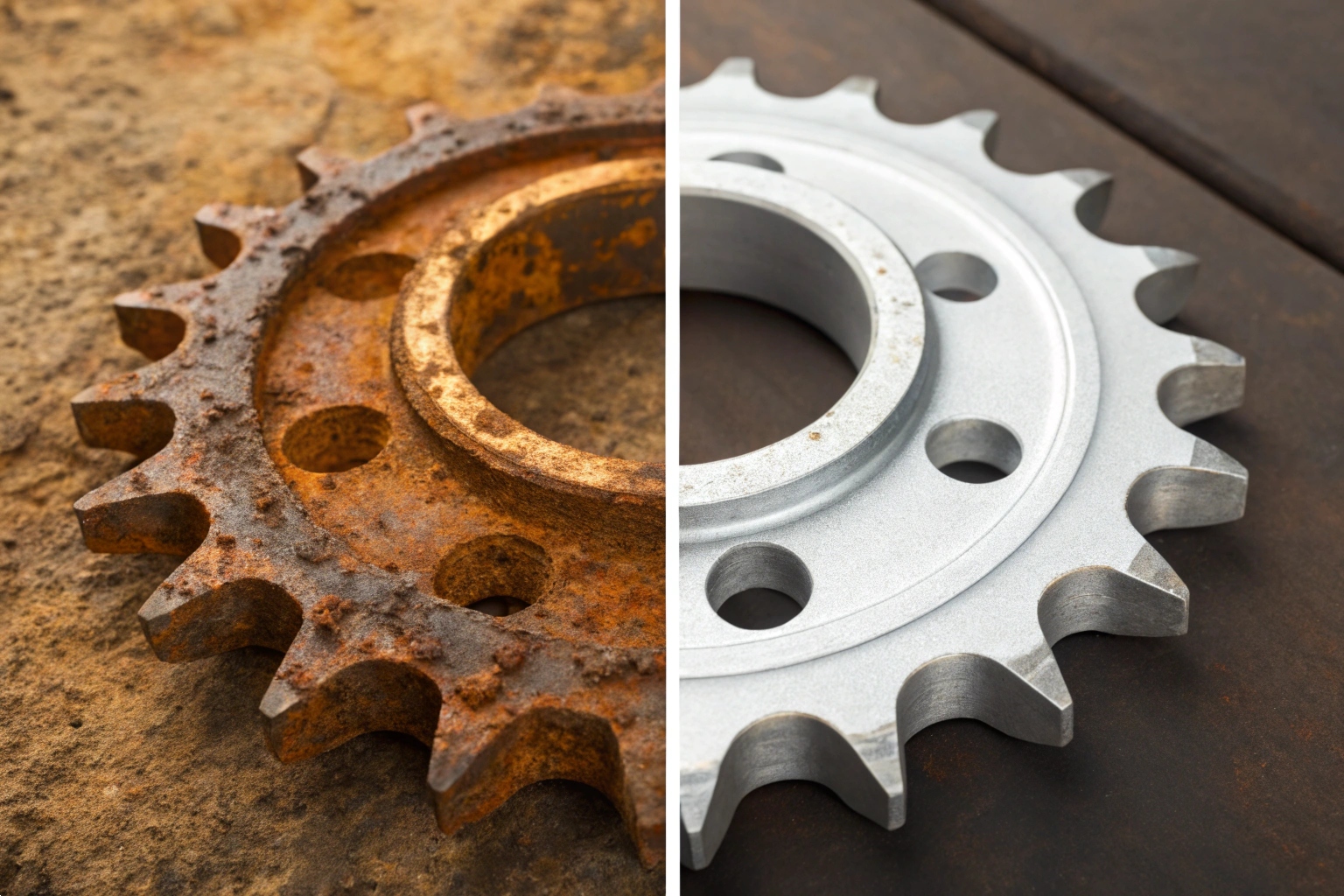
We manufacture Case track adjust assemblies, the hydraulic tensioning cylinders that maintain correct crawler track tension and alignment. Factory-direct production supports complete OEM manufacturing services,
Dingtai manufactures Case track shoes as forged undercarriage components that support machine weight and deliver traction in demanding ground conditions. Our factory-direct model provides global
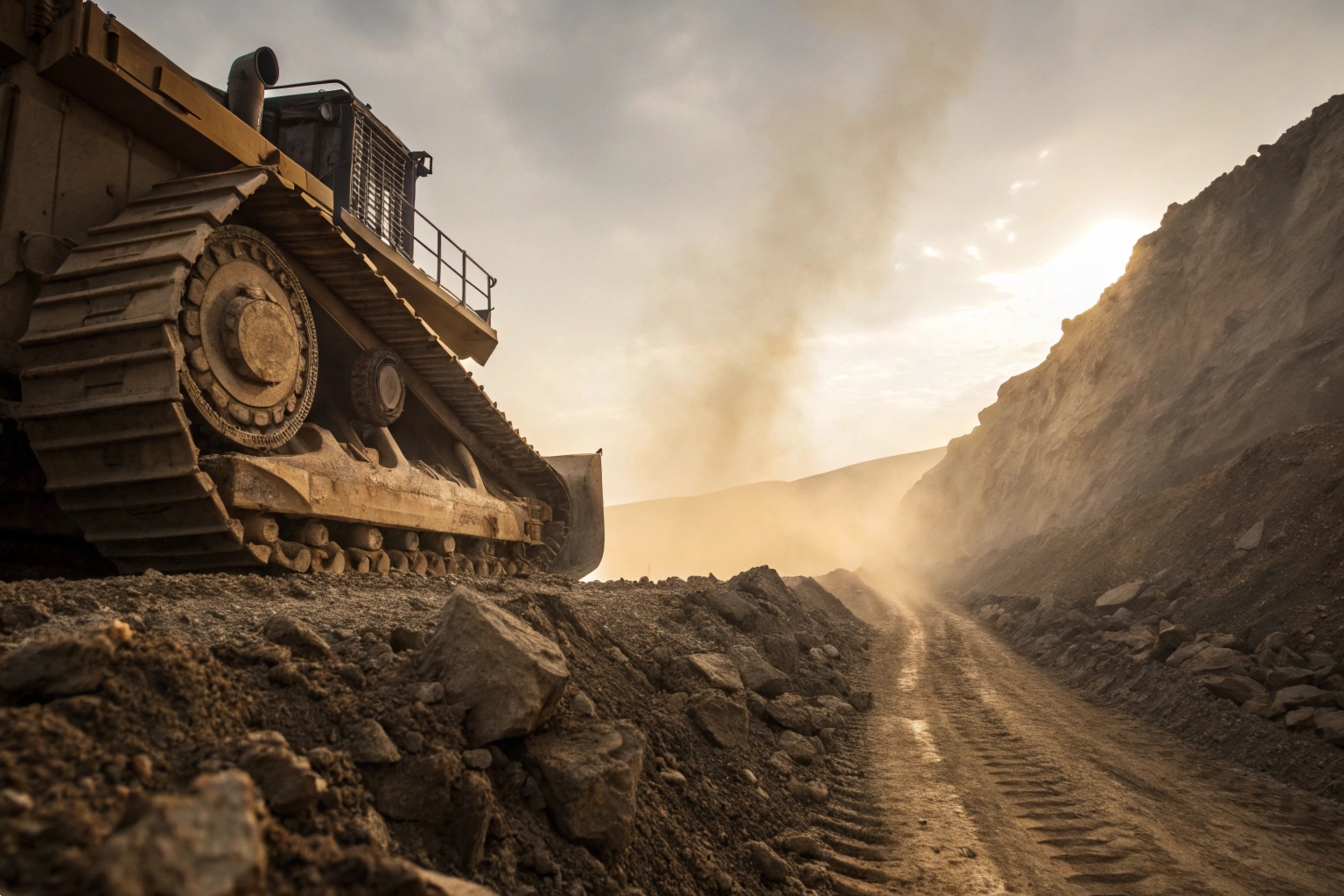
Dingtai manufactures Case idler assemblies that guide track chains and maintain precise track tension for excavators and dozers. We supply factory-direct replacement idlers with full
We manufacture Case sprockets as final drive components that transfer track drive force and engage track chain bushings to propel excavators and dozers. Factory-direct production
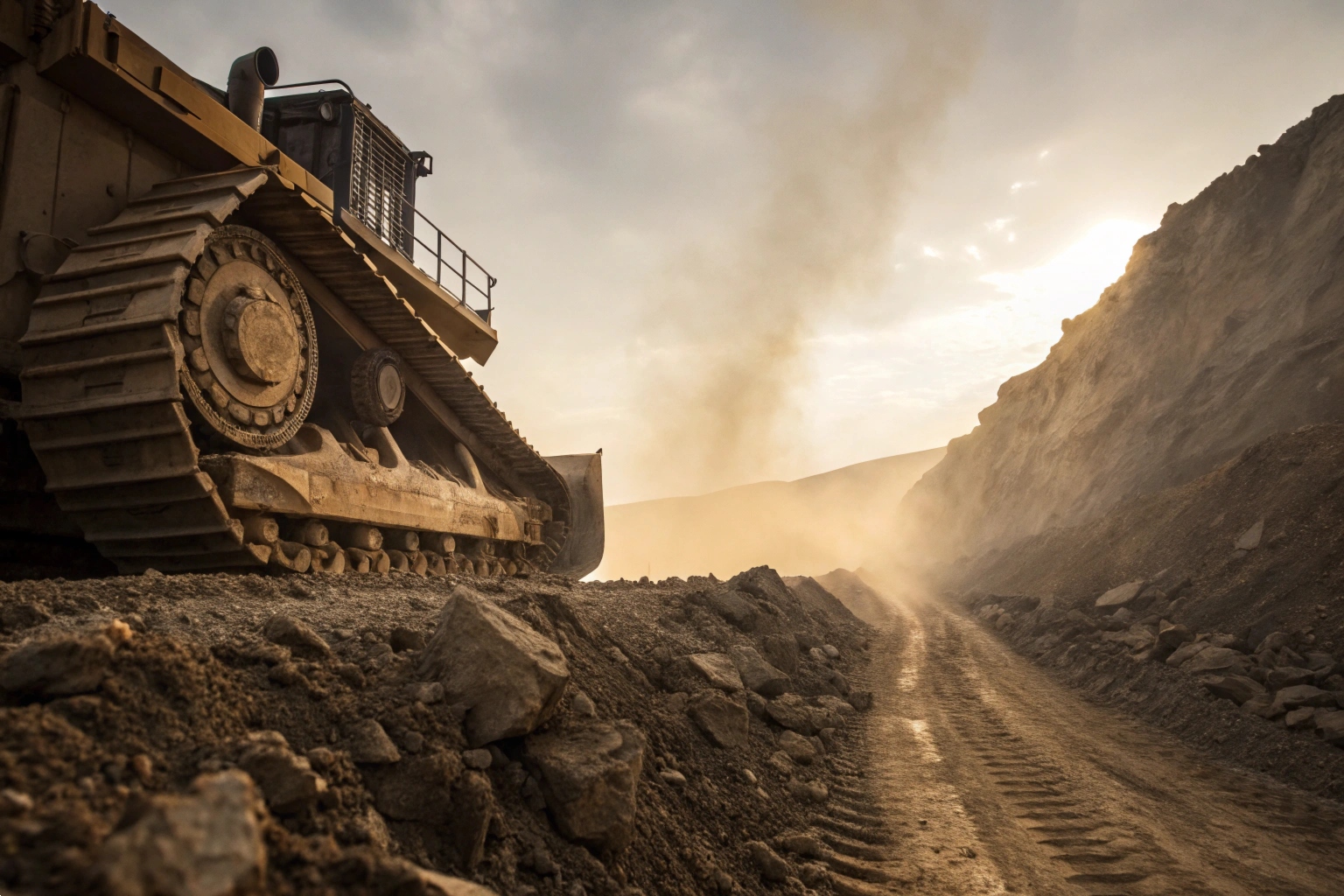
Dingtai manufactures heavy-duty Case carrier rollers, the undercarriage components that support track frame weight and guide upper track alignment. We operate as a factory-direct supplier,
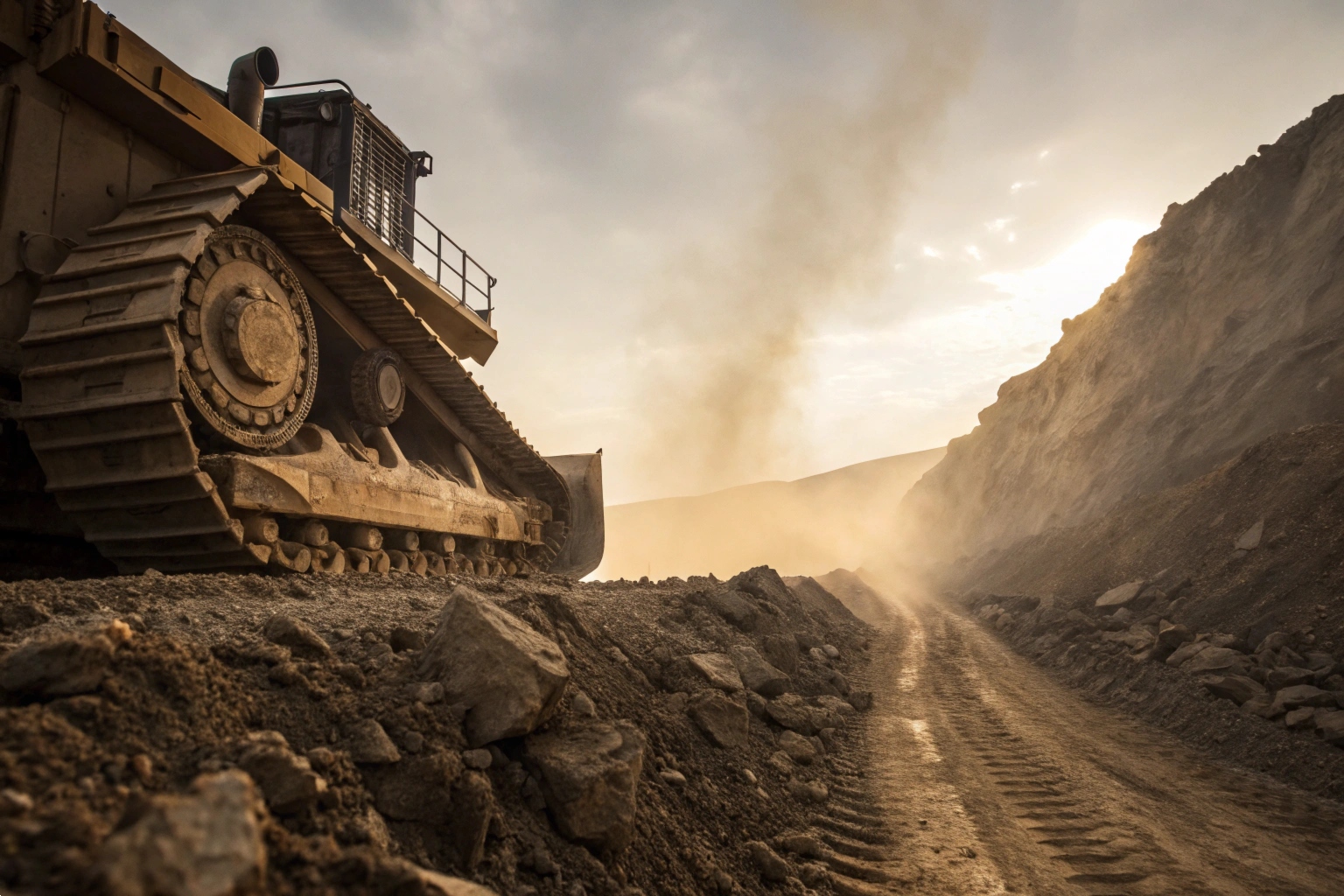
Dingtai manufactures heavy-duty Case track rollers, the critical undercarriage component that supports excavator weight and guides track movement under high-load conditions. We offer factory-direct sales
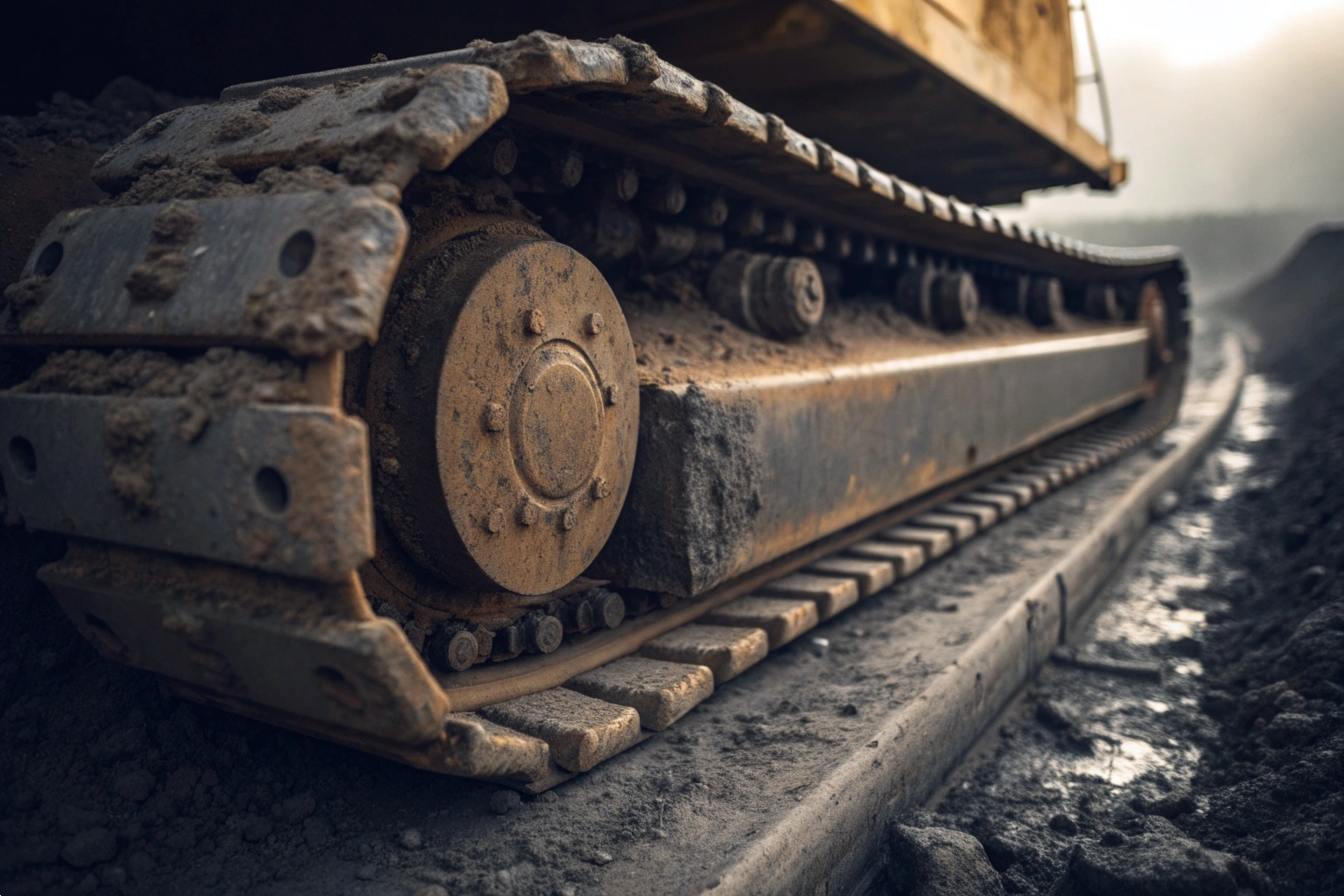
Dingtai manufactures complete Case track groups—chains, shoes, pins, bushings, and hardware—for crawler undercarriage traction and stability. We supply factory-direct track groups with full OEM manufacturing
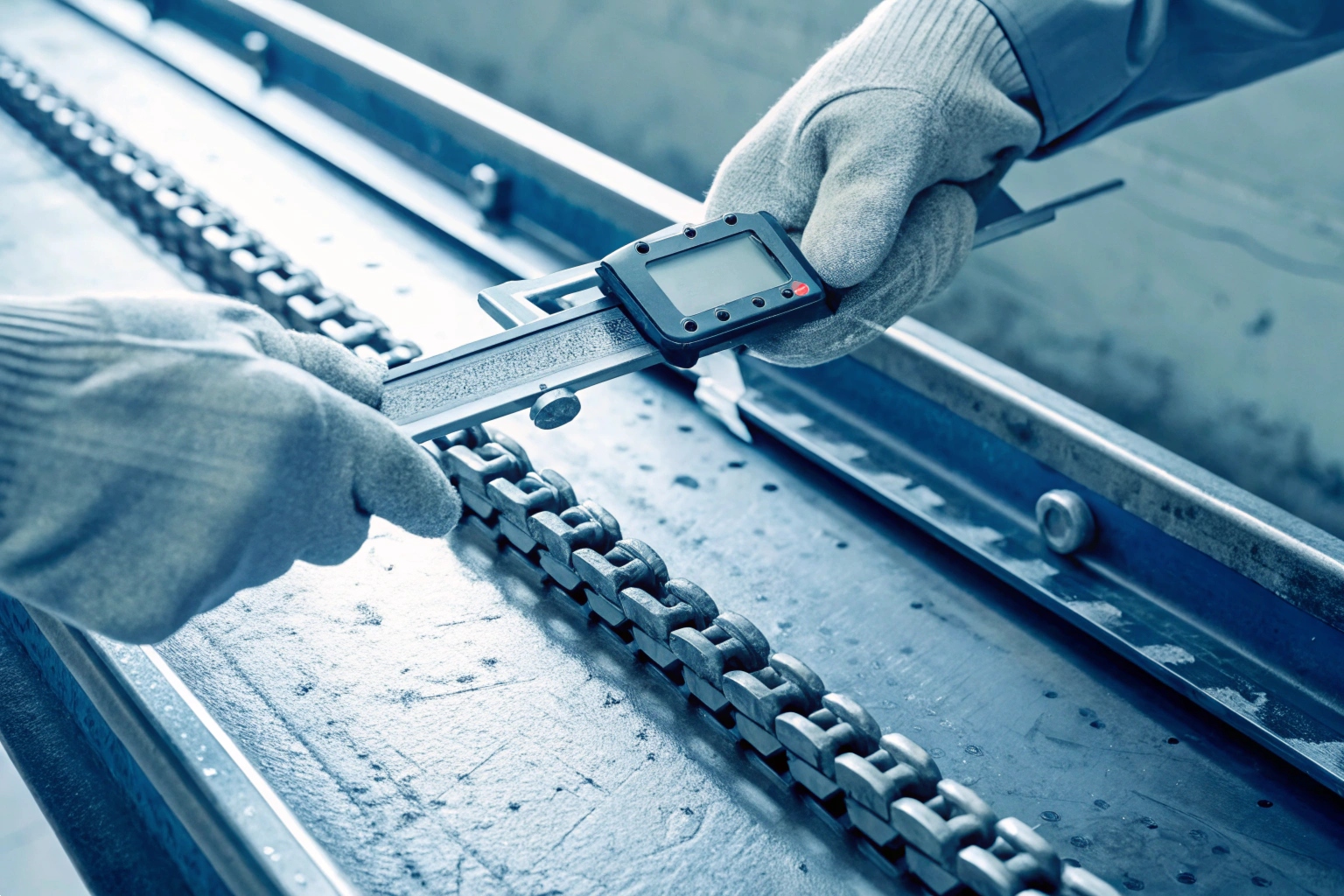
Dingtai manufactures complete aftermarket Case track link assemblies, forged and machined to connect track shoes and transfer machine load through the undercarriage. Our factory-direct model
Dingtai manufactures forged Liebherr U-yoke components for track tensioning assemblies, connecting the idler to the recoil system under high dynamic loads. As a factory-direct supplier,
Dingtai manufactures Liebherr spring coils (recoil springs). They absorb track impact shocks and maintain constant crawler undercarriage tension. Factory-direct production supports full OEM service. We