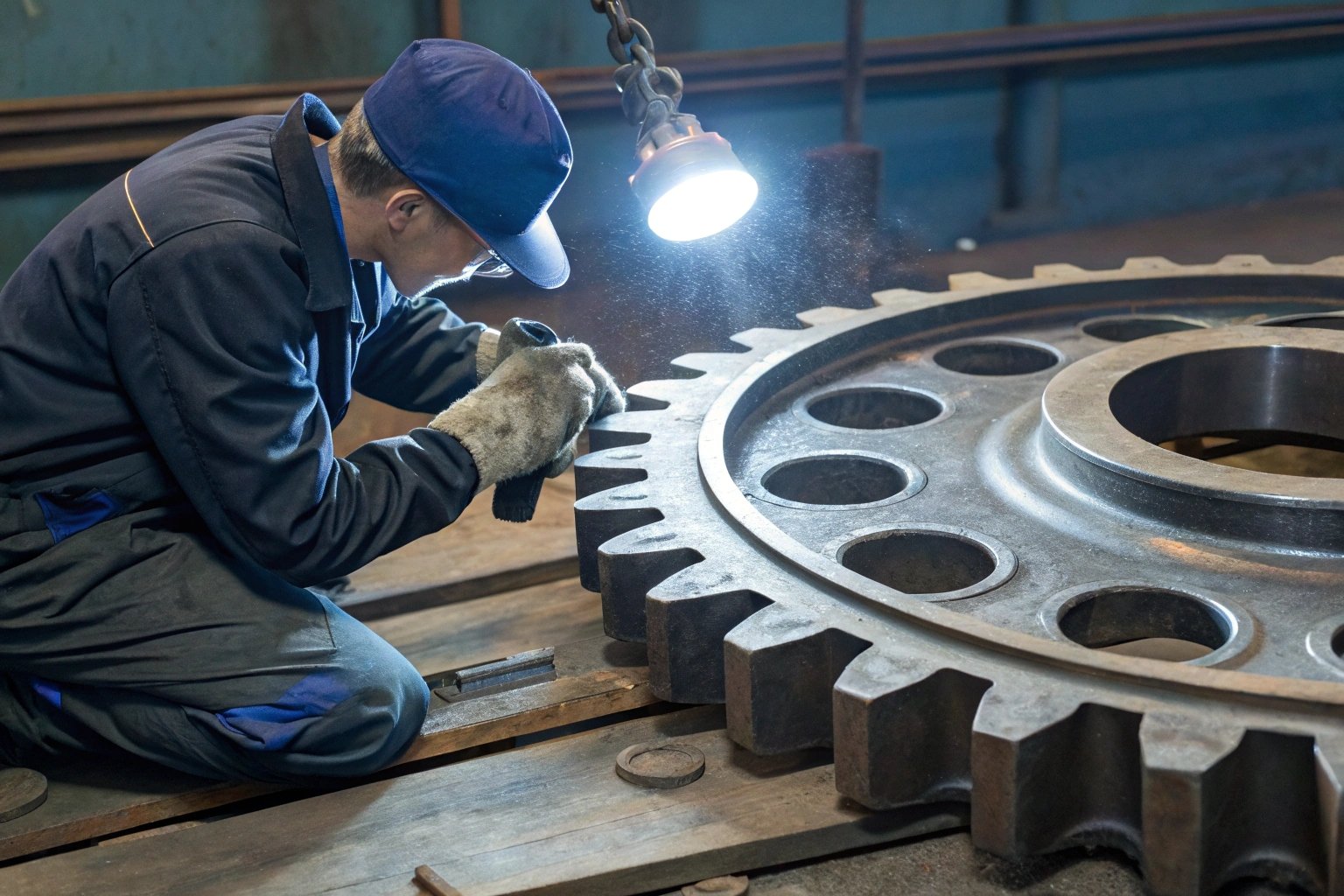
undercarriage parts
Distinguishing between forged and cast parts in heavy machinery like excavators is crucial. Each manufacturing process possesses unique characteristics that impact part performance, durability,

Distinguishing between forged and cast parts in heavy machinery like excavators is crucial. Each manufacturing process possesses unique characteristics that impact part performance, durability,
It is entirely reasonable to request regular visual updates from suppliers on your orders, ensuring transparency and quality control. Regular visual updates are a
Order modifications for excavator parts 1 depend on the production stage, with varying feasibility and cost implications. Order changes are feasible primarily before production, with
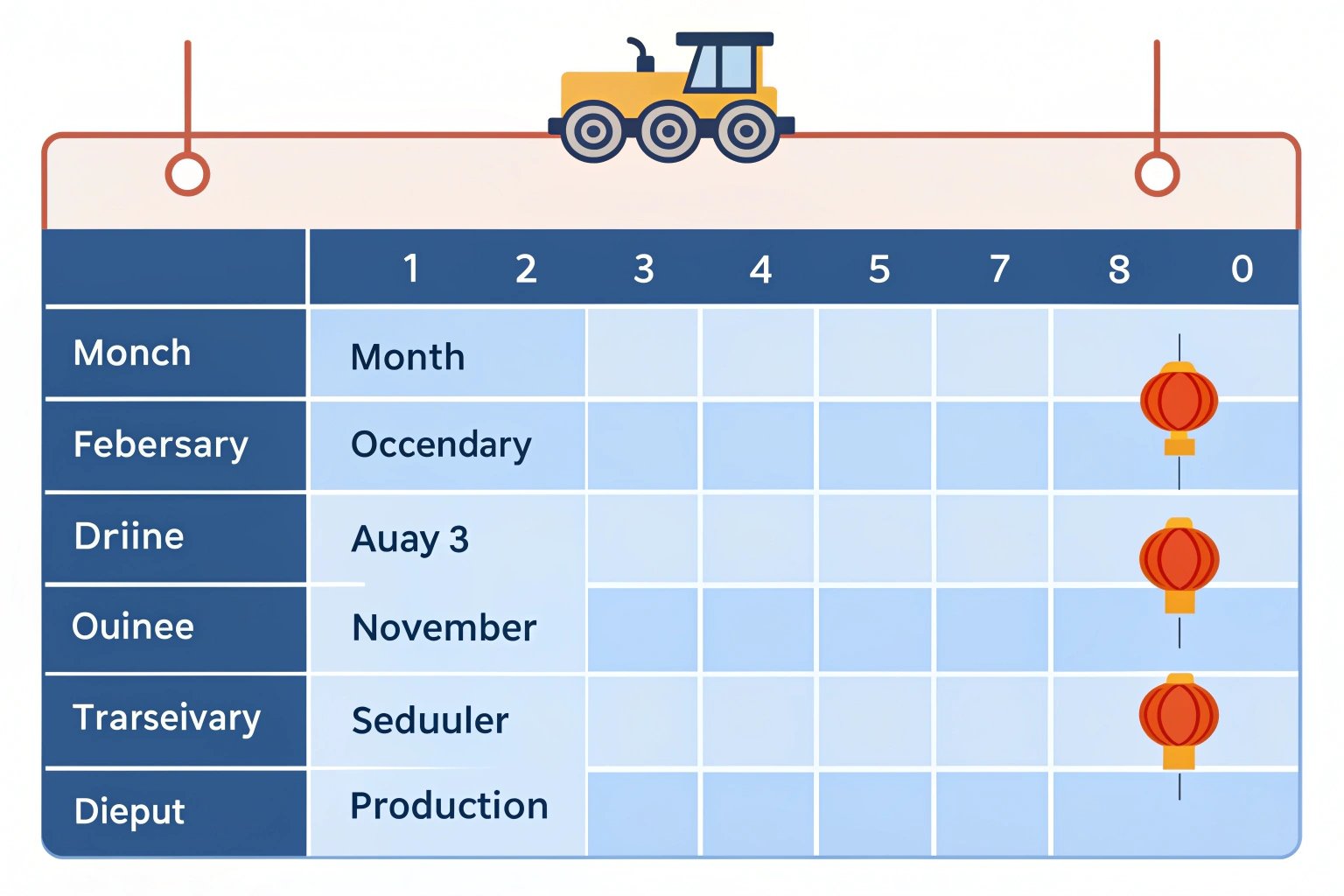
Strategic planning around the Chinese New Year is critical to avoiding operational delays 1 and ensuring a steady supply of excavator parts 2 during
The production lead time 1 for excavator undercarriage parts typically spans from 30 to 45 days post-deposit, encompassing material procurement and manufacturing cycles. Average
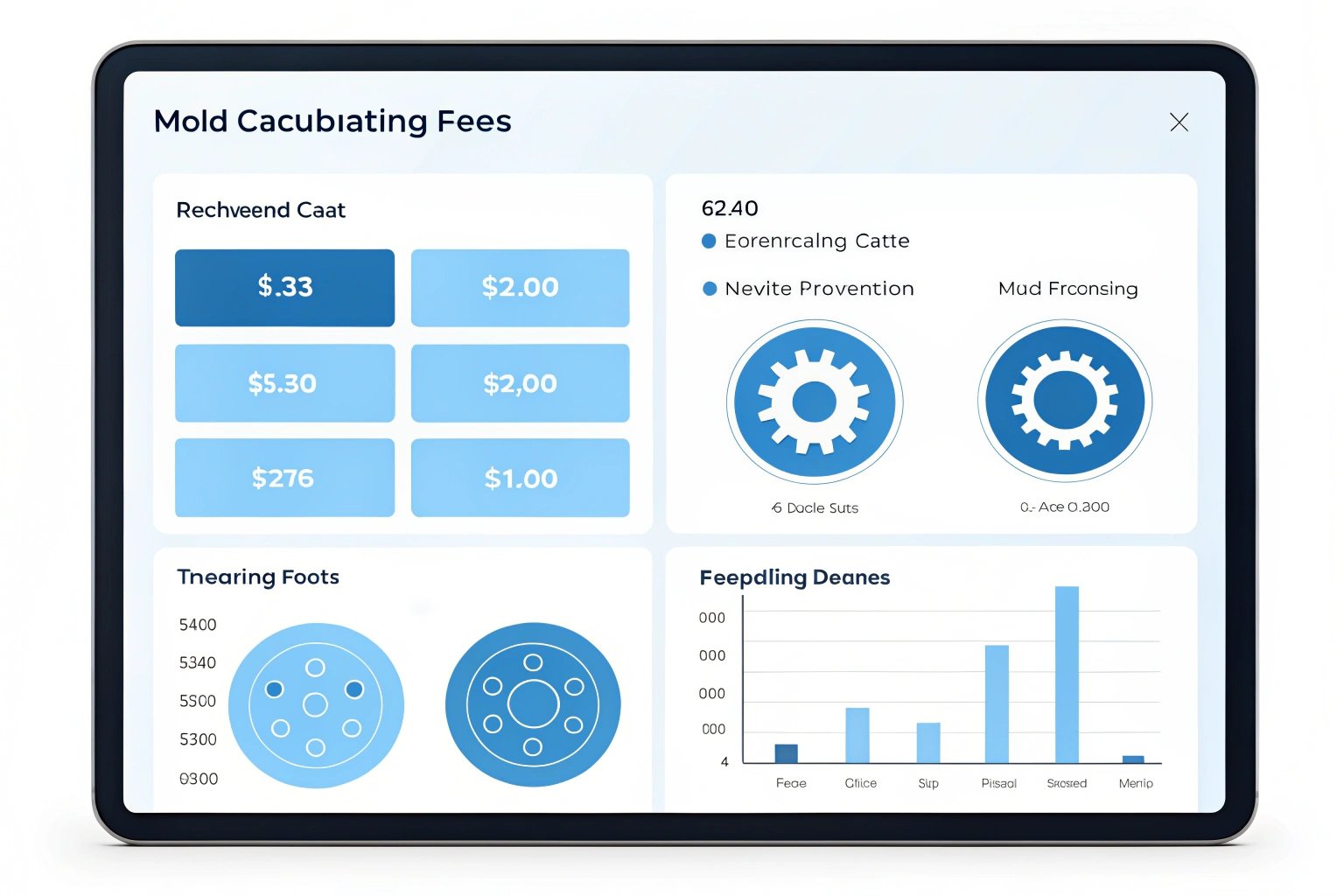
Mold fees for custom undercarriage parts 1 are determined by various factors including design intricacy 2, material, and production requirements, often necessitating upfront investment
A professional Proforma Invoice (PI) for importing undercarriage parts for excavators 1 should encompass essential details to clarify transactions, ensure compliance, and facilitate logistics.
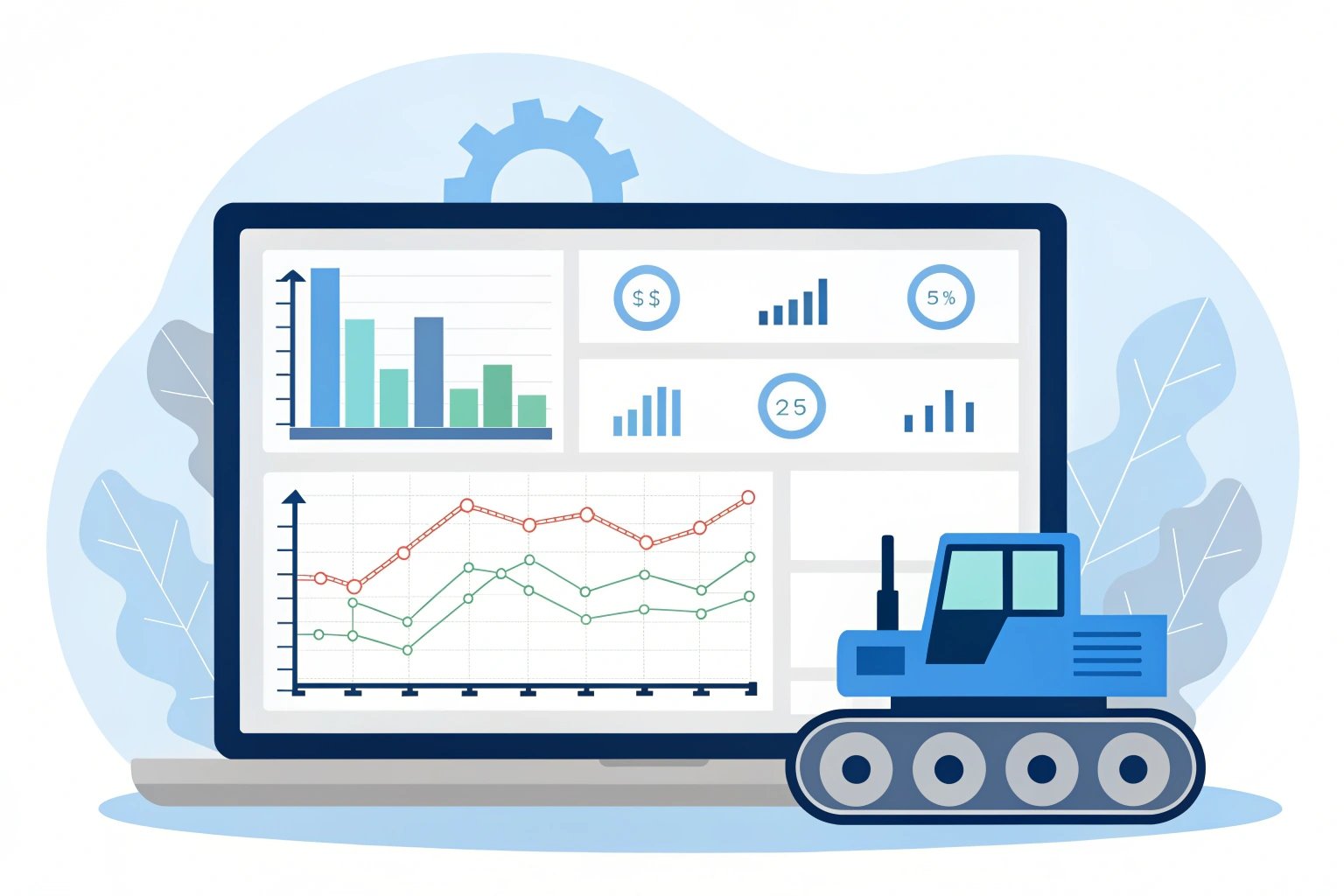
The USD/CNY exchange rate 1 plays a pivotal role in determining the cost of importing undercarriage parts from China. Currency fluctuations 2 impact both
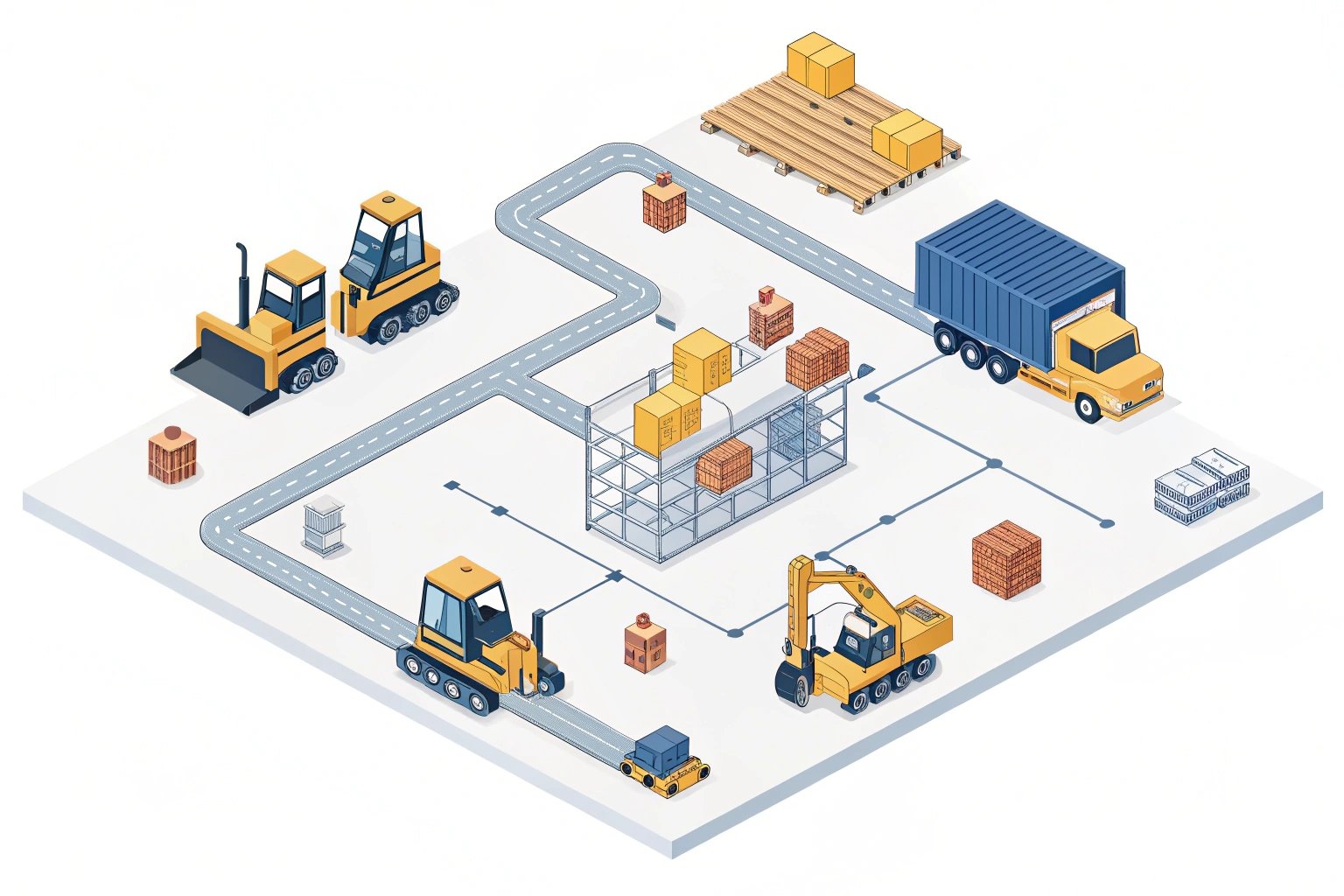
Paying with a Letter of Credit (L/C) provides a structured payment system 1 that protects both parties in an international trade transaction. It ensures
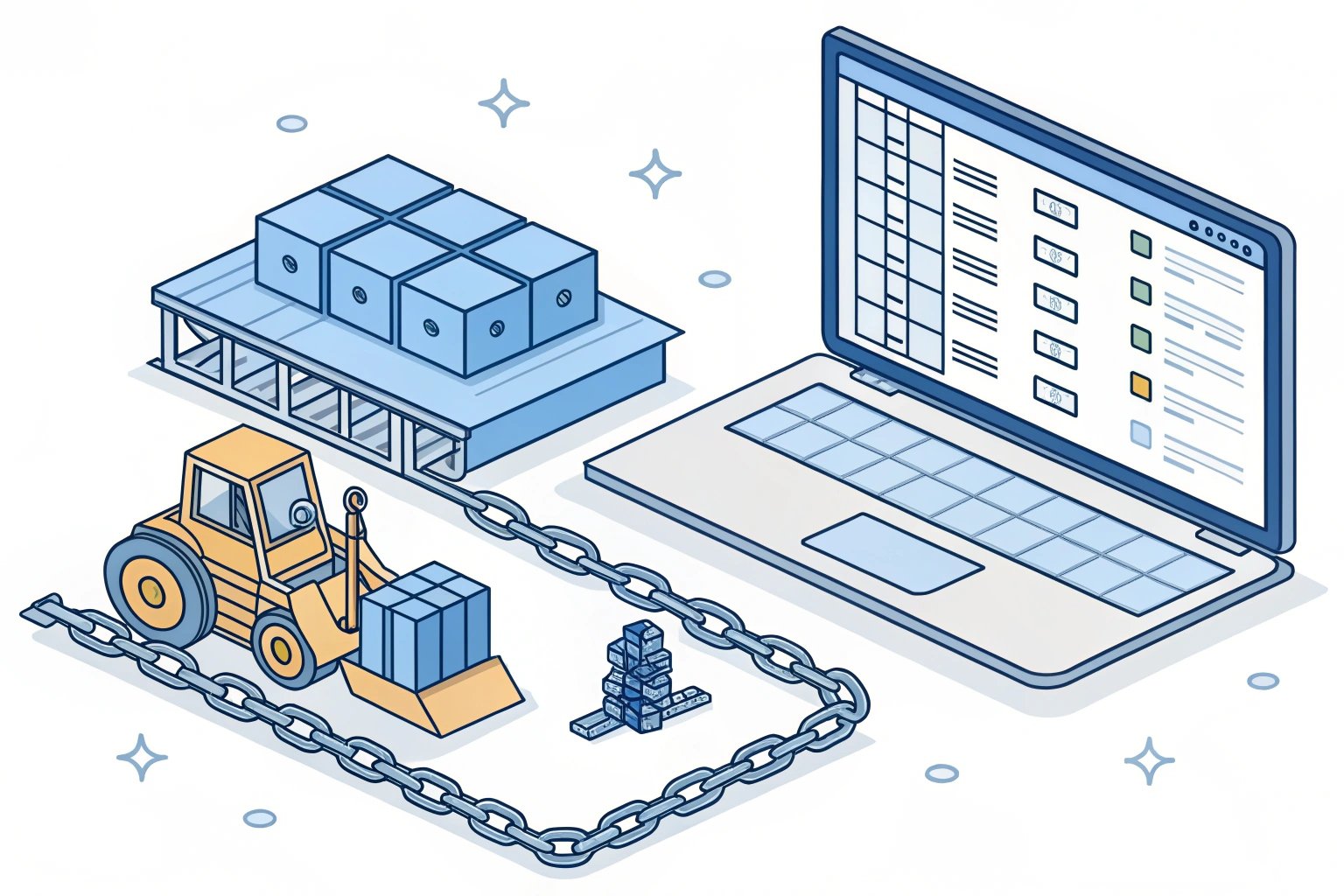
When importing undercarriage parts for excavators 1, several hidden costs beyond the unit price can significantly impact your total expenses. It’s essential to be
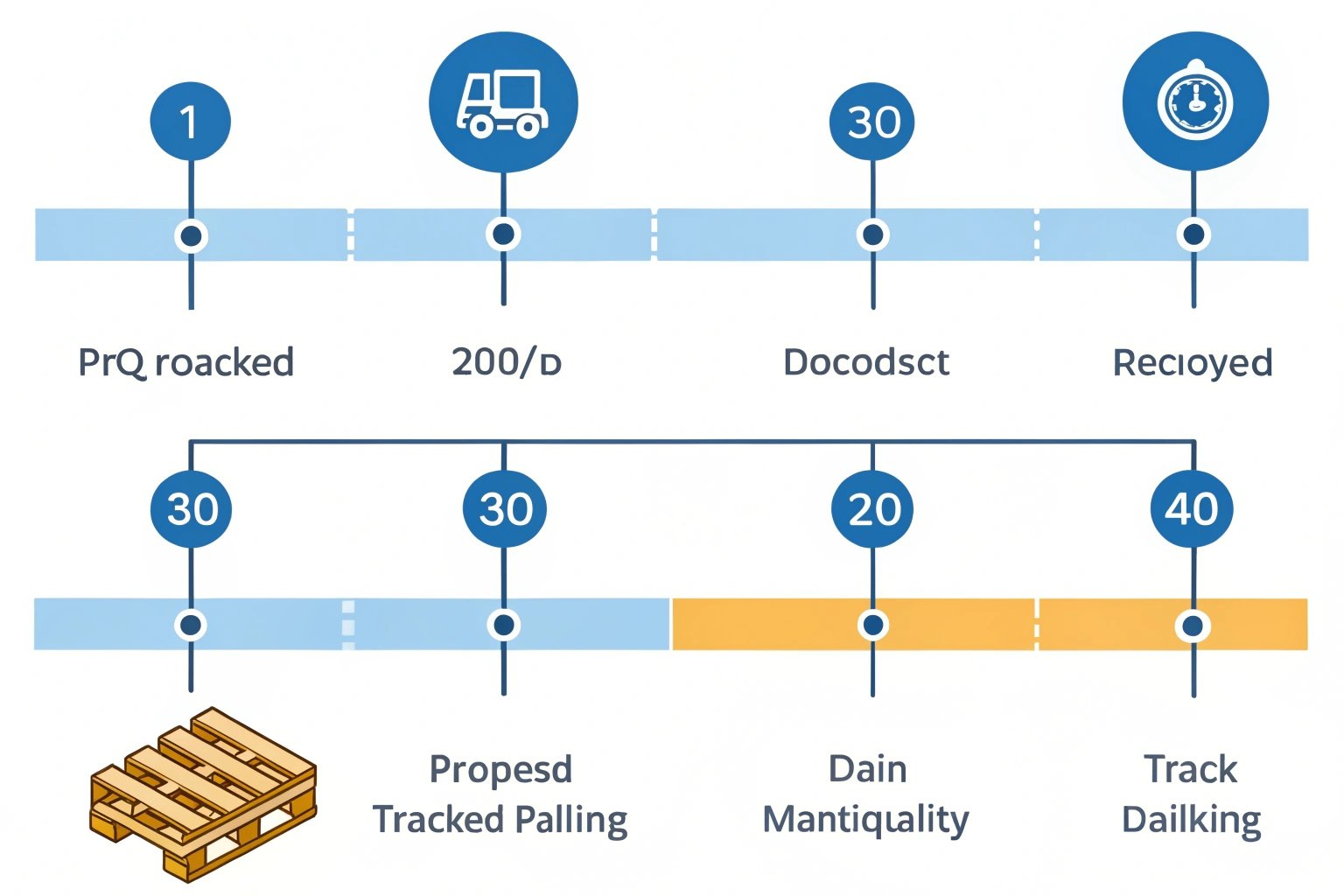
Managing quote validity is crucial due to the volatile nature of raw material prices 1. Quotes typically reflect current market conditions 2, requiring careful
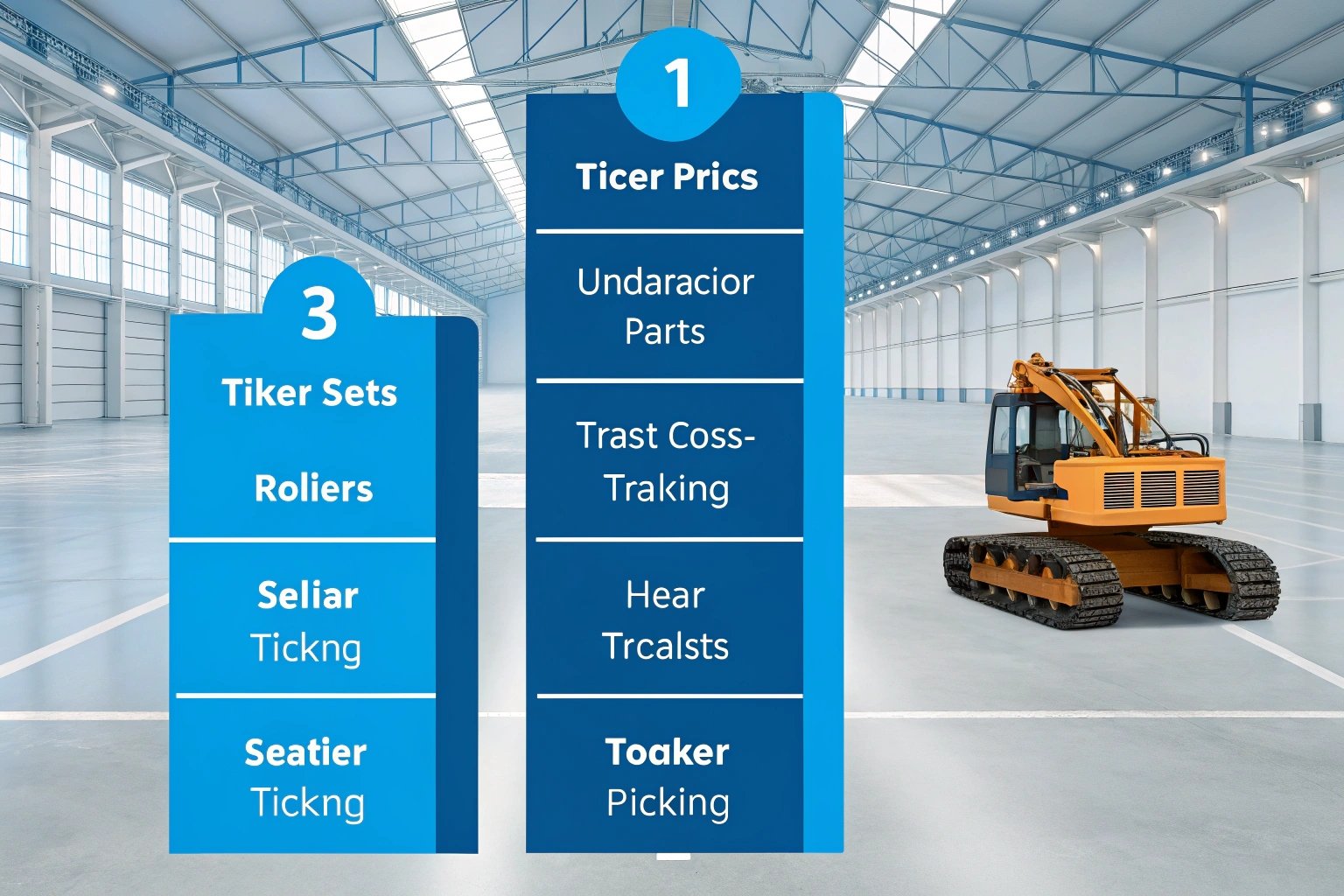
Understanding how Minimum Order Quantities (MOQ) and tiered pricing 1 are set for undercarriage parts helps you navigate purchases more effectively. These parameters vary