
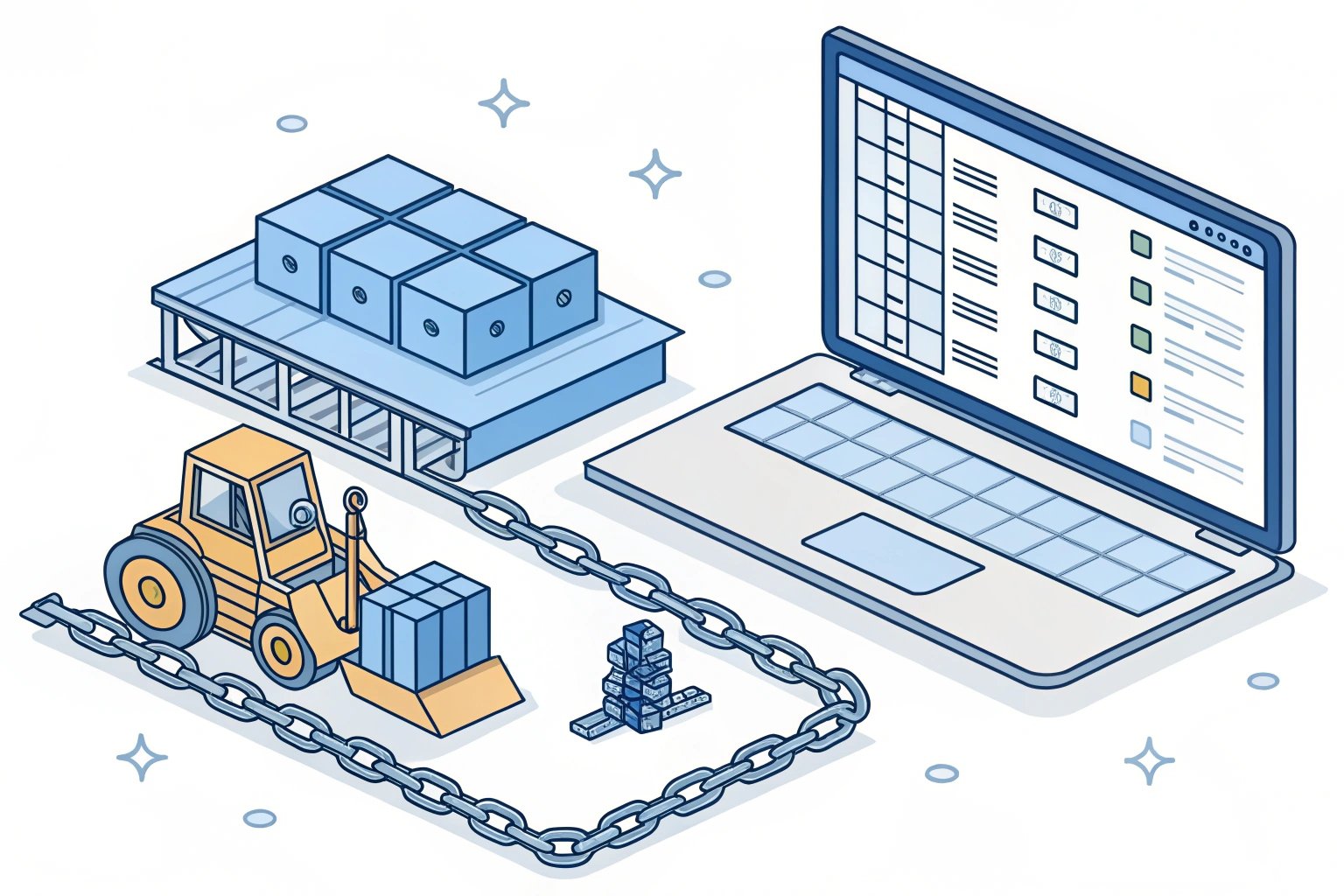
When importing undercarriage parts for excavators 1, several hidden costs beyond the unit price can significantly impact your total expenses. It's essential to be aware of these costs to budget accurately.
Hidden costs include shipping fees, customs duties 2, handling, documentation, and insurance fees, which can add to the overall import expenditure.
Are there separate charges for tooling or mold development for custom parts?
Custom parts often entail additional setup charges.
Yes, separate charges for tooling or mold development 3 are common for custom parts because creating unique molds involves extra costs that the supplier passes to the buyer.

Tooling costs breakdown
- Tooling Development: Initial setup is required for custom molds.
- Mold Maintenance: Ongoing costs for upkeep of custom molds.
- Amortization 4: Distribution of tooling costs over parts produced.
Tooling fees
| Cost Aspect | Charge Type | Buyer Consideration |
|---|---|---|
| Initial Setup | One-time | Initial planning |
| Maintenance | Periodic | Consistent check |
Will I be charged extra for special packaging, labeling, or material reports?
Packaging and labeling may incur additional fees.
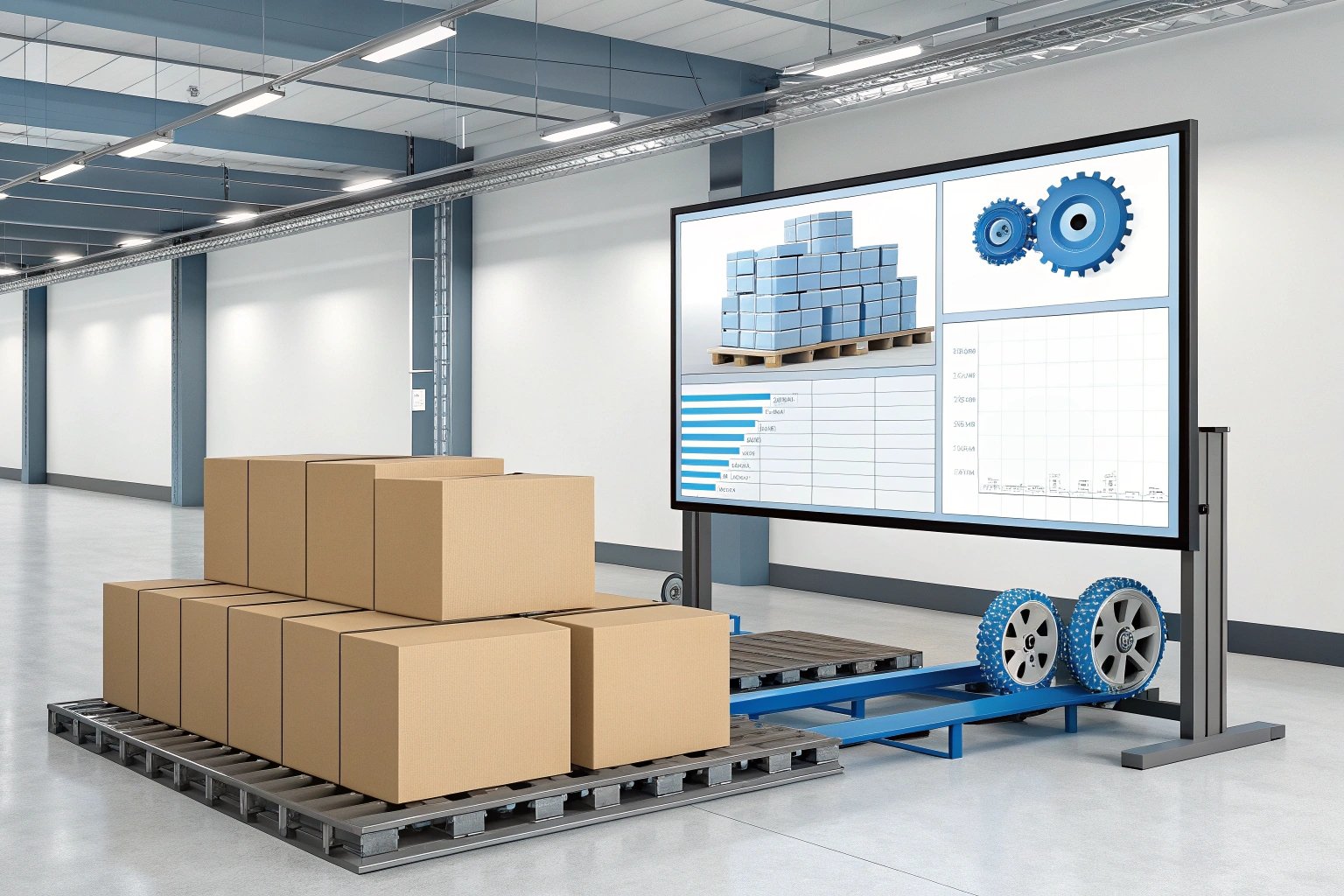
Yes, extra charges can apply for special packaging 5, labeling, or detailed material reports 6, as these require additional resources and compliance checks from the supplier.
Additional charges
- Special Packaging: Custom packaging solutions or protection may incur higher costs.
- Labeling Requirements: Compliance with international shipping labels can add fees.
- Material Reports: Detailed documentation requests often pull additional charges.
Packaging add-ons
| Feature | Charge | Rationale |
|---|---|---|
| Custom Boxes | Additional | Protection wise |
| Labels | Increment | Compliance issue |
Are there any documentation fees or port charges I need to be aware of?
Documentation and port fees are significant expense factors.
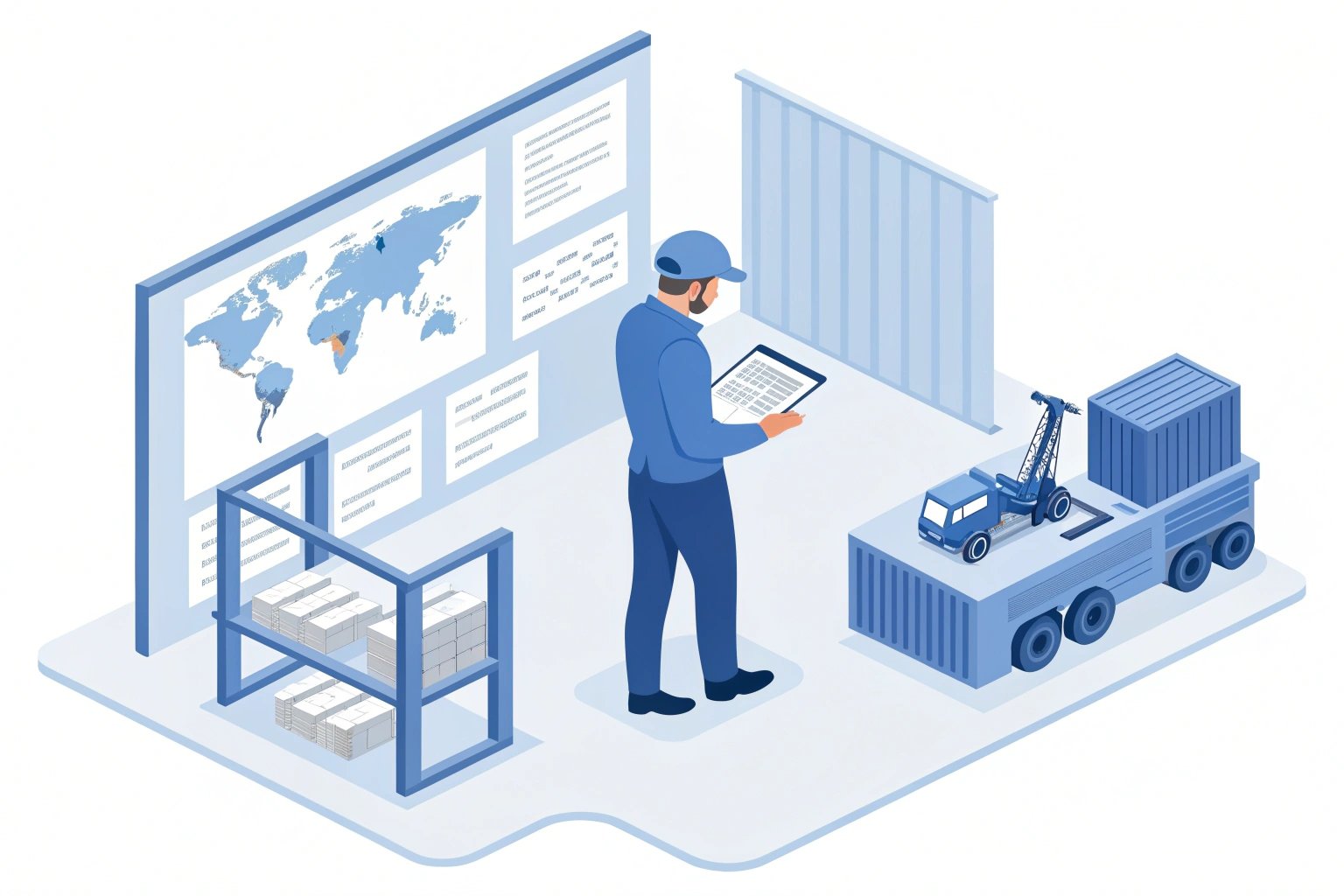
Be prepared for documentation fees and port charges 7, as these fees stem from customs paperwork preparation and terminal handling costs, which vary by region.
Key documentation fees
- Customs Documentation: Preparation of import declarations incurs broker fees.
- Port Fees: Charges for handling cargo at ports, like Terminal Handling Charges (THC) 8.
Documentation cost
| Type | Cost Element | Explanation |
|---|---|---|
| Broker Fees | Service | Facilitation needed |
| THC | Operational | Terminal expense |
How are sample costs handled if I request them before placing a bulk order?
Sample orders typically incur specific fees.
Sample costs 9 are often charged separately, providing an initial assessment of parts before bulk order placement. These fees may or may not be deducted from future orders.
Sample cost considerations
- Initial Expense: Upfront charges for sample production and delivery.
- Deduction Options: Sometimes deducted from subsequent bulk purchases.
- Evaluation Fee: Reflects scrutiny and R&D efforts for accurate samples.
Sample fees
| Handling | Cost Consideration | Future Implication |
|---|---|---|
| Immediate | Charged | Adjustment possibility |
| Future Order | Potential deduction | Build rapport |
Conclusion
Understanding and anticipating hidden costs when importing undercarriage parts helps mitigate financial surprises and facilitates better budgeting and supplier negotiations 10. Proactively addressing these can streamline the import process and reduce unforeseen financial burdens.
Footnotes
1. A guide on the logistics of importing heavy machinery parts. ↩︎
2. Learn how to calculate import tariffs and freight costs. ↩︎
3. Understanding tooling and mold development costs in manufacturing. ↩︎
4. How amortization of tooling costs works for custom parts. ↩︎
5. Overview of industrial packaging requirements for international shipping. ↩︎
6. Explains what a Material Test Report (MTR) is and why it's needed. ↩︎
7. A breakdown of common import documentation and port fees. ↩︎
8. What are Terminal Handling Charges (THC) in shipping. ↩︎
9. Common B2B policies for handling sample order costs. ↩︎
10. Strategies for effective negotiation with your B2B suppliers. ↩︎