
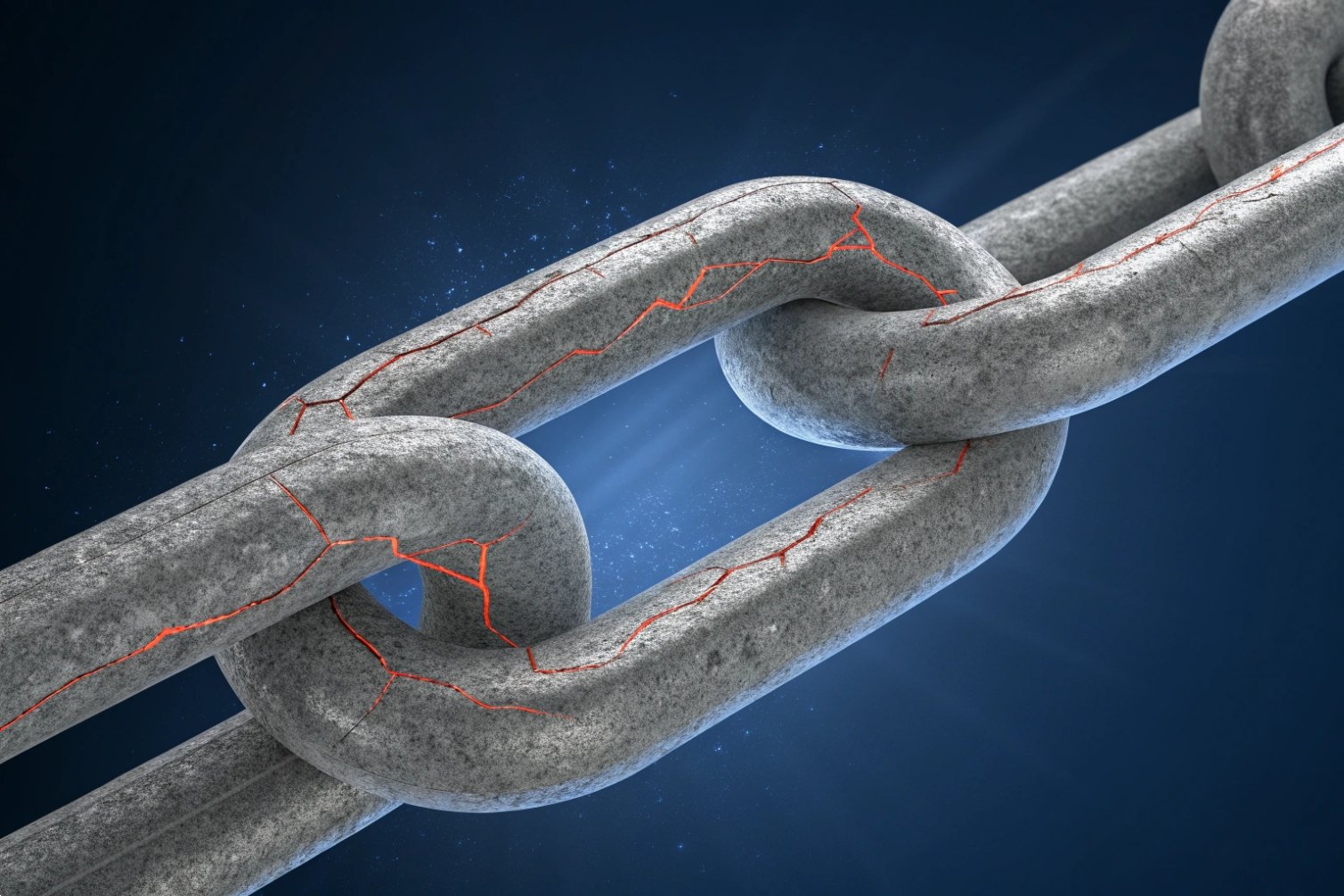
As someone deeply involved in the procurement of excavator and bulldozer parts excavator and bulldozer parts 1, one of my top concerns is whether the track links are forged or cast. This choice has a direct impact on their performance and longevity on-site.
The majority of high-quality, heavy-duty track links for excavators and dozers in today's market are precision-forged, providing superior durability and strength. Some lower-cost aftermarket chains may still utilize cast links, but without a specific supplier's specification sheet, the distinction between forged and cast can't always be confirmed.
Ensuring the right choice of manufacturing process manufacturing process 2 is crucial for optimal machinery performance.
Why do you use forging (or casting) for your track links?
In my experience, forged track links forged track links 3 excel in durability because the metal undergoes high-pressure shaping, significantly enhancing wear and impact resistance compared to cast links.
Forging is preferred for track links due to its ability to refine the metal's internal structure through intense pressure, enhancing components with higher tensile, yield, impact, and fatigue strengths. This method ensures resilience under heavy loads and challenging conditions.
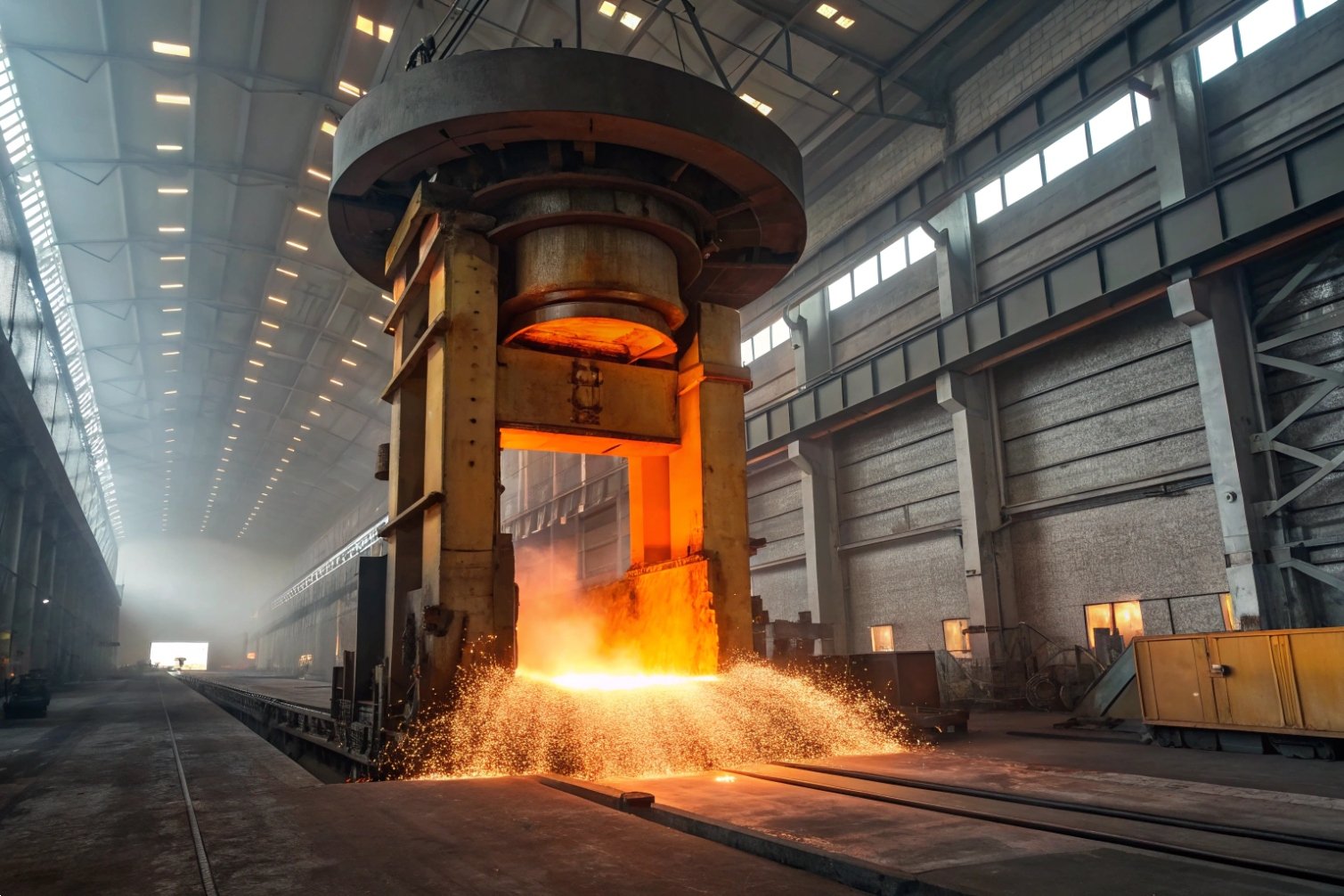
Delving deeper, forging processes align the metal's grain structure metal's grain structure 4, improving its toughness and overall resilience. Here's how forging steps contribute to quality enhancement.
Forging Process Steps
| Step | Description | Benefits |
|---|---|---|
| Cutting | Preparing raw materials | Ensures uniformity |
| Heating | Raising temperature | Enhances malleability |
| Die Forging | Molding under pressure | Achieves consistent shape |
| Heat Treatment | Hardening process | Boosts toughness |
Forged links, therefore, undergo processes like quenching and tempering quenching and tempering 5 to attain necessary hardness, crucial for heavy machinery in rugged conditions. The deep hardening of wheel treads further extends wear life, ensuring greater longevity.
How does this manufacturing method improve the part's durability?
I frequently opt for forged track links, especially where heavy-duty excavators heavy-duty excavators 6 need uninterrupted operation; their longevity and reliability surpass cast alternatives in harsh environments.
Forged track links excel in durability because the forging process consolidates the grain flow of metal, resulting in superior tensile, yield, and impact strength. This adaptability to stressors in demanding environments leads to extended service life and reduced machinery downtime.
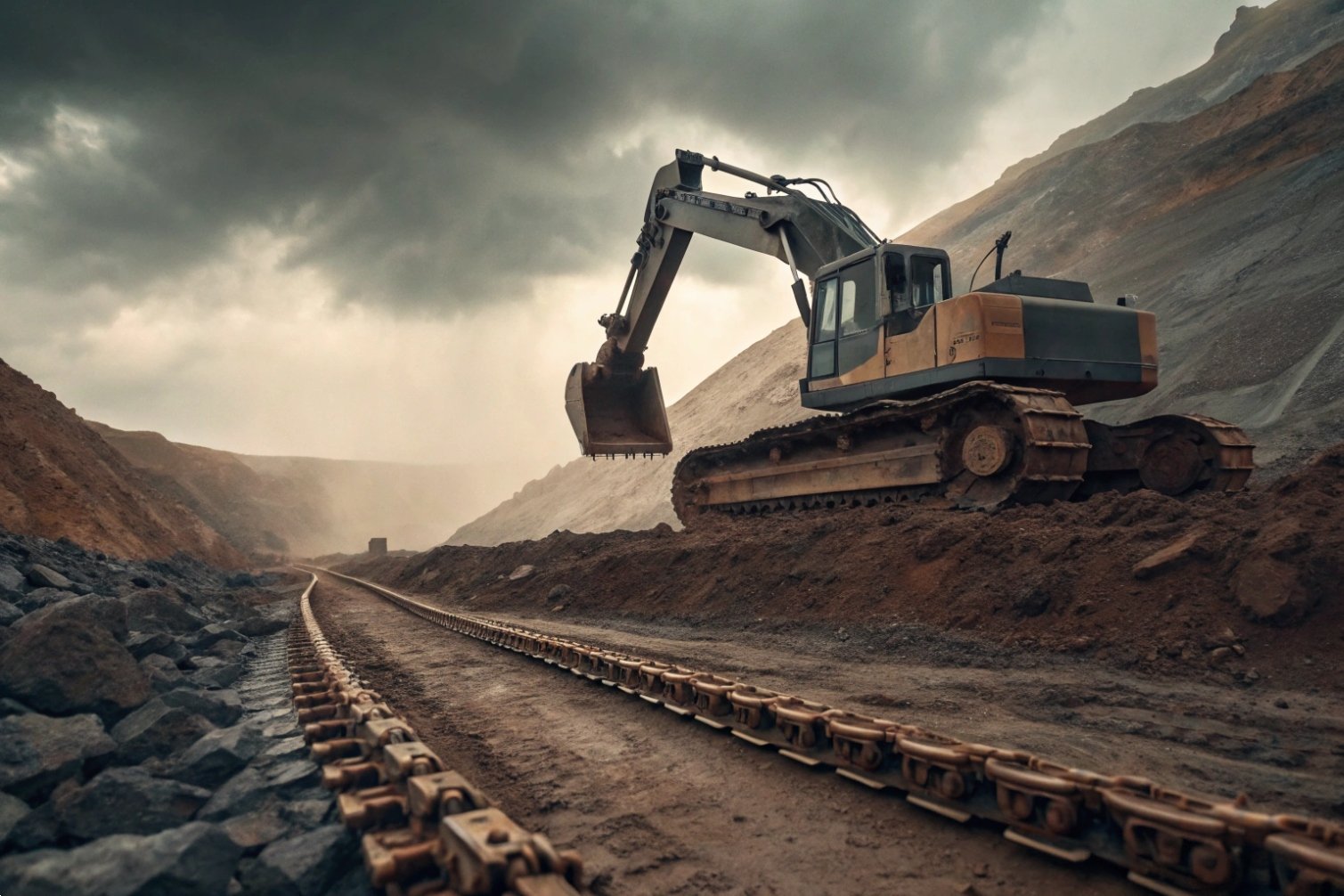
Exploring durability enhancement further, forging imparts several significant advantages.
Durability Comparison
| Feature | Forged Links | Cast Links |
|---|---|---|
| Tensile Strength | High | Lower |
| Wear Resistance | Superior | Moderate |
| Impact Resistance | Excellent | Adequate |
Forging refines the metal's grain structure, enhancing overall durability and reducing defect rates reducing defect rates 7, thereby maintaining component integrity longer. While cast links may be initially less expensive, their susceptibility to terrain-induced damage can increase replacement frequency.
What is the material grade used in your forging/casting process?
Understanding track link material and its production method enables more accurate cost comparisons; frequent replacements with cast parts can render lower prices less appealing.
Typically, forged track links utilize high-strength alloy steel grades such as 40Mn2 or 35MnB, offering excellent performance. These materials withstand harsh conditions during operation, ensuring a robust and durable solution.
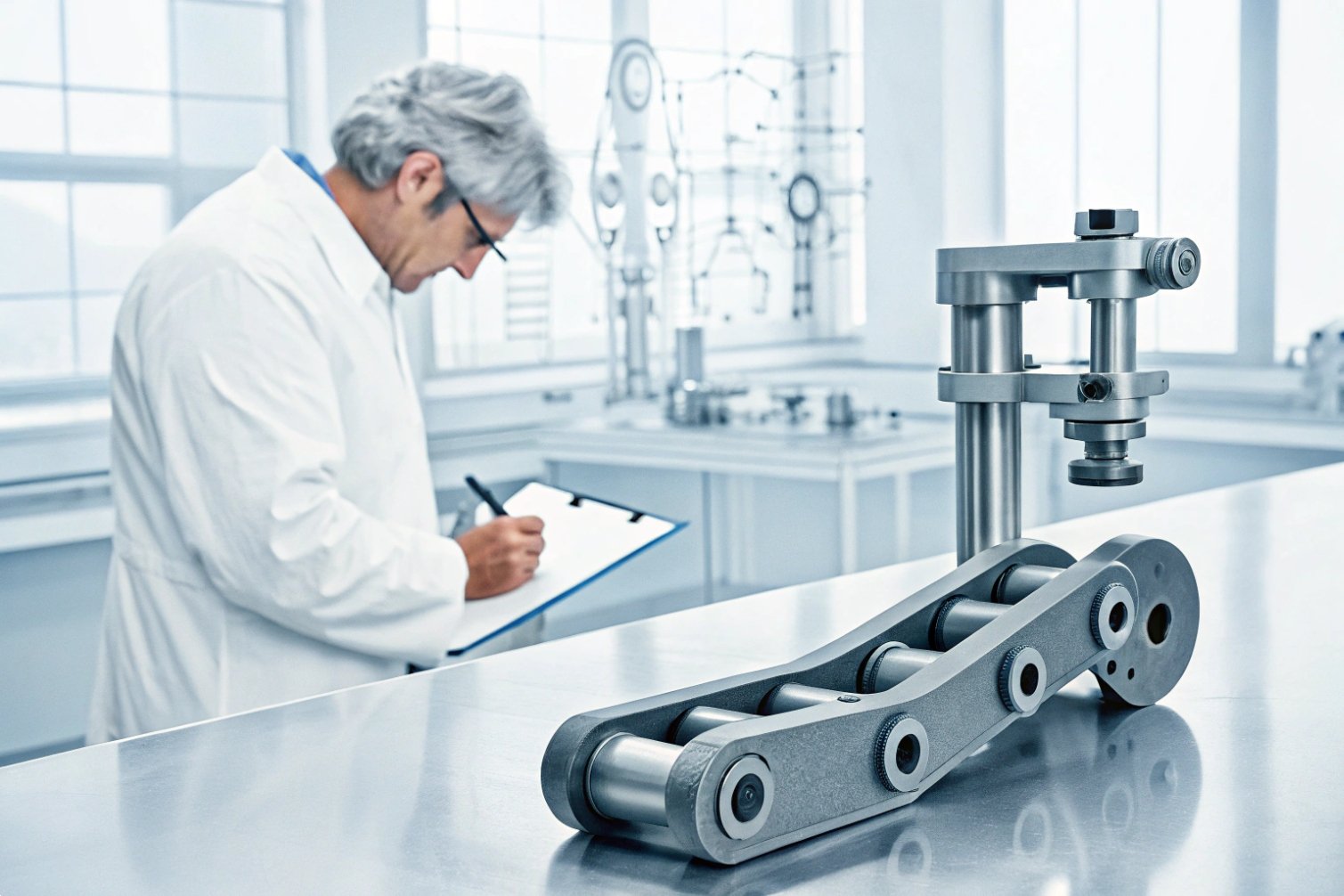
Exploring deeper into material choices material choices 8 reveals their critical role in manufacturing methods.
Material Grade Properties
| Material | Tensile Strength | Wear Resistance | Applications |
|---|---|---|---|
| 40Mn2 | High | Excellent | Heavy-duty components |
| 35MnB | Very High | Superior | Long-lasting parts |
These material grades are ideal for forging, contributing to the durability and longevity of track links. While materials suitable for casting may serve applications with lighter loads, they can't match the endurance of forged components forged components 9 under heavy stress.
Can you provide details on your forging press or casting foundry?
Knowing whether track links track links 10 are forged or cast is valuable for better quote comparisons and ensuring parts meet equipment requirements during procurement.
Forging presses are powerful machines that apply immense pressure to shape heated metal into desired forms. This equipment is central to manufacturing robust links with refined grain structures that enhance overall performance and durability.
Delving deeper into manufacturing specifics helps appreciate the equipment's impact on quality.
Manufacturing Equipment Details
| Equipment | Function | Impact on Quality |
|---|---|---|
| Forging Press | Shapes heated metal under pressure | Refines grain, increases strength |
| Heat Treatment Facility | Harden and toughen components | Enhances wear life and durability |
| CNC Machining Units | Precision drilling and shaping | Ensures fit and tolerance, reduces wear |
Well-equipped manufacturing ensures every step—from forging to heat treatment and machining—contributes to producing track links that meet high standards of durability and quality.
Conclusion
Choosing forged track links effectively impacts machinery performance and lifecycle cost. Quality manufacturing processes ensure durability and efficiency.
Footnotes
1. Essential guide to procuring high-quality excavator and bulldozer replacement parts. ↩︎
2. In-depth analysis of different heavy machinery parts manufacturing processes. ↩︎
3. Detailed information on the engineering advantages of using forged track links in construction. ↩︎
4. Explanation of how metal grain structure affects the strength and durability of forged components. ↩︎
5. Technical overview of quenching and tempering heat treatment processes for alloy steel. ↩︎
6. Resource for specifications and operational requirements for heavy-duty excavators. ↩︎
7. Best practices for quality control and reducing defect rates in metal manufacturing. ↩︎
8. Comparison of material choices and their impact on the performance of undercarriage parts. ↩︎
9. A comprehensive look at the benefits and applications of forged components in industrial machinery. ↩︎
10. Overview of the function, structure, and maintenance of track links in tracked vehicles. ↩︎