
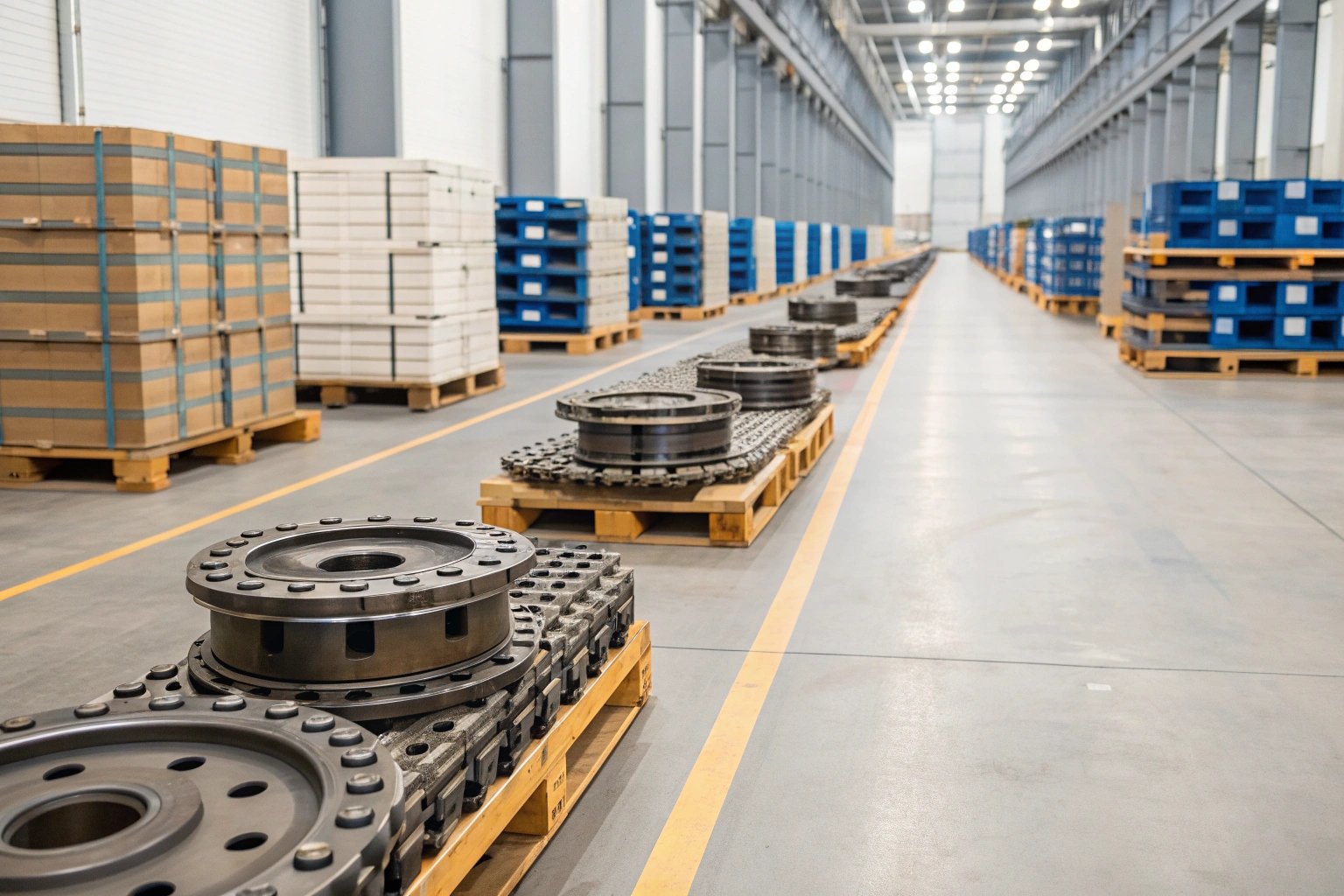
You are importing heavy equipment parts. You worry that a simple label mistake could stop your shipment at the border. I understand. Let's clarify these rules right now.
Yes, this is a question I get all the time from my US clients. The answer is absolutely yes. The United States has mandatory country of origin labeling rules. These rules apply to almost all imported goods, including excavator undercarriage parts. US Customs and Border Protection (CBP) 1 enforces this.
These rules seem complex. But if you know what to mark, where to mark it, and why it matters, you can avoid all the major problems. Let's look at the specific questions my clients, like you, ask every day.
Do I need to have "Made in China" marked on each individual part?
You have a pallet of track rollers. Do you really need to mark every single one? It sounds like a lot of work. I will explain what the law requires.
Yes, in my experience, the default rule is that you must mark each individual part. CBP wants the "ultimate purchaser" to see the origin. The ultimate purchaser is the person who will actually use the part, like a mechanic or a construction company. So, the mark must stay on the part until it reaches them.
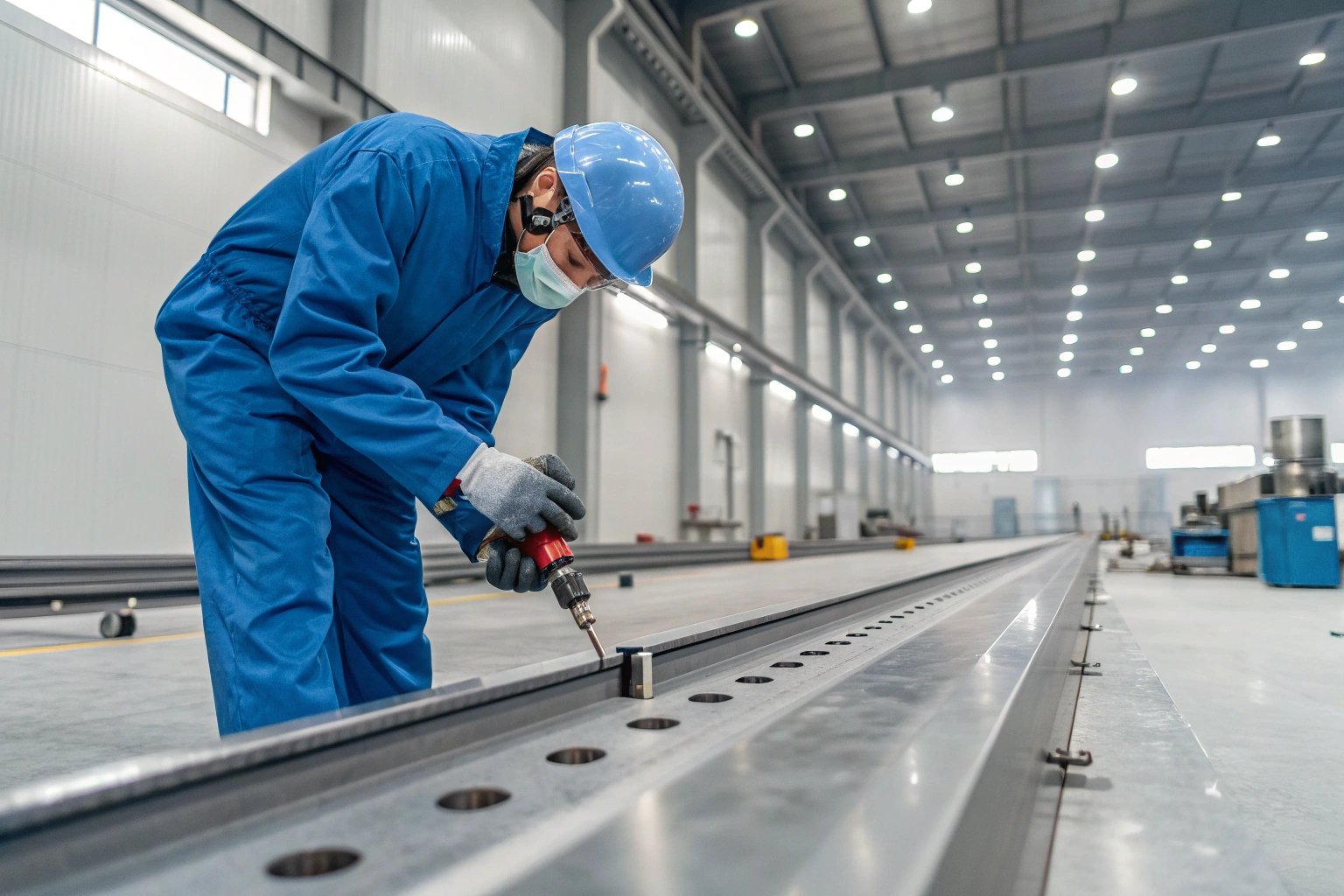
The legal standard says the marking must be "legible, indelible, and permanent." It also must be in a "conspicuous" place where it can be easily seen.
This means a simple paper sticker is usually not good enough for heavy steel parts. A sticker can fall off, get covered in grease, or be torn during shipping. This is a common pain point I hear about. A buyer receives parts, but the sticker is gone. They cannot prove the origin to their own customers, and it makes warranty tracking 2 difficult.
How We Meet the "Permanent" Requirement
Because we (Dingtai) are the manufacturer, we solve this problem at the source. We do not use stickers for origin marking on our parts. Instead, we make the mark part of the product itself.
- Casting: For parts like idlers, sprockets, and some rollers, the "Made in China" mark is built directly into the casting mold 3. When the part is formed, the origin mark is formed with it. It is permanent and can never be removed.
- Stamping: For other parts, like track chains or pins, we use high-pressure steel stamping 4. This presses the mark into the metal. It is clear, permanent, and survives grease, dirt, and heavy use.
This method gives my clients, like David (a large US distributor), total peace of mind. He knows that when he receives our parts, the compliance is already built-in. He doesn't have to worry about a customs inspector rejecting the shipment because a sticker fell off.
What About Small Parts?
The rule does have exceptions for "practicability." If a part is very small (like an individual bolt or nut), it might be "impracticable" to mark it. In that case, the rule allows you to mark the immediate container or bag that holds the small parts.
But for major undercarriage components, this exception usually does not apply. A track roller, an idler, a sprocket, or a track link is large enough to be marked. We always mark the individual part to ensure we meet the highest standard.
Here is a simple comparison of methods:
| Marking Method | Is it Permanent? | Is it CBP Compliant? | Customer Peace of Mind |
|---|---|---|---|
| Casting / Stamping | Yes | Yes (Preferred) | High |
| Ink Printing | Maybe (Can wear off) | Maybe (Risky) | Medium |
| Paper/Plastic Sticker | No (Can fall off) | No (Often non-compliant) | Low |
What are the specific requirements for marking the country of origin on the shipping cartons?
You marked the parts. That's great. But what about the big wooden crate or the cardboard box they are shipped in? Do you still need to mark the outside?
Absolutely. My clients rely on this external marking. The outer shipping carton must also be clearly marked "Made in China". This marking serves a different purpose. It is for the customs inspector at the port. It must be easy to read on the outside of the container.
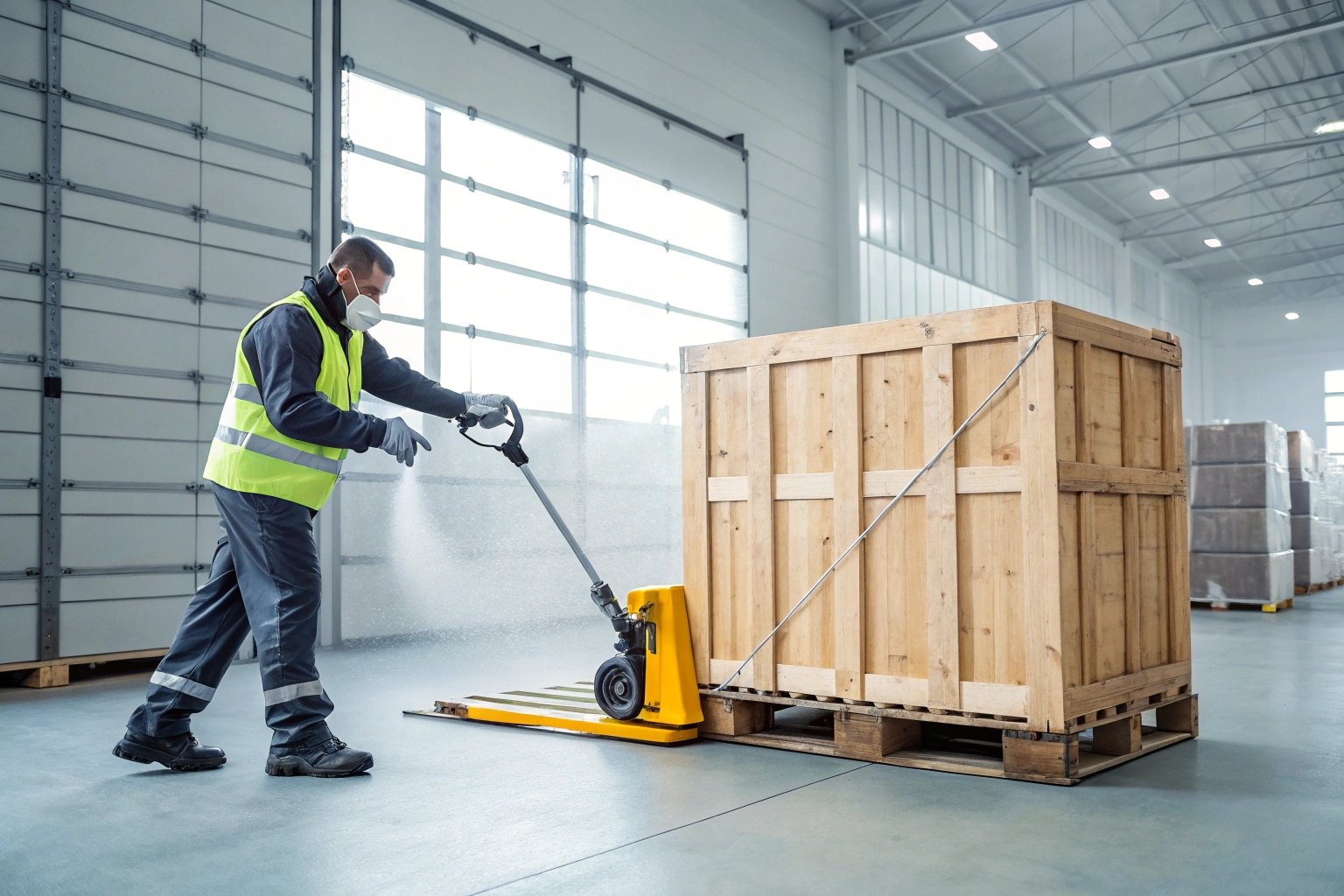
The marking on the part is for the end-user. The marking on the carton is for customs and logistics. When your shipment arrives, a CBP officer will look at the shipping documents (like the Bill of Lading 5) and the outside of the cartons. They need to match.
Key Rules for Carton Marking
The requirements for the outer packaging are very specific. Getting this wrong can cause delays, even if the parts inside are marked correctly.
- Must be in English: The marking must be in English. It must say "Made in China" or "Product of China."
- No Abbreviations: You cannot use abbreviations like "PRC" or "CHN." These are not acceptable to US Customs and will cause a rejection.
- Conspicuous Location: The mark must be easy to find. It should be on the side or top of the carton, not the bottom. We usually place it near the shipping address and item details.
- Legible Size: The text must be large enough to be read easily.
Our Process at Dingtai
This is a standard part of our quality control and shipping process. I make sure our shipping department follows a strict checklist for every single export order.
- Step 1: We confirm the contents of the pallet or crate.
- Step 2: We print or stencil "Made in China" in large, clear letters on at least one side of the export packaging.
- Step 3: We check this mark against the Packing List and Commercial Invoice 6. All documents must be consistent.
A client once told me a story about a different supplier. The supplier only put the origin mark on the bottom of the heavy wooden crates. Customs could not see it without lifting the 2,000-pound crate. They detained the entire shipment for inspection. This cost my client two extra weeks of waiting and expensive port fees 7. We prevent this by making the mark obvious and easy to find.
What happens if my goods arrive without the proper origin marking?
This is the biggest fear for any importer. What if the supplier makes a mistake? What is the real cost of getting this wrong?
The consequences are serious, and I have heard bad stories from buyers. If your goods arrive without proper marking, US Customs can refuse entry. At best, they will detain your shipment. You will not be able to take possession of your parts.
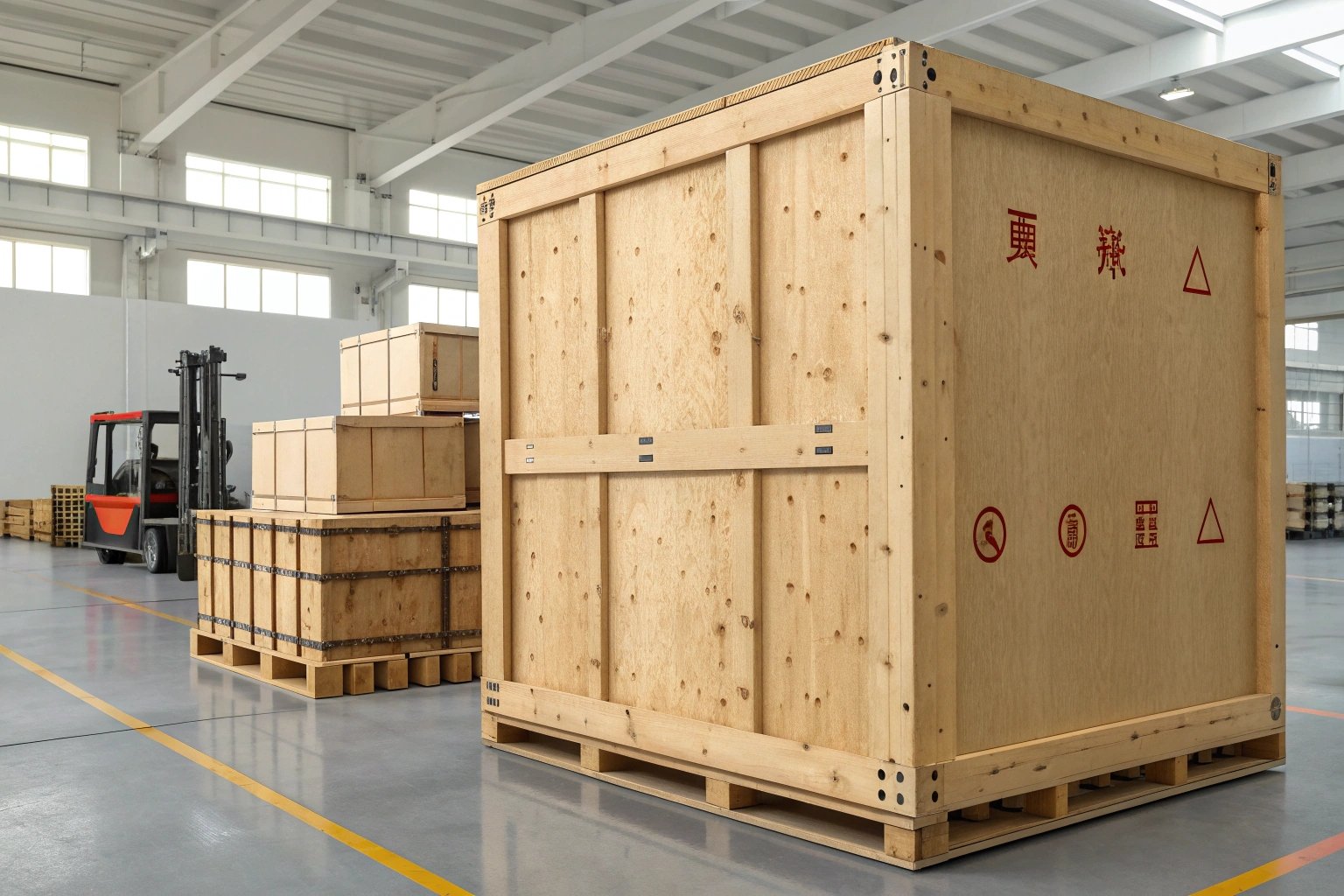
When this happens, CBP will issue a notice, often a form called CF 4647 8 (Notice to Mark). This notice officially tells you that your goods are not compliant. You now have a big problem to solve, and it will cost you time and money.
Your Options (And Penalties)
You usually have three bad options if your shipment is detained for improper marking:
- Mark the Goods in Bond: You can move the goods to a bonded warehouse 9 (or a Foreign Trade Zone) and pay workers to mark every single part at your own expense. This is very expensive and slow.
- Export the Goods: You can pay to ship the entire container back to the origin country (e.g., China).
- Destroy the Goods: You can pay to have the entire shipment destroyed at the port.
The Financial Penalties
On top of these costs, CBP can charge a penalty. This penalty is called "liquidated damages." It is typically 10% of the total value of your shipment.
For an importer like my client David, a 10% penalty on a $100,000 container of parts is a $10,000 fine. But the real cost is the delay. He has customers (construction companies) waiting for those parts. If he is delayed for three weeks trying to fix a marking problem, his customers will go to a competitor. His reputation is damaged.
This is why we are so strict about this. As a manufacturer, I see it as my job to protect my client from these risks. We verify the markings before the container is sealed in China. This prevents the problem from ever happening.
Here is a summary of what you could face:
| Consequence | Description | Estimated Cost |
|---|---|---|
| Shipment Detention | CBP holds your container. | Port storage fees (demurrage) |
| Notice to Mark | You must hire labor to mark all items. | Labor costs + warehouse fees |
| Liquidated Damages | A fine for non-compliance. | 10% of the merchandise value |
| Lost Sales | You cannot deliver to your customers. | High (Loss of revenue and trust) |
Are the rules for origin marking the same for all types of products?
You import undercarriage parts. But maybe you also import hand tools or promotional t-shirts. Is one rule for everything?
While the basic rule (Section 304 of the Tariff Act) applies to most products, including our undercarriage parts, some items have special, stricter rules. I stick to heavy equipment, but I know that textiles, food, and electronics have their own specific laws.

The general rule from the Tariff Act of 1930 10 is the one we follow. It requires the "Made in China" mark to be permanent, legible, and visible to the ultimate purchaser. This is the main rule for our industry.
How Other Products Differ
Other industries have additional rules, often enforced by different government agencies.
- Textiles (FTC): If you import a t-shirt, it needs a special label. This label must show the country of origin, the fiber content (e.g., 100% Cotton), and the identity of the manufacturer or seller.
- Food (FDA): Food products have complex labeling rules from the Food and Drug Administration. This includes ingredients, nutritional facts, and origin.
- Electronics (FCC): Many electronic devices need FCC marks to show they comply with radio frequency standards, in addition to the origin mark.
Why This Matters for Undercarriage Parts
For our specific industry—heavy equipment parts—the rules are very stable. We don't have to worry about changing rules from the FDA or FTC. We only need to focus on the CBP requirements.
The key is consistency and permanence. The rule is simple: mark the part and mark the box.
As a supplier, I make sure my technical team and my shipping team are experts on this rule. We don't guess. We know that our cast-in markings on our track rollers and our clearly stenciled crates meet the US requirements perfectly. This is how we ensure a smooth import process for our partners.
Here is a simple breakdown:
| Product Type | Primary Rule | Key Requirement |
|---|---|---|
| Excavator Parts | Tariff Act (Sec. 304) | Permanent "Made in China" on part & box |
| T-Shirts | Tariff Act + FTC Rules | Origin + Fiber Content + Seller ID |
| Packaged Food | Tariff Act + FDA Rules | Origin + Nutrition Facts + Ingredients |
Conclusion
Yes, origin marking is mandatory, and the rules are strict. You must mark the part, and you must mark the carton.
As your partner, we (Dingtai) manage this entire process. We build compliance directly into our products, so you never have to worry about customs delays or fines.
Footnotes
1. Official website for US Customs and Border Protection overseeing international trade regulations. ↩︎
2. Overview of how warranties function and the importance of tracking product identity for claims. ↩︎
3. Technical explanation of casting molds used in heavy industrial manufacturing processes. ↩︎
4. Definition and process of metal stamping for creating permanent markings on industrial components. ↩︎
5. A legal document between a shipper and carrier detailing the type and destination of goods. ↩︎
6. Detailed information on the primary document used by customs to determine the value of goods. ↩︎
7. Guide to understanding additional costs like demurrage incurred during port shipment delays. ↩︎
8. Official CBP form used to notify importers of marking deficiencies in their shipments. ↩︎
9. Explanation of how bonded warehouses provide a secure area for managing non-compliant imported goods. ↩︎
10. Historical overview and details of the legislation governing US country-of-origin labeling. ↩︎