I know how much it hurts to see your bulldozer sitting idle because a track snapped or a roller seized. It feels like throwing money into a hole when repairs stop your work.
Regular bulldozer undercarriage maintenance involves daily cleaning, visual inspections for leaks, and adjusting track tension. You must also lubricate pivot points and replace worn components like sprockets and rollers at set intervals to prevent costly breakdowns and extend the life of your machine.
Keeping your equipment running smoothly does not have to be a headache. If you follow a few simple steps, you can save a lot of money on parts. Let me show you how to handle this like a pro without needing a team of mechanics.
How often should I check my bulldozer's oil-filled rollers for leaks or seal failures?
I always tell my clients that a quick walk around the machine every morning is the best investment they can make. You do not want to find a dry bearing when it is already too late.
You should check your bulldozer’s oil-filled rollers for leaks or seal failures every single day during your pre-shift inspection. Catching a small oil leak early prevents the internal bearings from overheating and seizing, which would require a much more expensive full roller replacement later.
Why Daily Checks Save You Money
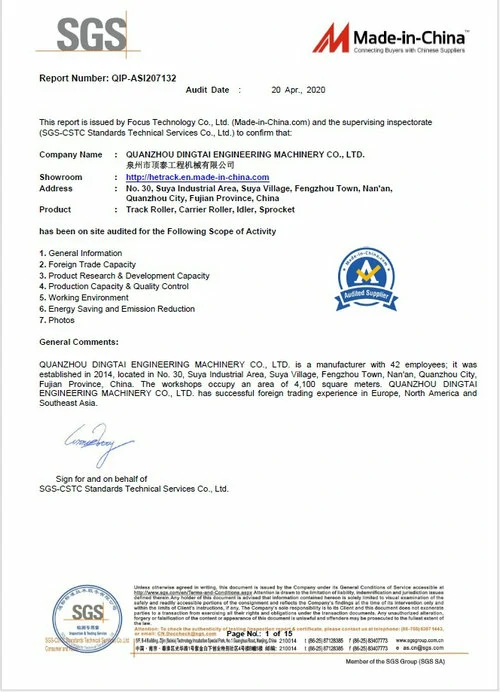
In my 20 years of manufacturing these parts at Dingtai, I have seen so many rollers fail just because of a tiny seal leak. When the oil leaks out, the friction inside the roller creates intense heat. This heat destroys the bearings quickly. If you check every day, you can see a "wet" spot on the roller or the track frame 1. This is a clear sign that the seal is failing.
How to Inspect Rollers Properly
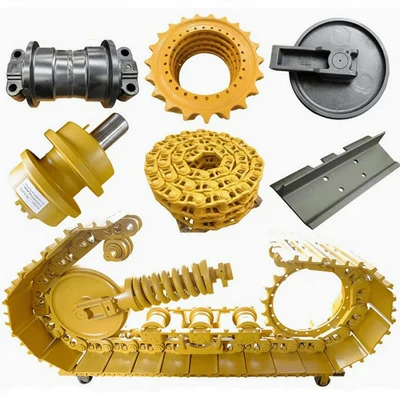
You do not need fancy tools to do this. Just look at the ends of the rollers where the shafts come out. If you see thick, black oil mixed with dirt, that is a leak. You can also touch the roller hub after a shift. If one roller feels much hotter than the others, the lubrication 2 is likely gone. We use high-quality duo-cone seals 3 in our Dingtai rollers to prevent this, but even the best seals can be damaged by wire or sharp rocks.
Roller Maintenance Schedule
| Interval | Action Item | What to Look For |
|---|---|---|
| Daily | Visual Inspection | Wet spots, oil drips, or heavy dirt buildup around seals. |
| Weekly | Physical Touch Test | Check for excessive heat or side-to-side play in the roller. |
| 500 Hours | Deep Clean | Remove all packed mud to see the seal area clearly. |
| 1000 Hours | Wear Measurement | Measure the diameter of the roller to check for thinning. |
What is the best method for me to remove packed mud to prevent it from freezing and damaging my seals?
I remember a customer in a cold climate who lost an entire set of seals in one week because the mud froze solid. It was a very expensive lesson for him to learn.
The best method to remove packed mud is to use a shovel or a specialized "track spade" at the end of every shift while the mud is still wet. For a deeper clean, a high-pressure power wash is effective for clearing debris from the seal guards and recessed areas.
The Danger of Frozen Debris
When mud stays in the undercarriage, it gets packed into the gaps between the rollers and the track links 4. If the temperature drops, this mud turns into ice. Ice expands and acts like a rock. It can press against the rubber load rings 5 of your seals and tear them. Once the seal is torn, dirt gets inside, and the roller is finished.
Best Practices for Cleaning
I suggest cleaning the undercarriage while the machine is still warm. It is much easier to scrape off wet mud than dried or frozen clay. Focus on the area around the idlers 6 and the carrier rollers. These spots tend to trap the most material. If you work in very sticky clay, you might need to clean the tracks twice a day. It sounds like a lot of work, but it is much cheaper than buying new parts.
Tool Comparison for Cleaning
| Tool | Effectiveness | Best Use Case |
|---|---|---|
| Hand Shovel | High | Daily removal of large chunks of mud and rocks. |
| Pressure Washer | Very High | Weekly deep cleaning to find hidden leaks or cracks. |
| Track Spade | Medium | Quick scraping of the link path during short breaks. |
| Air Compressor | Low | Only useful for dry dust or light sand, not mud. |
How do I monitor the wear rate of my bulldozer's "grouser" bars to maintain traction?
I often see owners running their tracks until the shoes are almost flat. They think they are saving money, but they are actually losing it through fuel and wasted time.
Monitor your grouser bars by measuring their height from the base of the shoe to the top of the bar using a depth gauge or ruler. Compare this measurement to the original OEM specifications; once the bar wears down to 30% of its original height, traction drops significantly.
Why Traction Matters for Your Bottom Line
When the grouser bars (the ribs on the track shoes) get thin, your bulldozer starts to slip. This slippage means you are burning fuel without moving dirt. It also puts extra stress on the rest of the undercarriage because the machine has to work harder to find grip. At Dingtai, we make sure our track shoes 7 are heat-treated to a specific hardness to slow down this wear, but eventually, every bar wears out.
Using Ultrasonic Tools or Manual Gauges
If you want to be very precise, you can use an ultrasonic wear indicator 8. This tool measures the thickness of the metal without you having to clean every bit of dirt off. For most owners, a simple metal ruler works fine. Keep a small notebook in the cab. Write down the height every 500 hours. If you see the height dropping fast, you know it is time to order new shoes or consider "re-grousering" (welding new bars on).
Grouser Wear Indicators
- 100% Height: Full traction, peak efficiency.
- 50% Height: You will notice some slipping in soft or wet ground.
- 25% Height: High risk of "spinning" the tracks, which damages the bushings 9.
- Below 10%: The shoes are now just flat plates and offer almost no pushing power.
Why is it important for me to rotate my bottom rollers to even out the wear patterns?
I have seen many undercarriages where the front and back rollers are totally destroyed while the middle ones look almost new. It is a waste of good steel.
Rotating your bottom rollers is vital because the rollers at the front and rear of the track frame carry more weight and experience more impact than the middle rollers. Moving them to different positions balances the wear across the entire set, extending the overall life of the undercarriage.
The Physics of Undercarriage Wear
When a bulldozer pushes a heavy load, the weight shifts. When you climb a pile, the rear rollers take the most pressure. When you are traveling, the front idler and the first roller take the hits from rocks. This means the rollers at the ends of the frame always wear out faster. If you leave them there, you will have to replace them while the middle ones still have 70% life left.
How to Execute a Rotation Plan
I recommend rotating rollers when they are about 50% worn. It is just like rotating tires on a truck. You move the rollers from the "high wear" end positions to the "low wear" middle positions. This simple task can add hundreds of hours to your undercarriage life. It is something your own team can do in the shop during a slow day 10.
Comparison of Wear by Position
| Roller Position | Wear Level | Primary Cause of Wear |
|---|---|---|
| Front Roller | High | Impact from obstacles and track entry. |
| Middle Rollers | Low | Steady weight distribution, less impact. |
| Rear Roller | Very High | Heavy loads during pushing and reversing. |
| Carrier Roller | Medium | Track slap and tension friction. |
Conclusion
Proper bulldozer undercarriage maintenance is about consistency. If you clean daily, check for leaks, and rotate your rollers, you will save thousands on parts and keep your machine working longer.
Footnotes
1. Community forum for discussing heavy equipment maintenance and track frame issues. ↩︎
2. Guide to high-performance lubricants designed for heavy-duty earthmoving equipment. ↩︎
3. Technical details on duo-cone seals used to protect bearings in harsh environments. ↩︎
4. Overview of track link construction and durability standards for crawler machines. ↩︎
5. Specialized information on polymer seals and rubber load rings for industrial use. ↩︎
6. Official manufacturer guide to undercarriage components including idlers and rollers. ↩︎
7. Leading supplier of undercarriage solutions and heat-treated track shoe components. ↩︎
8. Information on ultrasonic testing equipment for measuring metal thickness and wear. ↩︎
9. Global manufacturer providing insights into heavy machinery drivetrain and bushing longevity. ↩︎
10. Industry publication featuring best practices for construction fleet maintenance scheduling. ↩︎