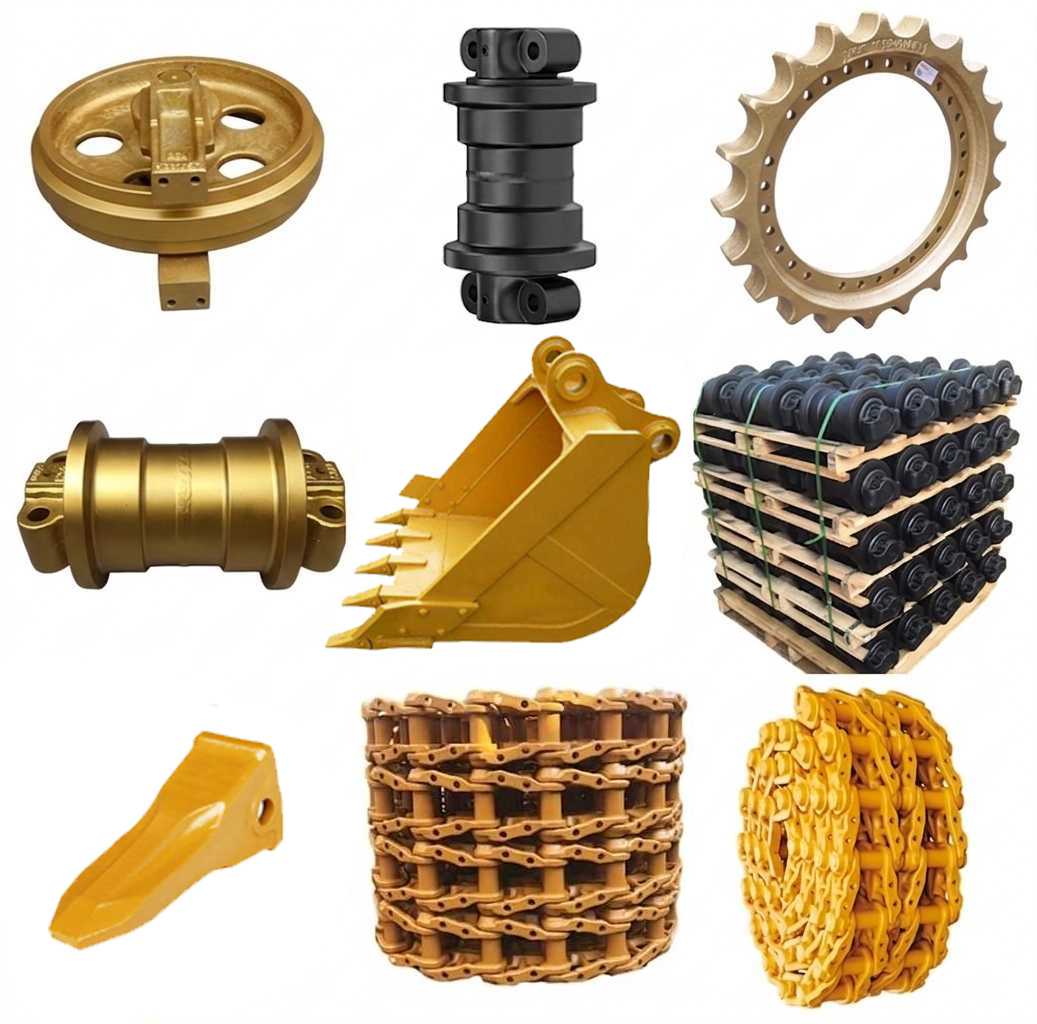
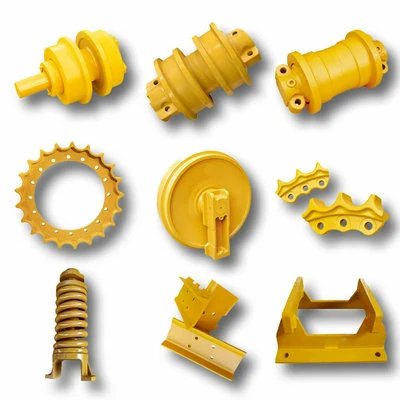
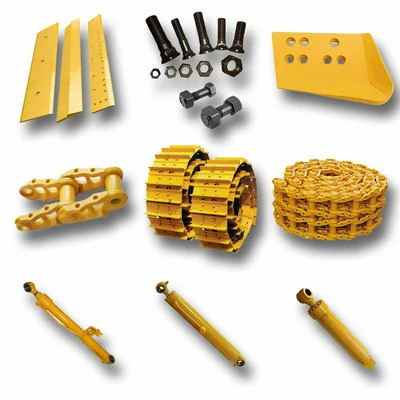
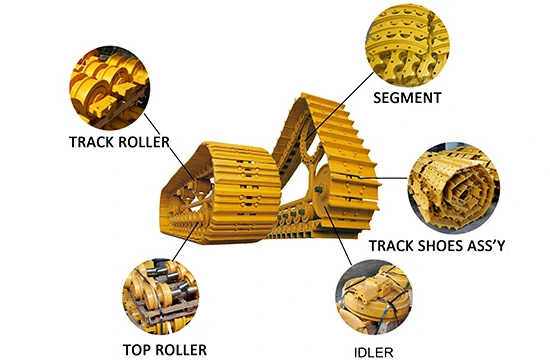
How Can I Discover the Best Excavator Undercarriage Parts Suppliers?

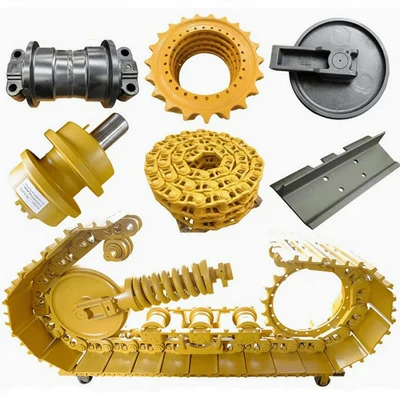
Industrial excavator with heavy-duty track system and digital security authentication icons

I know how stressful it is to find a supplier who actually delivers what they promise. When your machines are down, every minute costs money, and I hate seeing people get burned by bad parts.

To discover the best excavator undercarriage parts suppliers, combine thorough supplier due diligence with data-driven comparison across quality, fit, lead times, and after-sales support. You must verify their manufacturing history, technical reports, and customer feedback to ensure they meet global standards.

I have been in this industry for a long time, and I want to share the exact steps I use to separate the real experts from the middleman who just want a quick sale.

How do I identify a manufacturer with a proven track record of supplying global OEM brands?

Finding a manufacturer who works with the big names like Cat or Komatsu is like finding a golden ticket. It tells me right away that their quality control is up to a professional level.

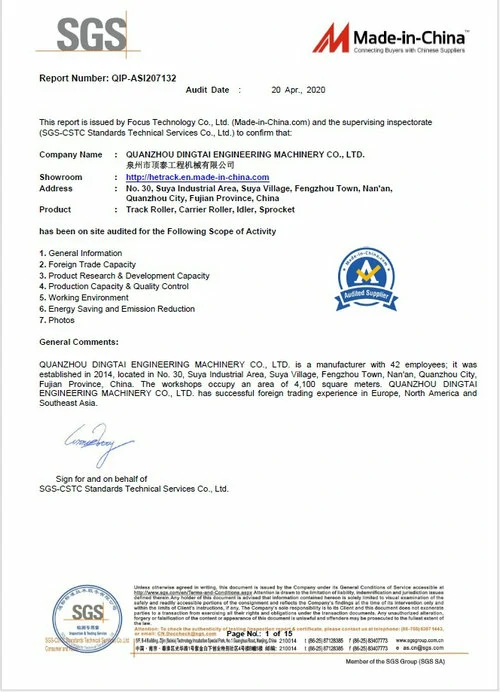
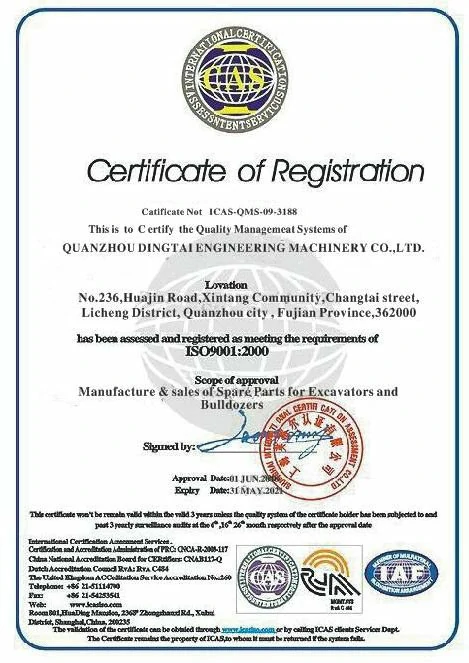
A manufacturer with a proven OEM track record will provide ISO 9001 certifications, material test reports, and specific examples of their parts being used in high-intensity environments. They should be able to explain their heat treatment processes and material chemistry in great detail.

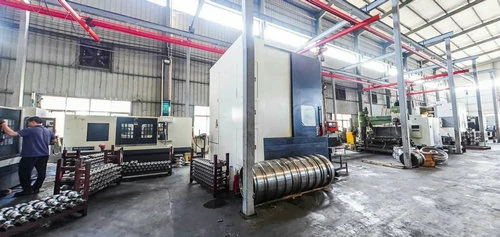
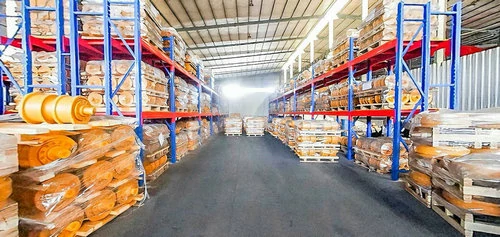
Factory technician monitoring industrial rollers near high-temperature metal processing furnaces

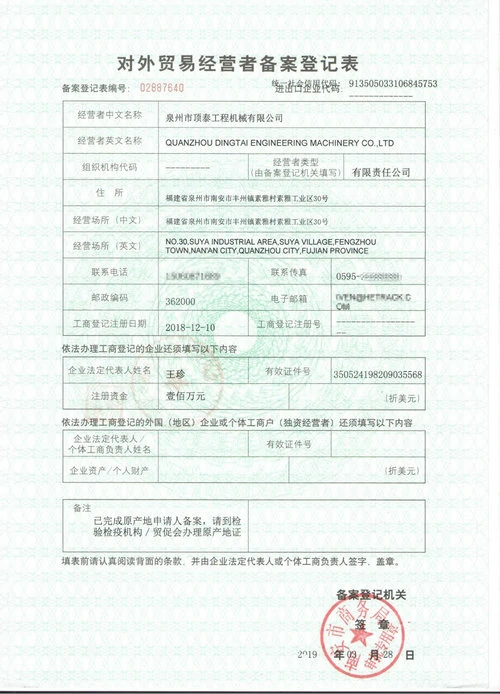
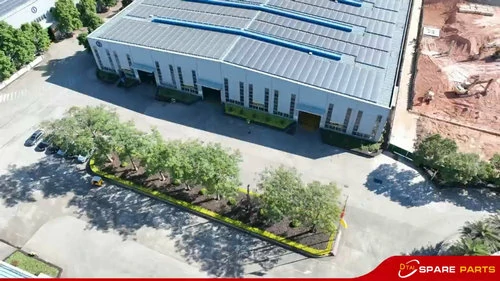
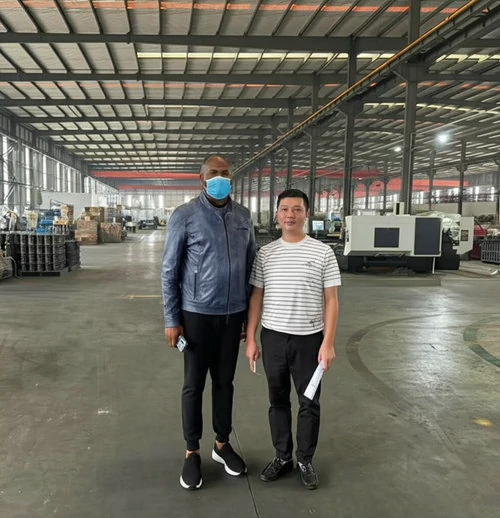
When I search for a new partner, I always start by looking at who they are already working with. In my 20 years of experience, I have learned that a real factory is proud of their workshop. If a supplier refuses to show you photos of their production line or their testing equipment, that is a huge red flag for me. I always ask for their ISO 9001 1 or SGS certificates 2 first. If they can’t produce these, I move on.

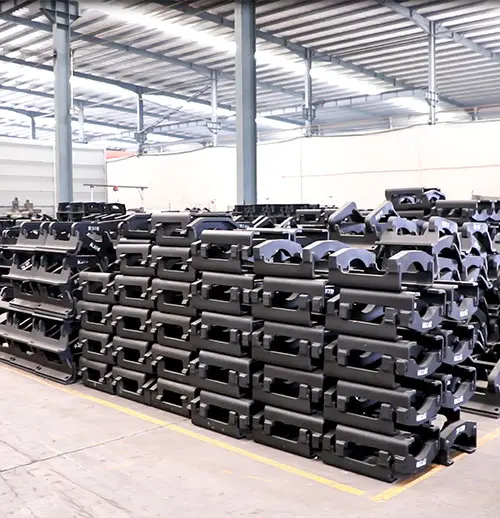
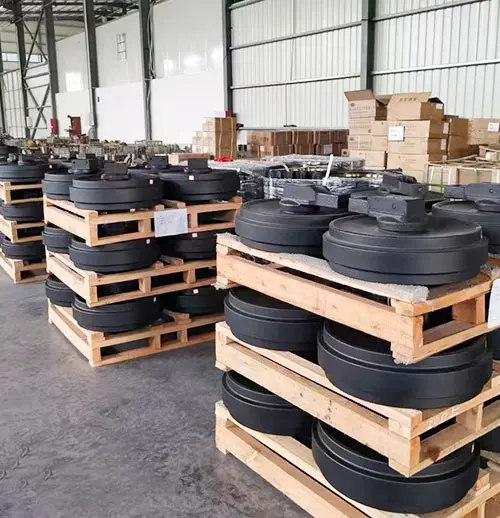
I also like to dig into the technical side. For example, I ask about the steel they use. A good supplier will tell you they use 40Mn2 or 35SiMn steel. They will talk about induction hardening 3 and how deep the "hard layer" goes on a track roller. If they just say "it is good quality," they probably don't know their own product. I once dealt with a supplier who promised OEM quality, but when I asked for a Material Test Certificate 4 (MTC), they went silent. That told me everything I needed to know.

Another great way to verify them is to ask for references. I often reach out to my friends in the trade. If a supplier has a good name among other traders, they are usually safe. You can also check if they attend major shows like Bauma 5. A company that invests in a big booth at an international show is usually looking for long-term partners, not just a one-time deal.

Comparison of Material and Hardness Standards

Part Name Common Material Surface Hardness (HRC) Hardness Depth (mm)
Track Roller 40Mn2 / 50Mn 52 - 58 7 - 10
Idler 35SiMn / 40Mn 50 - 56 5 - 8
Sprocket 35Mn2 48 - 54 4 - 7

Critical Quality Indicators

  • 100% Inspection: Do they check every single part before it goes in the box?
  • Traceability: Can they trace a part back to the specific batch of steel?
  • Warranty: Do they offer at least 12 months or 2,000 hours of coverage?

What red flags should I look for in a supplier’s quotation or technical response?

A quote tells you much more than just the price. If you know what to look for, you can spot a bad supplier before you even send them a single dollar.

Red flags include vague technical descriptions, prices that are way below the market average, and sales staff who cannot answer basic questions about heat treatment or material grades. If a supplier avoids talk about warranties or return policies, you should be very careful.

Engineering workspace with structural blueprints, tablet, and orange safety helmet on desk

I remember getting a quote once that was 30% cheaper than everyone else. I was tempted, but then I looked closer. The weight of the track chain was much lighter than the OEM spec 6. This is a classic trick. Some suppliers save money by using less steel or skipping the heat treatment process. If the quote doesn't list the weight, the material grade, or the hardness level, I immediately ask for it. If they can't give me a data sheet, I know the parts won't last.

Communication is another big one for me. I like to work with people like David Miller—professionals who know their stuff. If I ask a technical question about the bolt hole alignment 7 on a sprocket and the salesperson gives me a generic answer, I get worried. It means they don't have a technical team backing them up. A real manufacturer will send you a 2D or 3D drawing to confirm the fit before you order.

Also, look at the "fine print" regarding logistics and claims. If their policy for broken parts is "we will give you a discount on the next order," that is a bad sign. It means they don't stand behind their quality. A good partner will offer a full replacement or a refund if the part fails due to a factory defect. I always prefer a supplier who is transparent about their lead times 8 too. If they say "it's ready" but then take three weeks to send a tracking number, they are lying to you.

Typical Red Flags vs. Professional Responses

Feature Red Flag Response Professional Response
Material Info "High quality steel" "40Mn2 with MTC provided"
Hardness "Very hard, no worry" "HRC 52-58, induction hardened"
Drawings "Same as OEM" "Attached 2D CAD drawing for fitment"
Warranty "Negotiable" "12 months / 2000 working hours"

How can I use industry trade shows like Bauma or CONEXPO to vet my potential partners?

Trade shows are the best place to look a supplier in the eye. It is much harder to hide a lack of expertise when you are standing right in front of their products.

Trade shows allow you to physically inspect the finish of the parts, meet the technical engineering team, and verify the company's scale. You can ask for a live demonstration of their parts or view cross-section samples that show the depth of their heat treatment.

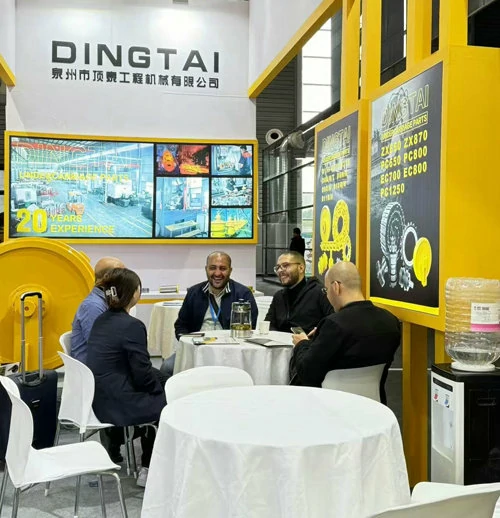
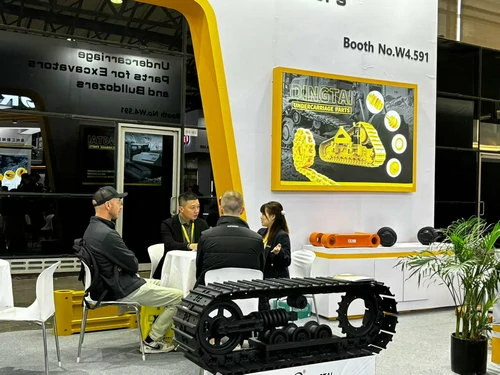
Large industrial bearing displayed at a modern trade show booth with professional attendees

When I go to Bauma or CONEXPO 9, I don't just look at the shiny paint. I look at the weld quality and the precision of the machining. I like to pick up a track bolt or a small roller and feel the weight. I also use this time to meet the owners or the head engineers. I want to know if they are invested in research and development. Are they just copying old designs, or are they improving the parts for tougher jobs like mining?

I always ask for a "cut-away" sample. This is a part that has been sliced in half to show the internal structure. If a supplier shows this, they are confident in their heat treatment. You can see exactly how deep the hardening goes. This is something you can't see in a photo on Alibaba or a website. I also check their booth for certificates from third parties like SGS or TUV.

Another tip is to watch how they treat other customers. Are they answering technical questions, or are they just handing out brochures? I once spent an hour sitting near a booth just to see how they handled a customer who had a complaint. The way a company handles a problem tells you more about them than how they handle a sale. If they were helpful and took notes, I knew they were a good long-term partner.

Checklist for Vetting at Trade Shows

  1. Request Cross-Sections: Check the depth of the hardened layer on rollers and links.
  2. Verify Engineering Staff: Ask to speak with a technical lead, not just a sales rep.
  3. Check Packaging: Ask how they protect parts from rust during sea freight.
  4. Confirm OEM Samples: Ask to see parts they have made for specific big-brand models.

Why is a supplier’s ability to provide a 100% pre-shipment inspection report critical for my business?

If the parts arrive at your warehouse and they don't fit, you have already lost. The shipping and duties are too expensive to risk a mistake, which is why I insist on inspection reports.

A 100% pre-shipment inspection report proves that every dimension, hardness level, and material spec has been checked before the container is sealed. This document acts as your insurance policy against downtime and costly returns, ensuring the parts are ready for immediate installation.

Worker using digital tablet for inventory tracking in a large shipping warehouse facility

I have seen many distributors lose their best customers because of one bad batch of idlers. If the dimensions are off by just a few millimeters, the track won't stay on. That is why I always tell my suppliers: "No report, no payment." A real factory has a Quality Control 10 (QC) department that uses calipers, hardness testers, and ultrasonic tools. They should be able to send you a PDF report with photos of your actual order being tested.

When I receive a report, I look for the serial numbers. I want to see that they actually measured the parts, not just filled out a form with "OK" in every box. I look for specific numbers, like "HRC 55" or "Pitch: 171.45mm." This gives me peace of mind. It also makes my life easier if I ever have a warranty claim later. I have a record of how that part looked when it left the factory.

For my business, this is about building a brand. If I sell a track chain to a mining company, and it breaks in a week, my reputation is ruined. But if I can show my customer the inspection report and the material certificate, they trust me. They know I did my homework. I always favor suppliers who offer "Smart Undercarriage" features too, like QR codes on the parts that link to these digital reports. It shows they are modern and professional.

Standard Inspection Points for Undercarriage Parts

Inspection Type Tools Used Purpose
Dimensional Vernier Calipers / CMM Ensures perfect fit on the machine
Hardness Rockwell Hardness Tester Verifies wear resistance and life span
Metallurgical Spectrometer Confirms the correct steel alloy was used
Visual High-Res Camera Checks for surface cracks or paint defects

Conclusion

Finding the right supplier takes time, but it is the best investment you can make for your business. Focus on technical data, check their track record at trade shows, and never skip the inspection reports.

Footnotes

1. Official guide to ISO 9001 quality management system requirements and benefits. ↩︎
2. Overview of SGS certification services for verifying manufacturing quality and compliance. ↩︎
3. Technical explanation of induction hardening used to increase surface durability of steel parts. ↩︎
4. Importance of material testing to verify the chemical and physical properties of steel. ↩︎
5. Website for Bauma, the world's leading trade fair for construction machinery and equipment. ↩︎
6. Resource for understanding original equipment manufacturer specifications for heavy machinery undercarriages. ↩︎
7. Industry standards for fastener and bolt hole patterns in mechanical engineering applications. ↩︎
8. Definition of lead time and its importance in supply chain management efficiency. ↩︎
9. Official site for CONEXPO-CON/AGG, North America's largest construction trade show. ↩︎
10. Principles of quality control used to ensure products meet defined quality criteria. ↩︎

Free Quote & Information Request

Leave your inquiry, we will provide you with quality products and services!

Excavator & Bulldozer Undercarriage Parts Expert - Quality Track Roller, Carrier Roller, Sprocket Wheel
Privacy Overview

This website uses cookies so that we can provide you with the best user experience possible. Cookie information is stored in your browser and performs functions such as recognising you when you return to our website and helping our team to understand which sections of the website you find most interesting and useful.