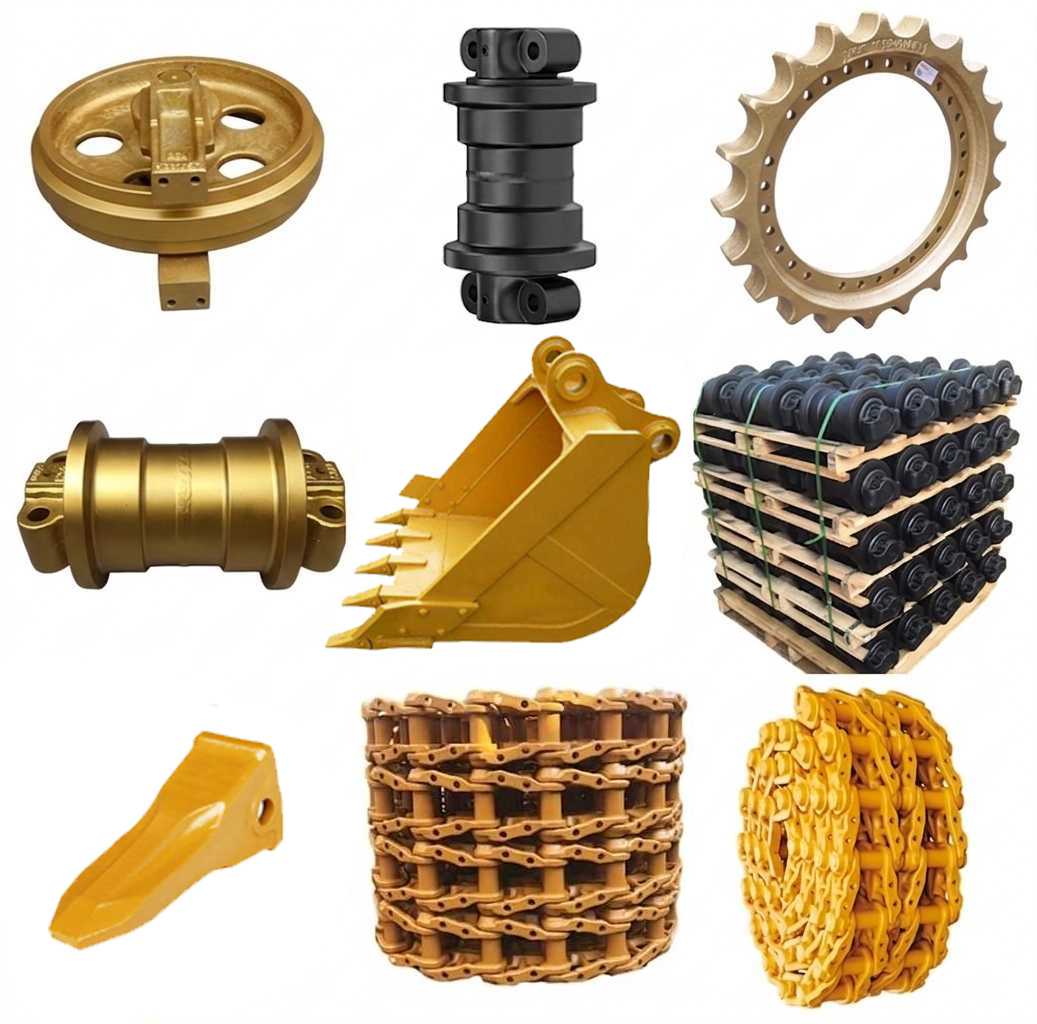
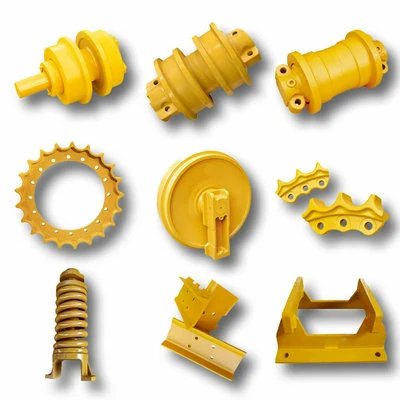
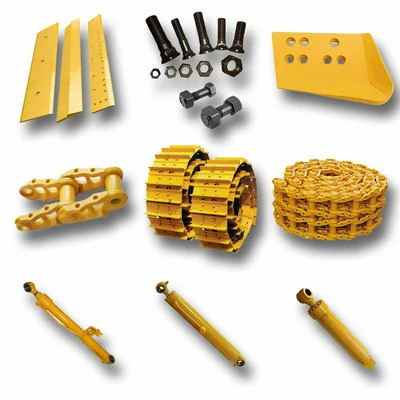
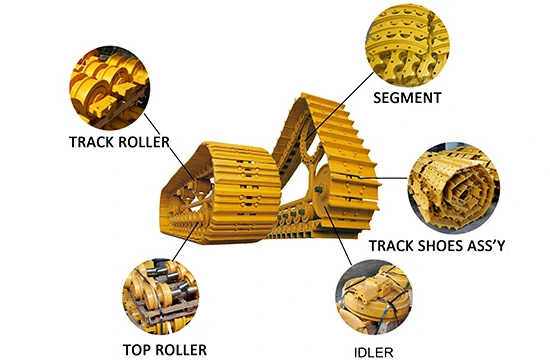
What Are My 4 Essential Tips for Selecting Excavator Undercarriage Parts?

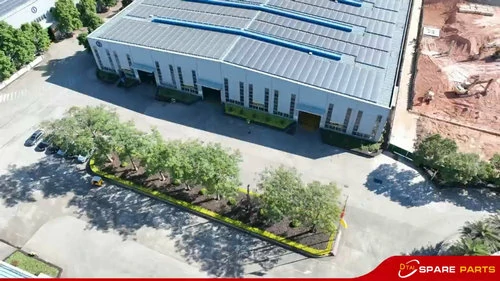
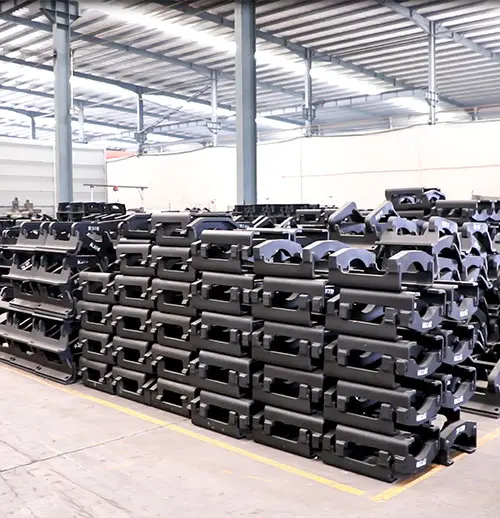
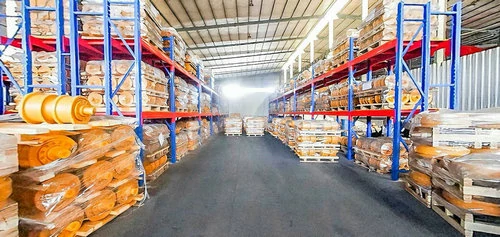
Close-up of heavy-duty industrial excavator tracks in a modern warehouse facility.

I know how frustrating it is when a machine breaks down on the job site. Finding the right parts feels like a gamble when you are worried about downtime and costs.

To select the best excavator undercarriage parts, you must prioritize exact model compatibility, verify material quality like boron steel, and check for deep heat treatment. Focus on total cost of ownership by choosing parts that match your specific terrain and offer strong warranty support from the manufacturer.

Choosing the wrong part can lead to a disaster that stops your project and drains your bank account. Let me guide you through the professional steps I take to ensure every part I buy is built to last.

How do I verify that the raw materials used meet OEM boron steel specifications?

I always start by asking for the material composition because I cannot afford to install weak steel on a heavy machine. If the metal is soft, the tracks will stretch and break within weeks.

Verifying boron steel involves requesting Material Test Certificates (MTCs) from the supplier to confirm the chemical makeup. High-quality undercarriage parts use 30MnB or similar boron alloys, which provide the necessary hardness and toughness to survive high-impact construction environments without cracking or wearing down prematurely.

Quality control inspector using a digital caliper to measure conveyor chain precision.

Why Boron Steel Matters for Your Machine

When I look at a track link or a roller, I see more than just a chunk of metal. I see the backbone of the entire machine. In my 20 years of experience, I have learned that standard carbon steel just does not cut it for heavy-duty work. Boron steel 1 is special because it can be hardened much deeper than regular steel. This means as the part wears down, the surface remains hard. If you use inferior materials, the part might look good on the outside, but it is soft on the inside. Once that thin outer layer is gone, the part fails rapidly.

How to Read a Material Test Certificate (MTC)

I always tell my team to look for specific numbers. An MTC 2 is a document from the steel mill that tells you exactly what is inside the metal. You want to see a specific percentage of Boron, usually around 0.0008% to 0.003%. It sounds small, but it changes everything. Without this, the steel won't react correctly to the heat treatment process. I always compare these reports against the standards set by big brands like Caterpillar or Komatsu. If a supplier cannot show me this paper, I do not buy from them. It is that simple.

Common Materials Used in Undercarriage Parts

Component Common Material Key Benefit
Track Links 35MnB / 40Mn2 High strength and deep hardenability
Track Shoes 25MnB Excellent resistance to bending and impact
Rollers 40Mn2 / 50Mn Great wear resistance for constant rotation
Bushings 20CrMnTi Hard surface with a tough, flexible core

Red Flags in Material Sourcing

I have seen many "cheap" parts fail because the manufacturer used recycled scrap steel 3. This steel has impurities like sulfur or phosphorus that make the metal brittle. When a 30-ton excavator hits a rock, a brittle link will snap like a dry twig. I always check if the manufacturer gets their steel from reputable, large-scale mills. Consistency is the goal. If the first batch is good but the second batch breaks, your supplier has a sourcing problem. I prefer working with manufacturers who have a stable supply chain and 100% inspection protocols.

What specific heat treatment depth should I look for to ensure long-term durability?

I always check the "quench and temper" data because the surface hardness is useless if it is only skin-deep. I need parts that stay hard even after months of grinding against rocks and abrasive sand.

For long-term durability, look for an induction hardening depth of 7mm to 10mm for track links and at least 3mm to 5mm for rollers. The surface hardness should reach 45-55 HRC (Rockwell Scale). This ensures that the component maintains its structural integrity as the outer surface gradually wears away.

Industrial large gear manufacturing process with intense sparks during metal heat treatment.

The Science of Induction Hardening

I like to think of heat treatment as the "soul" of the part. You can have the best steel, but if you don't heat it correctly, it is useless. Induction hardening 4 uses electricity to heat the surface of the part very quickly before dipping it into water or oil. This creates a hard shell. However, the core of the part must remain "tough" or slightly flexible. If the whole part is hard, it will shatter. If it is too soft, it will deform. Finding that balance is what separates a premium manufacturer from a backyard shop.

Depth vs. Surface Hardness

A lot of sales people will tell you their parts are "hard." I always ask, "How deep?" If the hardness only goes 1mm deep, that part is a waste of money. In my experience, a track link needs a deep "wear path." As the link rubs against the rollers, it loses material. If the hardness goes deep, the new surface revealed by wear is just as tough as the old one. This is why I insist on seeing cross-section photos of parts that have been cut and etched with acid to show the "heat-affected zone."

Heat Treatment Standards by Part Type

Part Name Target Hardness (HRC) Hardness Depth (mm) Why it matters
Drive Sprocket 45 - 52 5 - 8 Prevents teeth from rounding off
Track Pin 52 - 60 2 - 3 Reduces internal friction and "snaking"
Idler Rim 50 - 56 4 - 7 Keeps the track aligned under heavy loads
Bottom Roller 50 - 55 3 - 5 Supports the weight of the entire machine

The Danger of Uneven Cooling

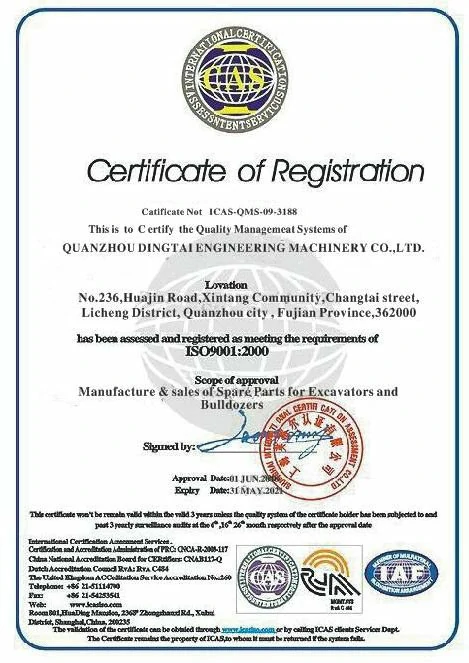
When I visit factories, I watch the cooling process closely. If the parts are cooled too fast or unevenly, they develop internal stresses. These are like tiny invisible cracks waiting to explode. I’ve seen sprockets lose entire teeth because the heat treatment was inconsistent. A professional manufacturer uses automated machines to ensure every single part gets the exact same temperature and cooling time. This consistency is why I trust a factory with ISO 9001 5 certification and a long history of production.

How can I confirm that the parts are fully compatible with my specific Caterpillar or Komatsu models?

I once ordered a set of rollers that were just 2 millimeters off, and it was a nightmare. They wouldn't sit right on the frame, and I lost two days of work just trying to fix the mistake.

To confirm compatibility, always verify the Part Number, the Machine Serial Number, and the Arrangement Code. Compare the dimensions of the new part—such as the link pitch, bushing diameter, and bolt hole spacing—against the OEM specifications provided in your machine’s service manual.

Engineer using a digital tablet to review technical blueprints of industrial machinery parts.

Why "Close Enough" is Never Good Enough

In the world of heavy machinery, 1 millimeter can be the difference between a machine that works and a machine that breaks. I have seen people try to force a Komatsu-style part onto a Caterpillar machine because they looked similar. This leads to "pitch mismatch." When the holes in the track don't line up perfectly with the teeth on the sprocket, the metal starts to grind and scream. It creates heat, wastes fuel, and destroys the new parts in half the time. I always double-check the track link pitch 6 (the distance between the center of two pins) before I even open the shipping crate.

Using Serial Numbers and Arrangement Codes

I always keep my machine's nameplate photo on my phone. Many people don't realize that a "Cat 320" can have five different types of undercarriages depending on when and where it was built. You need the full Serial Number 7. For example, a machine built for the swamp will have a different track configuration than one built for a rock quarry. I ask my suppliers to run my serial number through their database. If they can't do that, they don't know the product well enough to be my partner.

Key Dimensions to Measure for Fitment

Dimension What to Measure Tool Needed
Link Pitch Distance between pin centers Large Calipers
Bushing OD Outer diameter of the bushing Micrometer
Bolt Hole Spacing Center-to-center of mounting holes Tape Measure / Caliper
Flange Width Width of the roller where it hits the link Calipers

The Importance of "Dry Fit" Testing

Whenever I work with a new supplier, I perform a "dry fit." I take one link or one roller and try to install it. I look for any rubbing or gaps. I also check the "float." The part should be snug but have enough room for grease and movement. If I have to use a sledgehammer to get a pin in, something is wrong. I prefer parts that are "drop-in" ready. This saves my mechanics time and saves me money on labor.

Why is it vital to choose a manufacturer that offers a comprehensive warranty and technical support?

I have bought cheap parts before and when they broke, the seller disappeared. I ended up paying twice—once for the bad part and again for the replacement. I learned my lesson the hard way.

Choosing a manufacturer with a strong warranty and technical support is vital because undercarriage parts are high-wear items subject to extreme stress. A reliable warranty protects your investment against manufacturing defects, while technical support ensures you get the right parts and installation advice to maximize the lifespan of your equipment.

Technical presentation showing detailed mechanical drawings on a large screen in a boardroom.

A Warranty is a Promise of Quality

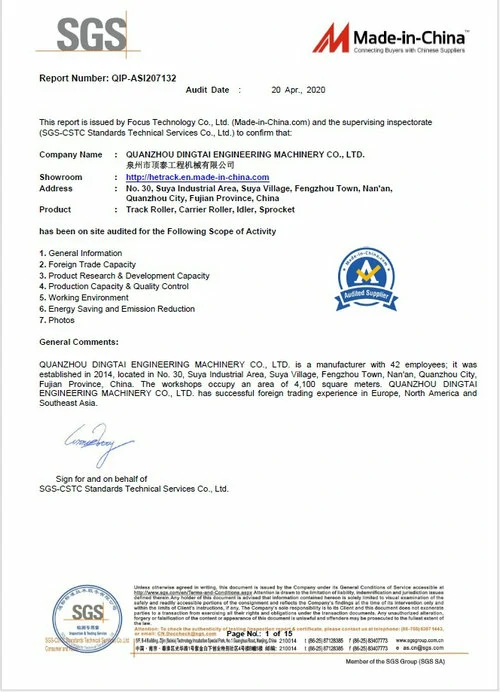
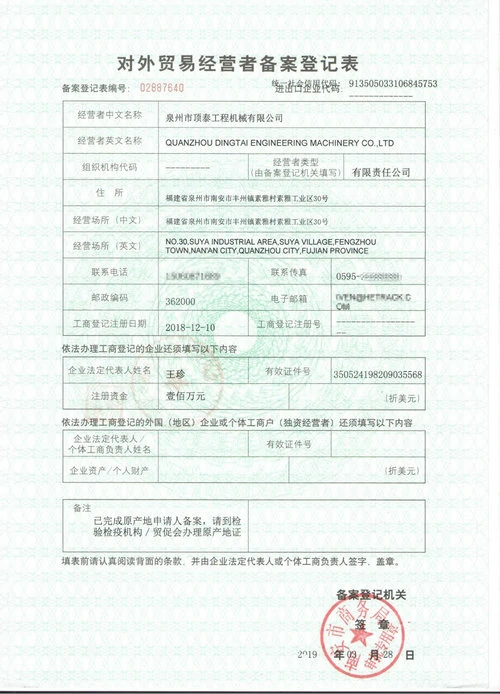
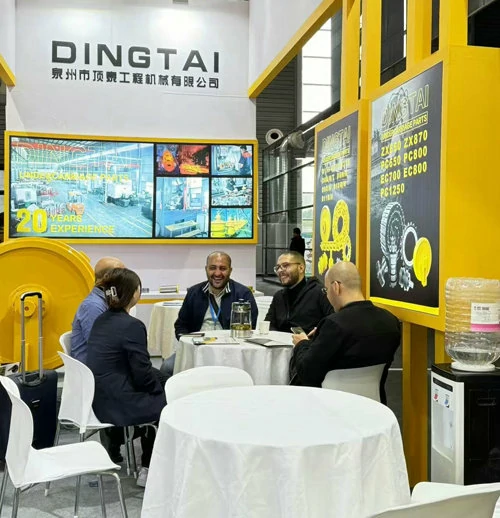
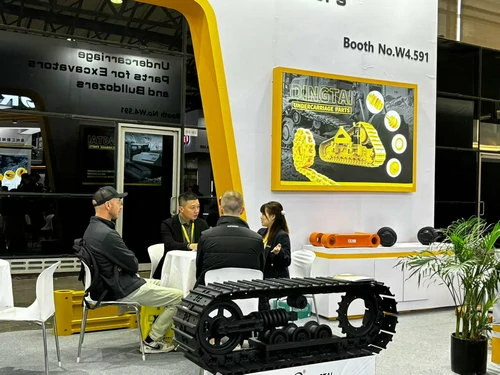
I don't just look at the length of the warranty; I look at what it covers. A good manufacturer will offer a "pro-rated" warranty based on the wear of the part. If a track chain breaks at 10% wear, I expect a full replacement. If it breaks at 80% wear, that is just normal use. I like working with companies like Dingtai 8 because they stand behind their products. It shows they trust their own manufacturing process. If a supplier is afraid to give a 12-month or 2,000-hour warranty, it means they know their parts might not last that long.

The Value of Technical Consulting

Sometimes, the problem isn't the part; it's how it's being used. I value a supplier who can look at my job site photos and say, "David, you are using the wrong track shoes 9 for this rocky ground." That kind of advice is worth more than a discount. A good technical team can help you choose parts that are customized for your specific environment. For example, if I am working in wet clay, I need "mud holes" in my track shoes so the mud can squeeze out. A simple sales person won't know that, but a technical expert will.

What a Good Support Package Looks Like

Service What You Should Expect My Personal Preference
Warranty Period 12 months or 2,000 working hours At least 18 months for premium lines
Technical Support Response within 24 hours A dedicated engineer for my account
Documentation Installation guides and wear charts Digital copies sent with the invoice
Claim Process Clear photos and a simple form No-hassle replacement for clear defects

Building a Long-Term Strategy

I am not just looking for a one-time deal. I want a partner who helps my business grow. When I have a technical question at 10 PM, I need someone who answers. When a shipment is delayed, I need a tracking number 10 immediately. This level of service allows me to keep my promises to my own customers. In the heavy equipment world, reputation is everything. Working with a manufacturer that provides full support makes me look like a hero to my clients because their machines stay running.

Conclusion

Selecting the right undercarriage parts requires checking materials, heat treatment, and exact fitment. Focus on quality and support to reduce your long-term costs and keep your machines moving.

Footnotes

1. Explanation of why boron steel is the superior choice for high-impact machine parts. ↩︎
2. Guide to understanding Material Test Certificates for quality assurance in steel procurement. ↩︎
3. Insight into how raw material purity affects the structural integrity of heavy machinery. ↩︎
4. Overview of the induction hardening process used to extend the wear life of metal components. ↩︎
5. Information on ISO 9001 standards for maintaining high-quality manufacturing operations. ↩︎
6. Forum for heavy equipment experts discussing technical specifications like track link pitch. ↩︎
7. Official guide for identifying Caterpillar equipment using serial numbers and prefixes. ↩︎
8. Professional manufacturer of durable excavator undercarriage parts and technical solutions. ↩︎
9. Advice on selecting the proper undercarriage configuration for different work environments. ↩︎
10. Tool for monitoring the delivery status of critical replacement parts to avoid downtime. ↩︎

Free Quote & Information Request

Leave your inquiry, we will provide you with quality products and services!

Excavator & Bulldozer Undercarriage Parts Expert - Quality Track Roller, Carrier Roller, Sprocket Wheel
Privacy Overview

This website uses cookies so that we can provide you with the best user experience possible. Cookie information is stored in your browser and performs functions such as recognising you when you return to our website and helping our team to understand which sections of the website you find most interesting and useful.