How Can I Trust That Your Undercarriage Parts Will Be Durable in My High-Wear Applications (Like Mining) in Brazil?

Heavy excavator working on a red soil construction site with dust trails.

I know you worry about parts failing in the tough Brazilian mines. That problem of quick wear can kill your budget and stop your work fast. I can help you find parts that last.

You can trust our parts' durability by checking our materials, heat treatment processes, and real case studies from places just as tough as your Brazilian sites. We use special high-strength steel and strict quality checks, which means our parts are made to handle extreme abrasion and long hours of work without breaking down.

Choosing the right partner is key when your work is in one of the toughest environments on Earth. You need to know that the parts you buy will stand up to the abrasive iron ore and the high humidity of a Brazilian mine site. Don't worry, we can dig into the proof and details you need right now.

Can You Provide Material Specifications (Steel Grade, Hardness) for Your Mining-Grade Parts?

You are asking a great question. You need to know exactly what steel we use, because if the material is wrong, the part will fail fast. I once bought a chain from a supplier who would not give me the specs, and it failed in half the time. I learned my lesson: always check the specs.

We can provide full material certificates, showing the specific steel grade and hardness for every high-wear part you buy. Our mining-grade components are mainly made from highly specialized steel alloys, like 50Mn2, which goes through a deep heat treatment process to give a hardness rating between HRC 50 and HRC 58.

Glowing molten steel rail being processed in a modern industrial factory.

We know that a mining site in Brazil is not like a general construction site. The ground is often abrasive, which acts like sandpaper on your undercarriage parts. This means we must use materials that are much harder and stronger than the standard steel alloy specifications 1 you find in the market.

The Importance of Steel Grade and Heat Treatment

The steel grade is the recipe for the metal. For parts like track chains and sprockets, we choose alloys that have high amounts of manganese (Mn) and often a little chromium (Cr) or molybdenum (Mo). This blend gives the steel two things: great strength and resistance to hard impacts.

Heat treatment is the cooking process. It is just as important as the steel type. We use two main methods:

  • Deep Induction Hardening: This is used for parts like track links and track rollers. We heat only the working surface very fast, and then cool it fast. This makes the outside surface extremely hard to resist wear, while the core of the part stays tough and flexible to absorb shocks.
  • Thru Hardening: This is often used for track shoe bolts and some small, critical pins. We heat the entire part. This makes the whole part hard, not just the surface.
Component Recommended Steel Grade Hardness Range (HRC) Key Treatment Method
Track Chain Link 50Mn2 or 40Mn2 50 - 58 Deep Induction Hardening
Track Roller Shell 40MnB 50 - 56 Deep Induction Hardening
Sprocket/Segment 35CrMo or 40Cr 45 - 55 Thru Hardening or Induction

I think this table makes it very clear what you get. This level of detail shows you we are a serious manufacturer, not just a trader. We control this process because we are the factory. We never use cheap steel that cracks or wears down fast.

Why Forging Beats Casting for Critical Parts

You should also look at how a part is made. For critical parts like sprockets or track links, we always use forging, not casting. Forging is like hammering the steel into shape. This process presses the metal very tight. It removes tiny air bubbles and makes the metal grain flow in a direction that gives it maximum strength.

Casting is like pouring liquid steel into a mold. It is cheaper, but the metal is less dense and can have internal defects. If you hit a cast part hard in a mine, it can crack easily. A forged part will take that hit and keep working. This simple difference in manufacturing method is a big reason why our parts last longer in tough places. The density and continuous grain flow from forging technology 2 give the part a superior ability to handle the constant, heavy shock loads typical of large mining excavators and dozers. When you see a high-quality part, you are seeing a forged part. We insist on this for all main structural components.

Do You Have Test Reports or Case Studies from Other Mining Clients?

It is good to ask for proof. Anyone can say their parts are great, but the real test is seeing them work in the field. When I was starting out, I learned fast that what works in a mild climate fails quickly in a harsh mine. This is why I always check the supplier's real-world history.

Yes, we can share specific test reports from ISO-certified labs and case study summaries from mining clients in similar high-abrasion regions. These reports focus on tracking the actual wear life (in hours) of our track chains and rollers compared to OEM parts in high-wear materials like iron ore and quartz.

Quality control inspector holding a precision metal bearing near data charts.

Real-world testing is the best way to prove quality. We work under strict international quality standards. We do not just guess; we measure.

The Power of Real-World Data and Certification

For many years, we have supplied parts to global markets. This means our parts have worked in every kind of tough environment, including mines that look just like the ones in Brazil.

We do two main types of proof-of-performance:

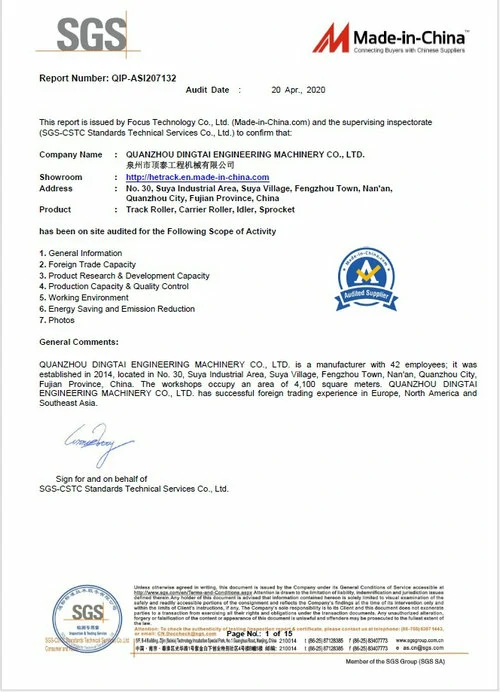
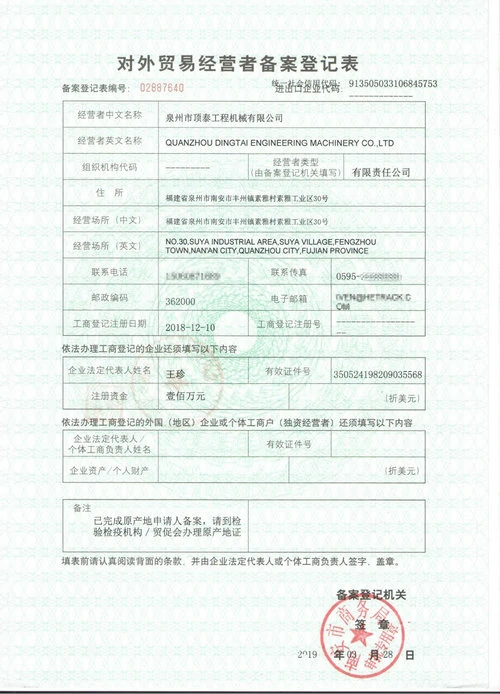
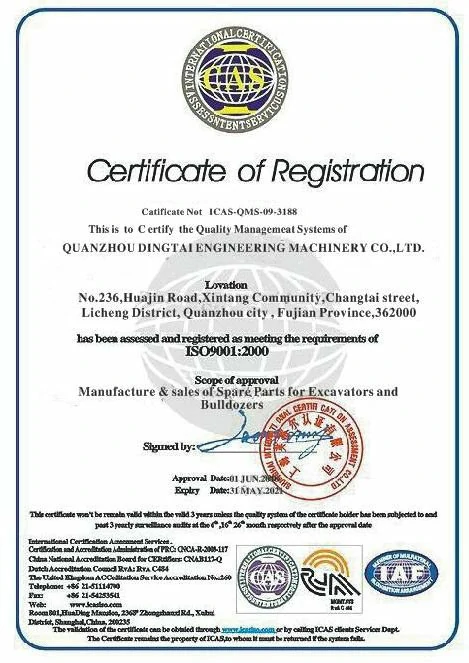
  1. Laboratory Test Reports: Before a new part design even goes to the field, we test the materials in a lab. We get ISO 9001 3 certification to show that our whole factory follows a high standard. We also use third-party inspection groups, like SGS inspection services 4, to check the quality of specific batches before they ship. They check the chemical content of the steel and the hardness of the heat-treated surface.
  2. Field Case Studies: These are records from actual customers. A case study is a detailed report that shows:
    • The Machine Model: Like a CAT D11 or Komatsu PC2000.
    • The Work Environment: For example, "Open-pit iron ore mine, high dust, high humidity."
    • The Part Life: The actual hours the part worked before it needed replacement.
    • The Comparison: How our part life compares to the OEM part or the competitor's part.

We use this data to prove that our parts often meet or beat the OEM life. If a competitor says their part lasts 3,000 hours, and we can show you a report where our part lasted 3,500 hours in the same mine, that is the best proof we can give you. We focus on getting results that are 25% to 50% better than standard aftermarket parts, especially in the high-wear materials 5 zones.

The Critical Role of Quality Control (QC)

We do not just rely on the final test. Quality is built into the product at every step. This is a QC process that we follow on the factory floor:

QC Stage Component Checked Key Measurement Point Why it Matters
Material In Steel Rods/Blocks Chemical Composition Test Ensures the steel grade is correct before production.
Heat Treatment Track Links, Rollers Hardness Depth and Surface HRC Guarantees wear resistance and core toughness.
Final Assembly Track Chains Pin and Bushing End Play (Tolerance) Ensures smooth rotation and prevents premature wear in the field.

This detailed control is why we can stand by our product. It reduces your risk of a sudden failure and helps you plan your maintenance better. When you buy from us, you get a full set of QC documents that match the parts we ship to you. This is the transparency you need for large-scale procurement strategies 6.

What Specific Design Features (e.g., Better Seals, Stronger Steel) Do You Use?

In this business, small design changes make a big difference, especially in high-abrasion work. The difference between a part that lasts one year and a part that lasts two years is often hidden in the details. I have seen parts fail just because the seal was too cheap.

For high-wear applications, our parts include specific design features like high-quality floating duo-cone seals, specialized mud relief profiles on the track rollers, and deeper case hardening depths. These features are all made to fight off the two biggest enemies in mining: abrasive material entry and high shock loads.

3D render of a heavy-duty spherical roller bearing on a steel shaft.

Fighting wear in a mine is an engineering battle. We must think about how the dirt, rocks, and water attack the parts.

Sealing Systems: The Lifeblood of Your Undercarriage

For any rotating part—like a track roller or idler—the most important piece is the seal. If the seal fails, dirt and water get in. This dirt acts like sandpaper inside the part, and the part fails very fast.

  • Duo-Cone Seals: We use high-grade floating seals 7, often called 'Duo-Cone' seals. These are two metal rings that are perfectly machined, held together by a strong rubber O-ring. They create a very tight barrier. The high precision and the quality of the rubber are key. We ensure our seals can handle extreme temperature changes and are resistant to the chemicals found in mine water. This keeps the oil in and the dirt out, which means a much longer life for the internal bushings and shafts.
  • Grease-Sealed Track Chains: For our track chains, we use a grease-sealed system. The area between the pin and the bushing is packed with grease and then sealed. This keeps the internal wear surfaces lubricated and, most importantly, keeps the fine, abrasive dust from getting in. This simple step can add hundreds of hours to the life of a track chain in a very dirty mine.

Design for Wear and Impact Management

We also change the physical shape and strength of the parts to handle the stress:

  1. Mud Relief: Our track rollers and idlers have a special shape on the side walls. We call this a mud relief profile. It is a slight gap or taper that helps the dirt and mud fall out as the track moves. If the mud is packed tightly against the roller, it increases wear dramatically. This design feature lets the parts self-clean as they work.
  2. Increased Flange and Rim Thickness: For high-load machines, we increase the thickness of the roller flanges and the drive segment rims. More metal means more wear life. It is simple: a thicker part takes longer to wear through. We use this to directly address the 20% to 40% faster wear rate seen in abrasion resistance 8 tests for high-abrasion Brazilian soils.
  3. Fixed Pin and Floating Idler Design: This advanced design simplifies the track assembly. It holds the track shoe and link together very securely. The 'floating idler' allows for better tension management, which reduces the overall stress on the entire track system. This makes the assembly easier to manage and less prone to failures from over-tensioning.

What Warranty Do You Offer Specifically for These High-Wear Applications?

A warranty is not just a piece of paper; it is our promise. If a company does not stand by its product with a clear warranty, you should not buy it. This is even more true for parts used in a high-risk place like a Brazilian mine.

We offer a clear and competitive warranty on our mining-grade undercarriage parts, typically covering 3 to 4 years or up to 4,000 operational hours against manufacturing defects. For established partners, we can discuss application-specific guaranteed wear life programs, providing an extra layer of financial security for your high-wear operations.

Two industrial professionals shaking hands in front of a factory at sunset.

When we talk about a warranty for mining parts, we need to be very clear about the terms. The conditions in a mine are extreme, so a product warranty 9 might not be enough.

Our Warranty and Claim Process

Our warranty is based on a years-or-hours standard, whichever comes first. For example, 4,000 hours or 3 years. This is common for high-quality OEM-level suppliers. What matters is what happens when a part fails.

  • Fast Response: If a part fails early, you need a quick answer. Our promise is to respond to any claim within 48 hours. We know that every day a machine is down, you are losing money.
  • Clear Investigation: We will ask for photos, the machine’s service log, and the wear report. We will use our technical team to find the cause. If the failure is due to a defect in our material or manufacturing, we will replace the part fast.
  • Local Support Advantage: While we ship from China, our commitment is global. For large orders, we work to have parts ready for fast shipping to key ports serving Brazilian mining industry 10 regions, minimizing your wait time. This support is critical because the part must move from our factory to your site as fast as possible.

The Value of a Guaranteed Wear Life Program

For a company like yours, which is a major distributor, we can offer something better than a standard warranty: a Guaranteed Wear Life Program.

How the Program Works:

  1. We look at your specific mine data: the type of soil, the machine model, and the number of hours the machine works each month.
  2. We then agree on a minimum number of hours our part must last (e.g., 3,200 hours).
  3. If the part wears out before that agreed-upon time, we give you a credit for the difference. For example, if we guarantee 3,200 hours, but it only lasts 2,800 hours, you get a credit for the lost 400 hours of life.
Warranty Type Coverage Scope Key Advantage for You Typical Time/Hours
Standard Warranty Manufacturing defects (cracks, bad assembly, material failure) Protection against factory faults. 3 Years or 4,000 Hours
Guaranteed Wear Life Wear-out before an agreed-upon minimum service life Financial assurance against premature abrasion wear in tough sites. Set by mutual agreement (e.g., 3,200 Hours)

This program moves the risk away from you and puts it on us. It proves that we are confident in our product's durability in your specific, tough work area. This is the difference between a simple supplier and a long-term strategic partner.

Conclusion

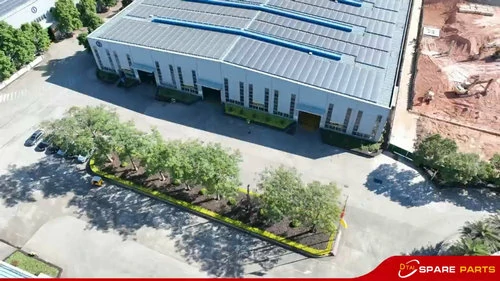
You can be confident in our undercarriage parts because we back our claims with certified materials, precise heat treatments, and a clear, strong warranty. We are the factory, and we control the quality from the raw steel to the final shipment.

Footnotes

1. Standards for chemical and mechanical properties of steel alloys. ↩︎
2. Technical resources regarding the benefits and processes of metal forging. ↩︎
3. Official site for ISO 9001 quality management system standards. ↩︎
4. Global leader in inspection, verification, testing, and certification services. ↩︎
5. Academic overview of materials designed to resist mechanical wear. ↩︎
6. Professional insights into strategic sourcing and supply chain procurement. ↩︎
7. Specialized engineering solutions for mechanical sealing in heavy machinery. ↩︎
8. Information on steel grades specifically engineered for extreme abrasion resistance. ↩︎
9. Consumer and commercial guidelines regarding product warranties and protections. ↩︎
10. Global news and data covering trends in the international mining sector. ↩︎

Free Quote & Information Request

Leave your inquiry, we will provide you with quality products and services!

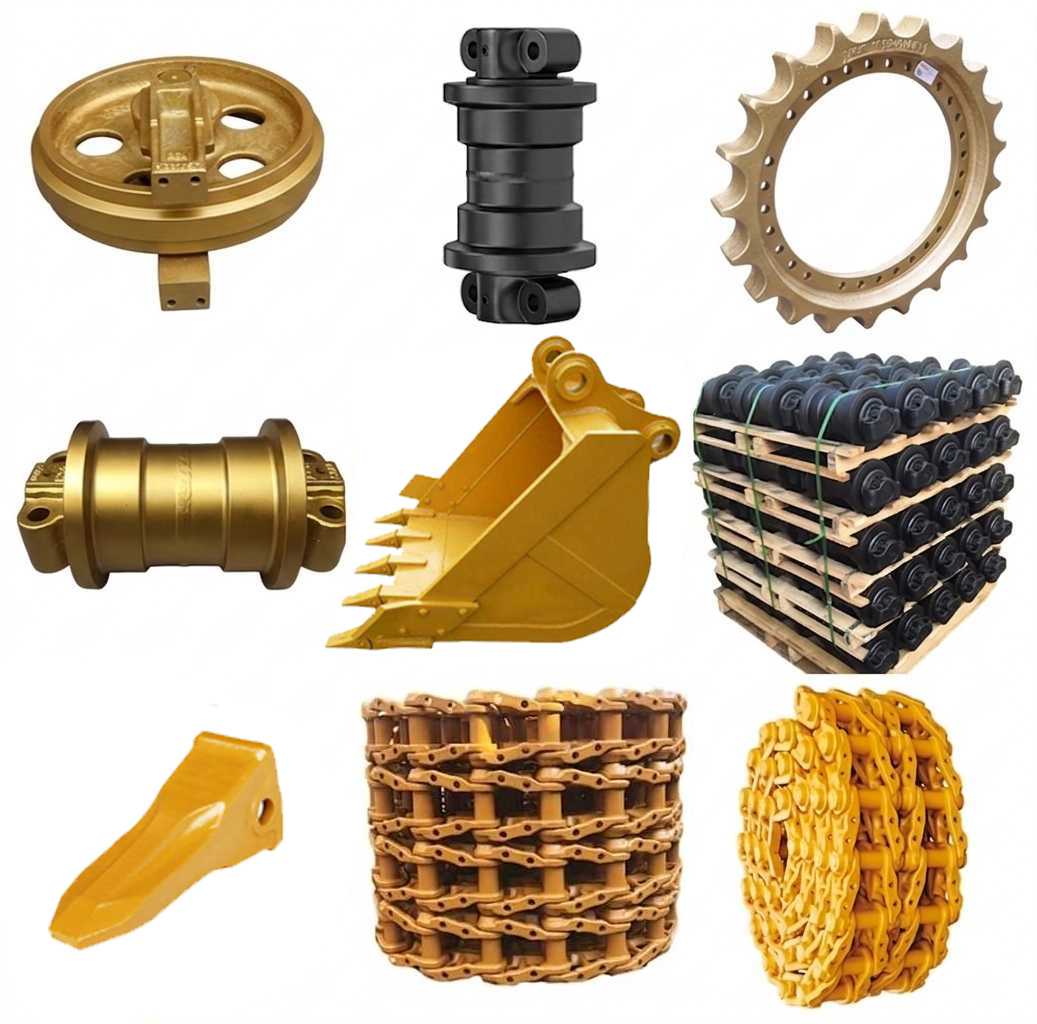
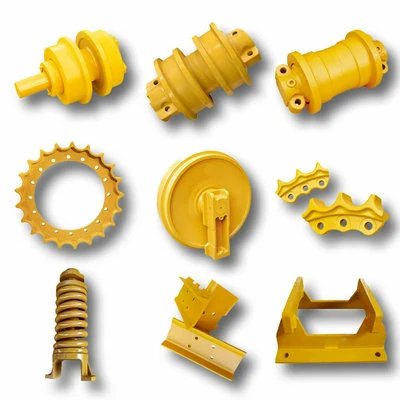
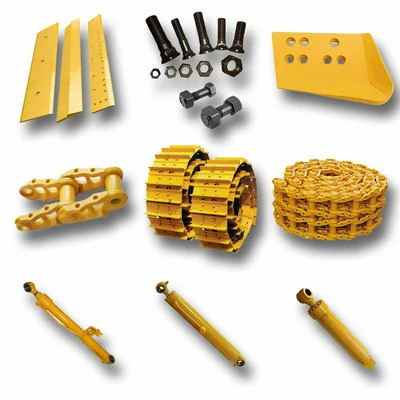
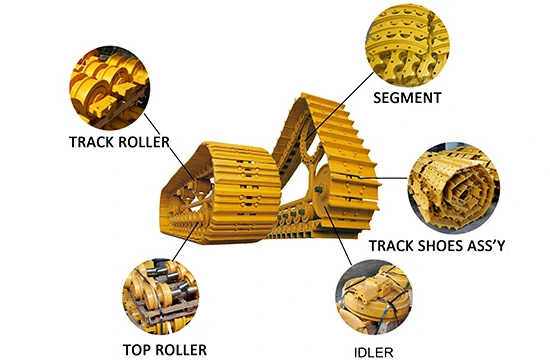
Excavator & Bulldozer Undercarriage Parts Expert - Quality Track Roller, Carrier Roller, Sprocket Wheel
Privacy Overview

This website uses cookies so that we can provide you with the best user experience possible. Cookie information is stored in your browser and performs functions such as recognising you when you return to our website and helping our team to understand which sections of the website you find most interesting and useful.