Have you ever been left frustrated with vague specs while trying to procure undercarriage parts? I certainly understand that struggle. Ensuring detailed specifications 1 is crucial in making informed decisions for long-lasting machinery.
Yes, the spec sheets comprehensively cover materials, hardness, and dimensions. You’ll obtain precise details necessary to ensure compatibility and performance standards.
Precision in technical specs 2 alleviates operational challenges, helping extend equipment life and reduce maintenance costs.
Do your spec sheets include heat treatment case depth?
Could ambiguous phrases like "properly hardened" leave you questioning the value of your purchase? I've come across this hurdle too.
Indeed, our spec sheets provide meticulous heat treatment case depths. Heat treatment information impacts durability, offering case depths ranging from 4-10mm, ensuring wear resistance and longer lifespan.
Understanding heat treatment 3 and its impact is crucial. The process enhances surface hardness while maintaining core toughness. It involves quenching and tempering, which boosts the parts’ wear resistance under harsh conditions. These technical details ensure that components meet the demands of rigorous environments 4, aligning with industry standards.
Heat Treatment Details
| Parameter | Specification | Benefit |
|---|---|---|
| Heat Treatment Process | Quenching, Tempering | Enhances durability |
| Case Depth | 4-10mm | Provides wear resistance |
Can I get drawings with all critical tolerances?
Does missing information on tolerances 5 make it hard to trust that parts will fit correctly? It’s a real pain point for many in our field.
Yes, detailed drawings accompany spec sheets, highlighting all critical tolerances. This ensures seamless integration with existing equipment, minimizing fitment issues.
Critical tolerance information 6 is an integral part of ensuring reliability. Our drawings specify limits for dimensions, ensuring parts fit seamlessly. Ensuring these tolerances reduces the risk of misalignment or premature wear, thus safeguarding machinery performance and extending component life.
Critical Tolerance Information
| Component | Tolerance Standard | Alignment Assurance |
|---|---|---|
| Pin and bushing fit | ISO 2768-m | Ensures proper alignment |
| Diameter and width | Industry OEM Standards | Prevents gear wear |
Are these spec sheets available for all parts in your catalogue?
Have you ever struggled to find spec sheets for every desired part? It's frustrating when information isn't readily available.
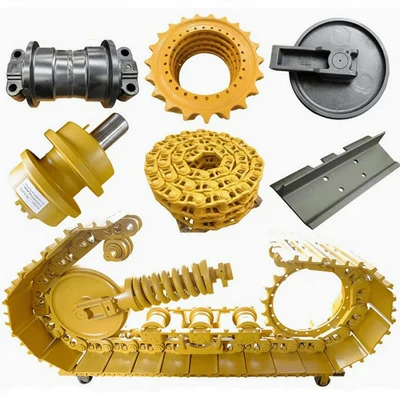
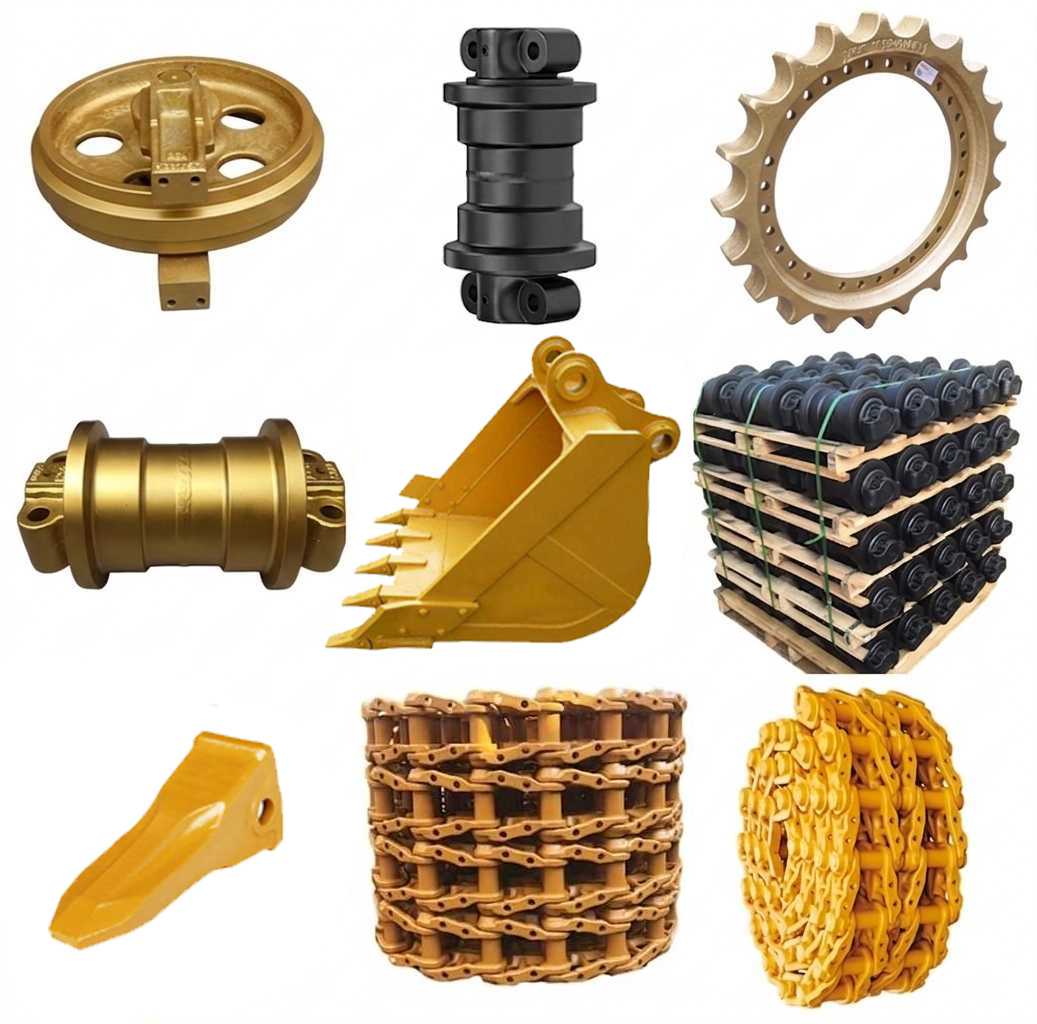
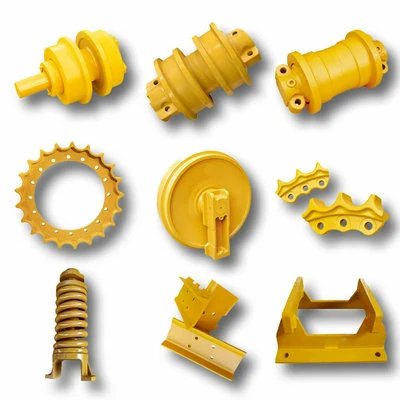
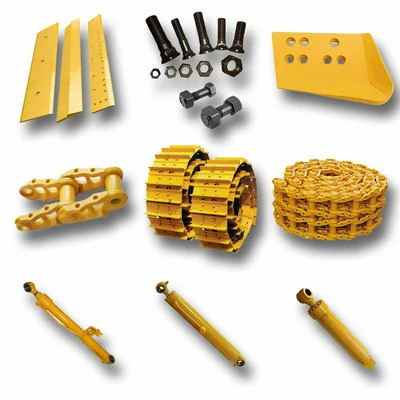
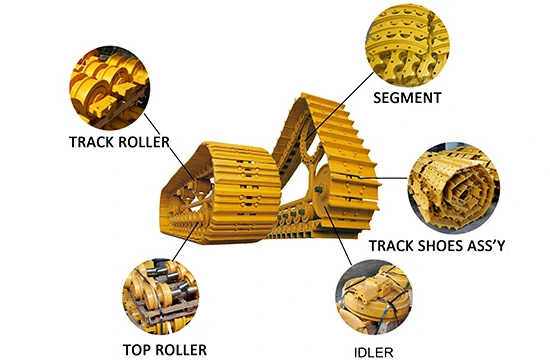
All catalog parts 7 have accessible spec sheets. From track rollers to idlers, we ensure comprehensive documentation to meet all your needs, guaranteeing you can make informed choices.
Having readily available spec sheets for all parts ensures transparency and eases the purchasing process. This practice not only boosts confidence but also enhances decision-making. Comprehensive availability 8 means you’re always equipped with the information needed to assess quality and make optimal choices.
Catalog Spec Availability
| Catalogue Aspect | Information Provided | Benefit |
|---|---|---|
| Specification Coverage | Complete details for all parts | Facilitates informed decisions |
| Transparency | Open access to all specs | Enhances trust and reliability |
How do these specs compare to the OEM standards?
Do these specs stand toe-to-toe with your OEM standards 9? Let's explore the comparison to clarify any doubts.
Our specifications match or exceed OEM standards. We ensure each component meets rigorous dimensions, material quality, and performance criteria set forth by OEMs, ensuring reliability.
By measuring up to OEM standards 10, we guarantee high performance and compatibility. This high adherence reassures you of part quality and longevity, crucial for maintaining equipment integrity. Our focus always remains on alignments, durability, and seamless fitment, ensuring satisfied customers.
OEM Standards Comparison
| Specification Aspect | OEM Standard | Our Specification |
|---|---|---|
| Material and Hardness | As per OEM guidelines | Aligns or exceeds expected values |
| Dimensional Precision | Strict OEM compliance | Rigorous adherence to standards |
Conclusion
Ensuring detailed technical documentation fosters better decisions and enhances machinery performance. This commitment to quality defines our approach.
Footnotes
1. Learn about ISO standards for technical product documentation and specifications. ↩︎
2. Review the SAE guidelines for technical specifications in heavy machinery. ↩︎
3. Discover detailed information on metal heat treatment processes and applications. ↩︎
4. Guide to product testing and standards for rigorous industrial environments. ↩︎
5. Reference the ANSI/ASME standard for dimensioning and tolerancing practices. ↩︎
6. Explanation of critical tolerance standards for mechanical components. ↩︎
7. Explore the XML Catalog standard for managing and referencing parts documentation. ↩︎
8. Information on achieving data quality and comprehensive information availability. ↩︎
9. Review ISO guidelines for quality management systems in OEM manufacturing. ↩︎
10. Information on ASTM standards for quality assurance systems in manufacturing. ↩︎