Export packing is crucial to ensure parts survive the journey across seas. In our business, we focus on using robust materials and strategic securing methods to ensure long-distance freight 1 remains uncompromised.
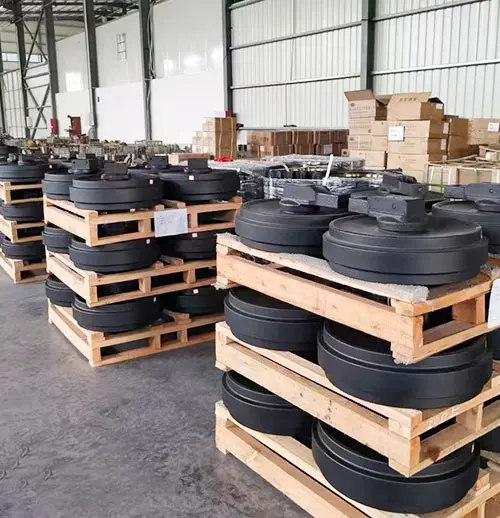
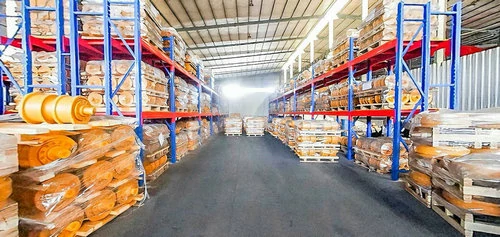
Standard export packing for undercarriage parts uses robust wooden crates or pallets compliant with ISPM 15 heat-treatment standards, combined with anti-corrosion measures and secure bracing for long-distance sea freight.
Efficient packing is the backbone of our logistics operations 2. By employing solutions like heat-treated pallets and advanced anti-corrosion technologies 3, we protect valuable equipment across distances, providing reliability upon delivery.
Are your pallets internationally compliant (e.g., fumigated)?
International compliance 4 is pivotal in avoiding customs delays, specifically through pallets that undergo stringent standards like ISPM 15 fumigation 5.
Our pallets are heat-treated or fumigated, meeting international shipping standards 6. This ensures they are resistant to pests and align with regulations abroad, preventing issues at customs and reducing shipment delay risks.
Pallet Compliance Details
| Feature | Description |
|---|---|
| Heat Treatment | Helps in preventing pest infestation |
| Fumigation | Complies with ISPM 15 standards |
| Structure | Robust, designed for heavy loads |
These standards maintain the integrity of our shipments and provide peace of mind that parts arrive without hurdles globally.
How are the parts secured to the pallet (e.g., steel banding, shrink wrap)?
Security and stability during shipment ensure parts arrive intact. We employ techniques like steel banding and shrink wrap 7 for optimal results.
The combination of steel banding and shrink wrap is pivotal for securing parts during transit. This not only reduces the chance of movement causing damage but also serves as a barrier against moisture exposure 8.
Securing Methods
| Technique | Benefits |
|---|---|
| Steel Banding | Provides robust component anchorage |
| Shrink Wrap | Shields parts from moisture |
| Cushioning | Absorbs potential shock impacts |
By minimizing shifts and guarding against environmental factors, we ensure our components remain in premium condition 9 upon arrival.
Can you show me photos of your standard export packaging?
Visuals reinforce understanding of our packaging methods. Pictures are available upon request to illustrate packing standards.
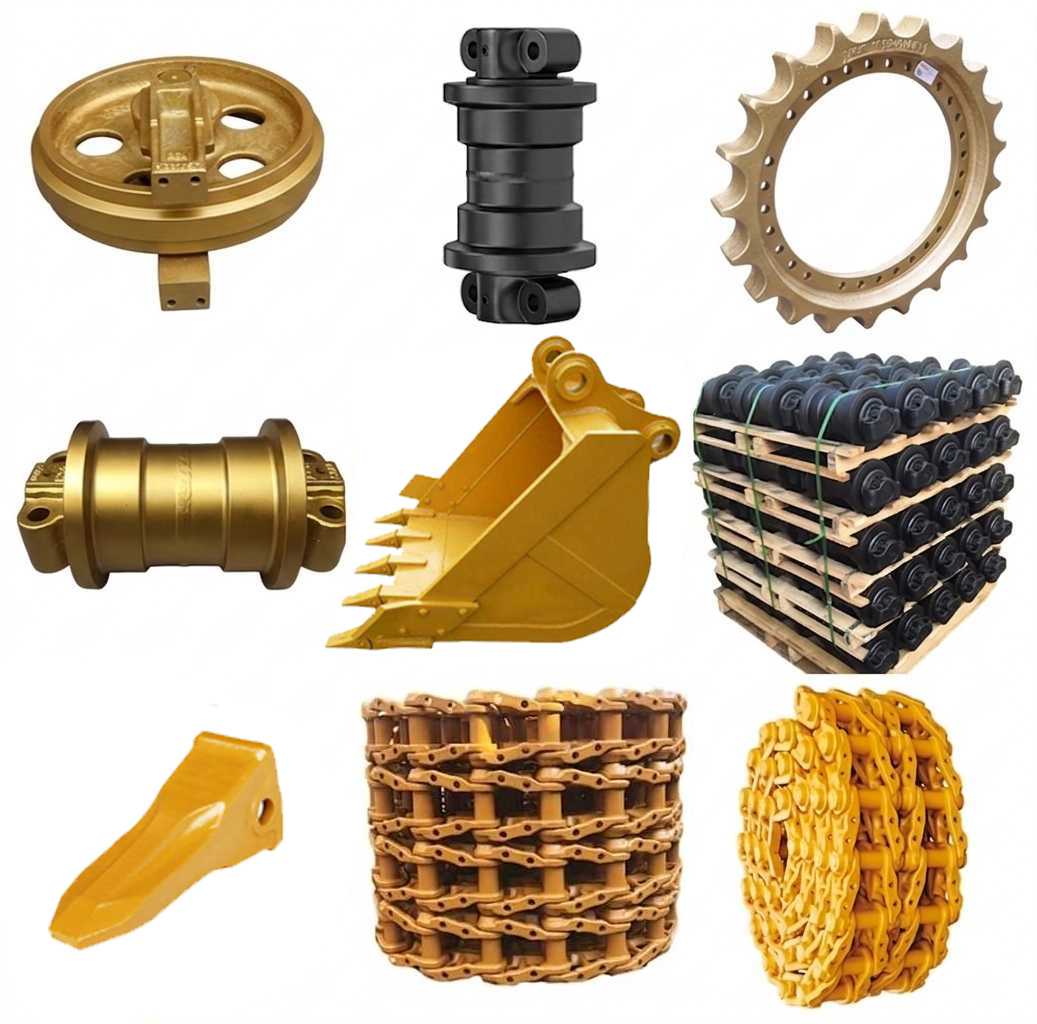
Photos of our packing processes showcase wooden pallets, steel banding, and shrink wrap in use. They illustrate the precision and care involved, offering you confidence in the robustness of our logistics.
Packaging Visuals
| Element | Visual Features |
|---|---|
| Wooden Pallets | Sturdy and durable |
| Steel Banding | Secure and tight |
| Shrink Wrap | Moisture barrier |
These images serve as a testament to our meticulous standards and provide assurance that our packing methods are geared for maximum protection during transit.
Can I request custom packing if I have specific requirements?
Our business model accommodates custom packing requests 10, allowing tailored solutions for specialized shipping needs.
We offer custom packaging options to meet unique requirements, from material choices to precise labeling, ensuring your packages fit your specific needs and regulations.
Custom Packing Solutions
| Option | Customization Possibilities |
|---|---|
| Material Choice | Cardboard, wood, foam possibilities |
| Additional Cushioning | Extra cushioning for fragile items |
| Labeling Precision | Detailed and customized labels |
This flexible approach ensures your logistics are personalized, adding an extra layer of protection and assurance for your shipments.
Conclusion
Our standard export packing is designed to withstand long-distance sea freight, meeting both compliance and customization needs.
Footnotes
1. Explore best practices and challenges for managing goods in long-distance freight. ↩︎
2. Understand how efficient logistics operations impact the delivery of heavy equipment parts. ↩︎
3. Research the latest advancements and methods in protecting metals from corrosion during transport. ↩︎
4. Learn about the importance of international compliance in avoiding customs and shipping delays. ↩︎
5. Detailed guide to ISPM 15 regulations for wood packaging material and its international requirements. ↩︎
6. Overview of standard regulations and protocols for global ocean and air freight shipments. ↩︎
7. Comparison of steel banding and shrink wrap effectiveness in securing heavy industrial components for shipment. ↩︎
8. Tips on minimizing moisture exposure risks for metal parts during extended sea transit. ↩︎
9. Advice on maintaining the quality and condition of machinery components through proper storage and packing. ↩︎
10. Guide on requesting and managing specialized or tailored packaging solutions for unique freight needs. ↩︎