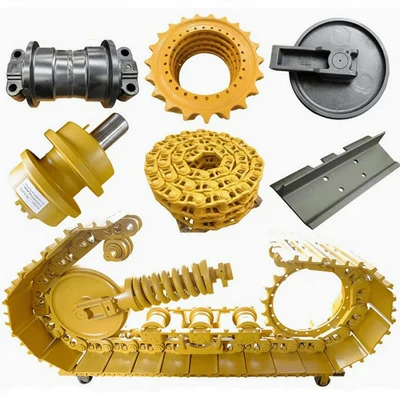
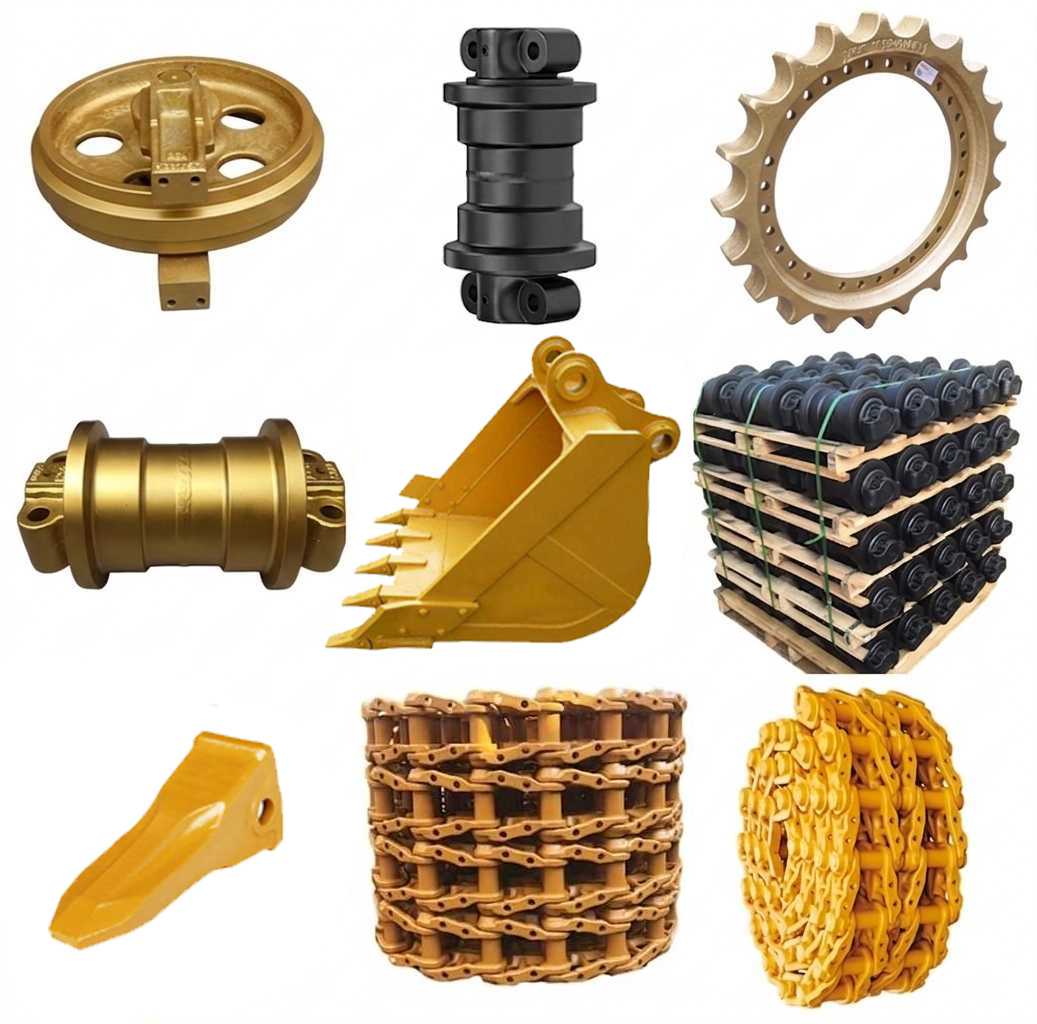
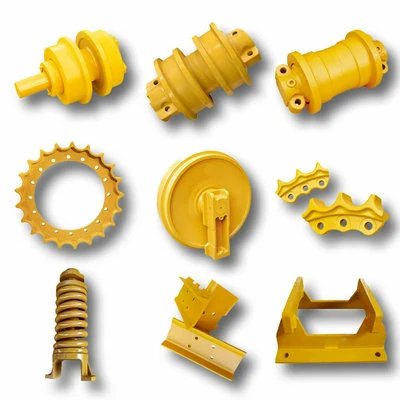
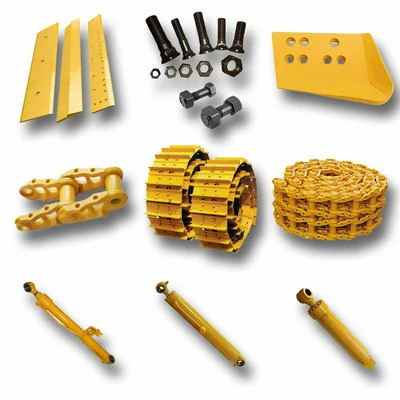
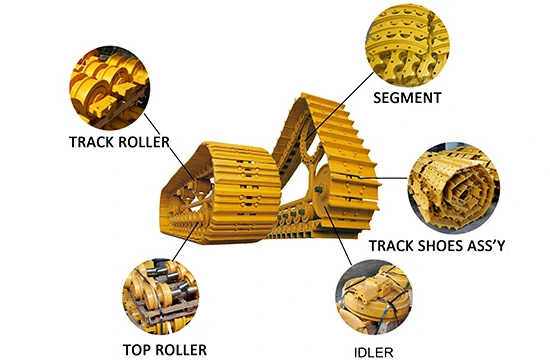
Do you ever find yourself questioning the longevity of undercarriage parts 1 in rugged work environments? This common concern, if not addressed, could lead to increased downtime and maintenance costs.
The expected service life of undercarriage parts varies widely from 2,000 to 6,000 hours, contingent upon factors such as component type, maintenance practices, and specific site conditions. High-abrasion environments tend to decrease lifespan to 2,000-4,000 hours, whereas optimized parts in less hostile conditions may reach upwards of 6,000 hours.
Understanding the nuances of these variables can dramatically improve equipment efficiency and cost management 2.
Can you provide different life-hour estimates for standard vs. heavy-duty use?
Imagine equipping your machinery with parts designed for standard wear, only to operate them under heavy-duty conditions 3. The result? Unexpected and premature wear.
For standard applications, undercarriage parts typically last between 4,000 to 6,000 hours, while heavy-duty environments diminish expected life to approximately 2,000 to 3,500 hours. Variances in longevity are markedly attributable to the intensity and type of work performed.
Comparison of Service Life in Different Environments
| Use Type | Expected Hours | Key Influences |
|---|---|---|
| Standard | 4,000-6,000 | General earthmoving |
| Heavy-Duty | 2,000-3,500 | Mining, high-impact areas |
Factors like material composition 4 and maintenance schedules are critical in bridging these differences, allowing parts to extend closer to their potential maximum hours.
How does this expected lifespan compare to genuine OEM parts?
When purchasing parts, you need to ensure that the longevity meets industrial standards 5, but how do aftermarket parts compare to OEM in terms of service life?
High-quality aftermarket undercarriage parts are engineered to match or exceed genuine OEM part lifespans through meticulous design and superior materials, ensuring reliability under identical conditions.
Comparing OEM and Aftermarket Part Longevity
| Part Type | Aftermarket Life | OEM Life | Tested Conditions |
|---|---|---|---|
| Track Chains | Comparable | Comparable | Soil abrasion and environmental wear |
| Rollers & Idlers | Enhanced | Standard | Humidity and load-bearing tests |
| Sprockets | Consistent | Consistent | Debris impact |
The superiority of aftermarket options 6 is evident when they offer enhanced life hours without compromising quality.
What factors (e.g., soil, operator) most affect the wear life?
It can be startling to experience differing wear rates on similar parts. Can environmental or operational factors 7 be the culprits?
The wear life of undercarriage parts heavily hinges on elements like soil conditions, operator expertise, and consistent maintenance. These factors interact intimately to influence part endurance.
Key Influencers of Wear Life
| Factor | Influence |
|---|---|
| Soil Conditions | Affects material wear rate due to type and moisture level |
| Operator Habits | Can reduce stress-induced wear through skilled techniques |
| Maintenance | Regular check-ups prevent rapid deterioration |
Understanding these factors allows for preemptive measures to mitigate adverse effects on machinery 8.
Do you have any case studies or customer data on wear life?
Curiosity about the real-world performance 9 of parts is natural, especially when cost-effectiveness is paramount. What does empirical data reveal?
Case studies and customer feedback underscore enhanced longevity of parts due to superior material choices and regular maintenance. Real-world examples showcase tangible life improvements in diverse conditions.
Documented Life-Enhancement Outcomes
| Condition Type | Improvement Rate | Main Strategies |
|---|---|---|
| High Abrasion | 20-30% | Use of premium materials and heat treatments |
| Standard Construction | 15-20% | Proactive maintenance, ensuring parts longevity |
| Mining Operations | 25-35% | Upgraded part materials and targeted inspections |
These data-backed insights 10 provide a roadmap to achieving optimal part performance and extending service life.
Conclusion
Tailoring undercarriage parts to specific worksite conditions is key. It ensures effective operations and optimal cost outcomes, directly influencing overall success.
Footnotes
1. Explore a detailed guide on the function and replacement of undercarriage parts. ↩︎
2. Best practices for optimizing equipment maintenance costs and reducing downtime. ↩︎
3. Learn about the specific challenges and requirements of heavy-duty equipment operation. ↩︎
4. In-depth analysis of specialized alloy and steel compositions for high-wear components. ↩︎
5. Overview of quality benchmarks and certifications for construction and mining equipment components. ↩︎
6. Benefits of choosing quality aftermarket options for heavy machinery maintenance and repair. ↩︎
7. A study on how various environmental conditions and operational styles impact component lifespan. ↩︎
8. Technical specifications and maintenance guides for various types of heavy construction and mining machinery. ↩︎
9. Customer testimonials and technical reports on component durability and longevity in the field. ↩︎
10. Access industry reports and analyses focusing on maximizing part lifespan through predictive maintenance. ↩︎