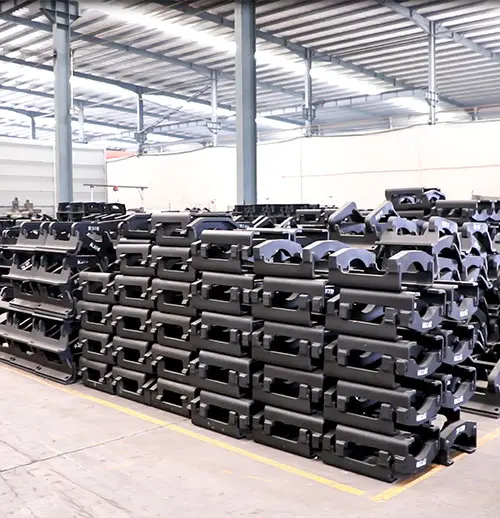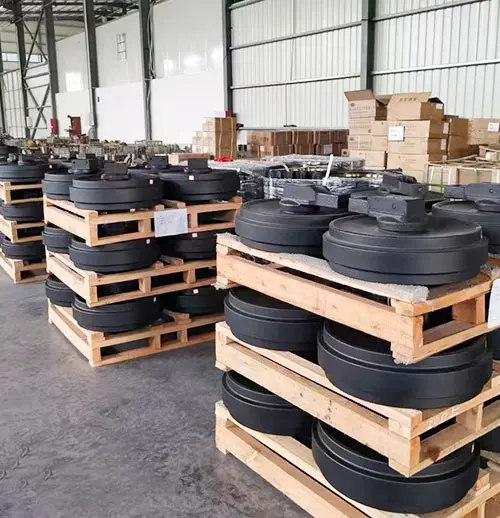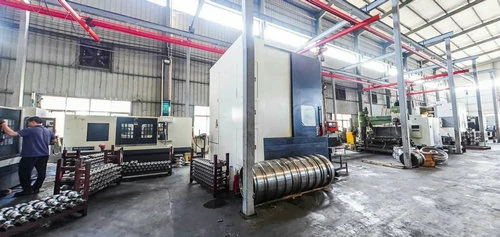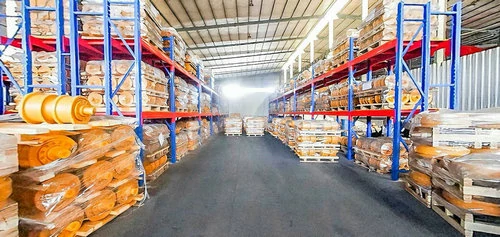
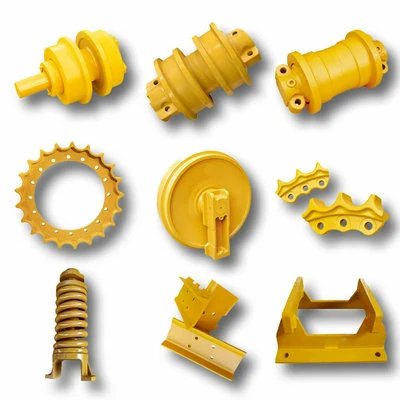
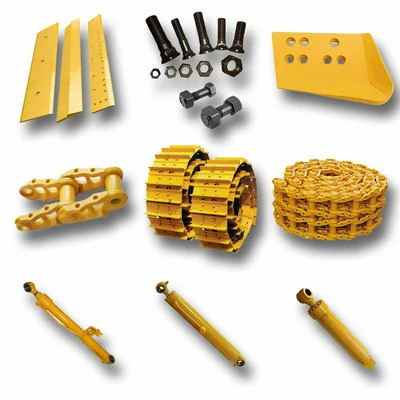
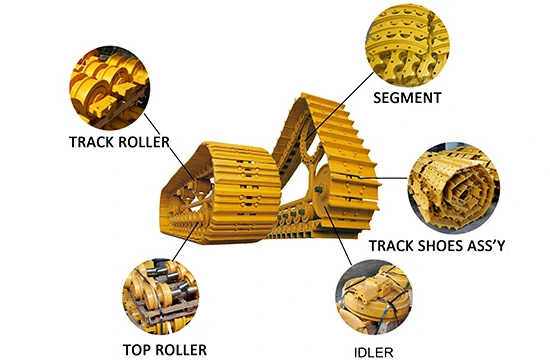
The challenge of choosing the right steel grade 1 for undercarriage parts versus buckets and bucket teeth is crucial. I had to understand that not all steel is equal, especially when it comes to heavy machinery parts 2. Selecting the wrong grade can compromise the performance and lifespan of these components.
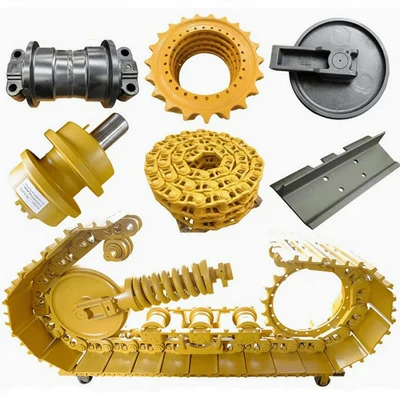
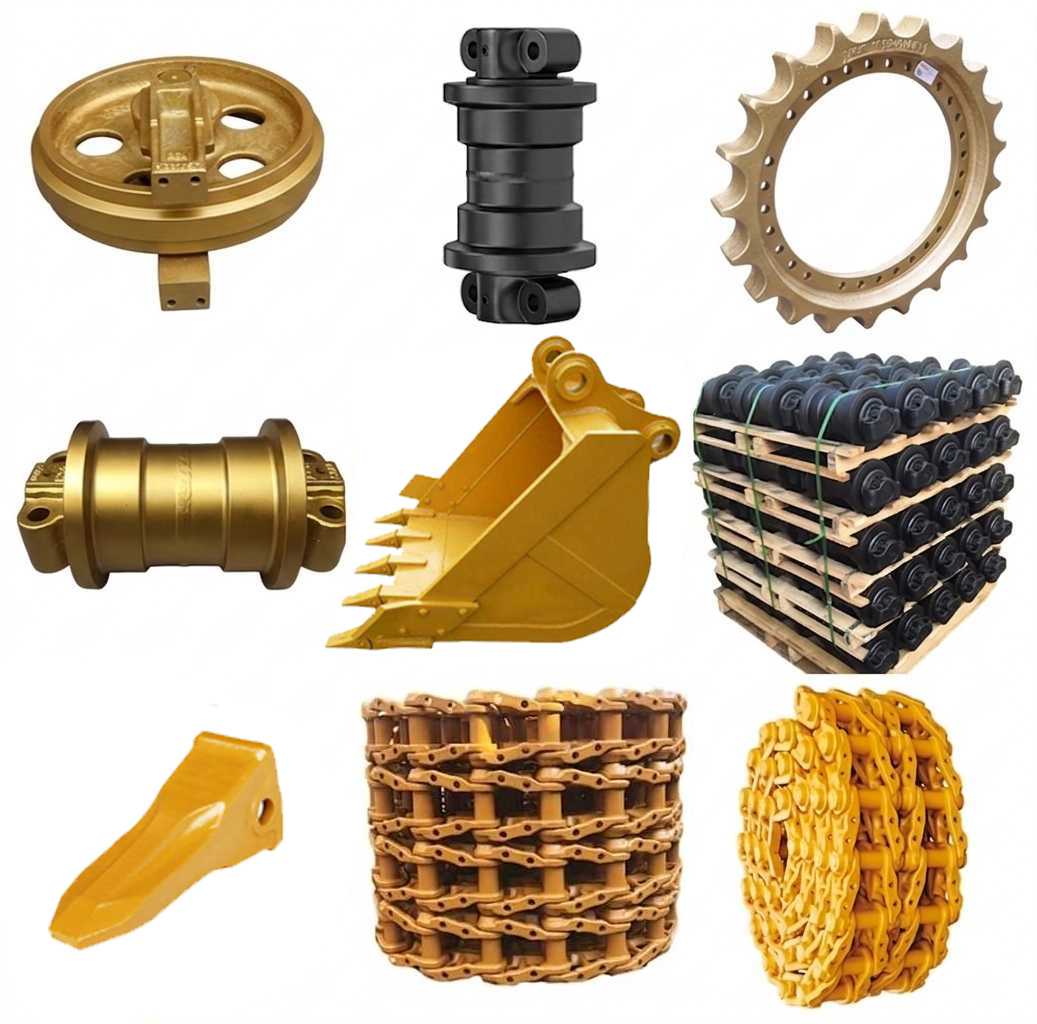
Typically, undercarriage parts utilize high-strength steel grades 3 like 4140 or 4340, combining durability with impact resistance. Buckets often employ wear-resistant steels such as Hardox 400 4 or 500 to endure abrasive conditions. Bucket teeth might favor alloy steels 5 incorporating chromium and molybdenum, enhancing hardness and wear resistance. This differentiation caters to the functional demands of each component.
Transitioning from undercarriage steels to those used in buckets and teeth is not just about material; it's about redefining performance expectations. Now, let's delve deeper into how these choices affect durability and efficiency in high-stress environments.
Do you use wear-resistant steel (e.g., NM400, HARDOX) for bucket teeth?
The moment I realized the significance of wear-resistant steels 6 for bucket teeth was eye-opening. Using non-optimal materials can lead to frequent wear and inefficiency. Confronting this issue has always been a part of optimizing our product lineup.
Bucket teeth are indeed crafted using wear-resistant steels like NM400 7 and Hardox. These steels provide the necessary toughness and wear resistance for heavy-duty operations, ensuring that the teeth remain sharp and effective, significantly extending their service life and reducing maintenance frequency.
The selection of wear-resistant steel isn't arbitrary. It involves understanding the operational environment 8 and stress points. Let's explore how this affects performance metrics and cost-efficiency in prolonged use, especially in demanding terrains.
Material Advantages for Bucket Teeth
Choosing NM400 or Hardox involves considering:
- Hardness: Ensures abrasion resistance.
- Toughness: Resists significant impacts.
- Longevity: Reduces replacement frequency.
| Material | Class | Hardness | Use Case |
|---|---|---|---|
| NM400 | AR steel | HB 370-430 | General wear |
| HARDOX | AR steel | HB 450-550 | Heavy abrasion |
Wear-resistant steel enhances:
- Essential for harsh conditions.
- Provides economical solutions through reduced downtime.
- Superior quality translates to low lifecycle costs.
What material is used for the main body of the bucket?
Understanding the inadequacies of poorly chosen bucket materials has been pivotal. Initial assumptions that strength equals efficiency were misguided. It's the balance of strength, weight, and weldability that defines a bucket's success.
Buckets primarily use high-strength low-alloy (HSLA) steel 9, such as ASTM A572 Grade 50 10. This material selection offers a commendable balance between strength and weight, ensuring the bucket body is both robust and efficient in operation. Its weldability further facilitates repairs and adaptability.
By adopting HSLA steel, buckets gain:
- Strength: High impact resistance.
- Weldability: Simplifies repair processes.
- Efficiency: Low weight to strength ratio.
HSLA Steel Attributes
Core properties of ASTM A572 Gr.50 include:
- Yield Strength: Over 50 ksi.
- Weight Efficiency: Essential for maneuverability.
- Weldability: Allows easy modifications and repairs.
| Material | Category | Yield Strength | Applications |
|---|---|---|---|
| A572 | HSLA | ≥50 ksi | Construction buckets |
These materials ensure robust performance, even under demanding environmental conditions.
How does the heat treatment differ between undercarriage parts and bucket teeth?
I discovered how crucial heat treatment 11 is in maximizing steel performance. Originally, I underestimated its influence, but underspecified treatments can lead to premature fatigue and failures.
Heat treatment strategies differ substantially between undercarriage parts and bucket teeth. Undercarriage components often undergo treatments like quenching and tempering to achieve toughness, while bucket teeth may see surface hardening through induction processes to maximize wear resistance.
Diving deeper into heat treatment reveals:
- Quenching and Tempering: Imparts toughness to undercarriage parts.
- Surface Hardening: On bucket teeth, enhances wear resistance and prolongs tool life.
Heat Treatment Techniques
| Component | Process | Purpose |
|---|---|---|
| Undercarriage | Quenching & Tempering | Achieve toughness |
| Bucket Teeth | Induction Hardening | Enhance surface hardness |
Process Benefits
- Quenching & Tempering: Affects internal structure for resilience.
- Induction Hardening: Provides a hard outer layer with a tough core.
These methods refine:
- Durability: Improves lifecycle across varied operational environments.
- Stability: Ensures consistent performance throughout wear and tear.
Can I get a full list of materials used for all your products?
The search for transparency led me to ensure that every potential partner or client understands our material use. Initial reluctance to divulge such information seemed counterproductive in fostering trust and collaboration.
Certainly, transparency in material selection can significantly boost understanding and trust. Our product lineup spans various steel grades tailored for different purposes and operational demands. This specificity in selection is an integral part of ensuring optimal performance.
Here's a comprehensive material specification table:
| Component | Typical Material | Key Traits |
|---|---|---|
| Track Rollers | 50Mn2, Boron Steel | Toughness, Impact Resistance |
| Bucket Shell | ASTM A572 Gr.50 | Weight Efficiency, Weldability |
| Bucket Sides/Edges | AR400, AR500 | Abrasion Resistance |
| Bucket Teeth | High Mn, Alloy steel | Work-hardening Properties |
With each component thoughtfully crafted, our material strategy supports durability and efficiency, enhancing overall functionality and customer satisfaction.
Conclusion
Understanding the specific steel grades for equipment parts 12 is essential for performance. It ensures longevity and efficiency, adapting to varied demands.
Footnotes
1. Explore an in-depth guide on selecting the optimal steel grade for heavy-duty applications. ↩︎
2. Discover the rigorous testing standards applied to ensure the reliability of heavy machinery parts. ↩︎
3. Learn about the chemical composition and mechanical properties of high-strength steel grades. ↩︎
4. Official product page detailing the specifications and application benefits of Hardox 400 steel. ↩︎
5. Understand how chromium and molybdenum enhance the performance and longevity of alloy steels. ↩︎
6. Research on the advanced metallurgical techniques used in manufacturing modern wear-resistant steels. ↩︎
7. Comprehensive data sheet for NM400 steel, a common alternative for abrasion-resistant applications. ↩︎
8. Case studies illustrating the impact of different operational environments on steel component wear. ↩︎
9. Detailed explanation of High-Strength Low-Alloy (HSLA) steel and its use in structural applications. ↩︎
10. The official specification for ASTM A572 Grade 50 steel, used widely in construction. ↩︎
11. Overview of the various heat treatment methods used to maximize the performance of steel alloys. ↩︎
12. Insights into predictive maintenance and how material choice affects the lifespan of equipment parts. ↩︎