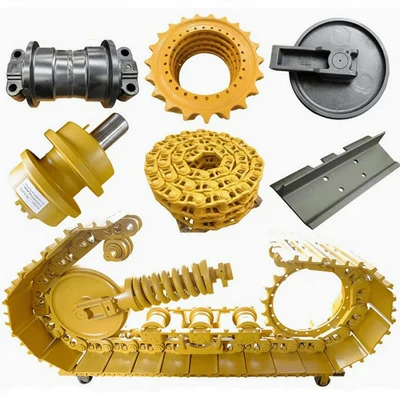
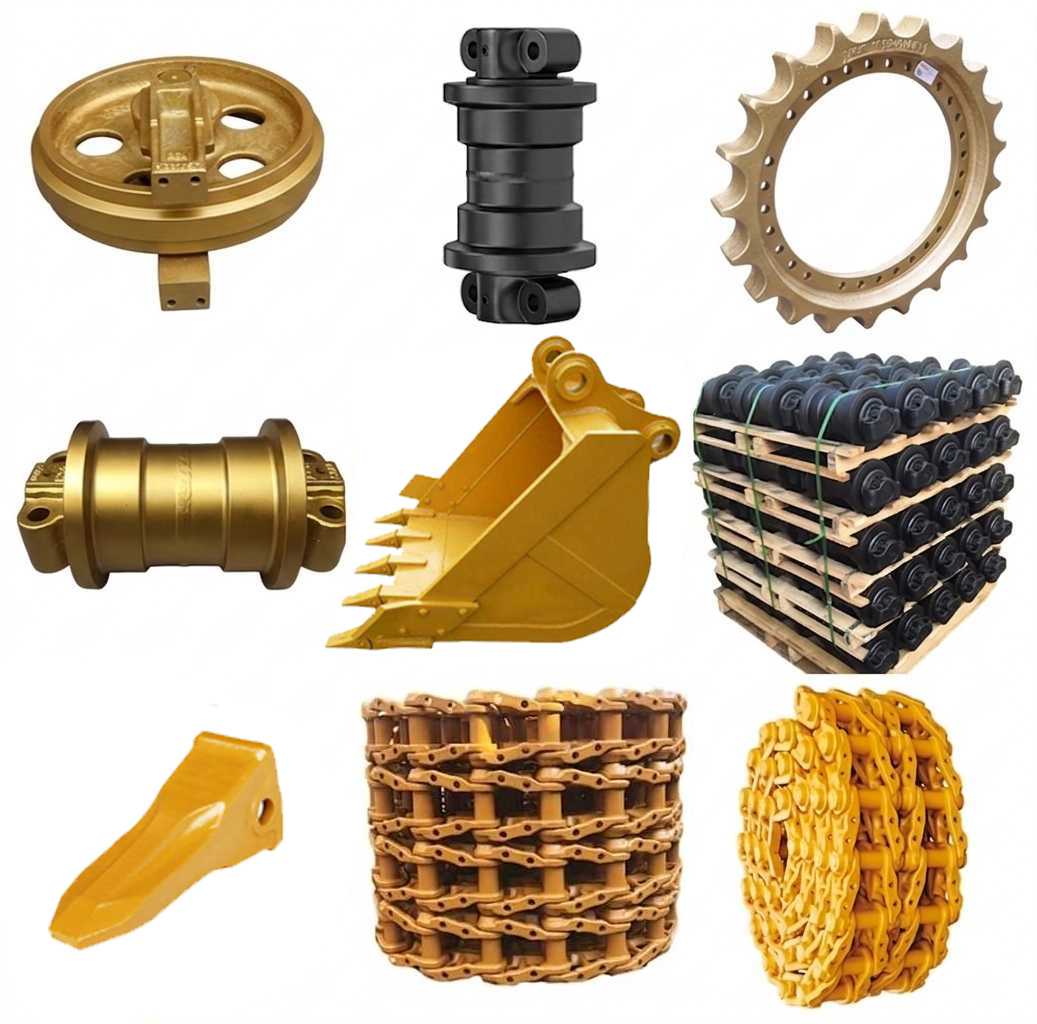
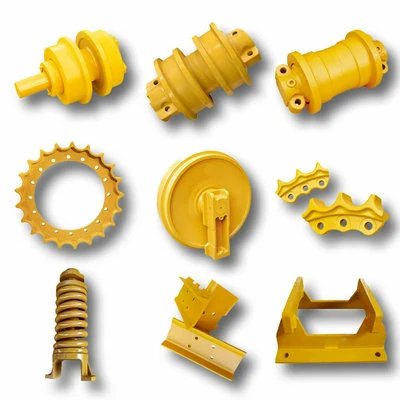
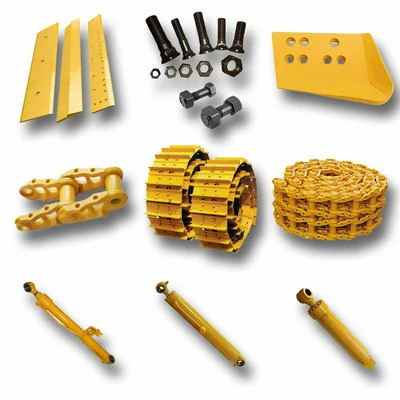
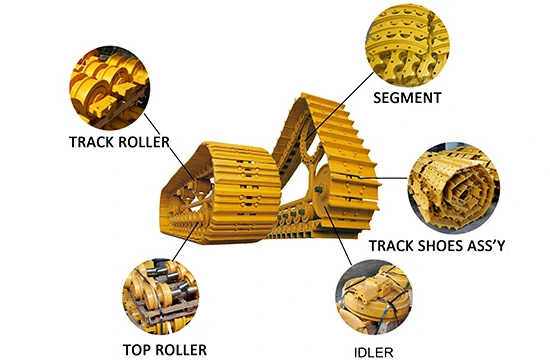
Navigating the world of undercarriage parts 1 can be complex. I often find myself questioning if my sales contact truly understands the technicalities or just repeats jargon. This uncertainty can lead to miscommunications and mistakes.
Sales representatives must have specialized technical training to address undercarriage parts inquiries effectively. Such training ensures they can provide accurate answers and facilitate smooth communication, enhancing customer confidence.
To ensure your concerns are addressed accurately, it's crucial to evaluate the knowledge and training of your sales contact. If their answers lack depth, it might be time to delve deeper into their qualifications or seek further assistance. 2
What Technical Training Do Your Sales Representatives Receive?
When engaging with undercarriage parts, technical knowledge is non-negotiable. 3 Sales contacts should comprehend not just the terms but their implications, avoiding any ambiguity.
Sales representatives typically receive comprehensive technical training, which includes both theoretical and practical aspects of undercarriage components. 4 This training enables them to grasp the intricacies of material specifications and compatibility.
Training for sales representatives often covers these key areas:
| Training Component | Focus | Duration |
|---|---|---|
| Product Knowledge | Functionality and specification of undercarriage parts. | 1 week |
| Material Science | Understanding materials like 50Mn steel and their properties. 5 | 2 weeks |
| Compatibility Testing | How to assess compatibility with various machinery models. 6 | 1 week |
In-depth training provided to sales reps ensures they understand material properties, helping them address your technical queries confidently.
If My Sales Contact Can't Answer, How Quickly Can I Be Connected with a Qualified Engineer?
Not all questions can be answered on the spot, but that shouldn't be a bottleneck. I need a quick pipeline to escalate queries 7 when they arise.
Protocols should be in place for seamlessly connecting customers with technical engineers. 8 This ensures that intricate questions receive expert answers without unnecessary delays.
The escalation process ensures quick resolution:
| Step | Description | Response Time |
|---|---|---|
| Initial Assessment | Sales rep evaluates the query's complexity. | Immediate |
| Engaging Expertise | Sets up communication with a technical engineer. | Within 24 hours |
| Direct Resolution | Technical expert addresses the query directly. | 1-2 business days |
This streamlined approach ensures that complex issues are handled efficiently, maintaining a high level of customer satisfaction.
Can I Schedule a Technical Call with Your Engineering Team Before Placing an Order?
To ensure that parts meet my specific needs, having a detailed conversation with technical experts is beneficial. It can preempt potential mismatches 9 and boost decision confidence.
Scheduling a call with the engineering team should be straightforward, 10 typically facilitated through online booking or direct contact with your sales rep.
The process for arranging a technical consultation usually involves:
| Action | Description | Time Estimate |
|---|---|---|
| Request Initiation | Submit a request for an engineering call | 10-15 minutes |
| Confirmation & Scheduling | Receive available time slots and confirm the appointment | 1 business day |
| Conducting the Consultation | Discuss technical concerns and specifications with engineering staff | 30 minutes - 1 hour |
Direct communication with engineers before placing an order guarantees that all specifics align with expectations, reducing transactional risks.
Will My Sales Rep Understand My Questions About Heat Treatment and Material Specs?
Knowledge of heat treatments and material specifications is vital for parts like sprockets and rollers. Without this understanding, recommendations could miss the mark.
Sales reps should explain how processes such as quenching and tempering affect parts and how these treatments enhance performance in demanding environments.
Key heat treatment processes relevant to undercarriage parts include:
| Process Type | Description | Impact |
|---|---|---|
| Quenching | Rapid cooling to harden materials | Increases strength |
| Tempering | Re-heating to relieve stresses and improve toughness | Reduces brittleness |
| Annealing | Slow cooling to enhance ductility | Boosts machinability |
This expertise allows a sales representative to ensure you're choosing the right part for your needs, based on solid technical foundations.
Conclusion
Assessing your sales contact’s technical competency involves understanding their training, knowing how quickly they can connect you with engineers, and confirming they can navigate technical discussions about undercarriage parts.
Footnotes
1. Explore an essential guide to the function and maintenance of undercarriage parts from a leading manufacturer. ↩︎
2. Read a detailed article on why specialized technical sales skills are crucial in today's complex B2B markets. ↩︎
3. Discover why Forbes emphasizes the non-negotiable role of technical expertise for success in modern sales roles. ↩︎
4. Review comprehensive information and diagrams on the various components that make up a machinery undercarriage system. ↩︎
5. Learn about the chemical composition and mechanical properties of 50Mn steel, a common material for heavy-duty parts. ↩︎
6. Access a compatibility guide to correctly match undercarriage parts with different models of heavy construction machinery. ↩︎
7. Get a quick guide from Harvard Business Review on setting up effective escalation protocols for customer service and technical queries. ↩︎
8. Understand the specific role and responsibilities of a technical engineer in an industrial or manufacturing context. ↩︎
9. Read an article detailing how early consultation prevents technical specification mismatches in industrial machinery. ↩︎
10. Learn why consulting an engineering team before a major technical purchase is a critical step for business confidence. ↩︎