What Specific Grade of Steel do You Use for Your Track Rollers and Idlers?

Grinding sparks flying from a rotating machine part during machining process.

Choosing the right steel grade for track rollers and idlers 1 is critical. From experience, I’ve learned the significance of selecting suitable materials to withstand harsh environments 2 and extend equipment longevity.

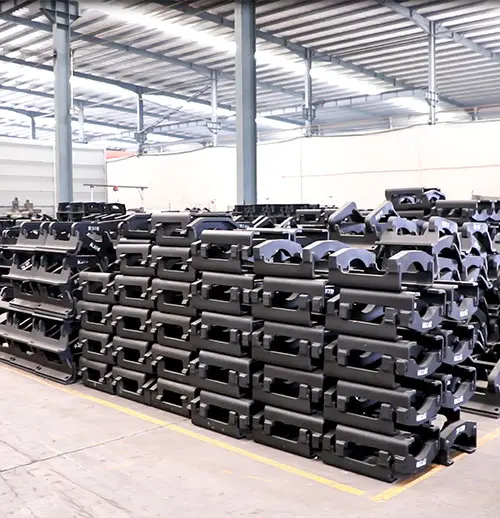
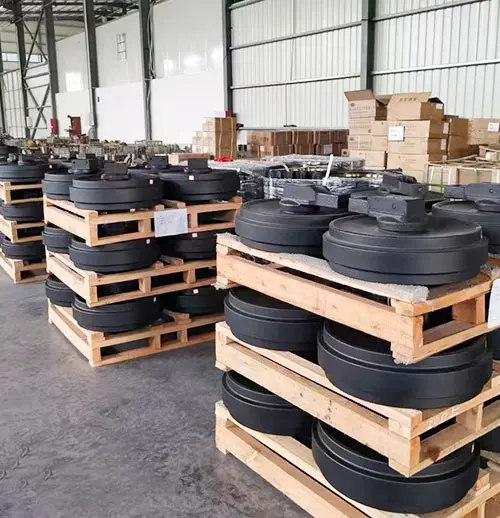
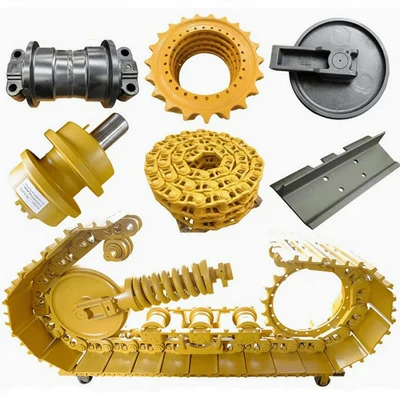
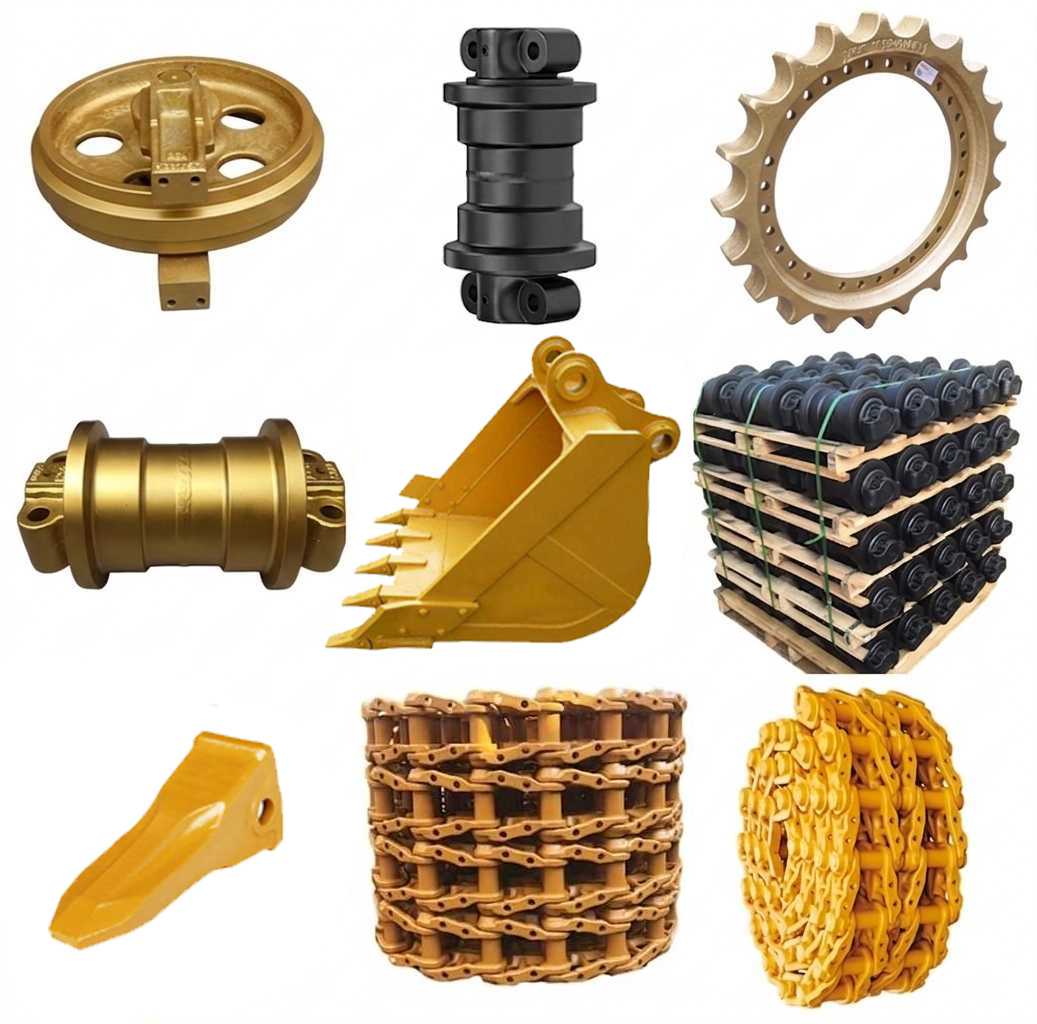
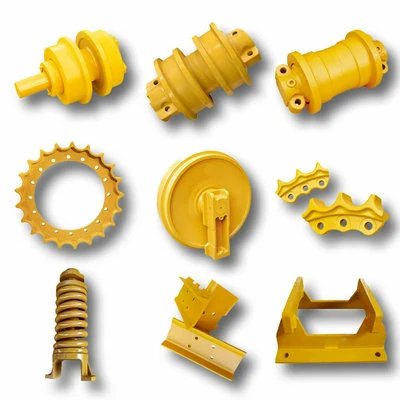
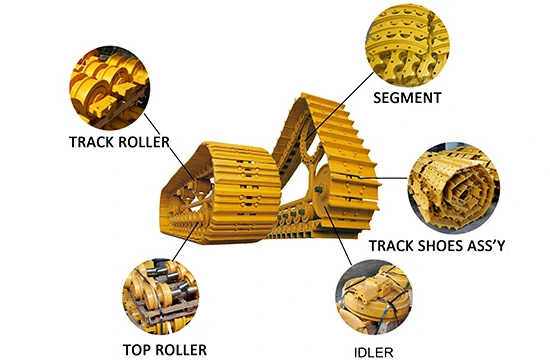
Track rollers and idlers for excavators and bulldozers commonly use steel grades like 50Mn and 40Mn2. These are known for their high manganese content, providing excellent wear resistance. They undergo specific heat treatments to enhance performance, making them reliable for heavy-duty applications.

Understanding these steel grades ensures that your equipment performs optimally, reducing downtime and maintenance costs 3. It's crucial to know how the right materials can impact machinery efficiency.

What is the Steel Grade for Your Track Links?

In the past, I’ve found that selecting the correct steel grade for track links 4 is equally important as for rollers and idlers. Every part's performance hinges on the material's capacity to endure stress and wear.

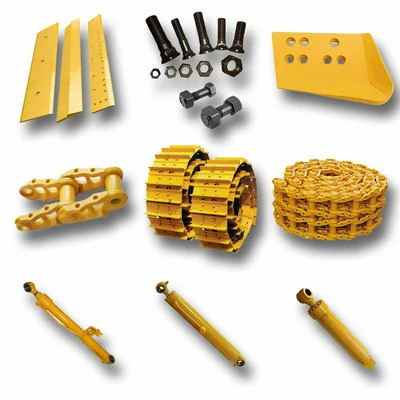
Common steel grades for track links include 40Mn and 35SiMn. These grades offer a balance of strength and toughness, ideal for various demanding operational conditions.

Rusty railway track construction in a sandy, mountainous landscape.

Dive Deeper into Track Link Steel Grades

Understanding the composition and treatment 5 of track link steel grades provides better insights into their performance. Here's an in-depth look:

Table: Steel Grades for Track Links

Steel Grade Composition Key Features
40Mn Medium carbon, high manganese Suitable for high wear resistance
35SiMn Alloyed with silicon and manganese Enhanced toughness and durability

The chemical composition involves alloying elements that significantly influence the steel's mechanical properties 6. Treatments like quenching and tempering are commonly applied to improve hardness and reduce susceptibility to deformation under mechanical loads.

Performance Comparisons

Comparing these grades with those used by OEMs shows slight variations in composition, tailored to specific performance needs. OEMs might have proprietary treatments to enhance particular aspects of durability or adaptability to their machinery.

Can I Get a Material Specification Sheet for Your Key Products?

Whenever I source components, understanding the material’s specifics through spec sheets 7 gives me confidence in their quality and suitability for my needs.

Yes, we provide detailed material specification sheets for all key products, outlining their composition, mechanical properties, and treatment processes. This transparency helps clients make informed decisions.

Clipboard with chemical composition report and metal gear on desk.

Dive Deeper into Material Spec Sheets

Material spec sheets are essential documents that help verify the quality and suitability of parts for specific applications.

Table: Material Specification Details

Attribute Description Importance
Chemical Composition Elemental breakdown of the steel Assurance of quality and performance
Mechanical Properties Includes metrics like tensile strength, yield strength Critical for understanding durability
Heat Treatment Methods applied to steel Determines hardness and longevity

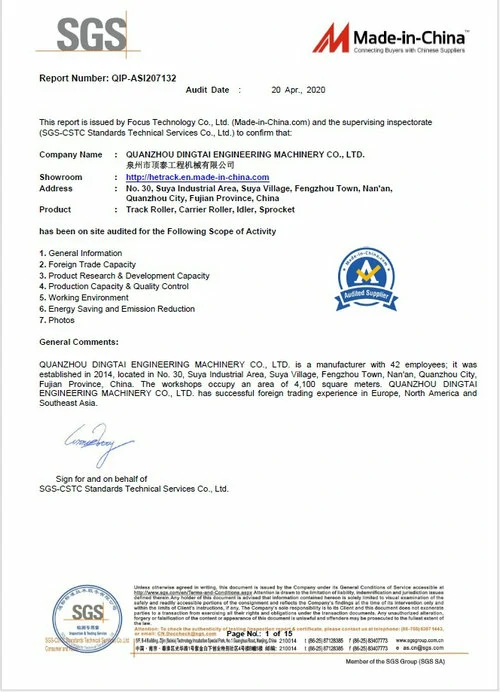
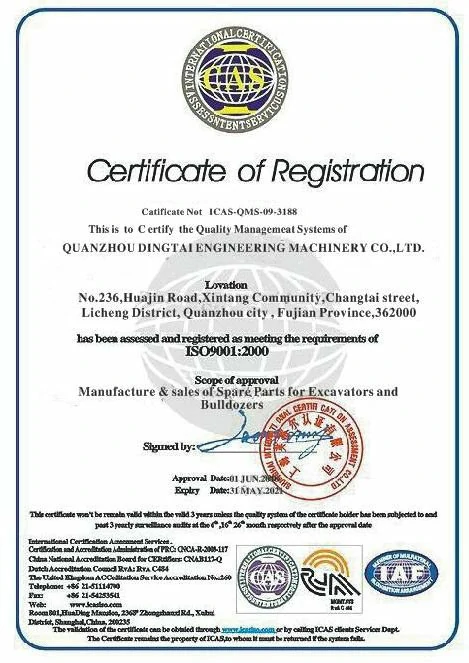
Certification Assurance

Reputable suppliers will always back their claims with necessary certifications. For instance, an ISO 9001 certification 8 validates the quality control standards in manufacturing, providing confidence in using these materials for demanding environments.

How Does This Steel Grade Compare to the One Used by OEM Manufacturers?

I've found that knowing how aftermarket products 9 compare to OEM equivalents in their materials can affect decisions regarding replacements and repairs.

OEM manufacturers typically use proprietary steel grades, closely matched by quality aftermarket alternatives to ensure compatibility and performance. These equivalencies are critical in offering solid options for replacements.

Four heavy-duty industrial wheels aligned on a dark platform.

Dive Deeper into Comparing Steel Grades

The difference between OEM and aftermarket steel grades generally lies in proprietary treatments and formulations unique to each manufacturer's specifications.

Table: Differences in Steel Grades

Manufacturer Type Standard Steel Grades Unique Treatments Compatibility
OEM Proprietary grades Exclusive methods Guaranteed fit
Aftermarket Equivalent grades Similar processes High compatibility

Quality Considerations

One can't overstate the importance of comparing steel grades 10. Recognizing subtle variances can impact everything from initial fit to long-term efficiency and durability. While OEMs employ proprietary technologies, many aftermarket brands align closely enough to offer nearly identical performance, especially when sourced from reputable suppliers.

Is the Steel Sourced from a Specific, Certified Mill?

Understanding sourcing practices has always been vital for ensuring that I'm working with reliable materials. I prioritize this in my buying decisions.

Yes, we source our steel from certified mills that meet international standards, ensuring consistent quality and reliability. This practice safeguards the integrity of our parts.

Worker in large industrial warehouse with stacks of metal sheets.

Dive Deeper into Certified Steel Sourcing

Certifying the steel's origin is as critical as its composition. Certified mills adhere to established standards and employ approved processes to produce high-grade steel.

Benefits of Sourcing from Certified Mills

  • Consistency: Certified mills provide standardized production, ensuring uniform quality across all batches.
  • Traceability: Each material batch is traceable to its origin, an essential feature for quality assurance and transparency.
  • Certifications: These ensure compliance with international manufacturing standards, reinforcing the trustworthiness of the products produced.

Knowing the certified status of the mills from which steel is sourced can provide reassurance about the commitment to quality and adherence to best practices.

Conclusion

Selecting the right steel grade is fundamental for ensuring your heavy machinery's longevity and efficiency, making informed choices essential for operational success.

Footnotes

1. Find detailed technical specifications for track rollers and idlers.↩︎
2. Learn about the impact of extreme operating conditions on machinery components.↩︎
3. Discover strategies for minimizing machinery downtime and cutting maintenance expenses.↩︎
4. Guide to understanding the specific material requirements for track links in heavy equipment.↩︎
5. Explore the various chemical alloying elements used to enhance steel's properties. ↩︎
6. Deep dive into key mechanical properties like yield strength and ultimate tensile strength.↩︎
7. View an example of a comprehensive material specification sheet for steel components.↩︎
8.Official information about the ISO 9001 standard for quality management systems.↩︎
9.Read an analysis comparing the performance and reliability of aftermarket components versus OEM.↩︎
10.Overview of common classification systems and standards for various steel grades.↩︎

Free Quote & Information Request

Leave your inquiry, we will provide you with quality products and services!

Excavator & Bulldozer Undercarriage Parts Expert - Quality Track Roller, Carrier Roller, Sprocket Wheel
Privacy Overview

This website uses cookies so that we can provide you with the best user experience possible. Cookie information is stored in your browser and performs functions such as recognising you when you return to our website and helping our team to understand which sections of the website you find most interesting and useful.